

























Best Laser Engraver for Beginners in 2026: How to Choose

Quick Answer:
The best laser engraver for beginners is usually an enclosed diode machine that is easy to set up, safe to operate, and strong enough for wood, paper, leather, cardboard, dark acrylic, and personalized gifts.
For most new users, the Creality Falcon A1 Pro offers the best balance of safety, power, software support, and room to grow.
Why Laser Engraving Is a Great Beginner Hobby
Laser engraving and cutting can feel technical at first, but the basic workflow is simple. You create or import a design, choose the right material settings, place the material on the work area, focus the laser, and let the machine follow the digital path.
A beginner-friendly laser engraver can help you make custom gifts, wood signs, leather tags, coasters, ornaments, packaging, classroom projects, and small business products. The key is choosing a machine that matches your materials, workspace, safety needs, and learning curve.
For most beginners, the best choice is not the most powerful machine. It is the machine that helps you learn safely, test materials easily, and complete real projects without turning every job into troubleshooting.
Laser Engraver vs Laser Cutter
Before choosing a machine, it helps to understand the difference between engraving and cutting.
Many beginner machines can do both, but they are not equally strong at both tasks.
| Function | What It Does | Common Projects | Beginner Note |
|---|---|---|---|
| Laser engraving | Marks, burns, or removes the top surface of a material | Photos, logos, names, patterns, serial numbers | Easier starting point for most users |
| Laser cutting | Cuts through the full thickness of the material | Ornaments, signs, templates, boxes, layered art | Needs more power, better focus, and safer material control |
1. Laser Engraving
Laser engraving focuses on surface marking. It is ideal for names on wood, artwork on leather, logos on coated metal, designs on slate, or decorative patterns on craft blanks.

2. Laser Cutting
Laser cutting goes through the material to create separate parts. This is useful for layered wall art, custom ornaments, wood signs, paper models, packaging inserts, stencils, and small parts.

Most entry-level machines can engrave and cut, but they usually perform better at engraving than deep cutting. If you plan to cut materials often, choose a machine with enough optical power, good focus control, ventilation, and suitable air assist support.
Diode vs CO2 Lasers for Beginners
Laser source matters because different wavelengths work better on different materials.
For beginners, the most common choice is between diode and CO2 laser machines.
Metal-focused systems, such as fiber laser engravers or Infrared Laser modules, are useful for certain metal and plastic marking tasks.
For most beginner craft projects, however, diode and CO2 systems are the main options.
| Laser Type | Best For | Beginner Strength | Main Limitation |
|---|---|---|---|
| Diode laser | Wood, paper, leather, cardboard, dark acrylic, slate, coated metals | Affordable, compact, easier to maintain | Not ideal for clear acrylic or deep metal work |
| CO2 laser | Clear acrylic, wood, leather, paper, glass engraving, thicker non-metal cutting | Stronger material range for acrylic and cutting | Larger, more expensive, more maintenance |
1. Diode Lasers
A diode laser engraver is usually the best starting point for new users. Diode machines are typically smaller, more affordable, easier to place in a home workspace, and simpler to maintain than CO2 systems.
They are excellent for common beginner materials such as wood, kraft paper, cardboard, leather, cork, slate, bamboo, and dark acrylic. They can also mark some coated metals, depending on the coating and settings.
Results vary by color, coating, thickness, and surface finish, so users should always run a material test before production.
2. CO2 Lasers
A CO2 laser engraver is stronger for clear acrylic, glass engraving, and thicker non-metal cutting. If your main goal is clear acrylic signs, polished acrylic edges, or thicker production cutting, CO2 is usually the better path.
The tradeoff is complexity. CO2 machines are often larger, more expensive, and more demanding in terms of cooling, ventilation, alignment, and maintenance. A beginner can start with CO2, but most hobby users will find diode machines easier to learn first.
Best Laser Engravers for Beginners
The best beginner machine depends on budget, safety expectations, material goals, and how quickly you want to grow. The following Creality Falcon picks cover the most common beginner paths: balanced all-around use, low-cost entry, and higher-power growth.
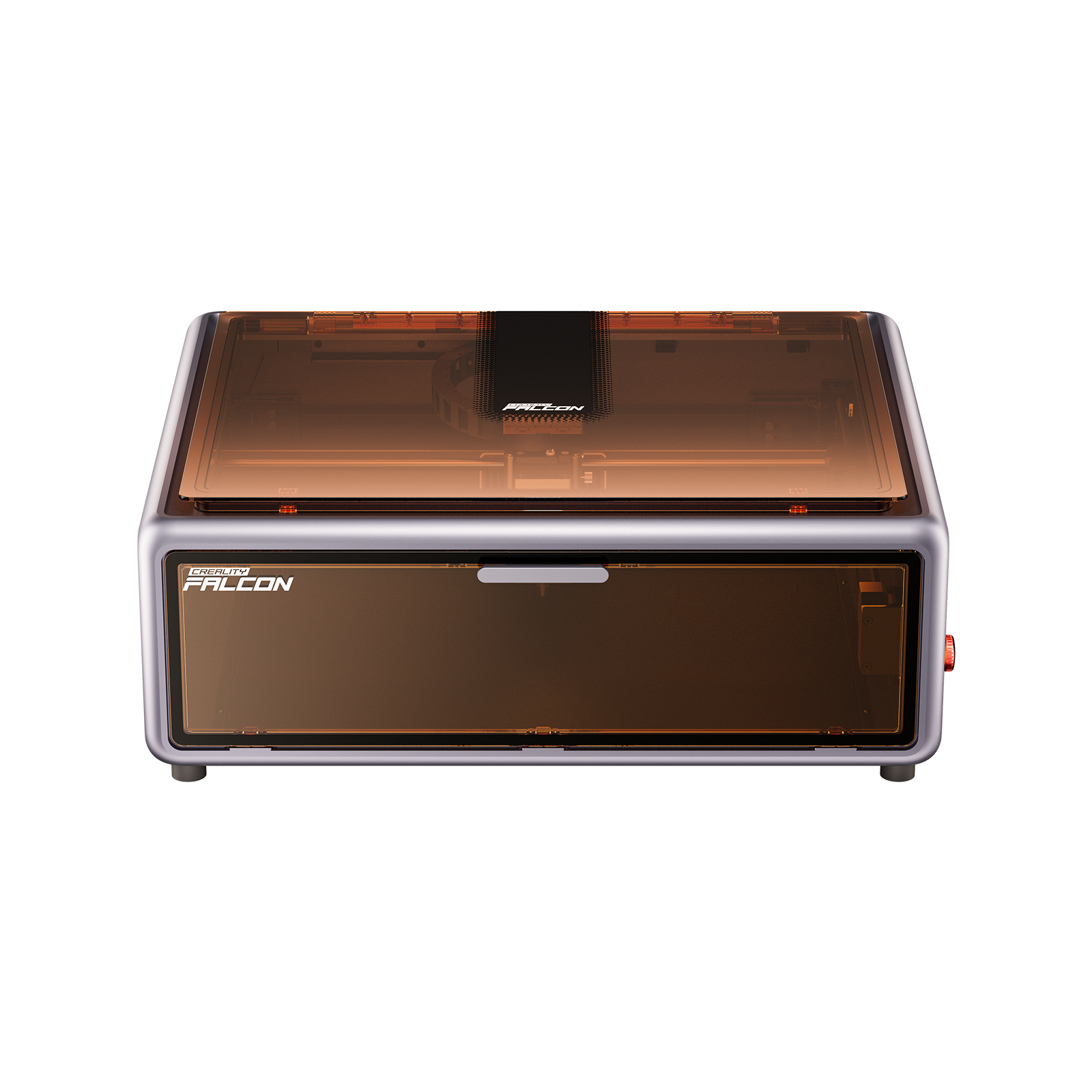
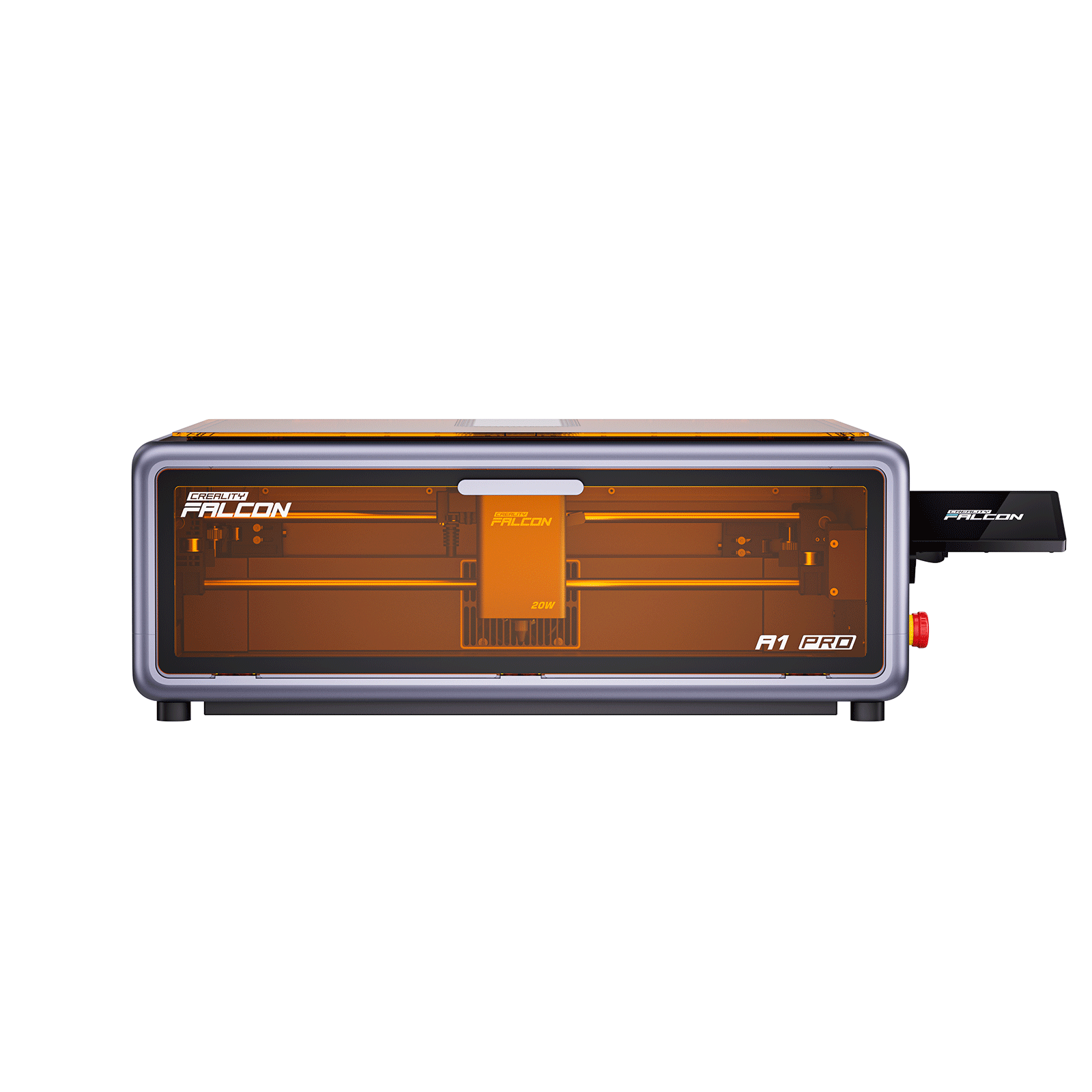
1. Creality Falcon A1 Pro
Why Choose This Product: The Creality Falcon A1 Pro is the best all-around beginner pick for users who want an enclosed diode laser with smart workflow features and enough power for real projects.

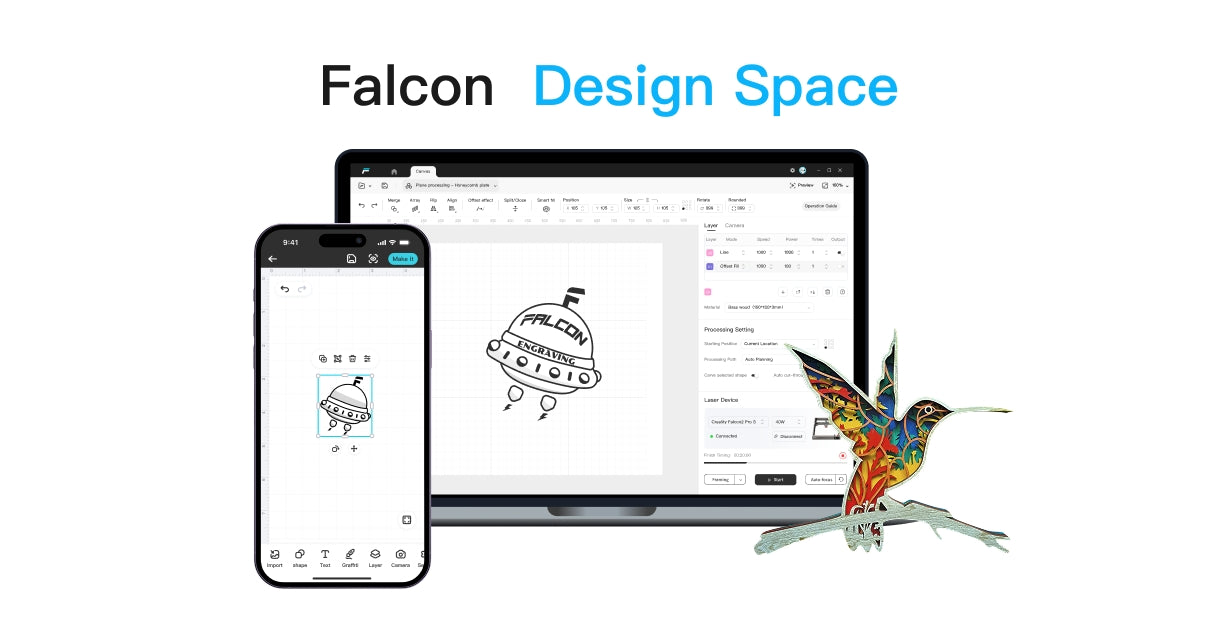
The Falcon A1 Pro is beginner-friendly because it combines an enclosed design, 20W diode power, AI visual autofocus, touchscreen control, app workflow, and support for Falcon Design Space, LightBurn, and LaserGRBL. It is suitable for wood gifts, leather items, paper crafts, cardboard projects, dark acrylic tests, labels, coasters, signs, and small batch personalization.
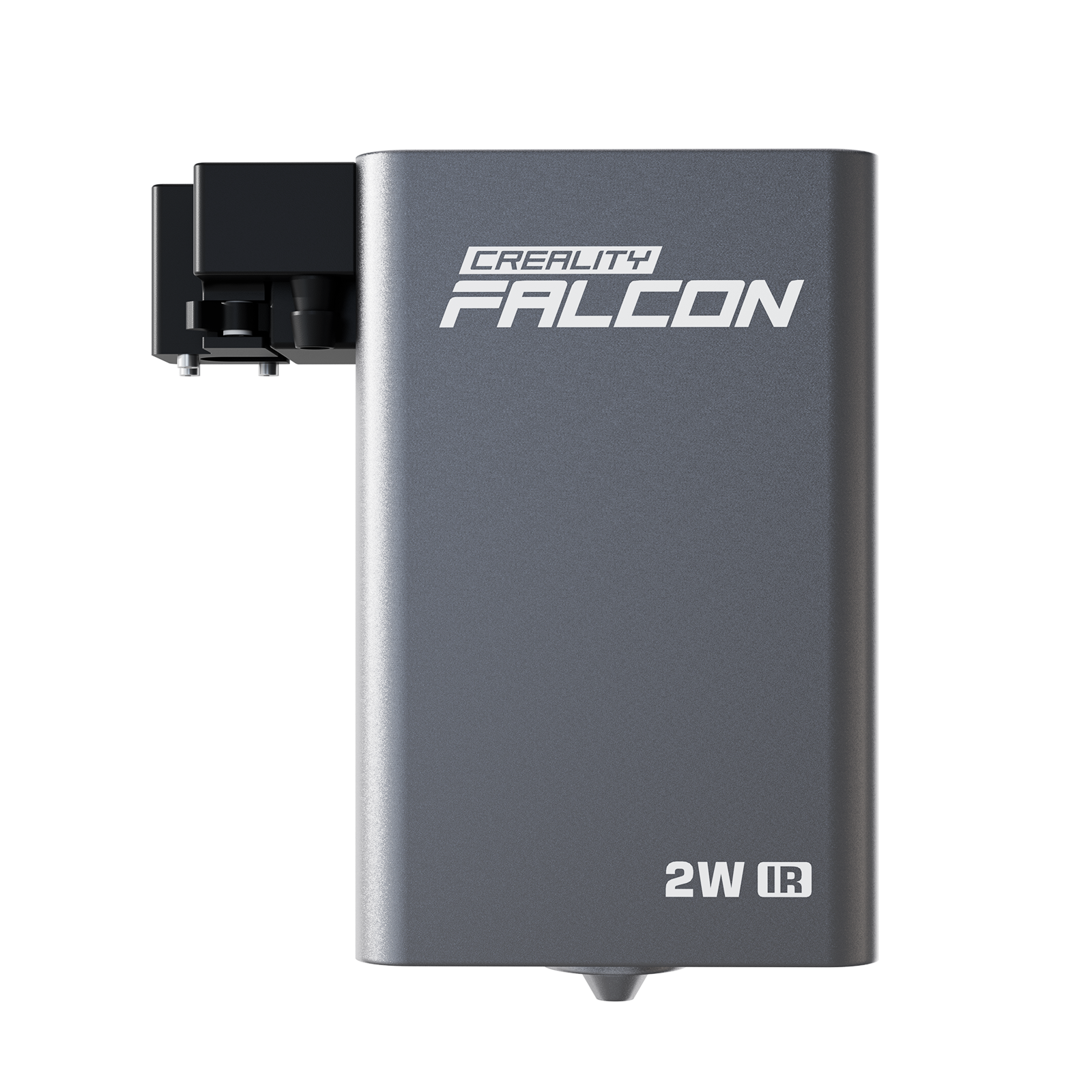
Its optional 2W IR module, depending on bundle or configuration, adds more flexibility for certain metal and plastic marking tasks. This does not make it a dedicated fiber laser, but it gives beginners more room to experiment as their project list grows.
- SPECS: 20W diode laser; optional 2W IR module depending on bundle or configuration; enclosed desktop design; AI visual autofocus; touchscreen and app control; Falcon Design Space, LightBurn, and LaserGRBL support.
- PROS: Enclosed design is easier for home and studio use.
- PROS: 20W power gives beginners room to grow beyond light engraving.
- PROS: Autofocus and visual workflow reduce setup friction.
- CONS: Clear acrylic cutting is still better handled by CO2 laser technology.
2. Creality Falcon CR
Why Choose This Product: The Creality Falcon CR is a budget-friendly entry option for users who want to try laser engraving without a large upfront investment.
The Falcon CR is best for simple engraving projects, small gifts, light wood marking, paper crafts, beginner practice, and learning basic laser workflow.
It is not the right choice for users who expect fast cutting or thicker material performance, but it can be a practical first step for hobby exploration.

If you are unsure whether laser crafting will become a regular hobby or business, a lower-wattage machine can help you learn design setup, focusing, material testing, and basic safety habits before upgrading later.
- SPECS: Low-wattage diode laser engraver and cutter; best for light engraving, thin materials, and beginner practice.
- PROS: Lower entry cost for first-time users.
- PROS: Good for learning basic engraving workflow.
- PROS: Suitable for simple gifts, paper, and light wood projects.
- CONS: Limited cutting speed and thickness compared with 20W or higher machines.
Essential Safety for New Laser Users
Laser safety is not optional. A laser machine combines concentrated light, heat, smoke, moving parts, and material fumes. Beginners should choose a safe setup before focusing on speed or power.
1. Use Eye Protection and Enclosures
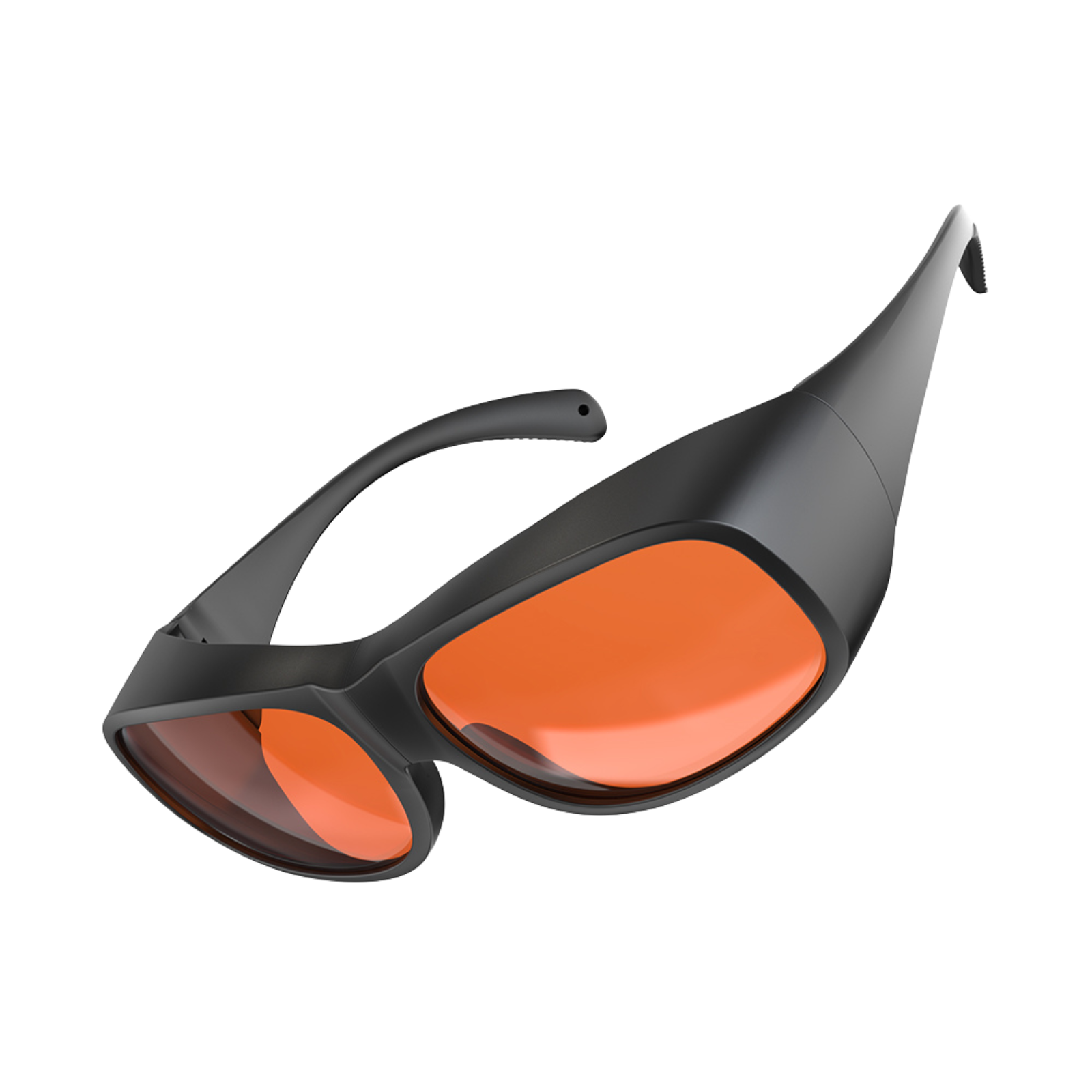
Use proper laser safety glasses when required, especially with open-frame machines. Enclosed machines reduce exposure risk, but users should still follow the manufacturer’s safety guidance and avoid bypassing safety systems.
Learn more about laser safety class before operating a machine regularly.
2. Plan Ventilation First
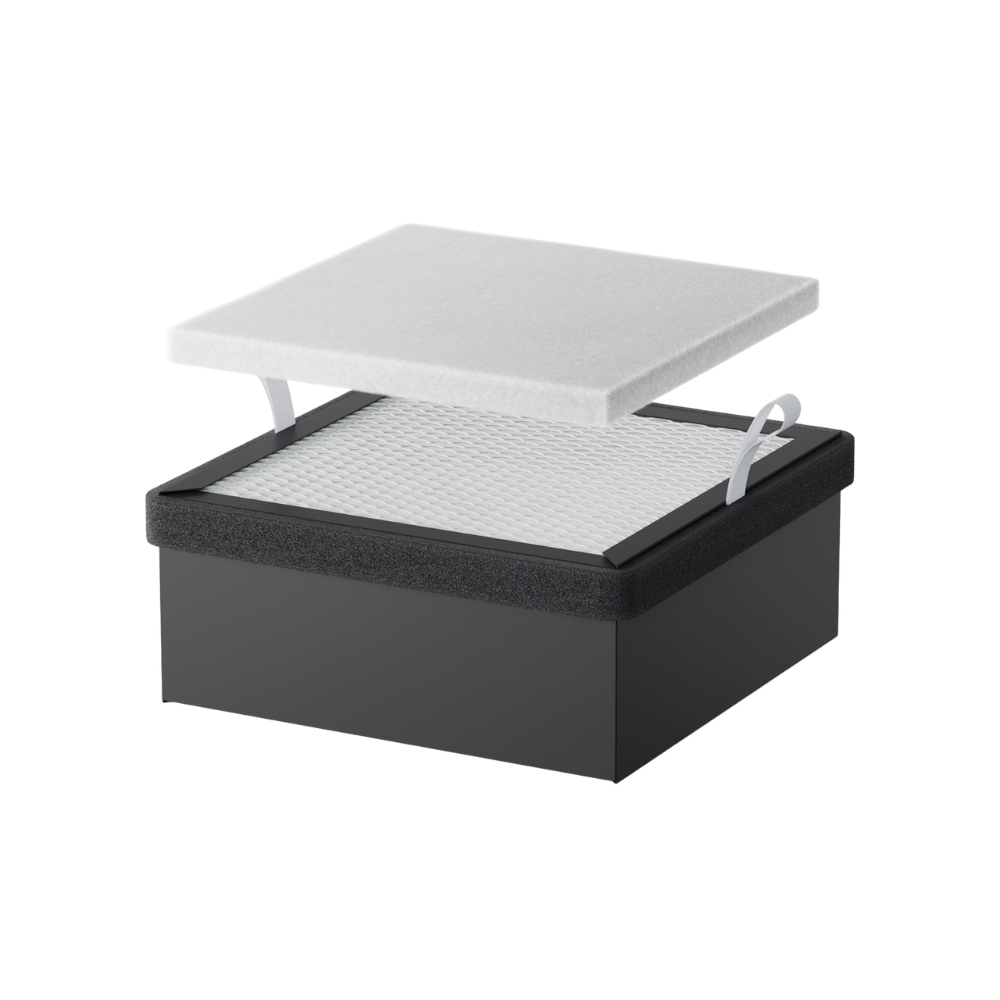
Laser cutting and engraving can produce smoke, fumes, odor, and fine particles. Use outdoor exhaust or a suitable fume extractor, especially when cutting wood, leather, acrylic, cardboard, or coated materials.
Never cut PVC, vinyl, or unknown plastics. Some materials release toxic or corrosive fumes that can harm users and damage the machine.
3. Never Leave the Machine Unattended
Fire risk is real, especially when cutting paper, cardboard, wood, leather, and other combustible materials. Stay near the machine, keep the work area clean, and keep a suitable fire extinguisher nearby.
If your machine or bundle includes air assist, use it when cutting smoky or flame-prone materials. If it does not include air assist, do not assume it is built in; check the package contents and accessory options first.
First Steps with Your New Laser
Once your machine arrives, do not start with a complex customer project. Begin with small tests so you can understand focus, speed, power, and material behavior.
- Unbox and assemble carefully: Follow the manual and do not rush alignment, wiring, or accessory installation.
- Install the software: Start with the recommended software, then explore LightBurn later if you need advanced control.
- Run a material test: Test speed and power on scrap material before using the final blank.
- Start with simple projects: Try coasters, keychains, gift tags, bookmarks, nameplates, or small ornaments.
- Save your settings: Keep notes for each material, thickness, and finish so your results become repeatable.
Common Beginner Questions Before You Buy
Common beginner concerns usually focus on safety, software, ventilation, material limits, and whether a cheaper machine will be outgrown too quickly. These are the right questions to ask before choosing a machine.
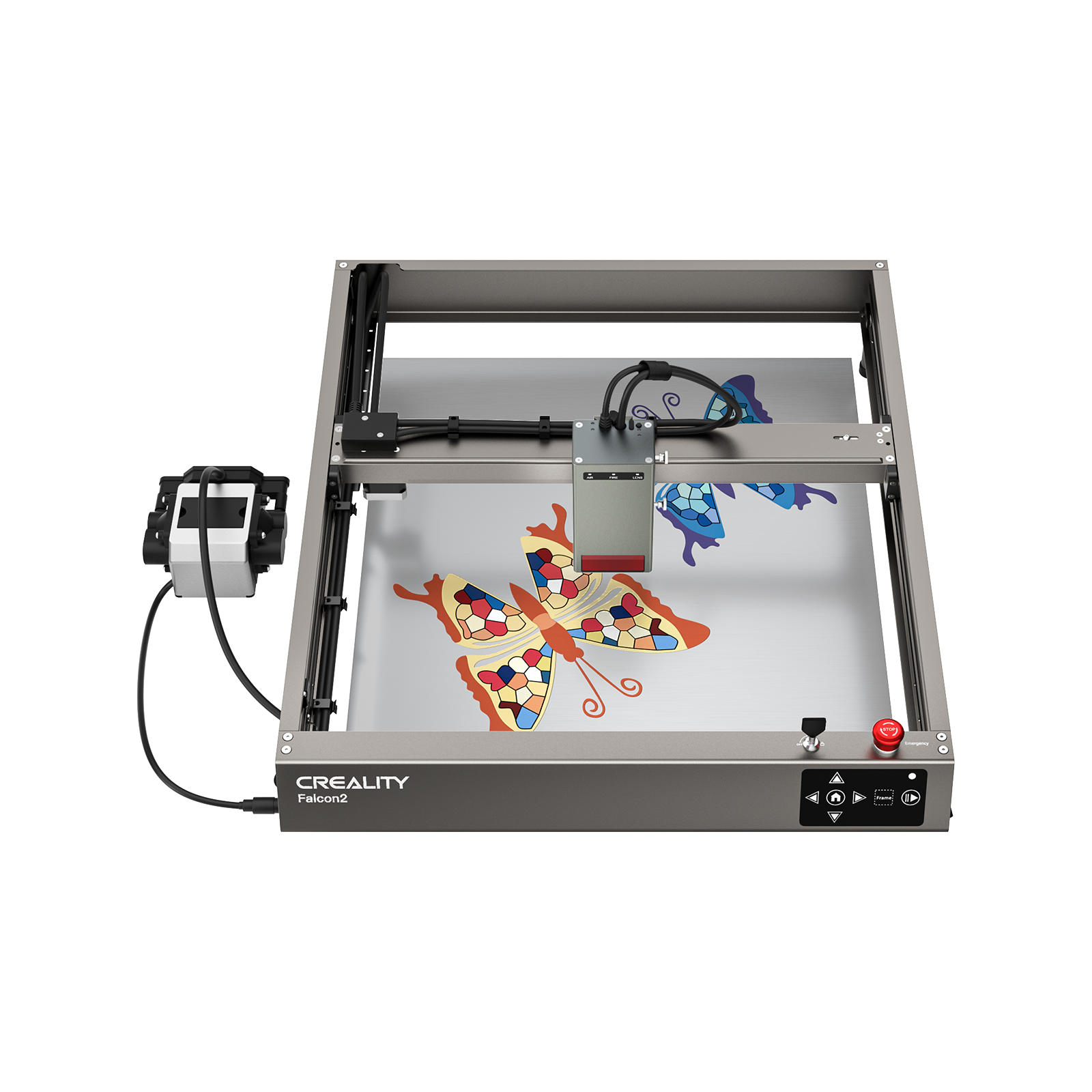
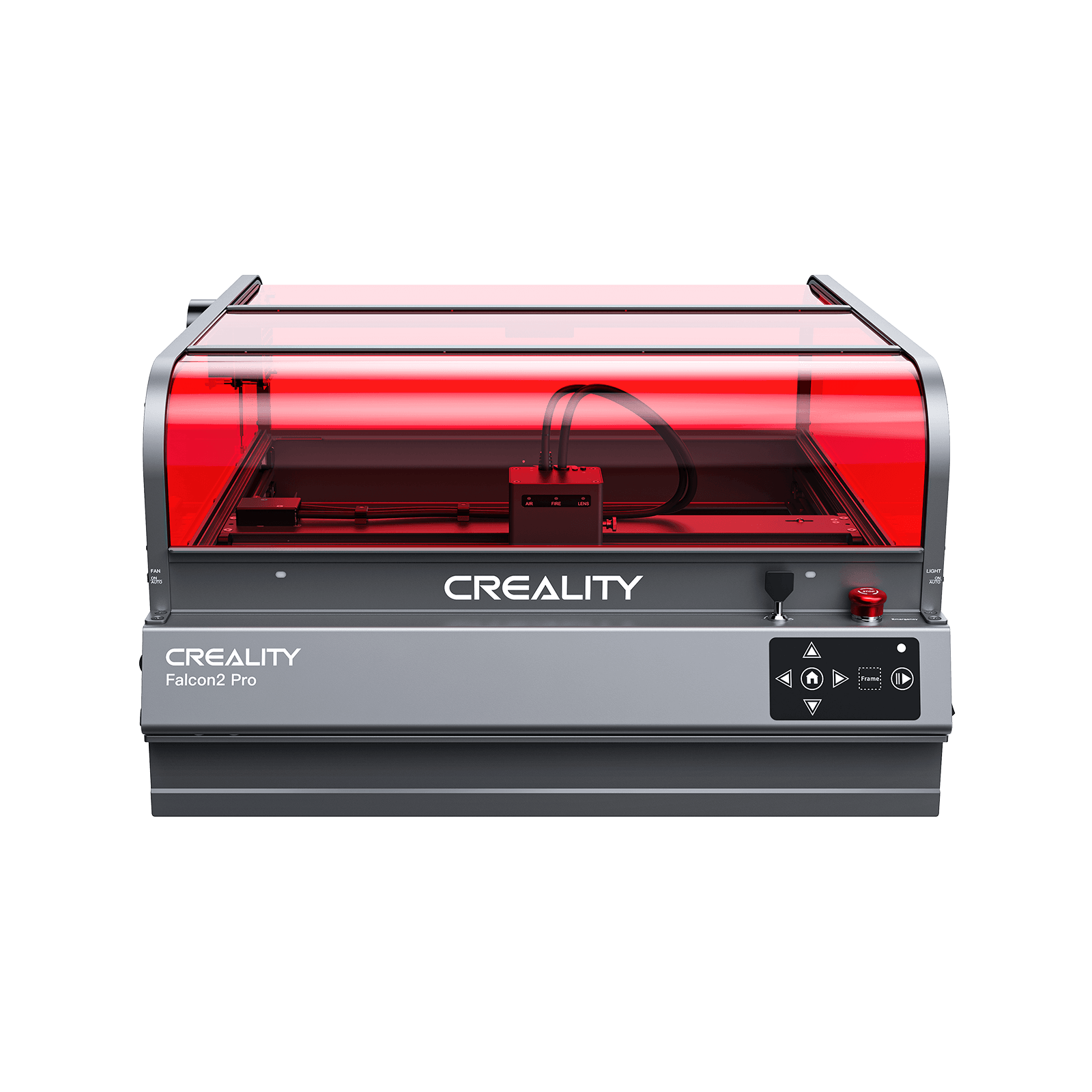
If you only want to explore light engraving, a budget model can be enough. If you want a safer enclosed workflow and stronger long-term flexibility, the Falcon A1 Pro is easier to recommend. If you plan to cut thicker wood or run a small business, Falcon2 Pro is the better growth option.
FAQ
1. What Is the Best Laser Engraver for Beginners?
For most beginners, the best choice is an enclosed diode laser with beginner-friendly software, enough power for common materials, and good safety features.
The Creality Falcon A1 Pro is a strong all-around option for this use case.
2. Should Beginners Choose a Diode or CO2 Laser?
Most beginners should start with a diode laser because it is smaller, more affordable, and easier to maintain.
Choose CO2 if clear acrylic or thicker non-metal cutting is your main goal from the start.
3. Can a Beginner Laser Cut Wood?
Yes, many beginner diode lasers can cut thin wood, especially basswood or thin plywood.
Cutting thickness depends on laser power, focus, air assist, wood type, glue content, and settings.
4. Can Diode Lasers Cut Clear Acrylic?
Usually not well.
Blue diode lasers struggle with clear acrylic because the material does not absorb that wavelength efficiently. CO2 lasers are usually better for clear acrylic cutting.
5. Do I Need Ventilation for a Laser Engraver?
Yes.
Laser engraving and cutting produce smoke, fumes, and particles. Vent outside or use a suitable fume extractor, especially when cutting wood, leather, acrylic, cardboard, or coated materials.
6. Is Falcon2 Pro Too Much for a Beginner?
It can be more machine than a casual beginner needs, but it is a good choice for ambitious users who want more cutting power, a larger workspace, and room for small business production.
Conclusion
Choosing the best laser engraver for beginners comes down to safety, materials, software, power, and upgrade room. A diode laser is usually the easiest starting point, while CO2 lasers make more sense for clear acrylic and heavier non-metal cutting.
If you want the safest all-around beginner path, the Creality Falcon A1 Pro is the strongest recommendation. If budget matters most, Falcon CR is a lower-cost starting point. If you already know you want larger projects and more cutting power, Falcon2 Pro gives you more room to grow.


Recent News

Creality Falcon 12th Anniversary Sale: How to Get the Best Deals
Discover the Creality Falcon 12th Anniversary Sale with up to $1500 off. Compare prices, find the biggest discounts,...

Top 5 xTool Alternatives & Competitors (2026 Edition)
In the market for a laser cutter but not sure about xTool? This Best 5 xTool Alternatives (2026...

Cutting Acrylic with a Laser Cutter: Complete Guide
Learn how to cut acrylic with a laser cutter, including settings, safety tips, cast vs extruded acrylic, and...