


























5 Types of Laser Cutters: (Diode, CO₂, Fiber, IR, UV)

When exploring laser cutting, you’ll often hear people loosely refer to five laser system types used across maker projects and industrial workshops.
That shorthand works well in conversation—but if we zoom in from a device-engineering perspective, only three are truly standalone, purpose-built cutter classes.
The other two play important roles in precision processing, yet aren’t designed as independent material cutting devices at desktop power levels.
Here’s a clear, accurate breakdown to help you have a better understanding of the laser engraver or laser cutter.
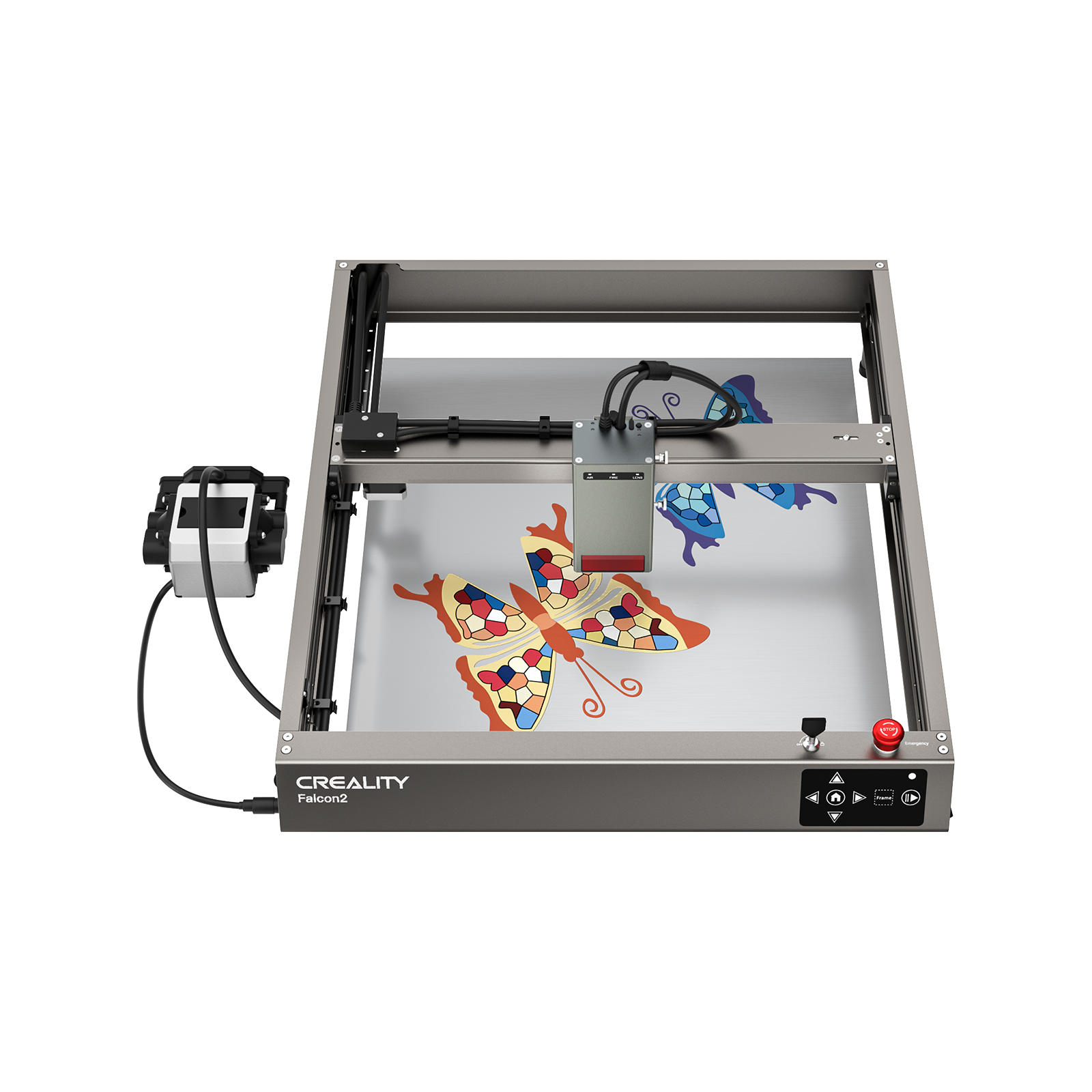
Type 1: Diode Laser Cutters
Let’s start with the entry point most makers encounter first. Diode laser cutters use semiconductor diodes as the gain medium, typically emitting visible blue light around 445–455 nm.
They dominate the desktop cutting segment, where heat is used to ablate or carbonize material, and most machines run on efficient air-cooling without complex optical paths.
Best materials:
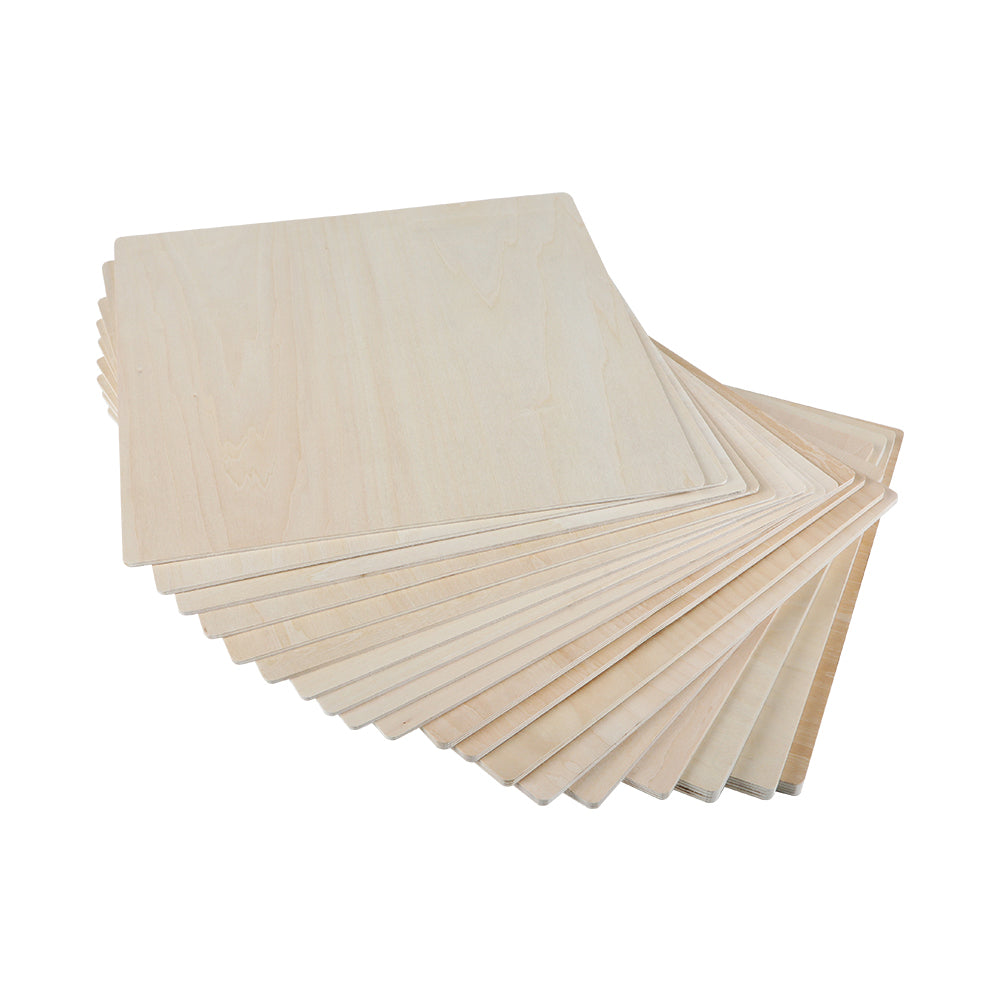
- Plywood, basswood, MDF boards
- Dark or colored acrylic (PMMA)
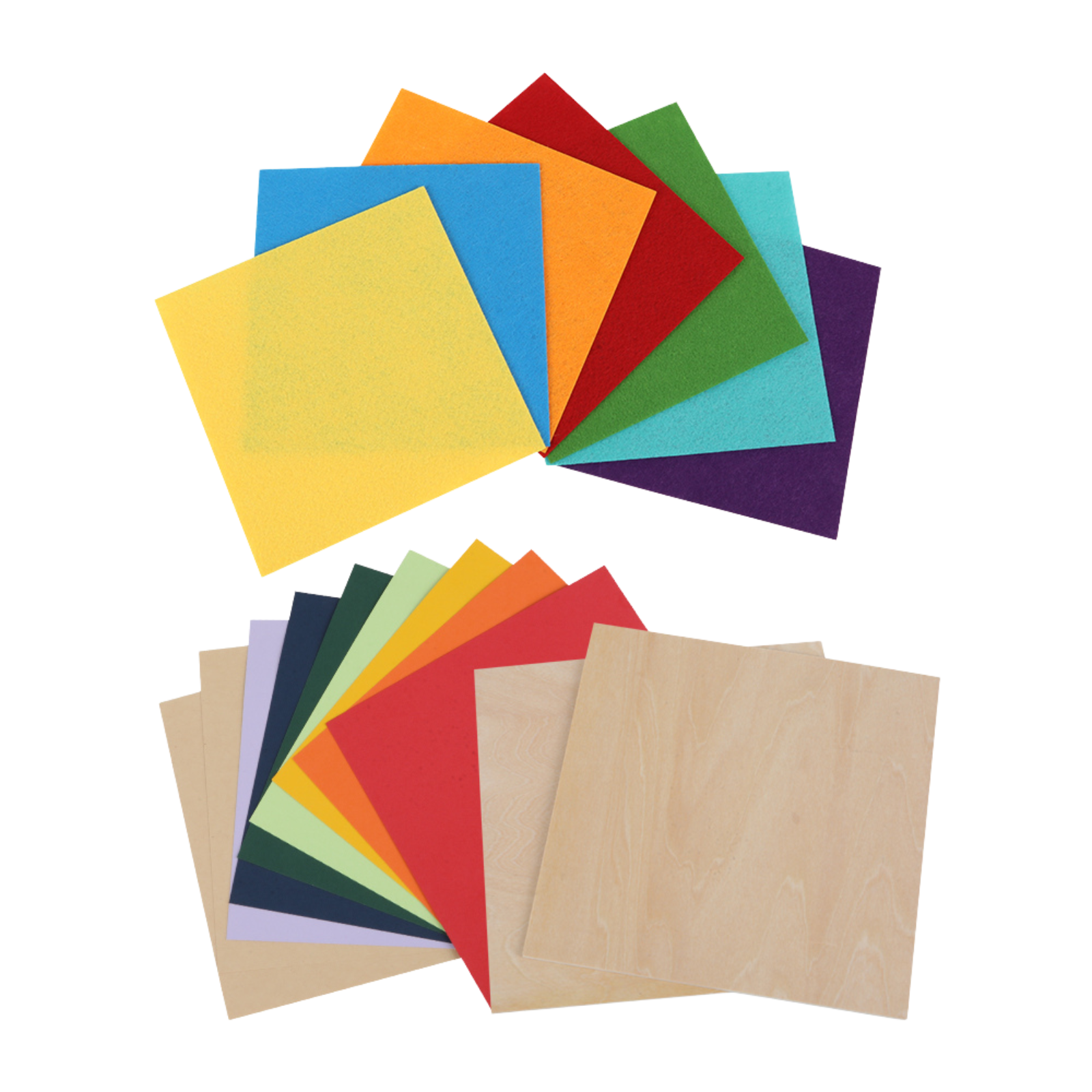
- Paper, cardstock, thin fabric sheets
- Leather, cork surfaces
- Painted or coated metals (engraving, not cutting)
Popular maker uses: Custom gifts, art crafts, ornaments, textile patterns.
Core advantages: Small footprint, low upkeep, and a gentle learning curve with software ecosystems like LightBurn support or third-party design libraries.

Type 2: CO2 Laser Cutters
Stepping up in versatility, CO₂ laser cutters rely on a sealed gas mixture excited inside a glass tube or RF tube to generate a 10.6-micron far-infrared beam.
The beam is guided by mirrors and focused through a lens onto the surface.
This system is a favorite for non-metal cutting, especially when working with clear or semi-transparent materials that absorb infrared wavelengths extremely well.
Best materials:
- Clear or colored acrylic (PMMA)
- Wood, bamboo, MDF boards
- Fabric, felt, paper, rubber sheets
- Glass, stone (engraving, not surface cutting)
Common commercial environments: Sign shops, gift engraving studios, textile sample rooms.
System considerations: Usually pairs with water cooling or chillers, strong ventilation, and periodic optics cleaning.
Headline benefit: A reliable choice for transparent materials that diode lasers struggle to handle cleanly.

Type 3: Fiber Laser Cutters
Now we shift into the industrial heartland.
Fiber laser cutters are solid-state systems where pump diodes energize Yb-doped optical fiber to produce a highly concentrated 1064 nm near-infrared (NIR) beam.
The beam travels through flexible fiber directly to the cutting head—no mirror alignment required for delivery.
This architecture powers the industry default metal cutting category, using assist gas to blow through a molten metal pool and form a clean cut.
Best metals:
- Stainless steel, carbon steel
- Copper, brass
- Aluminium (at industrial power levels)
Not ideal for: Transparent materials like glass or clear acrylic.
Typical industrial contexts: 3C manufacturing, automotive, aerospace, hardware fabrication.
Core advantages: Fast metal cutting, ultra-narrow kerf, long source lifespan (100,000+ hours), and the lowest optical maintenance load among cutter pillars.

Type 4: UV Laser Cutters
You might expect UV to be the next big cutter class—after all, it can cut in advanced industrial micromachining.
But here’s the reality most relevant to desktop users:
Clarification: Although UV lasers (355 nm) can be used in high-precision industrial cutting systems, most desktop or low-power UV machines are not engineered for material cutting as their primary purpose.
The industry categorizes them as:
- UV micromachining systems, or cold laser marking/processing units
They’re precision tools, but not independent laser cutter device pillars in the desktop segment.
- Primary real-world uses:
- PCB scribing or trace sampling
- Polymer marking
- Ultra-fine surface processing
Benefits: Low heat affected zone (HAZ), sharp micro-detail, minimal burning or material distortion.

Type 5: IR Laser Cutters
Same story here for IR alone:
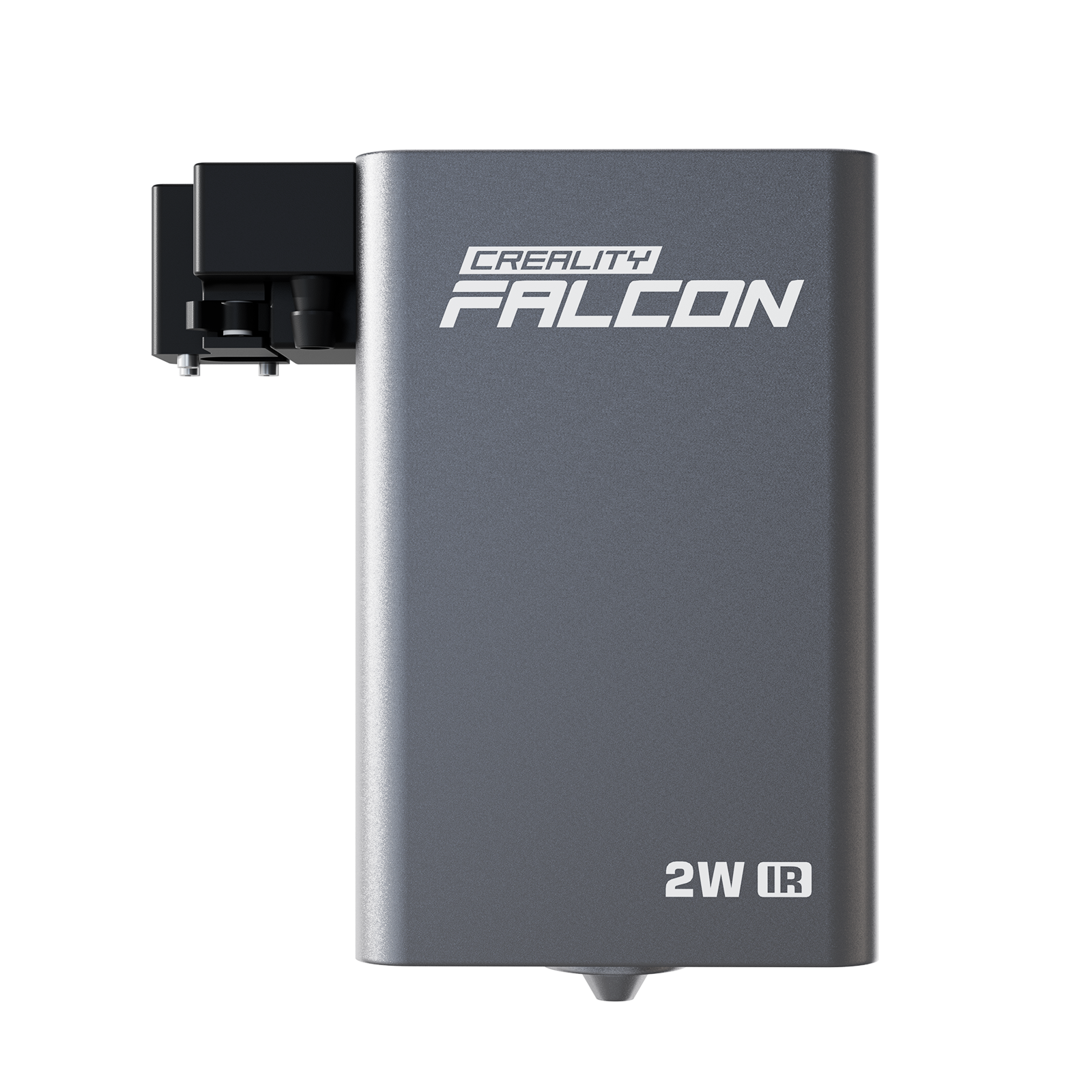
Clarification: The 1064 nm IR diode units commonly found on desktop machines are most often add-on modules mounted onto diode or fiber platforms.
Despite operating in the infrared band, they are not designed as standalone laser cutters for material cutting.
They fall into the category of:
- IR laser marking systems, or high-precision engraving modules
So while IR wavelengths are central to industrial metal cutting (via fiber), desktop IR units serve precision marking—not independent cutting roles.
Primary real-world uses:
- Bare metal, ultra-fine engraving
- ABS and opaque polymer marking
- Artistic metallic detail work
Benefits: Higher engraving precision on raw metals than blue diode lasers, but not a separate cutting device pillar.

Clarification: There Are Only 3 Types of Laser Cutters
When you first dive into laser cutting, it’s easy to assume that every laser wavelength represents a separate cutter category—but that’s not how the industry defines it.
In the laser cutting field, devices are fundamentally classified by their laser gain medium, not by wavebands alone.
The only standalone, purpose-engineered laser cutter categories are: Diode, CO₂, and Fiber lasers.
While UV (355 nm) and IR (1064 nm) systems are commonly referenced due to their wavelength characteristics, most desktop-grade UV units and add-on IR diode modules are not designed for primary material cutting.
Instead, they fall under laser marking or micromachining systems, typically used for precision engraving, polymer marking, or ultra-fine micro-processing.
So, in proper device taxonomy, the cutting world stands on three true pillars:
- Blue diode lasers (affordable and compact for organic materials)
- CO₂ gas lasers (10.6 µm—excellent for transparent and non-metal cutting)
- Yb-doped fiber lasers (1064 nm NIR—the high-energy industrial backbone for metal melt-cutting).
The End
Now you have the full picture.
It’s fine to reference five commonly encountered laser processing systems, but the industry’s device-engineering taxonomy stands on three true, engineered cutter pillars—Diode, CO₂, and Fiber.
Desktop UV and IR modules remain crucial precision tools, yet they belong to the laser marking and micromachining domain, not independent material-cutting machine classes.
With this clarity, you’re ready to make an informed and confident choice.
Keep experimenting, keep creating, and most importantly—choose the laser that fits your material, workflow, and ambitions.
Recent News

CNC Vs Laser Cutter Which Tool Is Right For You
Compare CNC vs laser cutter tools for wood, acrylic, metal, 3D carving, precision, safety, and beginner projects to...

Best Woodworking Laser Cutter Buyer's Guide
Compare the best woodworking laser cutters for 2026, including CO2 and high-power diode machines for wood signs, engraving,...

How Much Is A Laser Cutter In 2026 Cost Guide
Learn how much a laser cutter costs in 2026, from diode and CO2 machines to hidden costs, beginner...