

























Acrylic Sheets for Laser Cutting: A Buyer’s Guide

Choosing the right acrylic sheets for laser cutting can make the difference between clean, professional results and frustrating trial-and-error.
Not all acrylic is created equal, and factors like manufacturing method, thickness, finish, and quality directly affect cutting performance, edge clarity, and engraving quality.
This guide focuses on how to choose acrylic sheets before you buy, helping you match the material to your laser cutter, project goals, and budget.
Why Is Acrylic Popular for Laser Cutting
Acrylic, also known as PMMA, is one of the most widely used materials in laser cutting.
Here are the two main reasons why acrylic is widely used in laser cutting.
1. Affordable and Cost-Effective
Acrylic is relatively inexpensive compared with materials like metal or glass, making it a practical choice for both hobbyists and small businesses.
It is also widely available in standard sheet sizes and thicknesses, which helps keep material costs stable.
In addition, laser cutting acrylic produces clean edges with minimal post-processing, reducing extra labor and production costs.

2. Practical and Easy to Work With
Acrylic is a highly practical material for laser processing.
It cuts and engraves reliably with laser machines, producing smooth edges and clear engraving results.
The material is also lightweight, durable, and consistent in quality, making it easy to handle during fabrication.
Because it has no grain like wood and behaves predictably during cutting, it is suitable for both beginners and experienced users.
Understanding Cast vs. Extruded Acrylic: Key Differences
The most important choice when buying acrylic sheets is cast vs. extruded.
1. Cast Acrylic (Best Overall for Laser Cutting)
Cast acrylic is made by pouring liquid acrylic into molds.
Pros
- Produces a frosted white engraving
- Cleaner cuts with less melting
- Better edge quality on thicker sheets
- More forgiving for detailed engraving
Cons
- Higher cost
- Slight thickness variation between sheets
Best for:
Engraving, premium projects, signage, thicker acrylic, and professional results.
2. Extruded Acrylic (Budget-Friendly Option)
Extruded acrylic is produced by pushing acrylic through rollers.
Pros
- Lower cost
- Very consistent thickness
- Easier to source in large sheets
Cons
- Melts more during cutting
- Engraving appears clear, not frosted
- Edges may look less polished
Best for:
Simple cutting jobs, cost-sensitive projects, thermoforming, and clear engravings.
Buyer tip:
- If engraving quality matters, choose cast acrylic.
- If cost and thickness consistency matter more, extruded acrylic may be sufficient.

4 Steps to Choose the Right Acrylic Sheets for Laser Cutting
The right acrylic for laser engraving or cutting depends on the specific project, material type, color, and thickness.
Balancing these factors helps you achieve cleaner cuts, better engraving quality, and more professional-looking results.
Here are the detailed steps:
Step 1: Start with Your Project
The first step is to think about what you want to create, because different projects require different types of acrylic.
Examples:
- Keychains or jewelry: thin acrylic (1–3 mm)
- Signs or decorative panels: 3–5 mm acrylic
- Display stands or structural pieces: 5–10 mm acrylic
- LED edge-lit designs: clear cast acrylic
Choosing acrylic based on the final application helps ensure better durability and appearance.
Step 2: Choose the Right Acrylic Type (Cast vs. Extruded)
Acrylic sheets are mainly produced in two types: cast acrylic and extruded acrylic.
Cast acrylic
- better for laser engraving
- produces a frosted engraving effect
- slightly more expensive
Extruded acrylic
- usually cheaper
- cuts very smoothly
- engraving contrast may be weaker
If your project involves a lot of engraving, cast acrylic is generally the better choice.
Step 3: Select the Right Color and Finish
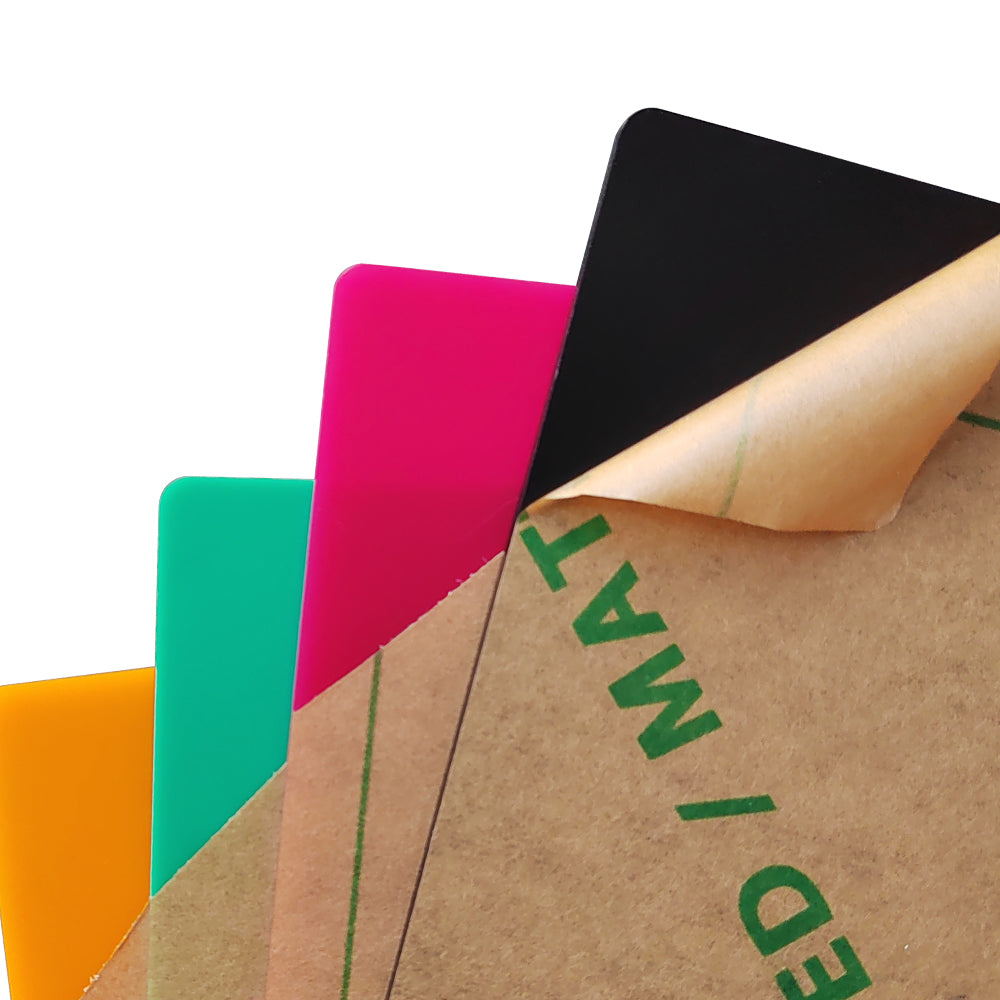
Acrylic comes in many colors and finishes, which affects the visual effect of engraving and cutting.
- Clear acrylic: ideal for edge-lit signs and modern designs
- Opaque colored acrylic: provides strong engraving contrast
- Frosted acrylic: good for decorative lighting effects
- Dark colors: usually produce clearer engraved details
Choosing the right finish helps improve visibility and overall design impact.

Step 4: Pick the Appropriate Thickness
Thickness affects both cutting difficulty and the strength of the final product.
Thicker acrylic provides more durability but requires more laser power to cut effectively.
- 1–2 mm: ideal for small crafts, jewelry, and layered designs
- 3 mm: the most common choice for signs, ornaments, and keychains
- 5–10 mm: suitable for stronger parts such as display stands or structural components
It’s also important to consider your machine’s optical power.
Lower-power diode lasers typically handle thinner acrylic more easily, while thicker sheets usually require higher laser power or multiple passes.
For most laser projects, 3 mm acrylic offers the best balance between strength and ease of cutting.
Where to Buy Acrylic Sheets for Laser Cutting
Finding the right acrylic sheet is just as important as choosing the right laser settings.
High-quality acrylic can improve cutting performance, edge finish, and engraving clarity.
Fortunately, acrylic sheets are widely available from several types of suppliers.
Depending on your needs—such as price, variety, or convenience—you can choose from local plastic suppliers, specialized online stores, or common hardware retailers.
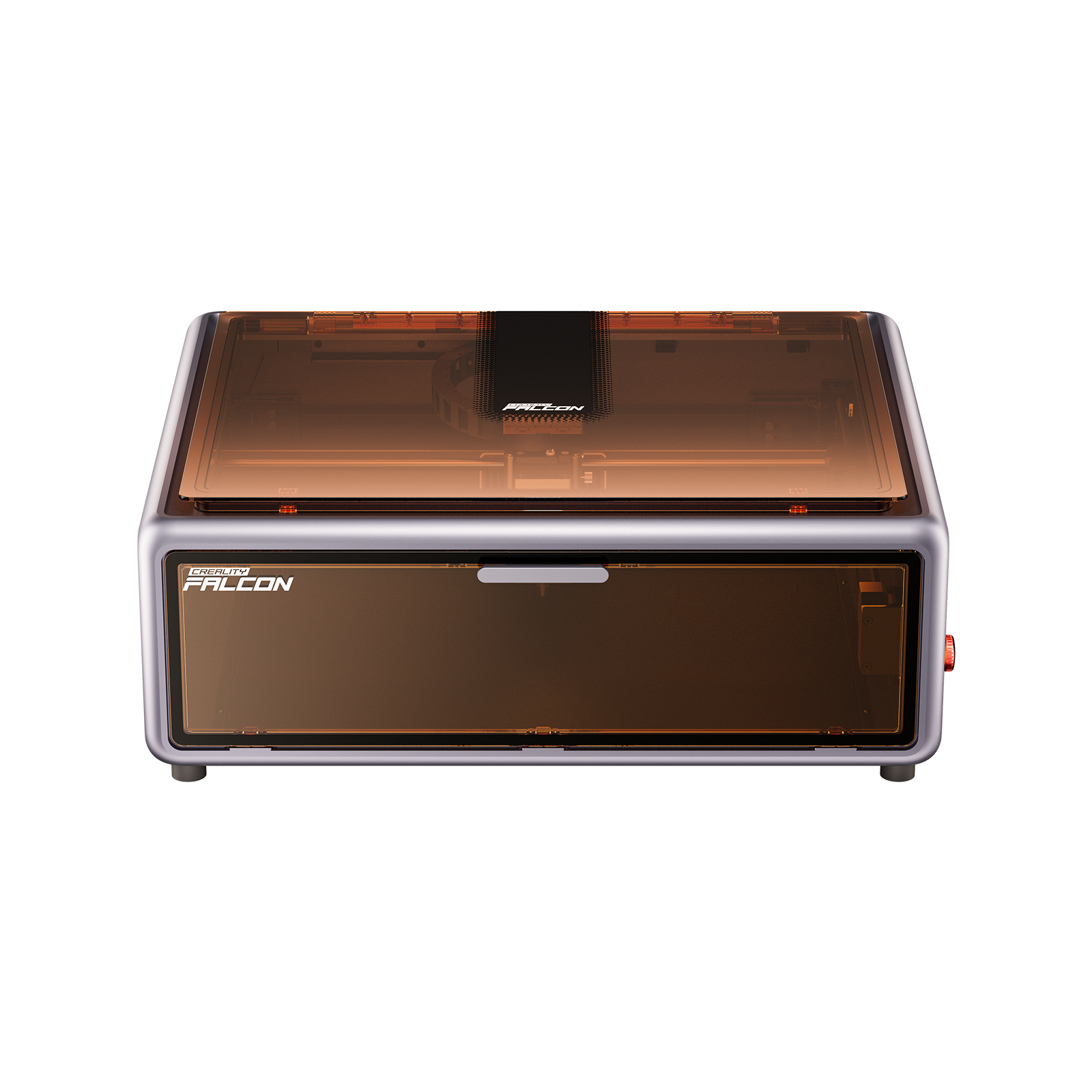
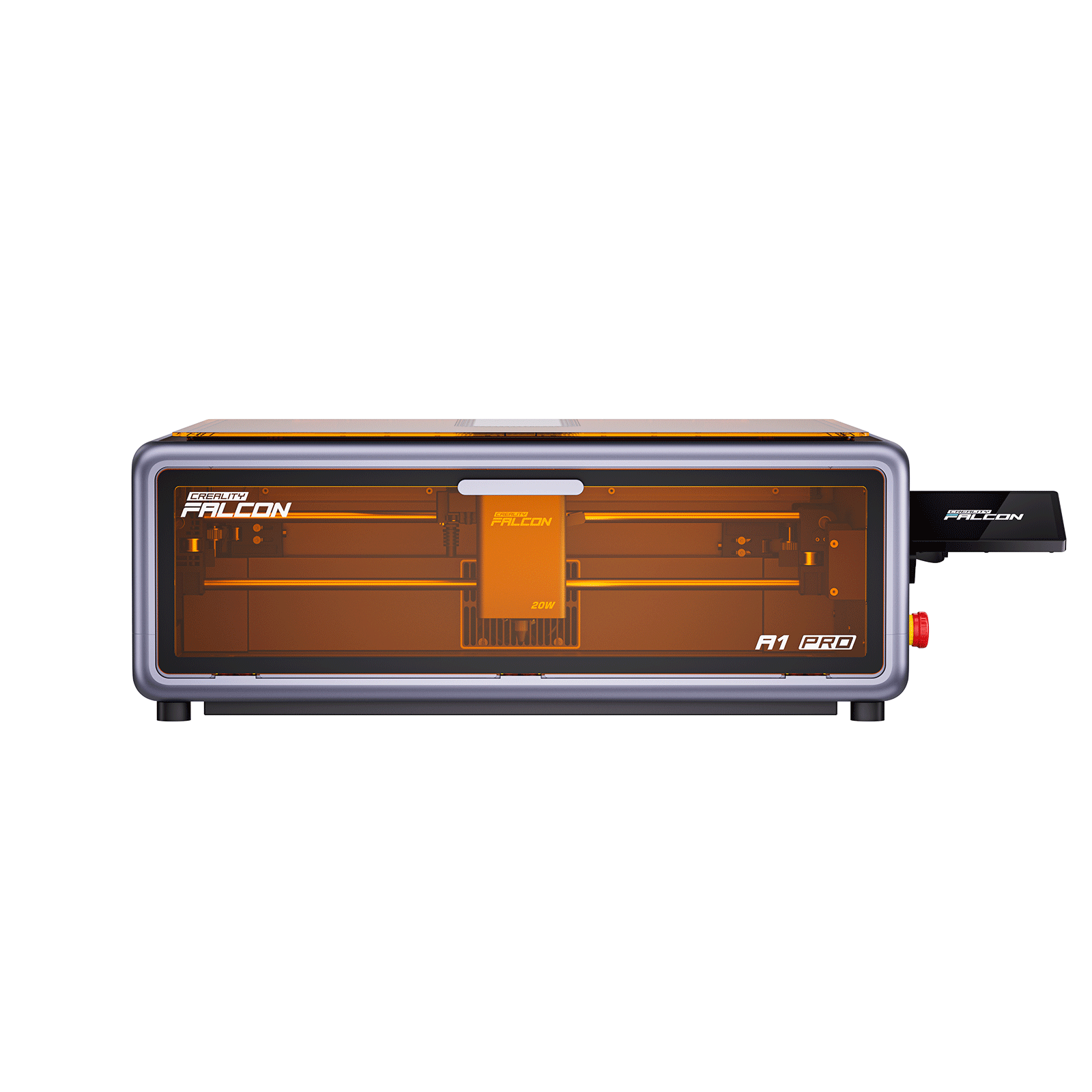
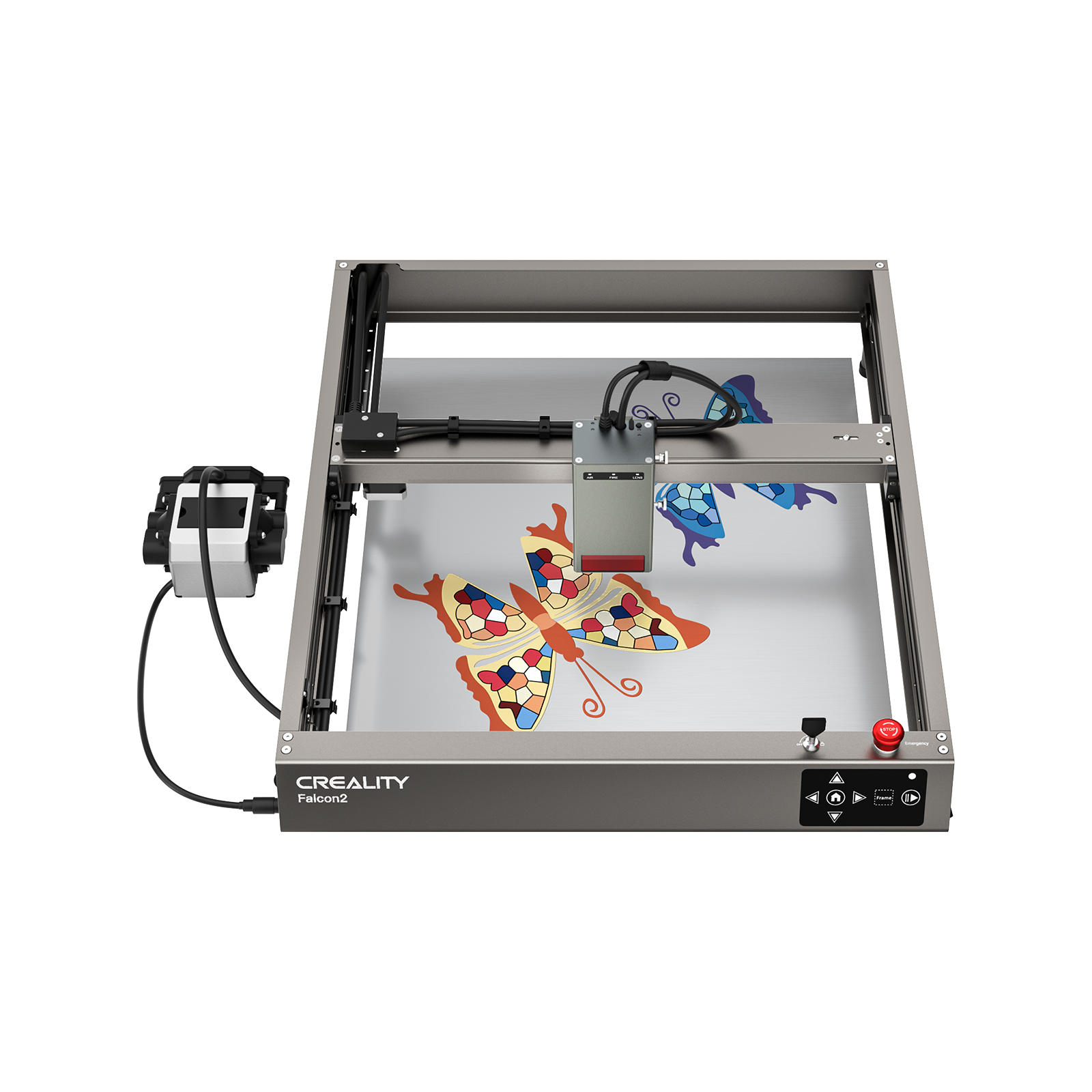
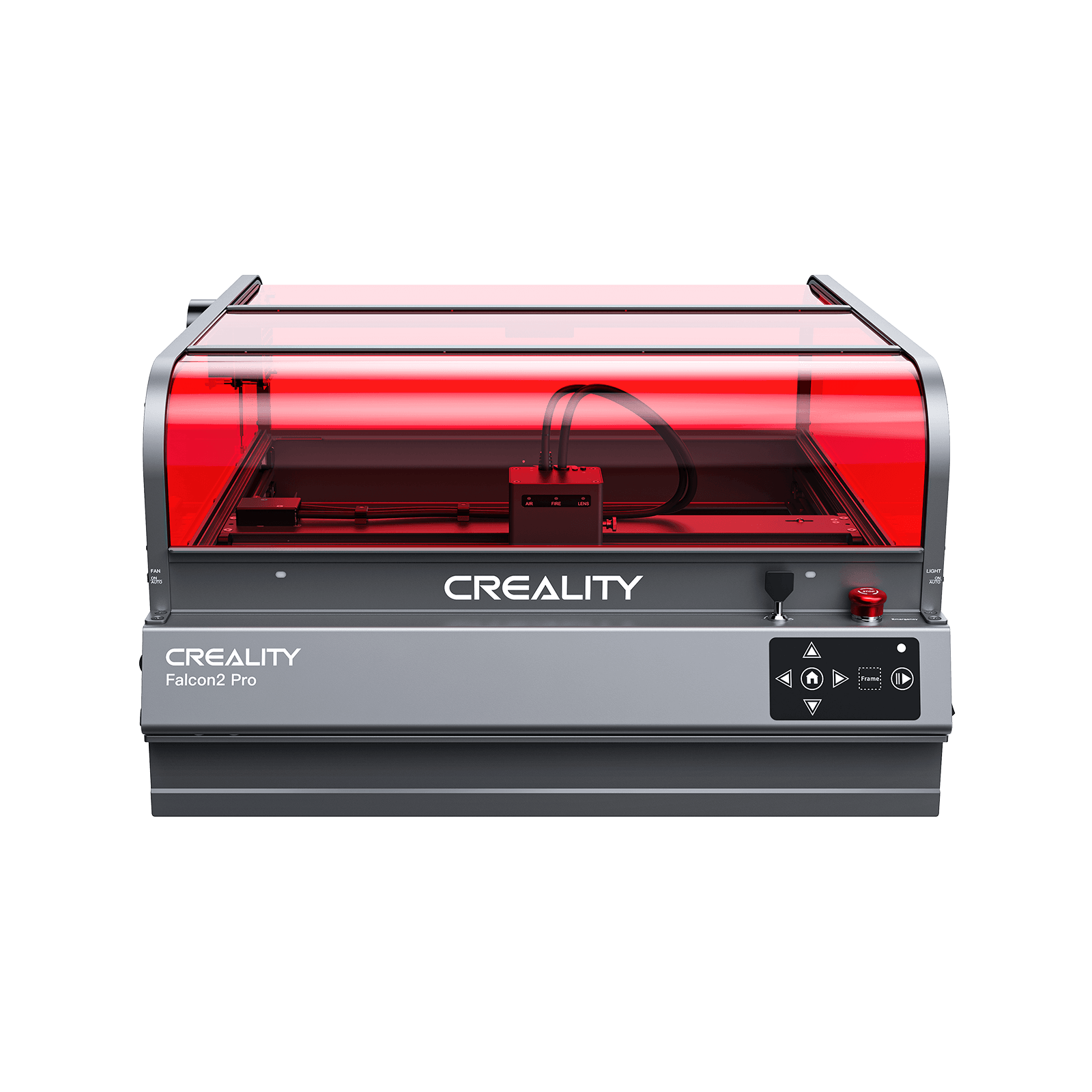
1. Online Laser Material Stores (e.g., Creality Falcon)
Online stores that specialize in laser engraving materials are another convenient option.
Brands like Creality Falcon and other laser-focused suppliers often offer pre-sized acrylic sheets designed for laser machines.
Benefits of buying from online laser material stores include:
- acrylic sheets optimized for laser engraving and cutting
- standard sizes that fit desktop laser engravers
- a wide range of colors, finishes, and thicknesses
- convenient shipping directly to your workshop
For beginners or hobbyists, these stores make it easier to find materials that are already compatible with laser machines.

2. Hardware Stores
Large hardware stores are also a common place to find acrylic sheets, especially for basic projects or quick purchases.
Stores such as home improvement retailers often carry clear acrylic panels in common sizes.
Advantages include:
- easy access and immediate availability
- suitable for simple projects or testing materials
- often affordable for small quantities
However, hardware store acrylic is usually extruded acrylic with limited color and thickness options, which may not always provide the best engraving results compared with specialized laser materials.
3. Local Plastic Suppliers
Local plastic suppliers are often one of the best places to buy acrylic sheets if you want high-quality materials and more size options.
These suppliers usually provide both cast and extruded acrylic, along with a variety of thicknesses, colors, and finishes.
Advantages of buying from local suppliers include:
- the ability to inspect the material before purchasing
- access to custom-cut sheet sizes
- professional advice on choosing the right type of acrylic
This option is especially useful for small businesses, workshops, or makers who regularly use acrylic and need consistent material quality.
Conclusion
Buying the right acrylic sheets for laser cutting isn’t about choosing the cheapest option—it’s about matching material type, thickness, and finish to your project goals and laser machine.
For most users, cast acrylic in 3 mm thickness offers the best balance of engraving quality, clean cuts, and professional appearance.
By sourcing laser-safe PMMA, avoiding unsafe plastics, and paying attention to sheet quality and finish, you’ll dramatically reduce failed cuts and improve your final results.
With the right acrylic sheets, laser cutting becomes more predictable, efficient, and visually impressive—allowing you to focus on creativity instead of material problems.
Recent News

12 World Cup Laser Engraving Ideas for Fans
Explore world cup laser engraving ideas for fan gifts, tumblers, coasters, signs, and safe soccer-inspired designs makers can...

What Materials Does a Laser Cutter Cut Safely
Find out what materials does a laser cutter cut, which plastics to avoid, and how CO2, diode, and...

7 Best Laser Engravers Under $1000
Quick Answer:The best laser engraver under $1000 should be chosen by total setup cost, not machine price alone.For most...