

























Beginners’ Guide: How to Master Glass Engraving

Glass engraving transforms ordinary glassware into personalized art, decorative pieces, and professional awards.
From drinkware and coasters to decorative panels and custom gifts, engraved glass offers a clean and elegant finish that works well in both craft and commercial projects.
Several methods can engrave glass, including rotary tools, sandblasting, and chemical etching.
However, using a laser engraver has become one of the most popular modern approaches because it offers precise control, repeatable results, and minimal manual effort.
This guide explains the main engraving techniques, project planning tips, essential tools, and how laser engraving machines simplify the process for beginners and small workshops.
3 Main Glass Engraving Techniques
Several methods can create designs on glass surfaces. Each technique works best for different project types.
1. Rotary Engraving Pan
An engraving pen is a handheld tool that uses a small rotating diamond or carbide tip to carve lines directly into the glass surface.
This method works well for small objects such as wine glasses, bottles, and trophies because the pen can easily follow curved surfaces.
Advantages
- Equipment cost is very affordable
- Easy to start for small DIY projects
- Works well on curved glass surfaces
- Portable and simple to operate
Disadvantages
- Requires steady hand control and practice
- Difficult to achieve very fine or consistent details
- Slower than machine engraving for complex designs
- Higher risk of uneven lines or glass chipping
For beginners, engraving pens are accessible entry tools, but achieving professional-quality results often requires significant manual skill and patience.
2. Sandblasting
Sandblasting uses compressed air to spray abrasive particles onto the glass surface through a stencil mask.
The exposed areas become frosted or etched.
This technique is commonly used for large glass panels, signage, and decorative architectural glass.
Advantages
- Produces deep and even frosted surfaces
- Ideal for large designs and large glass panels
- Durable engraving results
Disadvantages
- Requires specialized equipment (compressor, blasting cabinet)
- Setup process is complex
- Not ideal for small personal workshops
- Hard to produce very fine details
Because of the equipment requirements, sandblasting is more commonly used in industrial or professional engraving shops.
3. Laser Engraving (Most Practical for Individuals)
Laser engraving uses a focused laser beam to create tiny fractures on the glass surface, producing a frosted engraving effect.
The design is controlled digitally, allowing precise and repeatable engraving.
Advantages
- Very high precision and detail
- Fully digital workflow from design to engraving
- Suitable for both small projects and batch production
- Easier for beginners once the machine is set up
- Works well for personalized gifts and custom products
Disadvantages
- Higher equipment cost than basic rotary tools
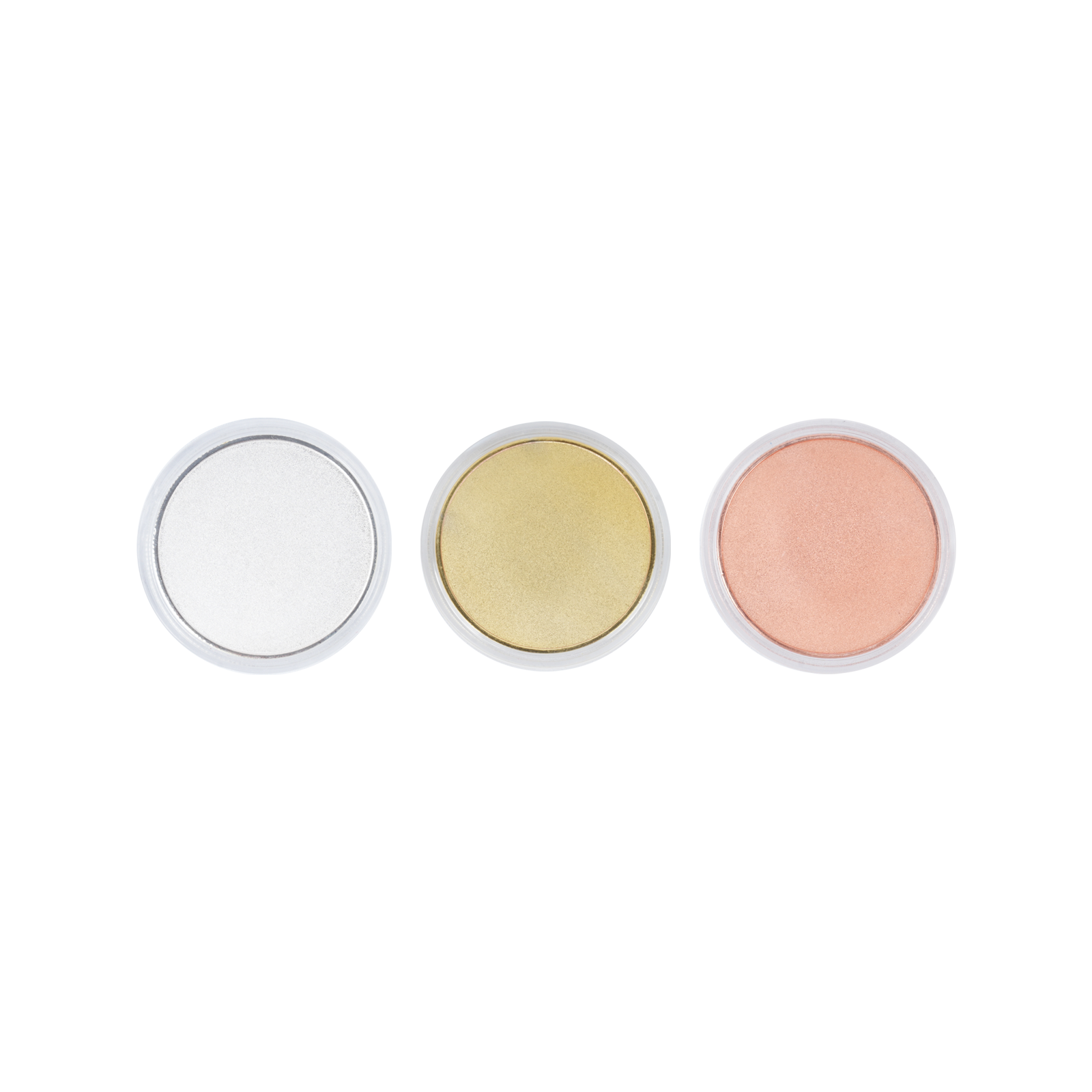
- Glass often requires masking or coating for best results
Glass does not naturally absorb blue diode laser light very well, but applying a temporary surface coating or masking layer allows the laser energy to transfer heat and create an etched effect.
For many modern makers, laser engraving offers the best balance of precision, speed, and automation.
Recommended Laser Engraver for Glass Projects
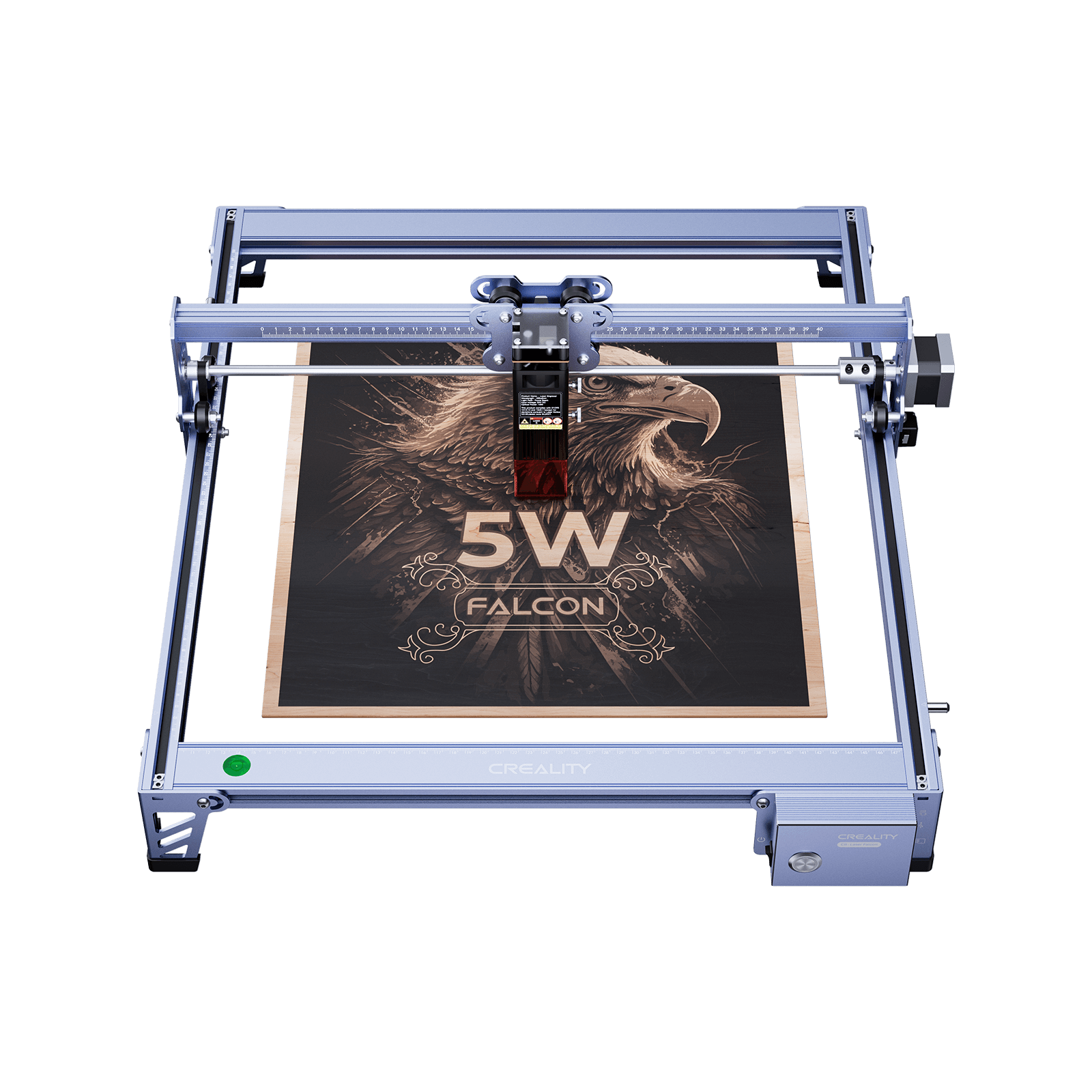
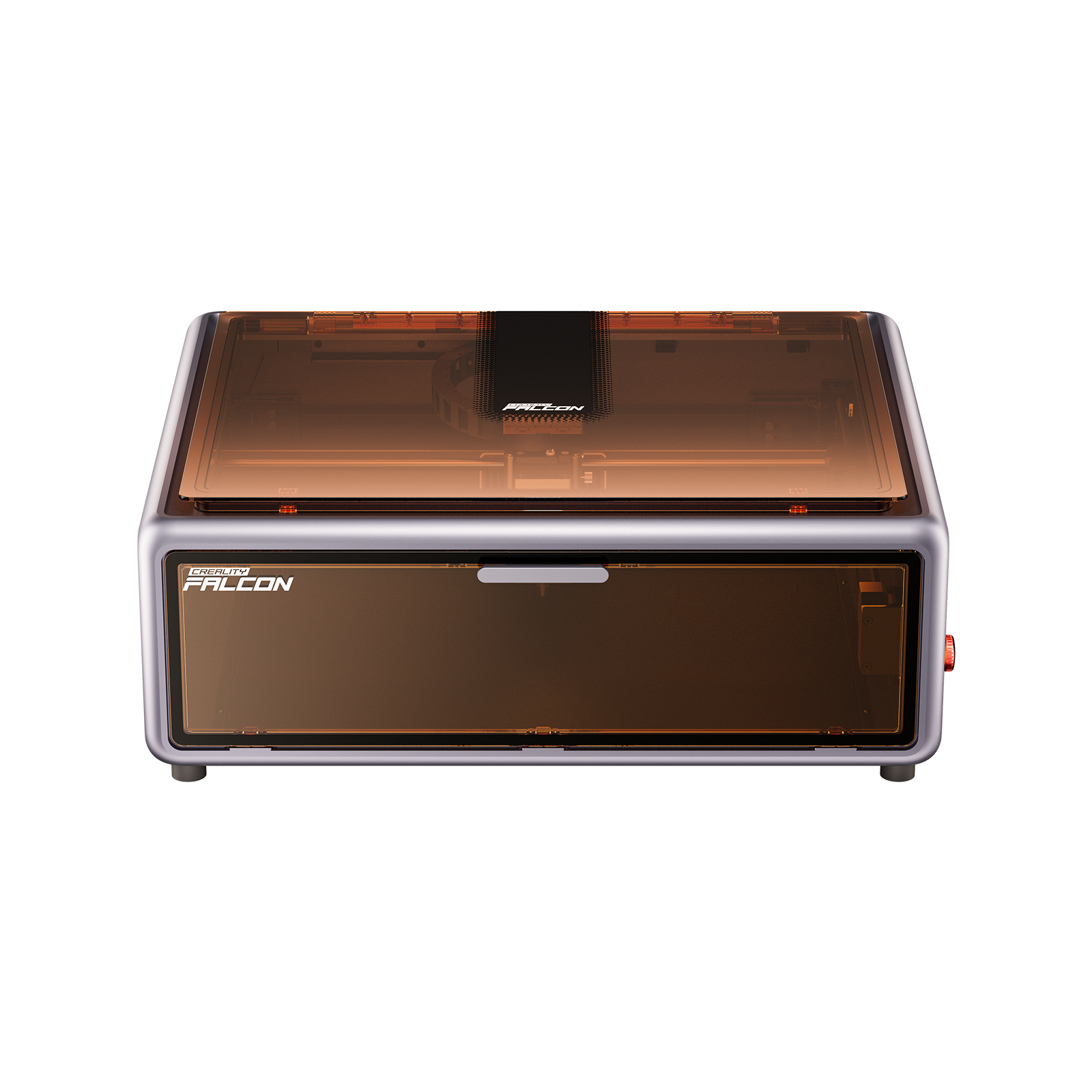
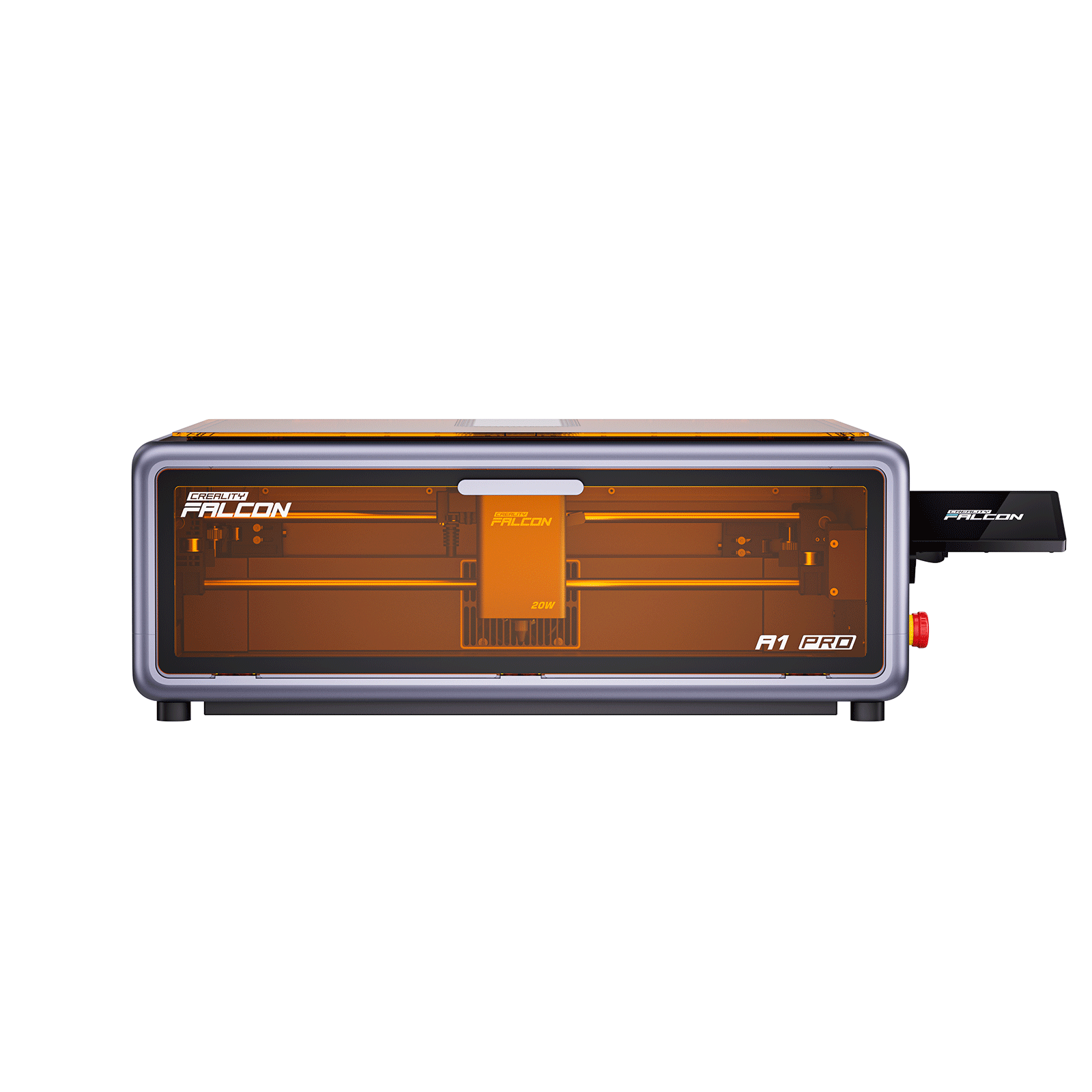
The Creality Falcon A1 Pro 20W is a beginner-friendly desktop laser engraver designed for creative workshops and small craft businesses.
Key advantages include:
- 20W diode laser with fine spot precision for detailed engraving and clean line work
- Fully enclosed design with safety features, suitable for home studios
- Auto-focus and built-in camera positioning that simplify alignment and setup
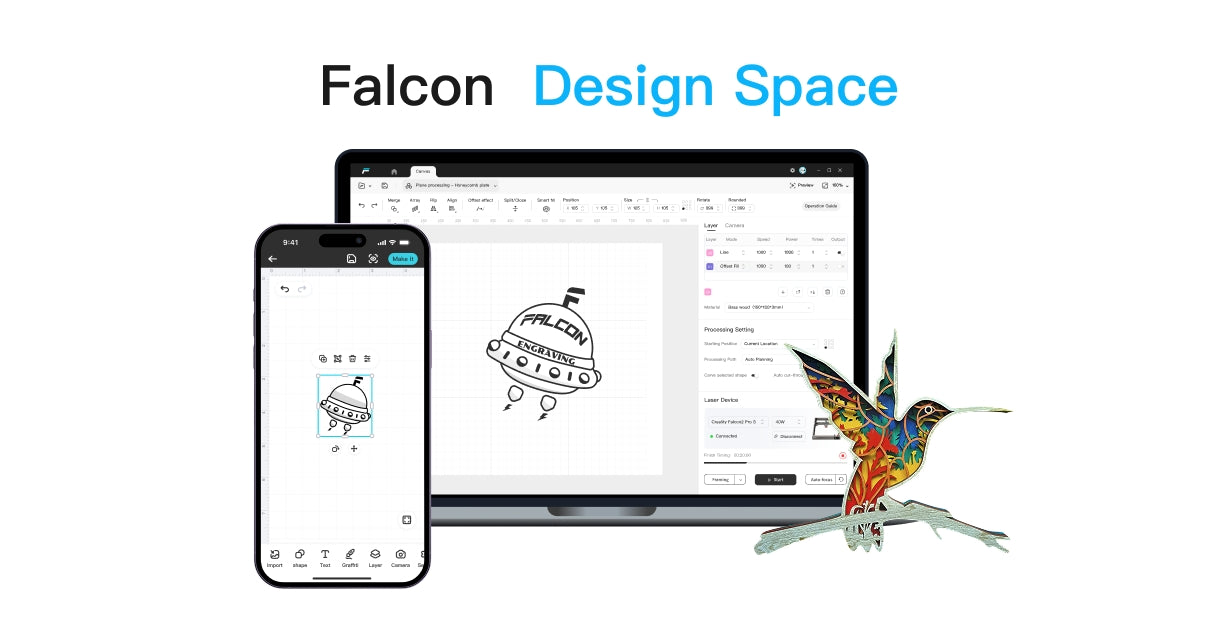
- Smart workflow and intuitive software compatibility for beginners
Final Thoughts
Glass engraving can be achieved through several techniques, including rotary engraving, sandblasting, and laser engraving.
Each method has its place depending on the project size, available equipment, and desired finish.
- Rotary engraving pan is affordable and portable, but it requires steady manual control and practice to achieve consistent results.
- Sandblasting produces deep frosted designs and works well for large glass panels, but the equipment setup is complex and often better suited for professional workshops.
For most hobbyists and small creative studios, laser engraving offers the most practical balance of precision, automation, and workflow efficiency.
With the right tools, proper preparation, and a bit of experimentation, glass engraving can quickly become one of the most rewarding creative techniques for makers and small workshops alike.
Recent News

12 World Cup Laser Engraving Ideas for Fans
Explore world cup laser engraving ideas for fan gifts, tumblers, coasters, signs, and safe soccer-inspired designs makers can...

What Materials Does a Laser Cutter Cut Safely
Find out what materials does a laser cutter cut, which plastics to avoid, and how CO2, diode, and...

7 Best Laser Engravers Under $1000
Quick Answer:The best laser engraver under $1000 should be chosen by total setup cost, not machine price alone.For most...