

























Best Woods for Laser Engraving & Cutting: A Tutorial

Quick Answer:
The best wood for laser cutting and engraving is usually basswood, Baltic birch plywood, maple, cherry, alder, or quality laser-safe plywood.
Choose light, dry, low-resin wood for cleaner cuts and better contrast.
Avoid pressure-treated wood, PVC-coated materials, unknown plywood glues, and wet or resin-heavy wood because they can create poor results or unsafe fumes.
Why Wood Choice Matters for Laser Projects
Selecting the right wood is one of the most important decisions in laser cutting and engraving. Wood density, grain, glue, resin, color, and moisture content all affect how the laser burns, marks, or cuts the material.

The wrong wood can lead to excessive charring, slow cutting, inconsistent engraving, sticky residue, strong fumes, warped parts, and poor edge quality. The right wood helps you achieve cleaner lines, sharper detail, smoother edges, and fewer failed projects.
If you are using a laser engraver for wood projects, do not rely on one universal setting. Results vary by species, thickness, glue content, grain, moisture, coating, and surface finish, so users should always run a material test before production.
How Lasers Interact with Wood
A laser removes wood by heating a very small area until the material darkens, burns, vaporizes, or cuts through. This process is controlled, but wood is a natural material, so it does not behave as uniformly as acrylic, metal, or coated blanks.
Understanding the main wood properties helps you choose the right material and avoid common problems.
1. Density
Density affects how much power is needed. Hardwoods such as maple, cherry, and walnut have tightly packed fibers, so they often need more power or slower speed. They can produce fine detail but may char if heat builds up.
Softwoods and lightweight woods such as basswood cut more easily and usually need less power. They are excellent for beginners, ornaments, models, and thin craft parts.
2. Grain Pattern
Grain affects engraving consistency. Open-grain woods such as oak can engrave unevenly because the laser reacts differently to hard grain lines and softer areas. Closed-grain woods such as maple, cherry, alder, and basswood usually create smoother, more predictable engravings.
If your project includes photos, small text, or detailed artwork, choose a wood with a fine and even grain.
3. Resin and Sap Content
Resin-heavy woods such as pine, cedar, teak, and Douglas fir can be difficult to laser cleanly. Resin can cause sticky residue, darker burn marks, stronger smoke, and higher flare-up risk.
These woods are not always impossible to process, but they require careful testing, good ventilation, clean optics, and close supervision. Beginners should usually start with basswood or quality birch plywood instead.
4. Moisture Content
Wet or unseasoned wood cuts poorly because the laser must spend energy heating and evaporating moisture before it can cut or engrave the fibers. This often creates uneven marks, extra smoke, warping, and rough edges.
For best results, use kiln-dried or properly seasoned wood. Store sheets flat and dry before cutting.
5. Color and Contrast
Light woods usually show engraving more clearly because the laser mark creates a darker contrast. Maple, basswood, birch plywood, and alder are good options when you want visible text, photos, and fine detail.
Darker woods such as walnut can look premium, but engraving contrast may be more subtle. They work best for elegant products where a low-contrast, refined finish is acceptable.
Best Woods for Laser Engraving
For engraving, choose woods with smooth surfaces, fine grain, stable moisture, and good contrast. These woods are easier to control and more likely to show crisp lines.
| Wood | Engraving Quality | Best For | Watch Out For |
|---|---|---|---|
| Maple | Crisp detail and strong contrast | Fine art, photos, gifts, premium plaques | Harder to cut than soft woods |
| Cherry | Warm, rich engraving tone | Decorative items, signs, jewelry boxes | More expensive than common plywood |
| Walnut | Premium dark look with subtle contrast | Awards, executive gifts, luxury decor | Engraving may be less visible on dark surface |
| Alder | Smooth and consistent marks | Photo engraving, plaques, signs | Can scorch if power is too high |
| Basswood | Light and even engraving | Crafts, models, ornaments, beginner projects | Lower contrast than maple |
| Birch plywood top veneer | Good contrast on smooth sheets | Panels, signs, decorative projects | Glue quality affects fumes and consistency |
For engraving, start with lower power and faster speed on softer woods to prevent muddy or overburned marks. Hardwoods may need more power, but they still benefit from careful testing and clean focus.

Best Woods for Laser Cutting
For cutting, consistency matters more than beauty. The best cutting woods are dry, thin, flat, stable, low-resin, and free from unknown coatings or unsafe glue. Thin sheets are easier to cut cleanly than thick lumber.
| Wood | Cutting Quality | Best For | Watch Out For |
|---|---|---|---|
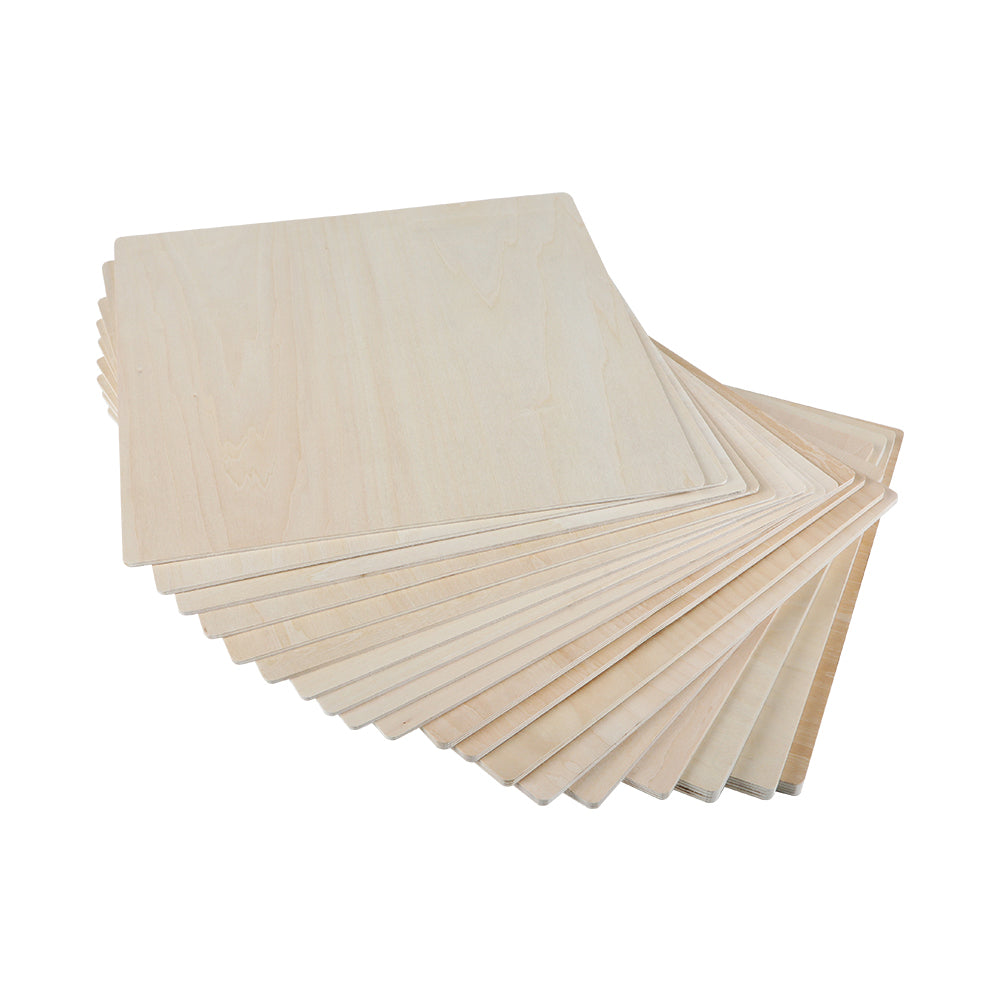
| Baltic birch plywood | Clean and reliable if quality is high | Models, signs, interlocking parts, jigs | Glue and core quality vary by supplier |
| Basswood | Very easy and fast to cut | Ornaments, lightweight models, craft kits | Soft and not ideal for structural parts |
| Poplar | Good balance of cost and workability | Prototypes, painted projects, internal parts | Can have green streaks and some charring |
| Thin maple | Strong and premium when dialed in | Jewelry, durable art, high-end small parts | Needs more power and slower speed |
| Thin cherry | Beautiful finished parts | Decorative pieces, premium gifts, accents | More expensive and slower to cut |
For most beginner and small business projects, 3 mm basswood or quality birch plywood is the easiest place to start. If your setup includes air assist, use it when cutting wood to reduce smoke buildup, edge charring, flare-ups, and lens contamination.

Best Dual-Purpose Woods
Some woods engrave well and cut cleanly, making them useful for projects that need both surface detail and shaped parts. These materials are often the most practical choices for beginners and small businesses.
| Wood | Why It Works | Best Project Types |
|---|---|---|
| Baltic birch plywood | Smooth top layer and stable sheet structure | Signs, layered art, boxes, ornaments |
| Basswood | Low density, easy cutting, clean light surface | Beginner crafts, models, school projects |
| Thin maple | Fine grain and premium finish | Jewelry, tags, decorative pieces |
| Thin cherry | Warm color and elegant engraving | Gifts, ornaments, premium products |
Choose based on the main goal of the project. If cutting is more important, prioritize basswood or birch plywood. If engraving detail is more important, choose maple, cherry, alder, or another fine-grain hardwood.
Woods and Wood Products to Avoid
Some woods and wood-like materials are unsafe or unreliable for laser work. Avoid anything with unknown chemicals, unknown coatings, unknown glue, or high moisture content.
1. Pressure-Treated Wood
Avoid pressure-treated wood. It is treated with chemicals to resist insects, rot, and outdoor exposure. Laser processing can release unsafe fumes and may contaminate your machine.
It is not worth the risk for indoor laser work, craft products, or gifts.
2. PVC-Coated or Vinyl-Coated Materials
Never laser cut PVC, vinyl, or chlorine-containing materials. When heated, these materials can release toxic and corrosive fumes that are dangerous to users and damaging to laser components.
If you cannot verify the coating or material composition, do not process it.
3. Oily or Resinous Woods
Pine, cedar, teak, Douglas fir, and other resin-heavy woods can create sticky residue, stronger fumes, more charring, and higher flare-up risk. These woods can be beautiful, but they are less beginner-friendly.
If you use resinous wood, test carefully, use strong ventilation, keep the machine clean, and monitor the job closely.
4. Wet or Unseasoned Wood
Wet wood is inconsistent under a laser. It may smoke heavily, char unevenly, warp, or fail to cut cleanly. Use dry, stable wood for better results.
Store sheets flat and away from humidity before production.
5. Unknown MDF or Plywood
Some MDF and plywood can work well, but cheap or unknown boards may contain glue, binders, coatings, or fillers that create strong fumes or inconsistent cuts.
Buy laser-safe plywood or MDF from suppliers that clearly identify material composition. Use ventilation for all engineered wood products.
Recommended Laser Setup for Wood Projects
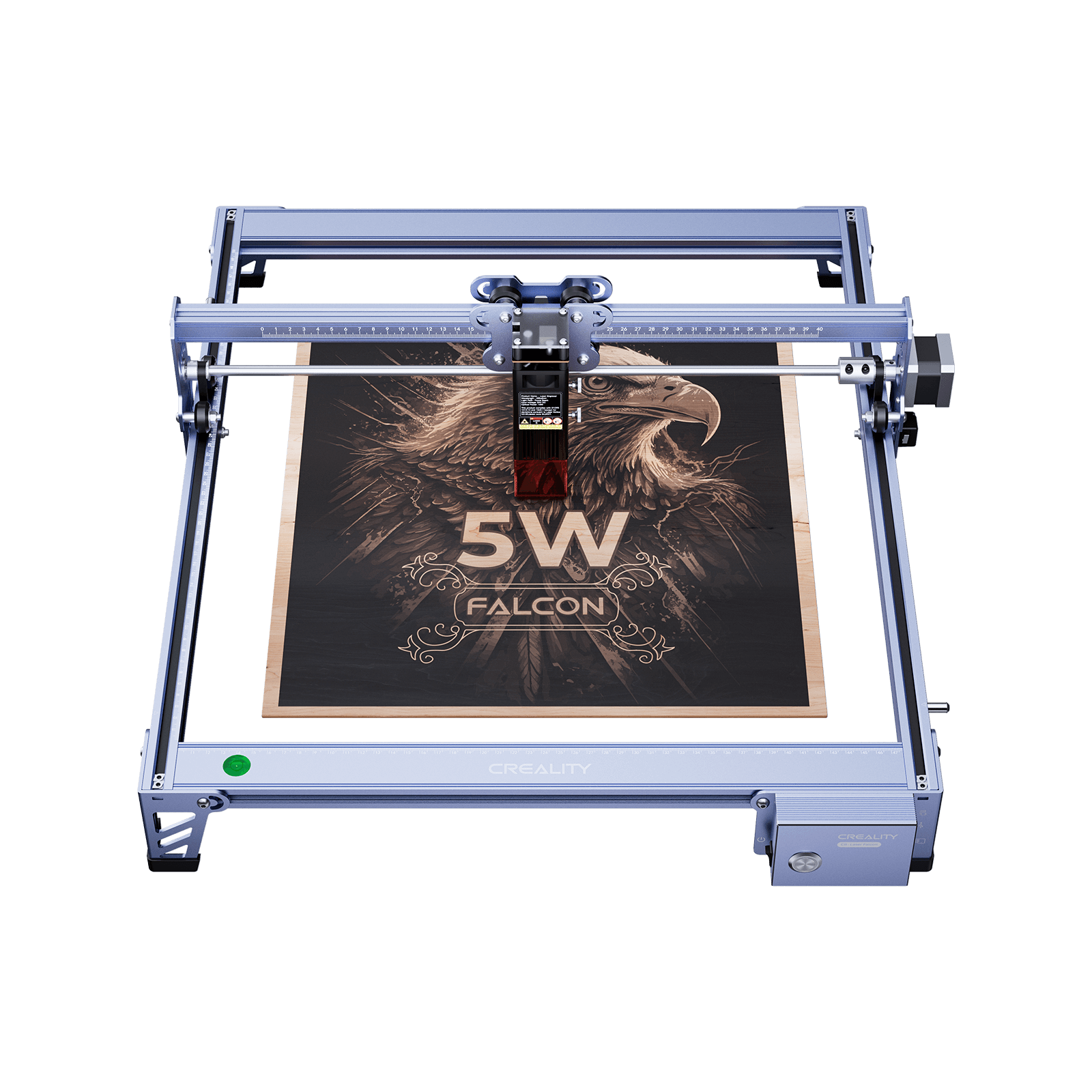
Wood laser results depend on both material and machine. A stronger machine can cut thicker wood faster, but clean results still require focus, airflow, flat material, good settings, and testing.
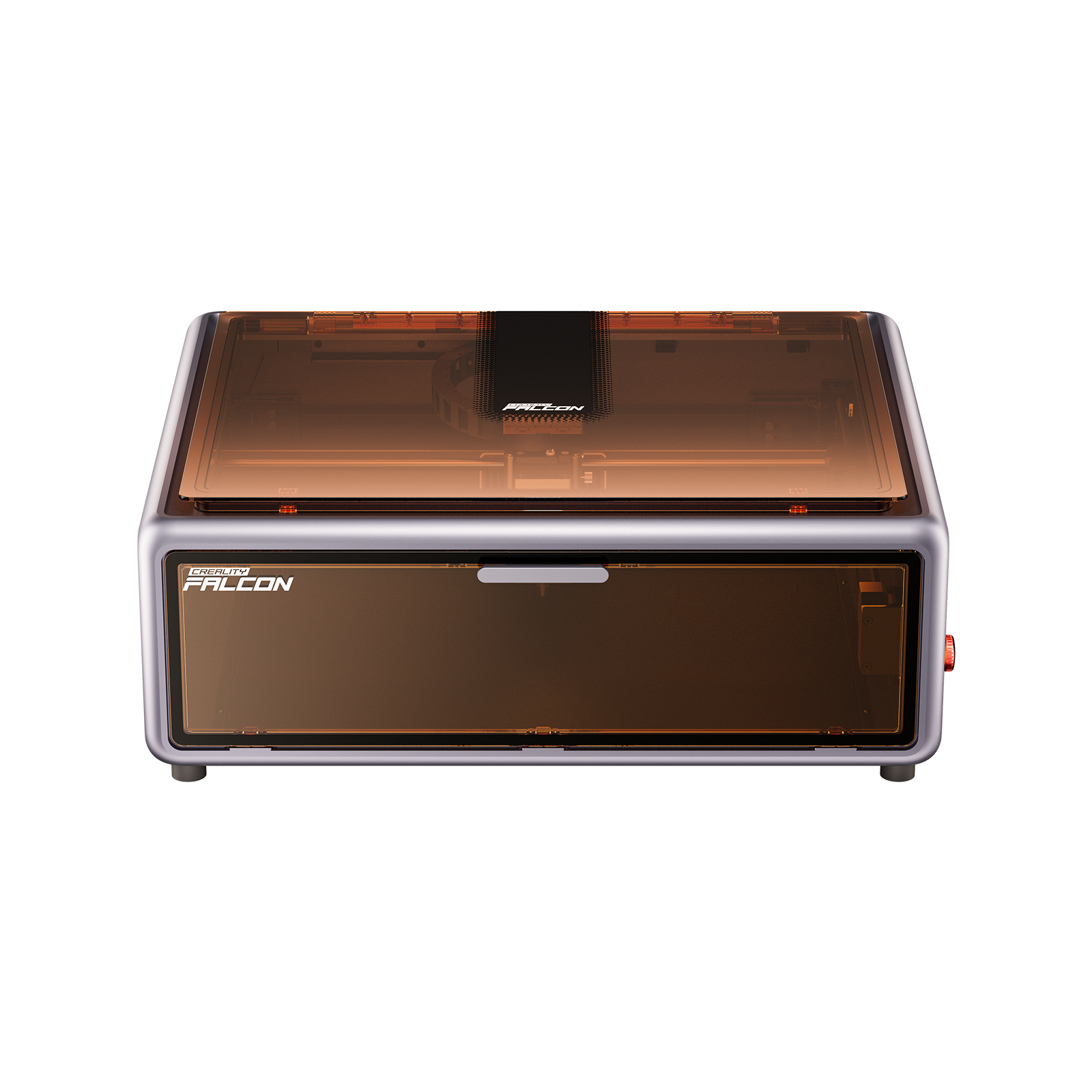
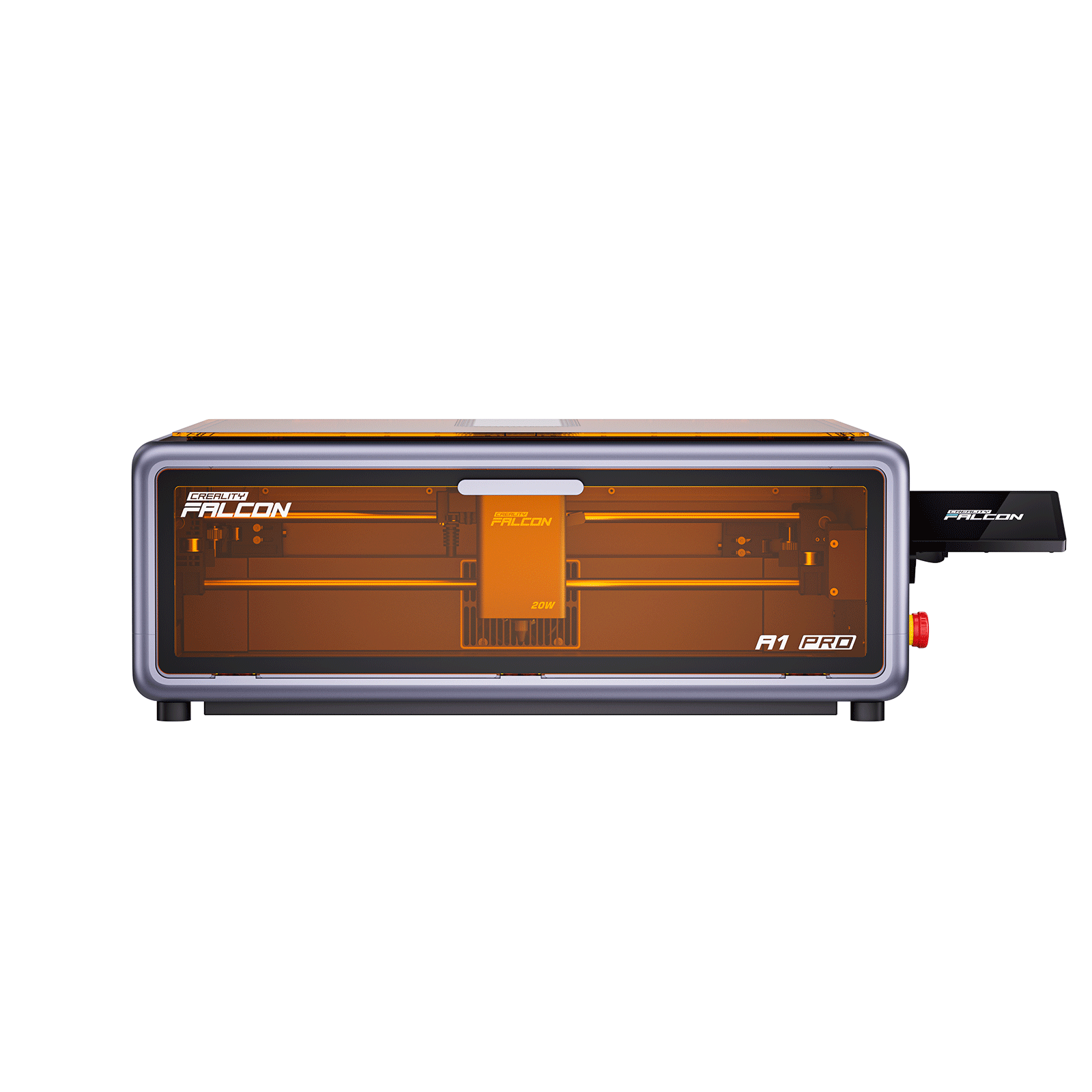
Creality Falcon A1 Pro
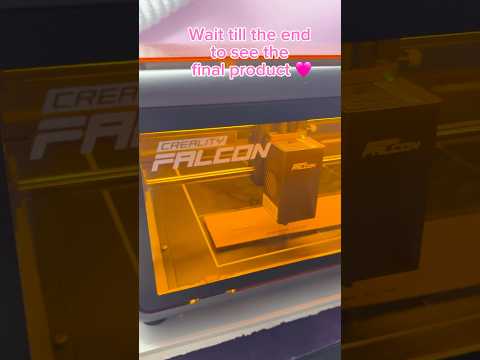
Why Choose This Product: If you plan to make wood gifts, signs, ornaments, small business products, or mixed engraving and cutting projects, the Creality Falcon A1 Pro can be a strong enclosed upgrade option for a home studio or craft workspace.
The A1 Pro offers 20W diode power, enclosed desktop workflow, AI visual autofocus, touchscreen control, app support, and compatibility with Falcon Design Space, LightBurn, and LaserGRBL. It is especially useful for repeated wood personalization jobs where alignment, safety, and workflow matter.
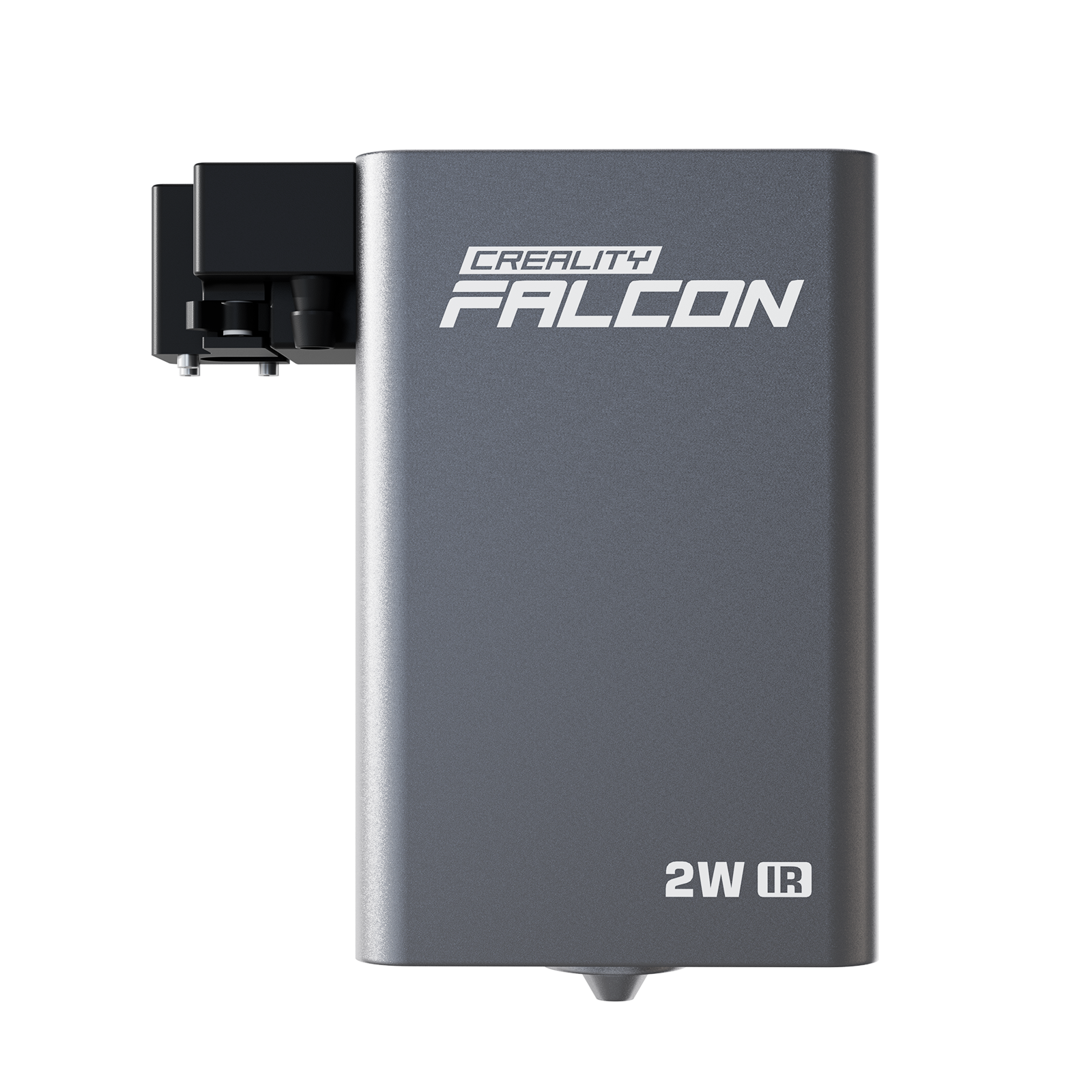
The optional 2W IR module, depending on bundle or configuration, is more relevant for certain metal and plastic marking tasks than for wood. For wood projects, the main value is the 20W diode power, enclosure, autofocus, and repeatable workflow.
- SPECS: 20W diode laser; optional 2W IR module depending on bundle or configuration; enclosed desktop design; AI visual autofocus; touchscreen and app control.
- PROS: Strong fit for basswood, plywood, leather, paper, cardboard, and personalized gifts.
- PROS: Enclosed workflow is easier to manage indoors with proper ventilation.
- PROS: Autofocus and visual workflow help with repeated wood projects.
- CONS: Very thick wood cutting still requires careful testing and may need a higher-power machine.
FAQ
1. What Is the Best Wood for Laser Engraving?
Maple, cherry, alder, basswood, and quality birch plywood are excellent choices for laser engraving. They offer smoother grain, better contrast, and more predictable results than resin-heavy or open-grain woods.
2. What Is the Best Wood for Laser Cutting?
Basswood and Baltic birch plywood are two of the best beginner-friendly options for laser cutting. They are relatively easy to cut, widely available, and suitable for ornaments, signs, layered art, models, and craft products.
3. Can You Laser Cut MDF?
Yes, some MDF can be laser cut, but it produces fine dust and strong fumes because of binders and glue. Use only laser-safe MDF from a trusted supplier and operate with strong ventilation.
4. Is Pine Good for Laser Cutting?
Pine is not ideal for beginners because it contains resin and sap that can cause charring, sticky residue, stronger smoke, and flare-ups. Basswood or birch plywood is usually easier and cleaner.
5. Should Wood Be Dry Before Laser Cutting?
Yes. Dry, kiln-dried, or properly seasoned wood is best. Wet or unseasoned wood can smoke heavily, warp, char unevenly, and cut inconsistently.
6. Do I Need Air Assist for Cutting Wood?
If your setup includes air assist, use it when cutting wood. It helps reduce smoke buildup, charring, flare-ups, and lens contamination. If your machine does not include air assist, check compatible accessory options.
Conclusion
The best wood for laser cutting and engraving depends on your project goal. For engraving detail, choose maple, cherry, alder, basswood, or quality birch plywood. For cutting, start with basswood or Baltic birch plywood because they are easier to process and more predictable.
Avoid pressure-treated wood, PVC-coated materials, unknown glue boards, wet wood, and resin-heavy species unless you fully understand the risks. With the right wood, clean focus, ventilation, air assist when available, and careful material testing, you can produce crisp engravings and clean laser-cut edges more consistently.

Recent News

12 World Cup Laser Engraving Ideas for Fans
Explore world cup laser engraving ideas for fan gifts, tumblers, coasters, signs, and safe soccer-inspired designs makers can...

What Materials Does a Laser Cutter Cut Safely
Find out what materials does a laser cutter cut, which plastics to avoid, and how CO2, diode, and...

7 Best Laser Engravers Under $1000
Quick Answer:The best laser engraver under $1000 should be chosen by total setup cost, not machine price alone.For most...