
























Tutorial: Choosing a CO2 Laser Engraver for Wood

Choosing the right CO2 laser engraver for wood is less about brand names and more about understanding how specific features affect real woodworking results.
Wood behaves very differently from plastics or metals, and factors like laser power, airflow, bed size, and focus control directly influence engraving contrast, cutting quality, and production efficiency.
This tutorial breaks down the key features that matter most for wood engraving and cutting, explains how CO2 lasers compare to diode alternatives, and highlights several commonly used CO2 laser engravers for wood-based projects.
Whether you are a hobbyist, a small workshop owner, or planning light production work, this guide is designed to help you choose a machine that fits your material needs, workflow, and budget—without overbuying or underspecifying your setup.
5 Key Features to Look for
Wattage & Power
Laser power directly affects cutting speed and engraving depth.
For wood applications, machines rated 40W or higher are generally recommended, particularly if cutting is part of the workflow. Higher wattage allows faster processing of thicker wood and more consistent engraving on dense hardwoods.
Undersized power often results in slower production and uneven results.
Work Area & Bed Size
Work area determines the maximum size of projects and overall workflow efficiency.
A larger bed reduces the need for repositioning materials, enables batch processing, and accommodates larger items such as signs or panels.
Users producing commercial wood products often prioritize bed size over compact machine dimensions.
Z-Axis Adjustment & Auto Focus
Wood thickness is rarely uniform.
An adjustable Z-axis allows precise focusing across different material heights, while auto-focus simplifies setup and reduces errors—especially useful for repeat jobs or mixed material thicknesses.
Air Assist & Exhaust Systems
For wood processing, these systems are essential:
- Air assist reduces charring, flare-ups, and edge burning
- Exhaust systems remove smoke and debris, protect optics, and improve safety
Machines without effective airflow control typically struggle with consistent wood results.
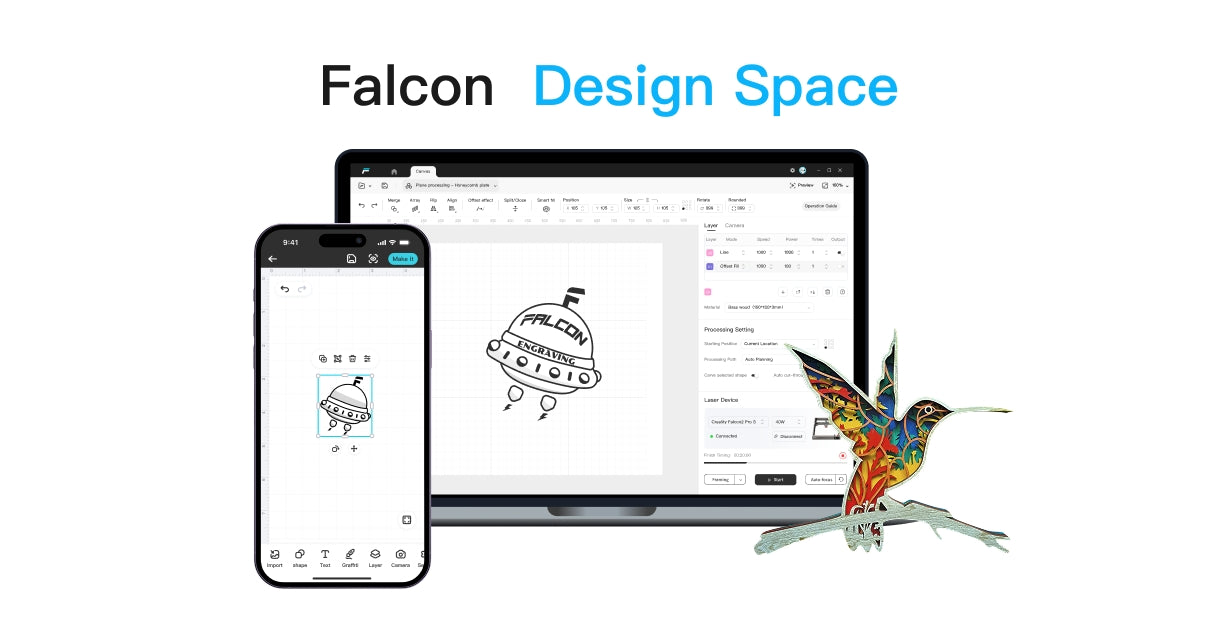
Software Compatibility
Support for established laser software such as LightBurn is a strong indicator of usability.
Good software enables precise control of power, speed, and passes, improving engraving accuracy and workflow efficiency from design to production.
3 Popular CO2 Laser Engravers Commonly Used for Wood
To put these features into context, here are several CO2 laser engraver models that are commonly chosen for wood engraving and cutting. These machines reflect the typical configurations woodworkers look for, such as sufficient power, stable airflow, and practical bed sizes.
OMTech 40W CO2 Laser Engraver
OMTech’s 40W desktop CO2 laser is frequently selected for wood-focused projects such as signage, crafts, and light production work. It offers enough power for engraving hardwoods and cutting thin plywood or MDF, making it a common entry point for small workshops and serious hobbyists.
Best suited for:
- Wood engraving with strong contrast
- Cutting thin to medium wood sheets
- Users who want a balance between cost and capability
Monport 40W–60W CO2 Laser Engraver
Monport’s CO2 laser lineup is often used by small businesses producing wood-based products. With larger bed options and higher wattage configurations, these machines are better suited for batch processing and thicker wood materials.
Best suited for:
- Repeated wood cutting jobs
- Larger signs or panels
- Small-scale production environments
VEVOR 40W CO2 Laser Engraver
VEVOR’s 40W CO2 laser engravers are typically chosen by budget-conscious users who want true CO2 performance for wood engraving. While they may require additional setup for ventilation or airflow optimization, they can deliver solid engraving and cutting results on wood when properly configured.
Best suited for:
- Entry-level wood engraving
- DIY workshops with upgrade flexibility
- Users prioritizing lower upfront cost
CO2 vs. Diode Lasers for Wood
Both CO2 and diode lasers can process wood, but they serve different needs.
CO2 lasers are better suited for:
- Cutting thicker wood
- Producing deeper engravings with higher contrast
- Higher-volume or production-oriented work
- Broader material versatility
Diode lasers are often chosen for:
- Lower upfront cost
- Compact setups
- Fine surface engraving on thin wood
- Hobby or light-duty applications
If cutting wood regularly or producing finished wood products is a priority, CO2 lasers generally provide greater efficiency and consistency. Diode lasers can be a practical alternative for engraving-focused or space-limited setups.
Diode Alternative Worth Noting
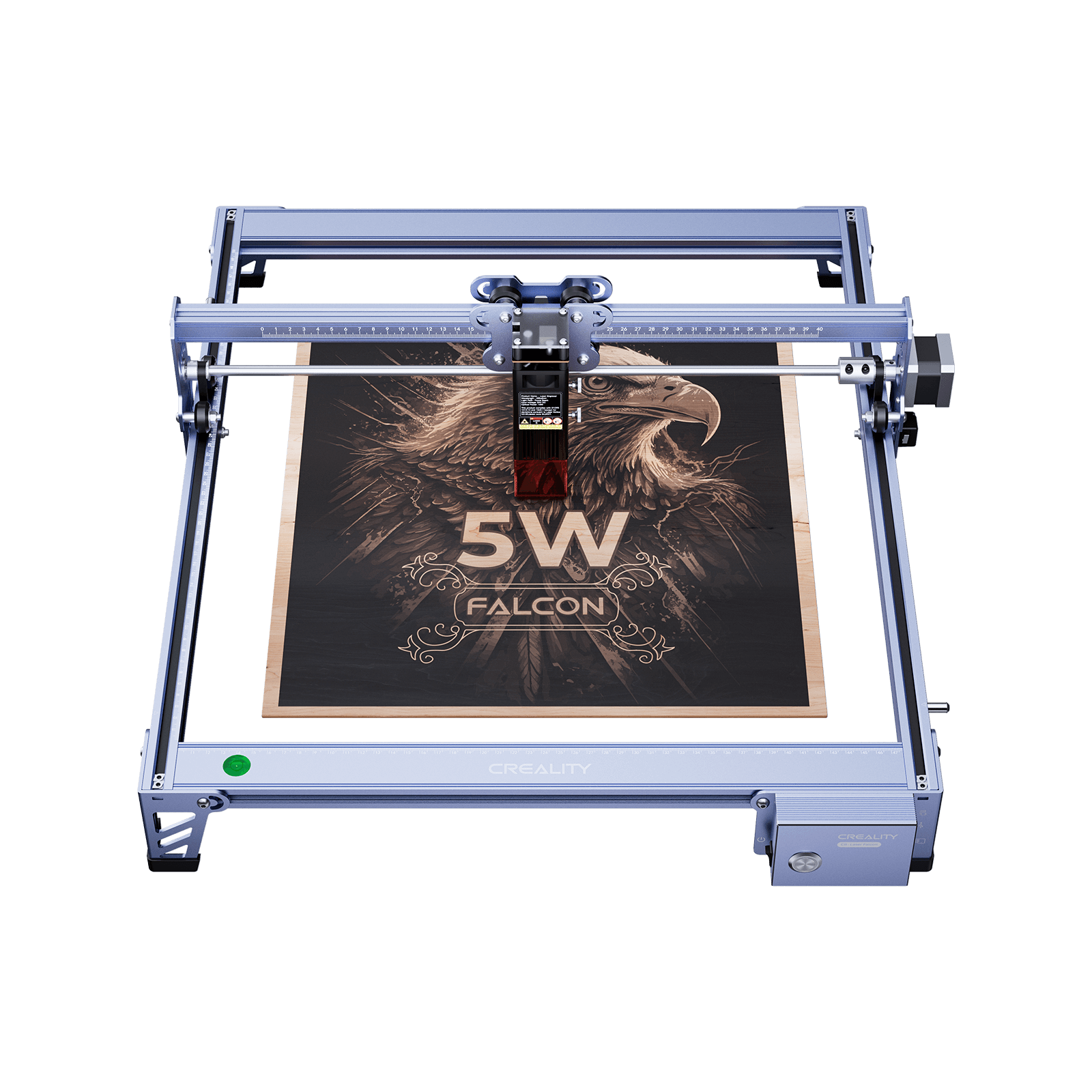
Creality Falcon 2 22W Laser Engraver
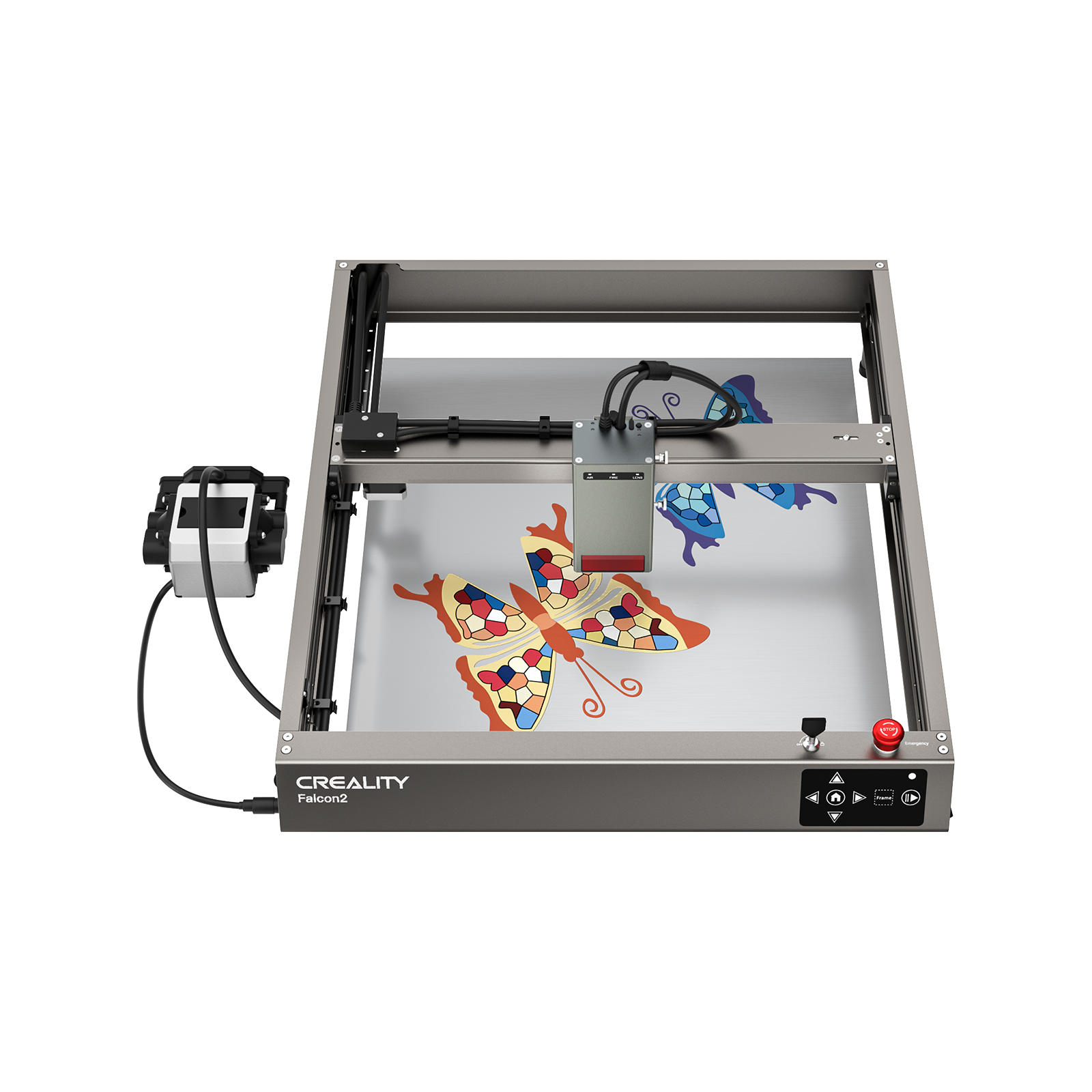
While not a CO2 system, the Falcon 2 22W is often considered by users comparing entry-level options. It is well-suited for detailed engraving and light cutting on wood, but it does not replace the cutting speed or depth of a CO2 laser in production environments.
Budget Expectations for CO2 Laser Engravers
Typical price ranges:
- Entry-level systems: $2,000–$5,000
- Small business / prosumer machines: $6,000–$15,000
- ndustrial systems: $20,000+
Additional costs include chillers, air assist equipment, replacement optics, CO2 tubes, and material waste during testing.
Budget should align with production goals rather than minimum upfront cost.
Final Takeaway
Choosing a CO2 laser engraver for wood is about matching the machine to your actual work.
Power, bed size, airflow, and software support directly affect engraving quality and cutting results.
CO2 lasers are best suited for regular wood cutting and deep, high-contrast engraving, while diode lasers work better for light engraving or space-limited setups. The right choice depends on your materials, workload, and workflow—not just price or wattage.
Recent News

12 World Cup Laser Engraving Ideas for Fans
Explore world cup laser engraving ideas for fan gifts, tumblers, coasters, signs, and safe soccer-inspired designs makers can...

What Materials Does a Laser Cutter Cut Safely
Find out what materials does a laser cutter cut, which plastics to avoid, and how CO2, diode, and...

7 Best Laser Engravers Under $1000
Quick Answer:The best laser engraver under $1000 should be chosen by total setup cost, not machine price alone.For most...