


























Cutting Leather with Laser Cutter: A Step-by-Step How-to Guide

Cutting leather with a laser cutter offers unmatched precision and versatility for crafting projects.
Whether you are a hobbyist or a professional, understanding the right preparation, settings, and tools is essential to achieving clean cuts without damaging the material.
This guide breaks down the process, parameters, and troubleshooting tips for laser cutting leather effectively using top machines available in 2026.
How Should You Prepare Leather for Laser Cutting
Proper preparation of leather is the foundation for successful laser cutting.
Start by selecting the best leather for laser cutting; vegetable-tanned leather works well due to its consistent density and fewer chemical treatments.
Avoid highly finished or painted leather, as these coatings can release harmful fumes when burned.

Clean the leather surface to remove dust or oils that might interfere with the laser's precision.
Flatten the leather piece to prevent uneven cuts caused by wrinkles or folds.
Measure and mark the design area clearly using masking tape or a digital template compatible with your laser cutting machine.
Ensure your workspace is well-ventilated to handle smoke and odors generated during the cutting process.
Check the leather laser cutting machine price and specifications to match your cutting requirements and leather thickness.
Finally, perform a small test cut on a scrap piece to fine-tune your laser settings before working on your final design.
Step-by-Step Instructions for Cutting Leather with a Laser Cutter
The cutting process involves several key steps to optimize results and ensure safety.
- Step 1: Set up your leather laser cutting machine according to the manufacturer’s instructions.
- Step 2: Load your design file into the laser software, adjusting the scale to fit the leather piece.
- Step 3: Position the leather on the cutting bed, securing it flat and stable.
- Step 4: Adjust the laser parameters such as power, speed, and passes based on the leather thickness and machine power.
- Step 5: Run a test cut on a scrap piece to verify the settings produce a clean cut without burning or excessive charring.
- Step 6: Start the cutting process, monitoring the machine to promptly address any issues like material shifting or smoke buildup.
- Step 7: After cutting, carefully remove the leather from the bed and clean any residue with a soft brush or cloth.
- Step 8: Inspect the edges for smoothness and consider light sanding if needed to improve finish quality.
Following these steps ensures precision, safety, and quality in laser cutting leather projects.
What Laser Cutting Parameters Work Best for Leather?
| Machine Power | Material | Thickness (mm) | Power (%) | Speed (mm/min) | Passes |
|---|---|---|---|---|---|
| 10W | Leather | 1-2 | 40-50 | 300-500 | 1-2 |
| 20W | Leather | 1-3 | 50-60 | 500-700 | 1 |
| 40W | Leather | 2-5 | 60-70 | 700-900 | 1 |
These parameters provide a baseline that can be adjusted based on leather type, moisture content, and desired edge finish.
Always prioritize lower power and multiple passes over high power cuts to reduce burning and discoloration.
Common Issues When Cutting Leather with a Laser Cutter
Laser cutting leather can present challenges that require quick troubleshooting to maintain quality.
1. Issue: Burnt or charred edges
- Solution: Lower laser power, increase speed, or add an air assist to reduce heat concentration.
2. Issue: Incomplete cuts or uncut sections
- Solution: Increase power slightly, reduce speed, or ensure the leather is flat and stable.
3. Issue: Smoke buildup affecting visibility and laser performance
- Solution: Improve ventilation, use an exhaust fan, or pause to clear smoke periodically.
4. Issue: Leather warping or curling during cutting
- Solution: Use thinner leather or stabilize the material with a backing sheet.
5. Issue: Fumes or odor irritation
- Solution: Always use appropriate respiratory protection and work in a well-ventilated area.

Keeping these tips in mind will help you optimize your leather laser cutting workflow.
What Are the Best Leather Laser Cutting Machines for 2026
1. xTool D1 Pro Laser Cutter
Why Choose This Product: The xTool D1 Pro offers high precision and customizable settings ideal for delicate leather projects.
The xTool D1 Pro excels with its 20W laser module, providing sufficient power to cut through leather up to 3mm thick efficiently.
Its user-friendly software supports various file types, making it accessible for beginners and professionals alike.
The machine features a modular design that allows easy upgrades, including an autofocus module for consistent cutting depth on uneven leather surfaces.
Its compact footprint fits well in small workshops or home studios without sacrificing performance.
The xTool D1 Pro is known for stable operation and excellent customer support, making it a reliable choice for leather artisans.
- Power: 20W
- Cutting area: 432 x 406 mm
- Supported materials: leather, wood, acrylic, fabric
- Software compatibility: LightBurn, Laserbox
- Pros: autofocus, modular upgrades, precise cuts
- Cons: Requires ventilation setup, learning curve for software
2. Glowforge Plus Laser Cutter
Why Choose This Product: Glowforge Plus combines ease of use with sufficient power for leather cutting and engraving projects.
Glowforge Plus is a popular option due to its plug-and-play design that simplifies laser cutting leather for users of all experience levels.
Equipped with a 40W CO2 laser, it handles thicker leather pieces and intricate designs with clean edges.
The integrated camera system helps align designs precisely on the leather surface, reducing material waste.
Its cloud-based software allows for remote job setup and material databases with pre-configured settings for leather and other materials.
Glowforge Plus also incorporates efficient smoke extraction and safety features, making it suitable for home and small business use.
- Power: 40W
- Cutting area: 495 x 280 mm
- Software: Glowforge app (cloud-based)
- Pros: easy setup, camera alignment, robust power
- Cons: Requires internet connection, premium price
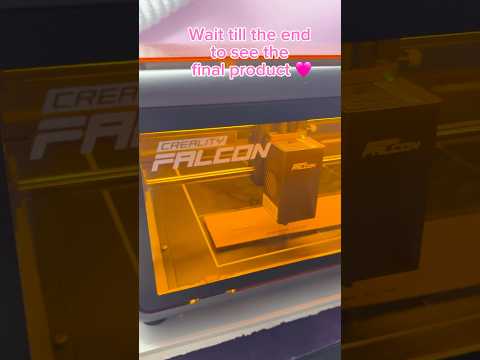
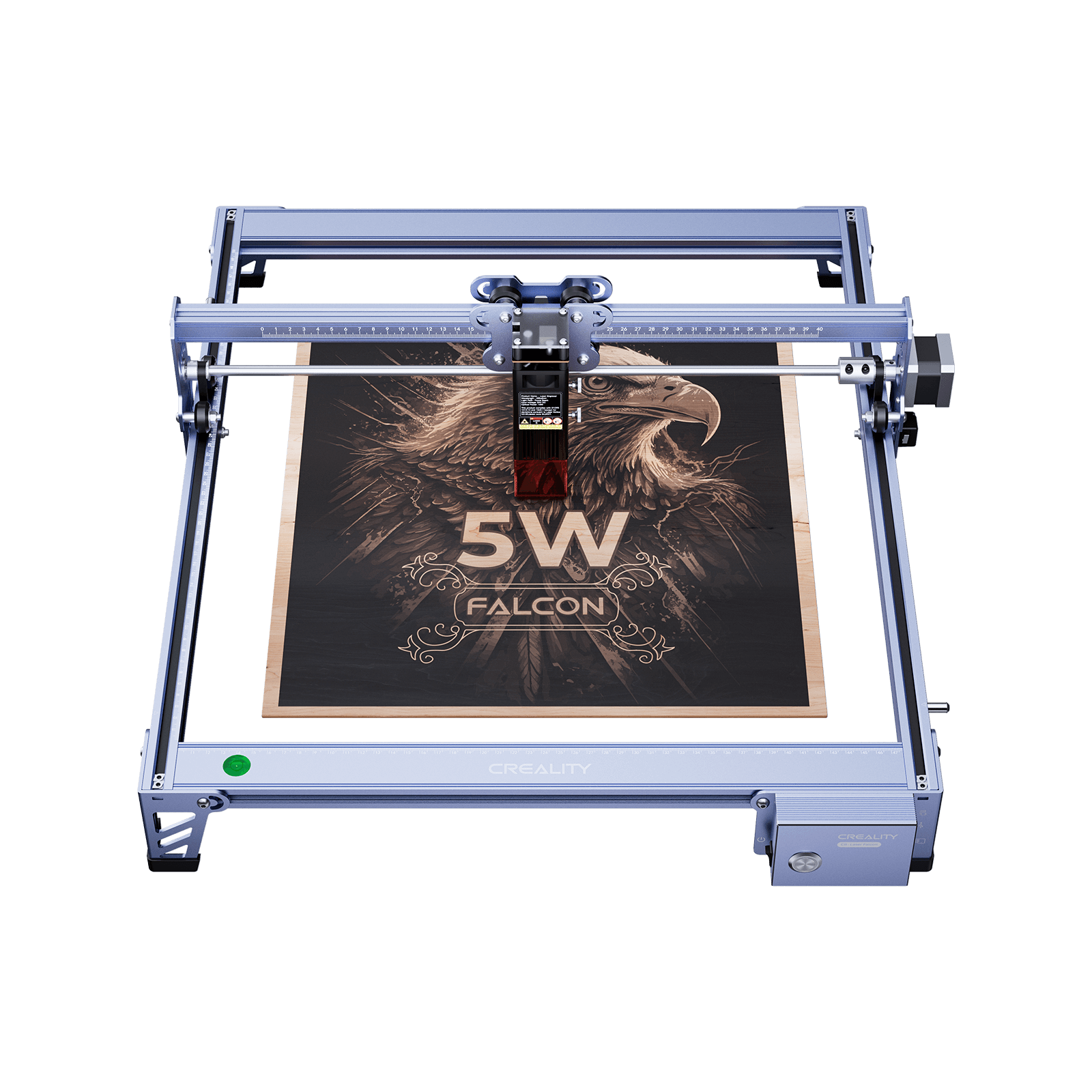
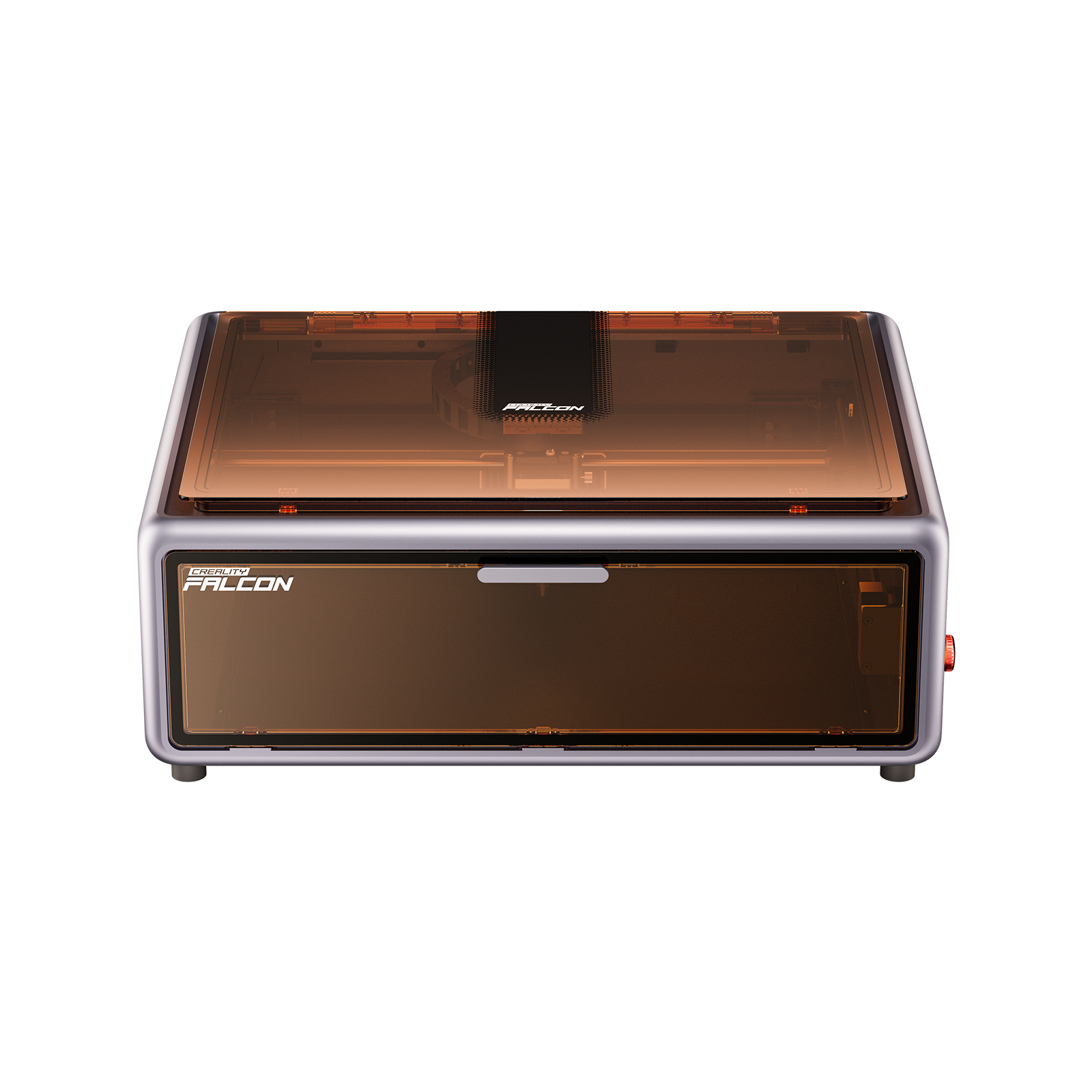
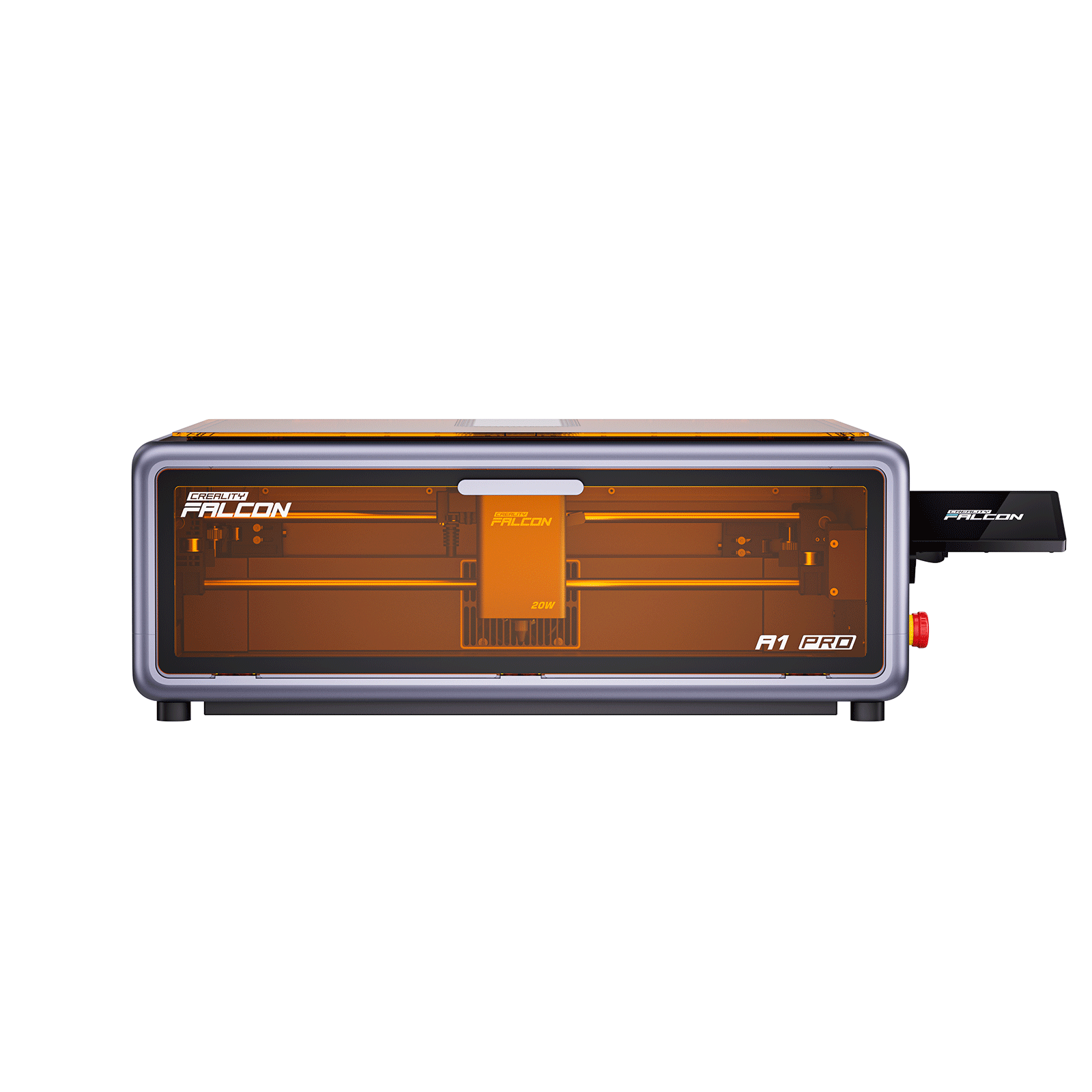
3. Creality Falcon A1 Pro 20W Laser Engraver
Why Choose This Product: The Creality Falcon A1 Pro offers a smart, enclosed 20W diode laser option for makers who want to engrave and cut materials such as wood, acrylic, fabric, and leather.
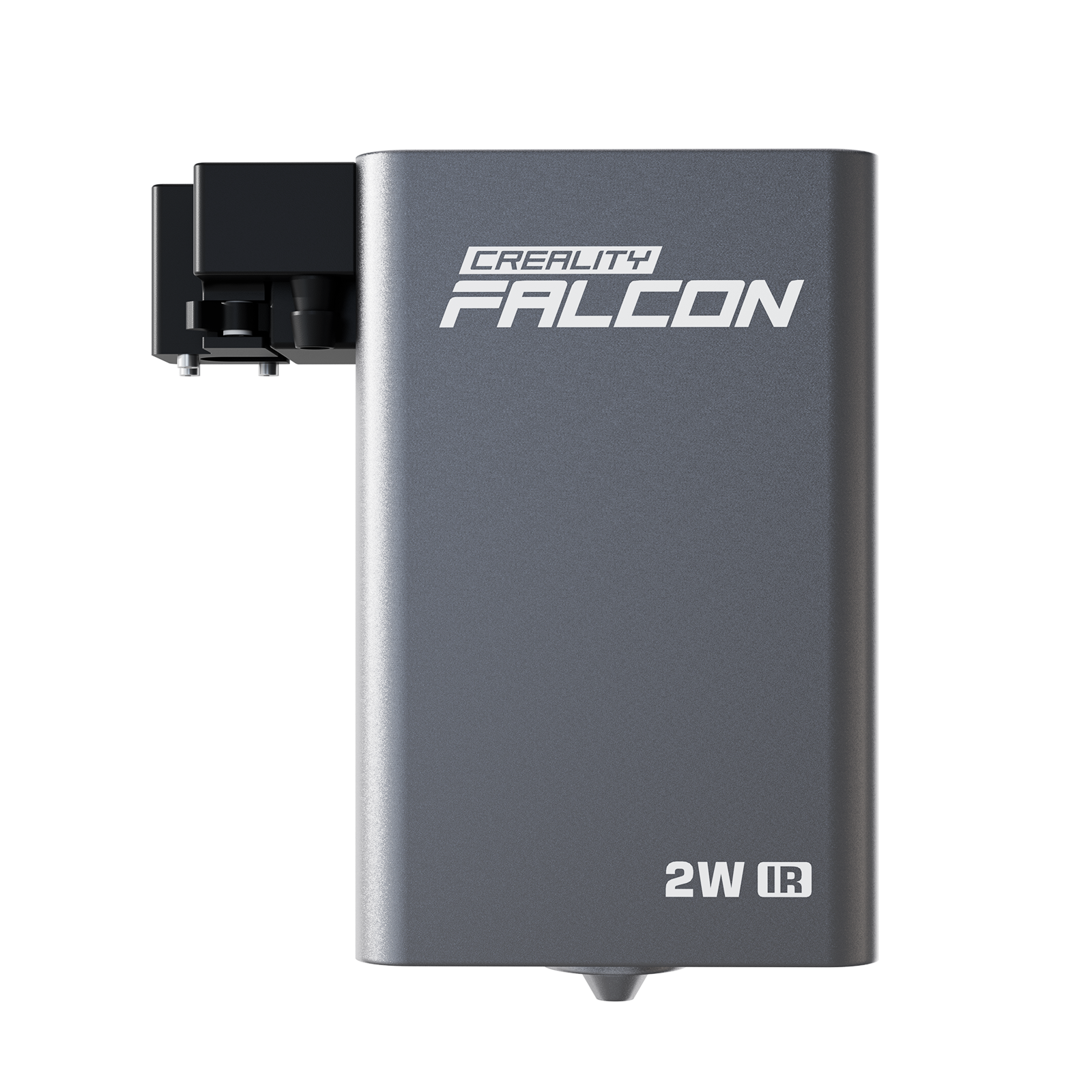
The Creality Falcon A1 Pro features a 20W diode laser module, with an optional 2W IR laser module for fine engraving on metals and plastics.

For leather projects, it is suitable for engraving and light cutting, but users should test settings based on the specific leather type, thickness, and finish.
Its enclosed structure, built-in air assist, smart camera autofocus, and touchscreen workflow make it easier to use than many open-frame diode laser machines.
The working area is 268 x 358 mm, which is suitable for small to medium leather sheets, accessories, and batch engraving projects.
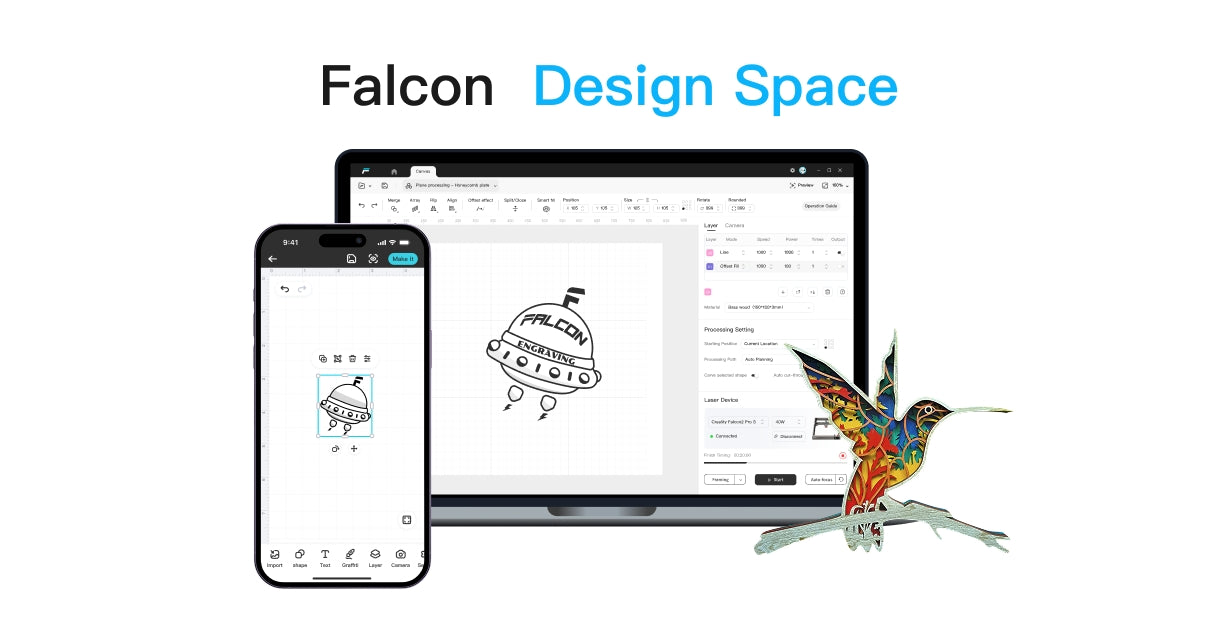
It supports Falcon Design Space, LightBurn, and LaserGRBL, giving users flexibility across different design workflows.
- Power: 20W diode laser; optional 2W IR module
- Working area: 268 x 358 mm
- Software compatibility: Falcon Design Space, LightBurn, LaserGRBL
- Pros: enclosed design, autofocus, built-in air assist, touchscreen control, fast CoreXY motion
- Cons: smaller working area than 400 x 400 mm open-frame machines; optional IR module may add extra cost
Frequently Asked Questions About Cutting Leather with a Laser Cutter
1. What type of leather is best for laser cutting?
Vegetable-tanned leather is the best leather for laser cutting because it has fewer chemical treatments and burns cleaner with less toxic smoke.
Avoid chrome-tanned or heavily coated leather as they emit harmful fumes and may damage the laser optics.
2. Can all laser cutters cut leather effectively?
Not all laser cutters are suitable for leather cutting.
Machines with CO2 lasers of at least 10W power are recommended for clean and precise cuts.
Lower power diode lasers may struggle with thickness and produce poor edge quality.
3. How thick can a laser cutting machine cut leather?
Depending on the laser power, leather thicknesses from 1mm to 5mm can be cut.
A 10W laser typically handles 1-2mm, while 40W machines can cut up to 5mm thick leather efficiently.
Thicker leather may require multiple passes or higher power lasers.
4. Is ventilation necessary when cutting leather with a laser cutter?
Yes, ventilation is essential because laser cutting leather generates smoke and potentially harmful fumes.
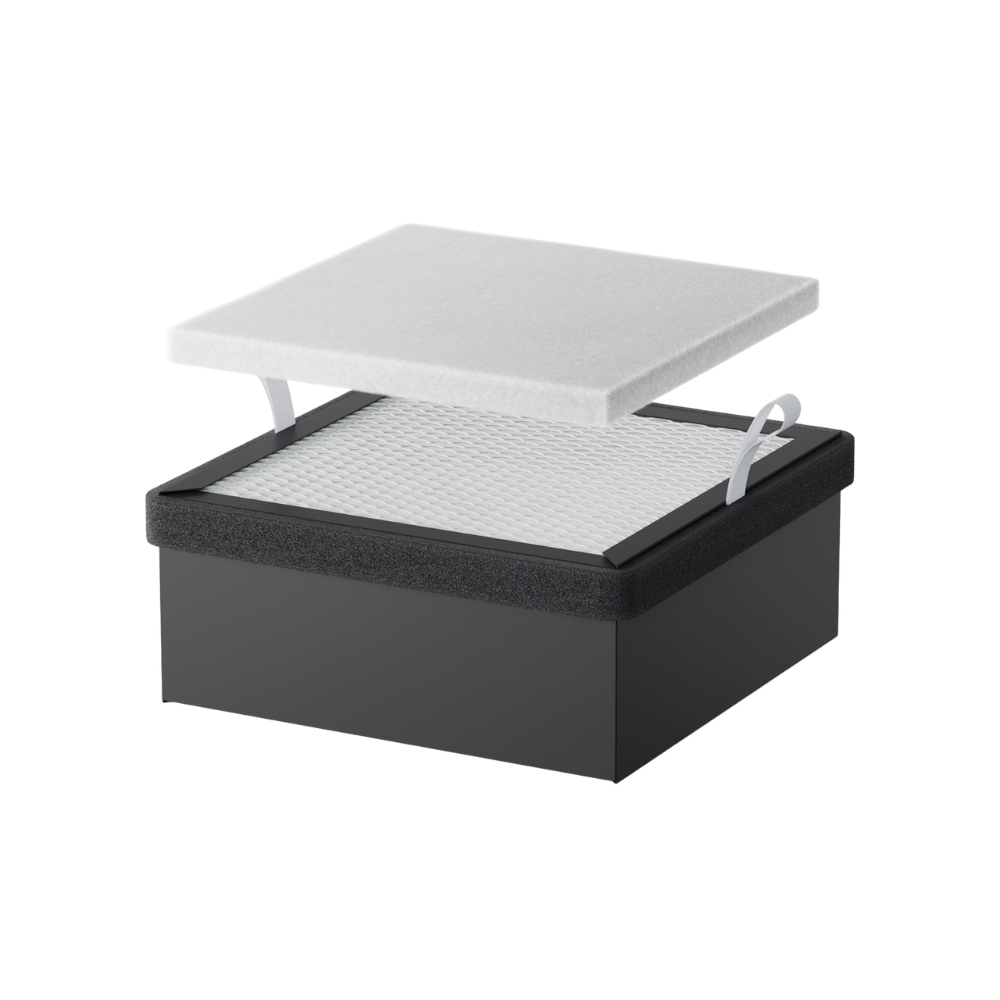
Using an exhaust fan or air filtration system protects your health and maintains the machine’s optics.
5. How do I prevent burning or charring when laser cutting leather?
To prevent burning, reduce laser power and increase cutting speed.
Use multiple passes if needed instead of a single high-power cut.
Employ air assist to blow away smoke and cool the cutting area, improving edge quality.
Conclusion
Cutting leather with a laser cutter in 2026 combines craftsmanship with modern technology for precise, customizable results.
Preparation is key—choose the right leather type, clean and flatten it, and test your settings before full-scale cutting.
Understanding and fine-tuning laser parameters like power, speed, and passes will minimize burning and maximize edge smoothness.
Troubleshooting common issues ensures consistent quality and safety in your projects.
Recent News

12 World Cup Laser Engraving Ideas for Fans
Explore world cup laser engraving ideas for fan gifts, tumblers, coasters, signs, and safe soccer-inspired designs makers can...

What Materials Does a Laser Cutter Cut Safely
Find out what materials does a laser cutter cut, which plastics to avoid, and how CO2, diode, and...

7 Best Laser Engravers Under $1000
Quick Answer:The best laser engraver under $1000 should be chosen by total setup cost, not machine price alone.For most...