





























Desktop CNC Laser Cutters: A Complete Guide for Home and Small Workshops

A desktop CNC laser cutter brings computer-controlled laser precision into a compact, workshop-friendly form.
Once limited to factories and industrial floors, CNC laser cutting is now accessible to hobbyists, makers, educators, and small businesses—without the size, cost, or complexity of industrial systems.
This guide focuses specifically on desktop CNC laser cutters: how they work, the different laser types available, what you can create, and how to choose the right machine for your projects and workspace.
What Is a Desktop CNC Laser Cutter?
A desktop CNC laser cutter is a computer-controlled machine that uses a focused laser beam to cut, engrave, or mark materials with high precision.
Unlike traditional CNC routers that physically remove material with cutting bits, a laser cutter uses light energy to vaporize or melt material. This contact-free process allows for:
- Extremely fine details
- Clean edges
- Minimal tool wear
- High repeatability
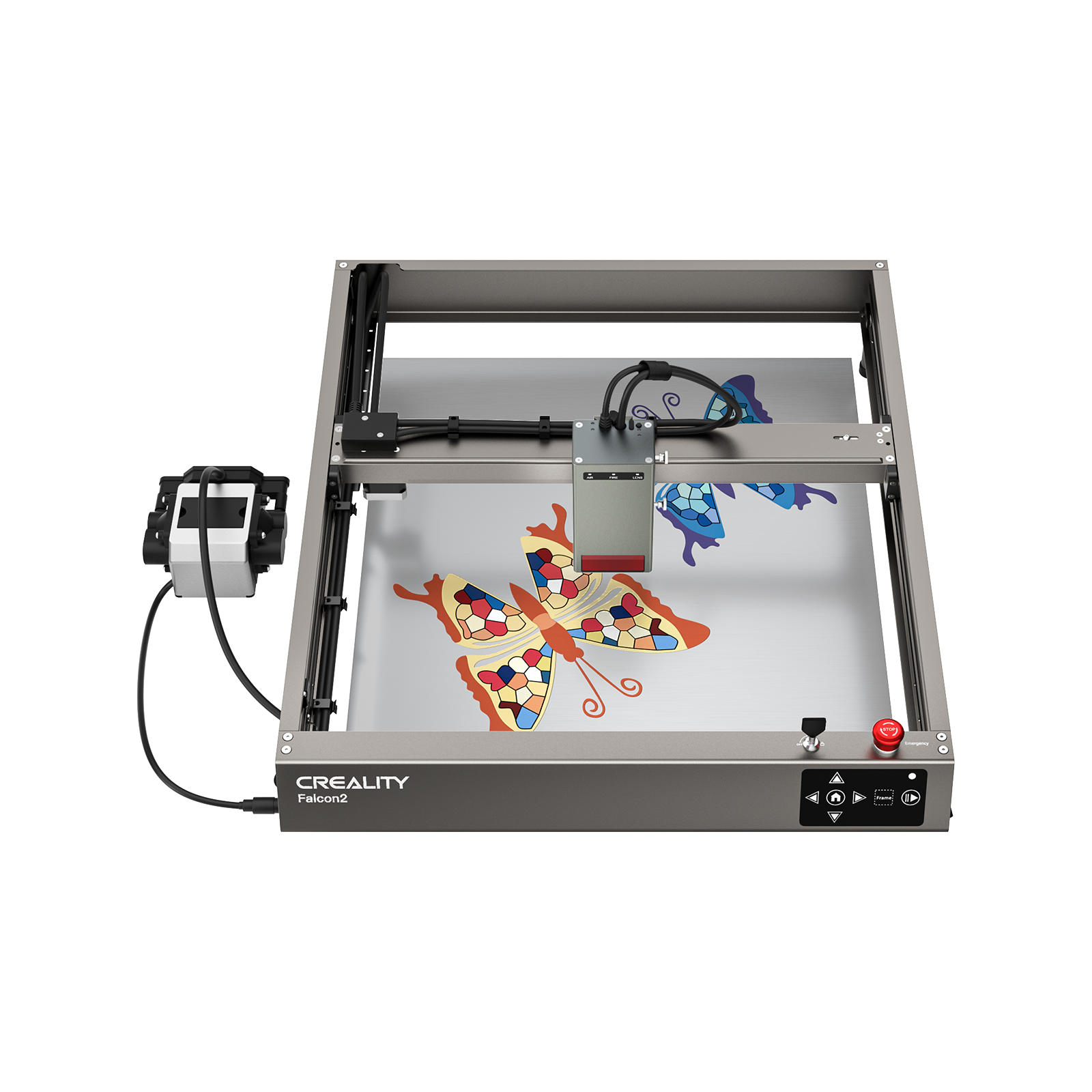
Desktop models are designed to fit on a workbench or table and typically include:
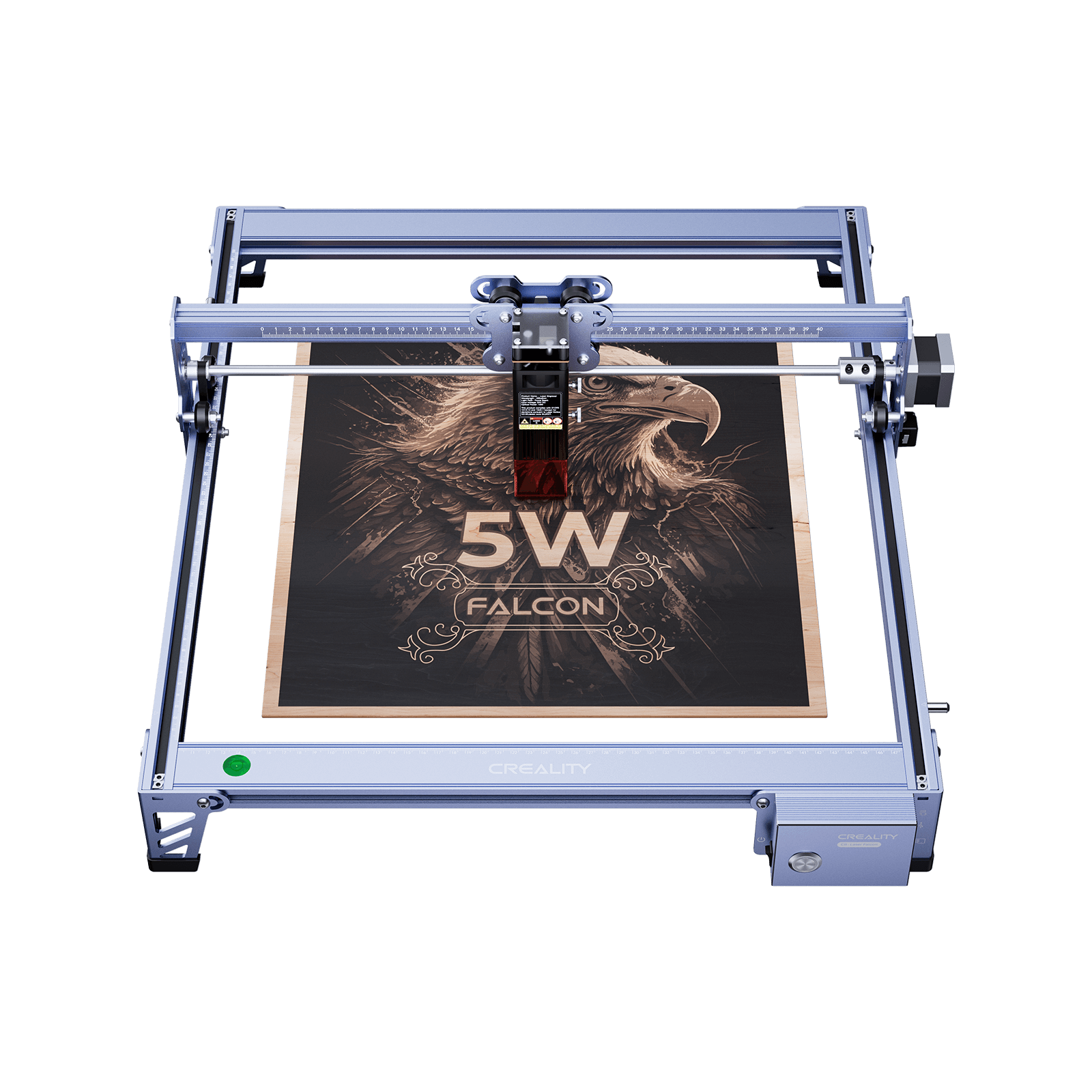
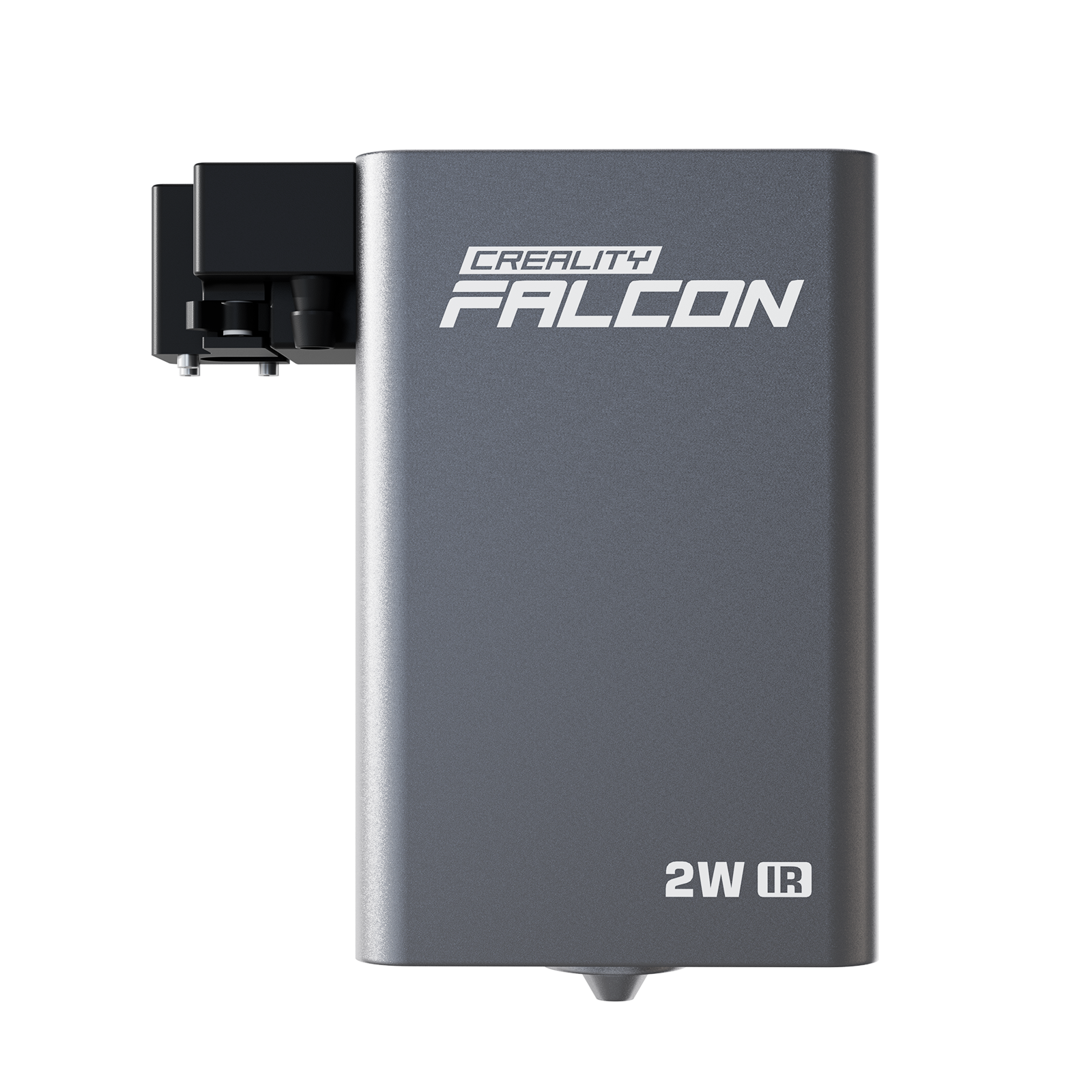
- A laser source (diode, CO₂, or fiber)
- Optical components to focus the beam
- A motion system (gantry or galvo-based)
- A CNC controller that follows digital design files
How Desktop CNC Laser Cutters Work
The process behind a desktop CNC laser cutter can be broken down into four steps:
- Laser Generation
The laser is produced by a diode module, CO₂ tube, or fiber source, depending on the machine type. - Beam Focusing
Lenses and mirrors focus the laser into a tiny, high-energy point capable of cutting or engraving material. - CNC Motion Control
The controller converts your design file (vector or raster) into precise movements, guiding the laser head across the work area. - Material Interaction
The focused beam removes material through vaporization, melting, or surface alteration—creating clean cuts or detailed engravings with minimal heat distortion.
Types of Desktop CNC Laser Cutters
Choosing the right laser type is one of the most important decisions for desktop users.
Diode Laser Cutters (Most Common for Desktop Use)
- Compact, lightweight, and affordable
- Excellent for wood, leather, paper, fabric, and some acrylic
- Lower maintenance and power consumption
- Limited cutting thickness
Best for: beginners, hobbyists, home workshops, light production
CO₂ Laser Cutters (Higher Power, Larger Desktop Units)
- More powerful and faster than diode lasers
- Cut thicker wood and acrylic cleanly
- Engrave glass, rubber, and coated materials
- Larger footprint and higher cost
Best for: small businesses, signage, frequent cutting tasks
Fiber Laser Cutters (Specialized Desktop Systems)
- Designed for metal engraving and cutting
- Extremely precise and fast on metals
- High cost and narrow application range
Best for: metal-focused workshops, industrial-style marking
What You Can Make with a Desktop CNC Laser Cutter
Desktop CNC laser cutters are used across creative, educational, and commercial projects.
Common Applications
- Custom gifts and décor
- Signage and branding elements
- Jewelry and accessories
- Model making and prototypes
- Educational projects and teaching aids
Materials You Can Work With
Depending on laser type:
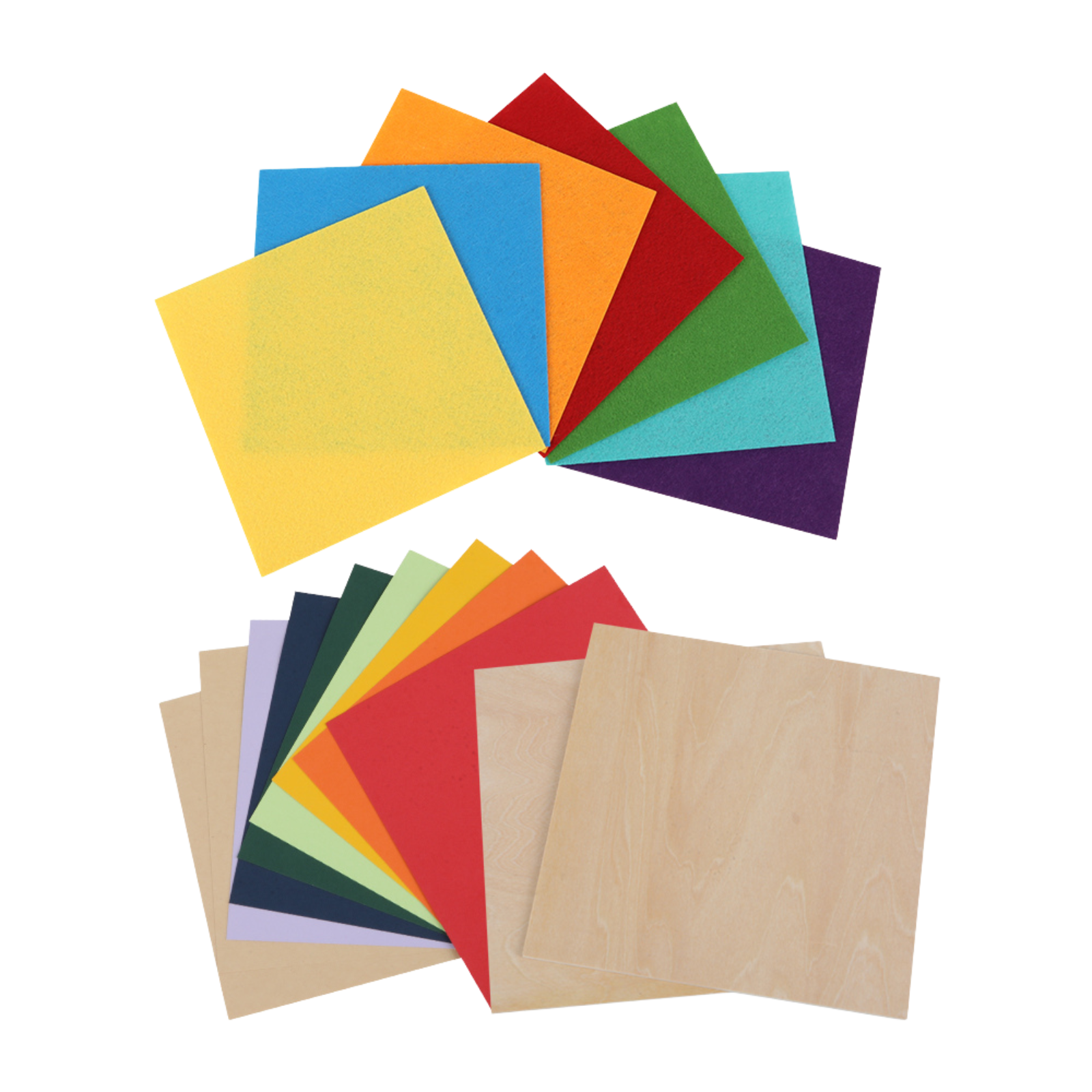
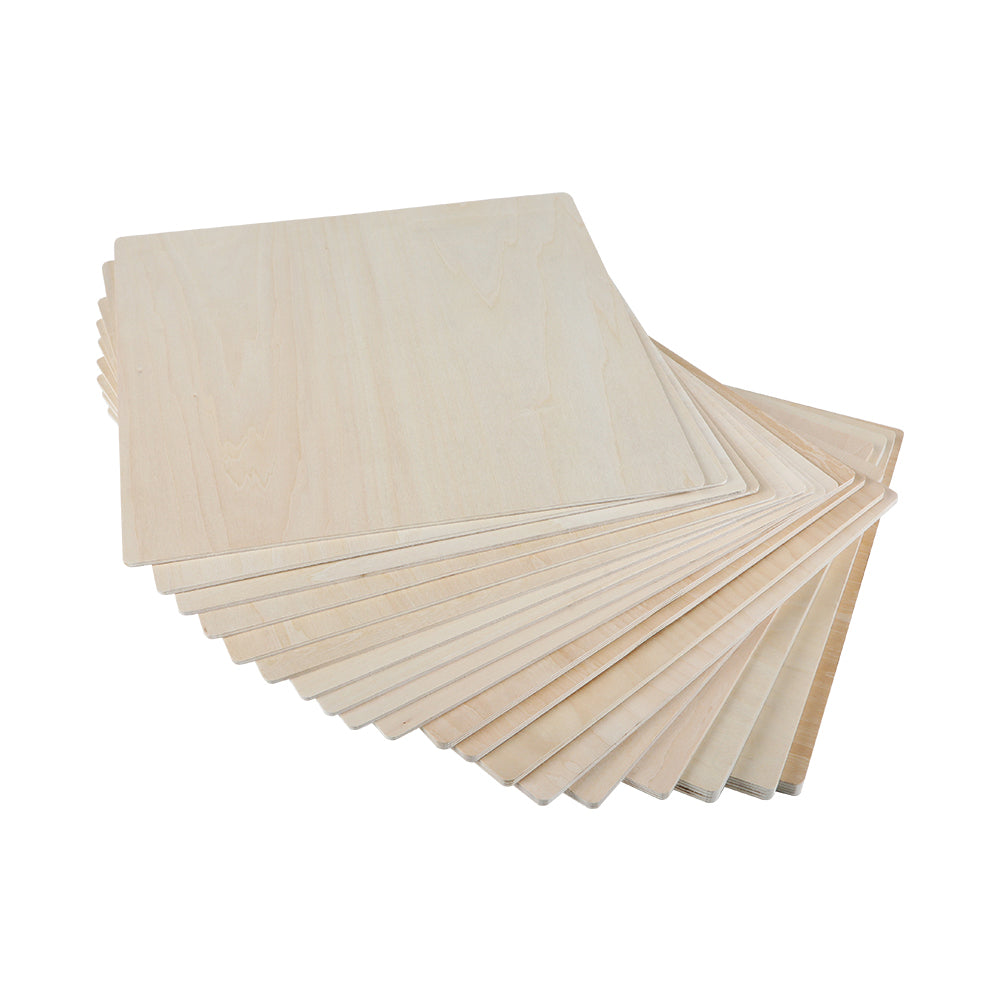
- Wood (plywood, MDF, hardwoods)
- Acrylic (cast and extruded)
- Leather and cork
- Paper and cardstock
- Fabric and felt
- Glass (engraving)
- Coated or anodized metals (engraving)
The precision of CNC control allows for designs that are difficult or impossible with hand tools.
How to Choose the Right Desktop CNC Laser Cutter
When selecting a desktop CNC laser cutter, focus on practical factors rather than maximum specs.
Laser Power
- Determines cutting depth and speed
- Higher power = faster cuts and thicker materials
Work Area Size
- Match the bed size to your largest typical project
- Larger beds improve productivity but increase machine size
Software Compatibility
- Look for support for LightBurn, Illustrator, Inkscape, or CAD software
- A smooth software workflow greatly reduces learning time
Safety Features
Essential for desktop environments:
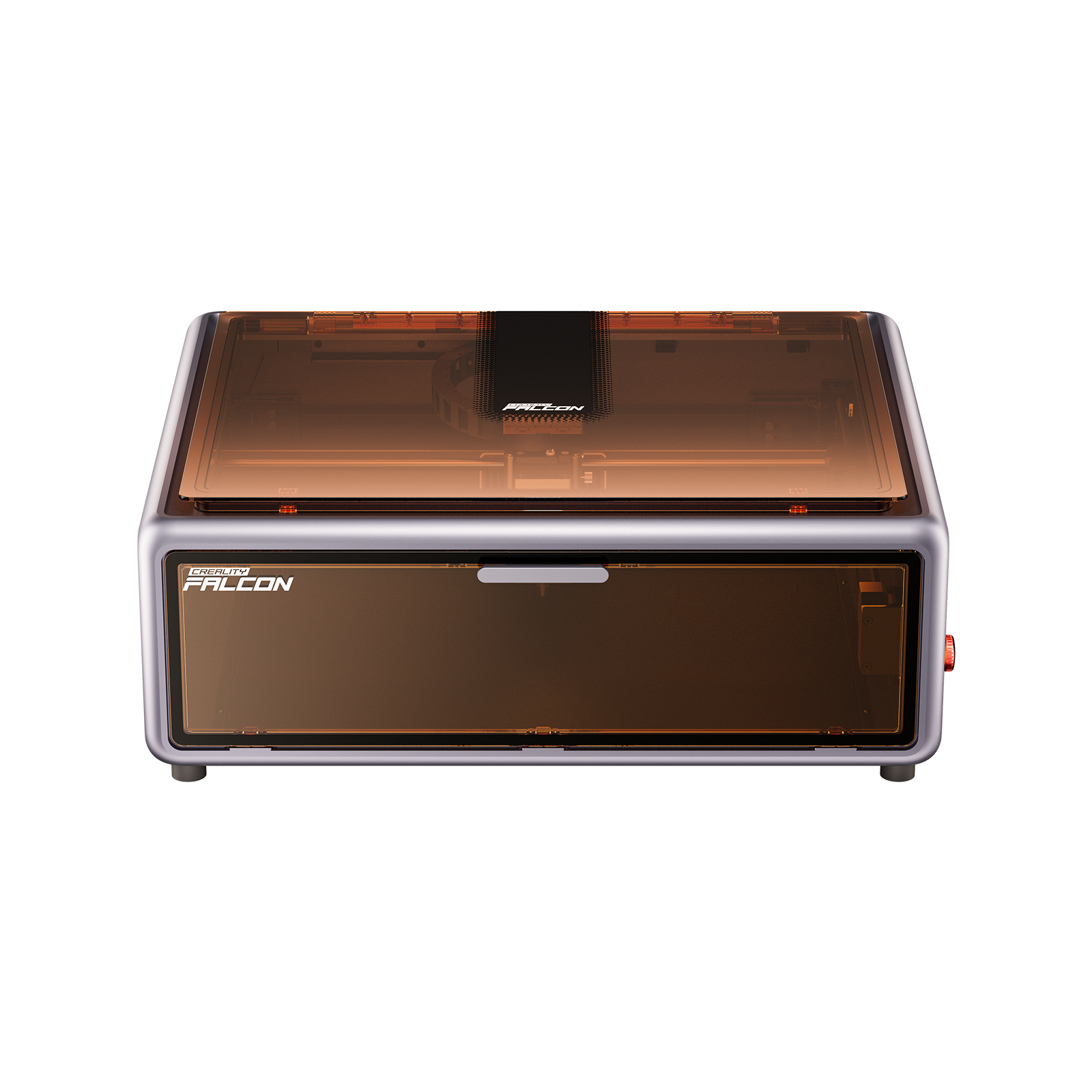
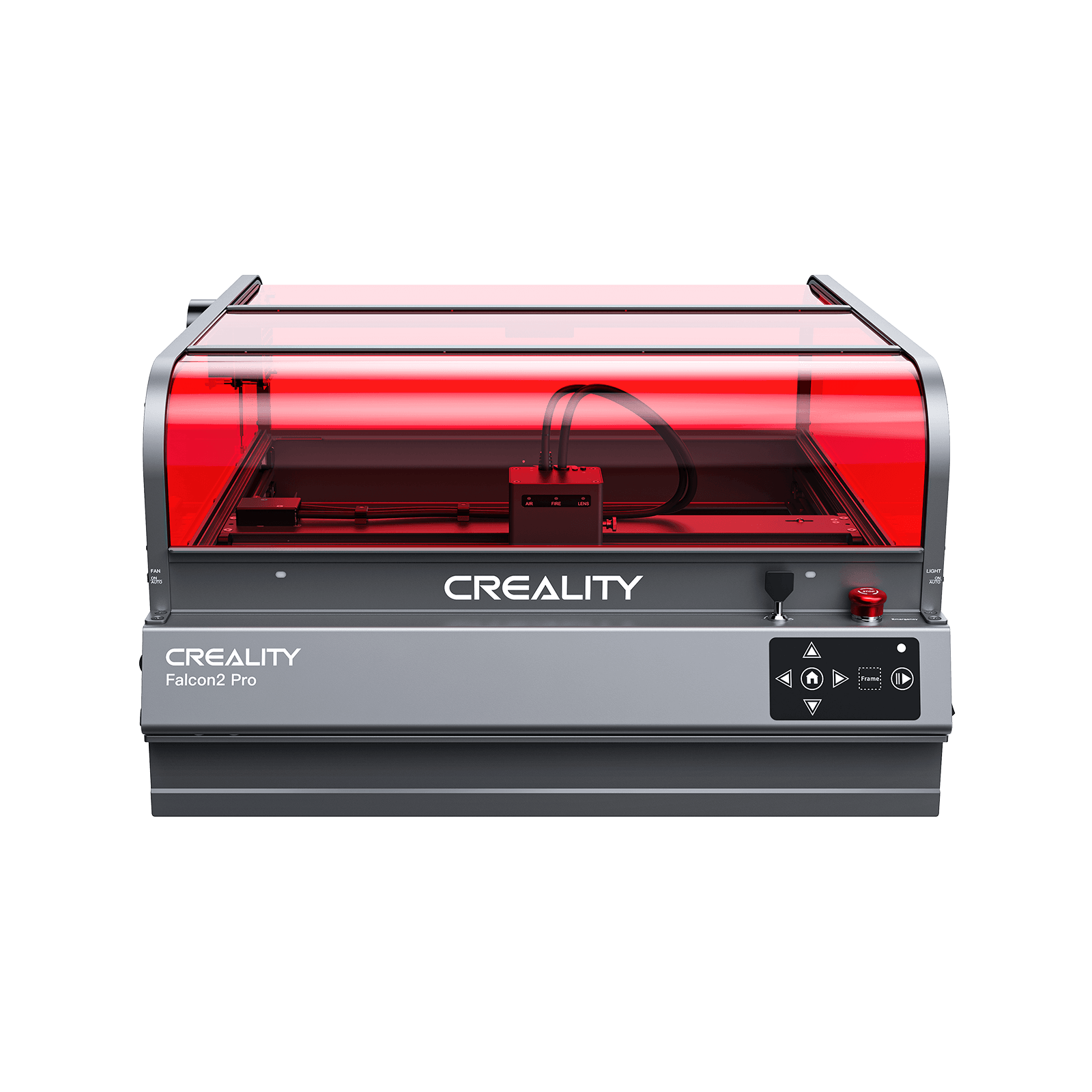
- Enclosure or protective housing
- Lid interlocks
- Emergency stop
- Flame detection
- Effective fume extraction
Budget & Support
- Consider long-term costs (air assist, filters, replacement parts)
- Reliable customer support and an active user community are invaluable
Best-Fit Pick: Desktop CNC Laser Cutter
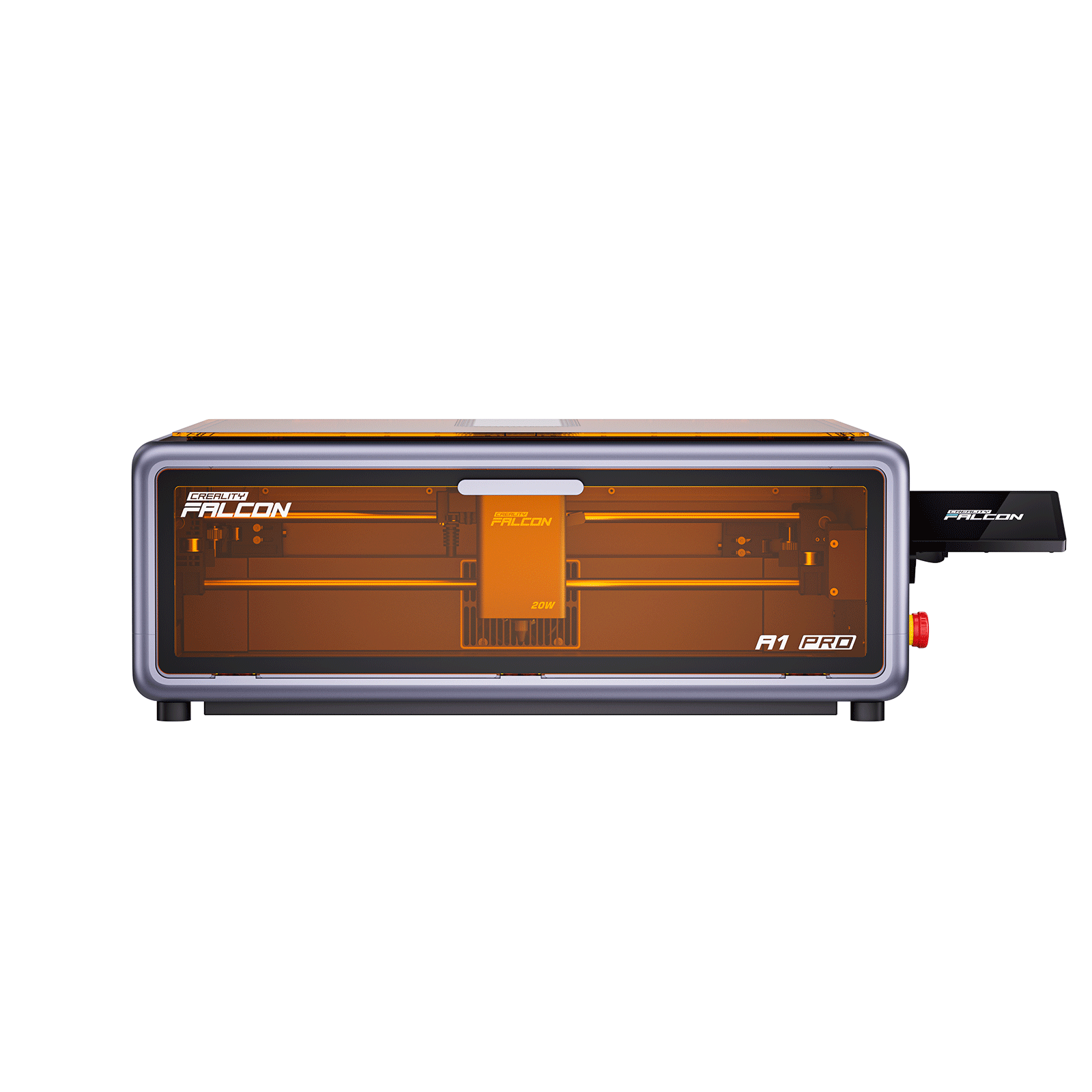
Product: Creality Falcon A1 Pro
Why it fits desktop CNC use well:
- Balanced and Beginner-Friendly Power: The Falcon A1 Pro offers a practical power level that excels at cutting and engraving common materials like wood, acrylic, leather, and paper without overwhelming new users.
- Compact, Enclosed Design: Its desktop-friendly footprint and fully enclosed structure improve safety by containing stray light and fumes, making it more suitable for home workshops and shared spaces.
- Integrated Air Assist: Built-in air assist helps blow away debris and reduces charring, improving edge quality—especially important when working with wood and acrylic on a CNC laser cutter.
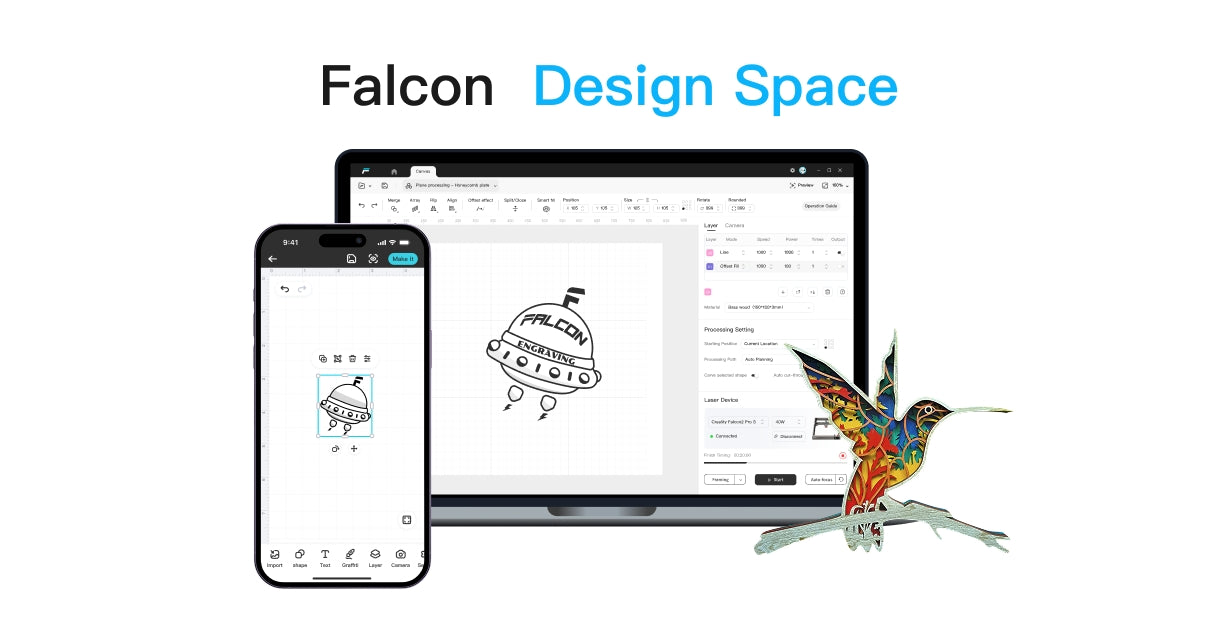
- Easy Software and Controls: Designed for intuitive operation with mainstream software compatibility, it helps beginners get productive fast while still offering depth for more advanced users.
- Reliable Precision: Stable motion and well-tuned components deliver consistent results, improving repeatability across projects—from decor pieces to functional parts.
Soft CTA:
If you’re looking for a powerful, safe, and approachable desktop CNC laser cutter that’s ideal for both beginners and hobbyists, the Falcon A1 Pro delivers strong performance and excellent usability for a wide range of creative and workshop tasks.
Software, Safety, and Maintenance Essentials
Software Workflow
- Design in vector or raster software
- Import into laser control software
- Adjust power, speed, and passes
- Preview and frame before cutting
Safety Essentials
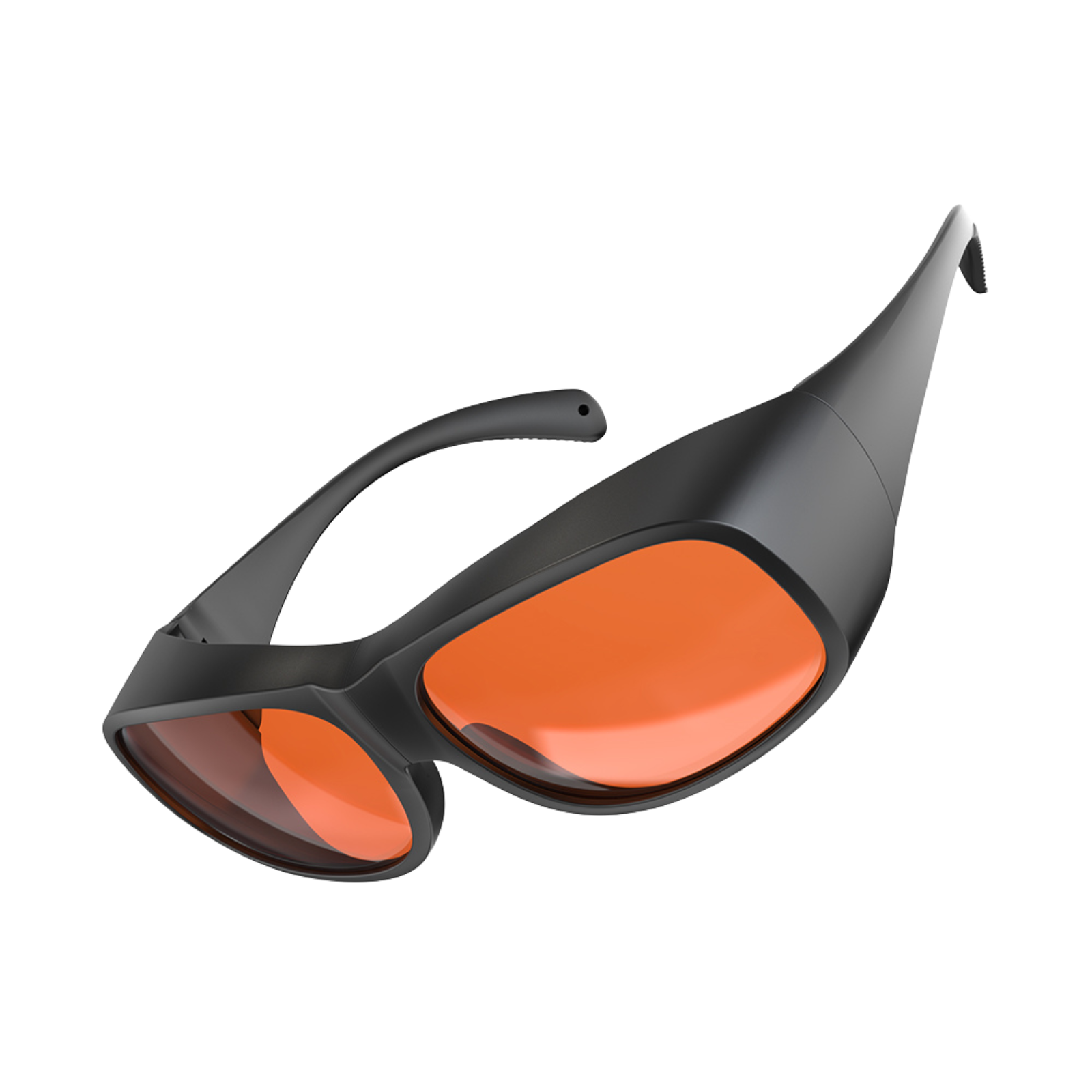
- Always wear laser-rated safety glasses
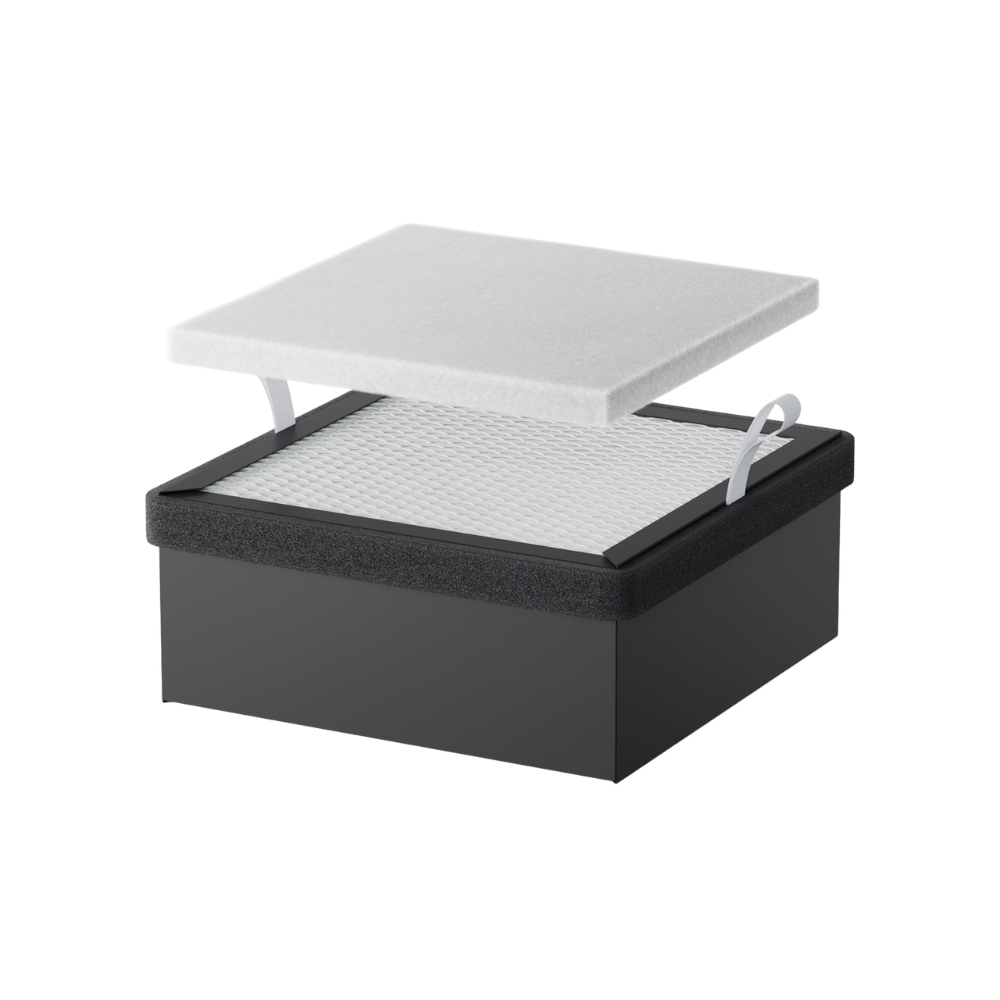
- Use proper ventilation or exhaust systems
- Never leave the machine unattended
- Keep a fire extinguisher nearby
Maintenance Basics
- Clean lenses and optics regularly
- Inspect belts, rails, and wiring
- Keep firmware and software updated
Proper maintenance ensures consistent results and extends machine life.
Getting Started with a Desktop CNC Laser Cutter
Start simple:
- Basic cuts and engravings
- Scrap material tests
- Small projects like tags or keychains
As confidence grows, you can expand into multi-layer designs, new materials, and optimized workflows—fully leveraging the precision of desktop CNC laser cutting.
Conclusion
Desktop CNC laser cutters make precision fabrication accessible without industrial complexity.
By understanding laser types, material compatibility, safety requirements, and practical machine features, you can confidently choose a system that fits your space and creative goals.
Whether for hobby projects, education, or small-scale production, a well-chosen desktop CNC laser cutter becomes a long-term tool—turning digital designs into accurate, repeatable, and professional results.
Recent News

12 World Cup Laser Engraving Ideas for Fans
Explore world cup laser engraving ideas for fan gifts, tumblers, coasters, signs, and safe soccer-inspired designs makers can...

What Materials Does a Laser Cutter Cut Safely
Find out what materials does a laser cutter cut, which plastics to avoid, and how CO2, diode, and...

7 Best Laser Engravers Under $1000
Quick Answer:The best laser engraver under $1000 should be chosen by total setup cost, not machine price alone.For most...