




























A Beginner’s Guide to Diode Laser Engraver

Thinking about stepping into the world of laser engraving?
Diode laser engravers have become a popular choice for hobbyists and small businesses alike.
This guide walks you through how they work, what they can do, and how to choose the right one—so you can get started with confidence.
What Is a Diode Laser Engraver
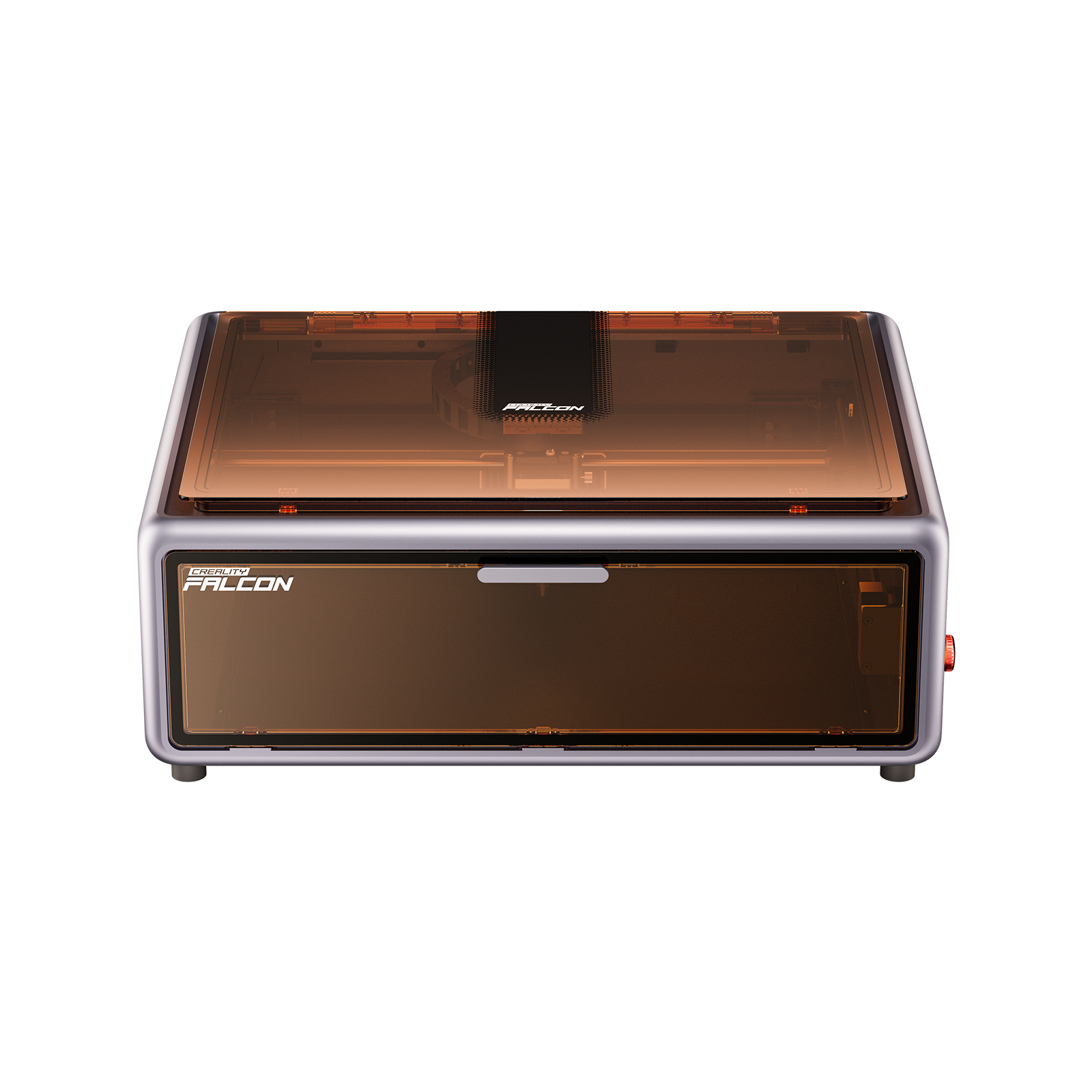
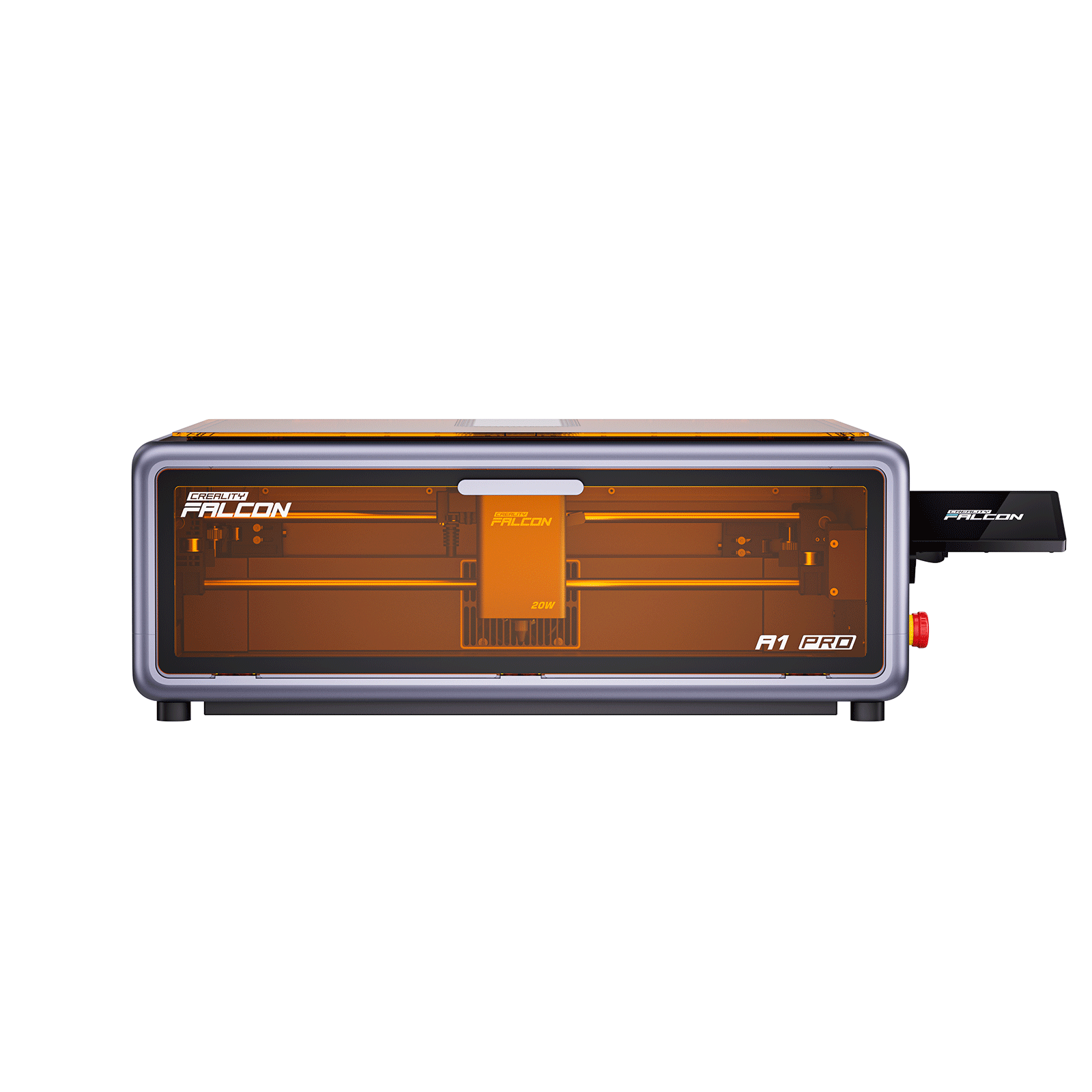
A diode laser engraver is a compact, digitally controlled machine that uses a semiconductor laser to engrave and cut materials with precision.
Operating at blue laser wavelengths (around 450 nm), diode lasers are especially effective on wood, leather, paper, and anodized or coated surfaces.
By adjusting parameters such as laser power, engraving speed, and focal distance, users can create permanent markings without physical tooling, making diode laser engravers a popular choice for hobbyists, small businesses, and educational use.

Understanding Laser Engraving Technology
Laser engraving is a subtractive process.
A high-energy laser beam is focused onto a surface, where it vaporizes, melts, or burns away material to form a lasting mark or cut.
The process is not about brute force, but accuracy—careful control of energy, speed, and focus. Done right, it leaves behind detail that feels intentional, not mechanical.

How a Diode Laser Works
A diode laser generates light using semiconductor diodes, similar in principle to LED technology.
These diodes emit light at specific wavelengths—most commonly blue light around 450 nm.
This wavelength is easily absorbed by many organic and coated materials, which is why diode lasers perform especially well on wood, leather, fabrics, paper, and anodized surfaces.
The energy is efficiently transferred, producing crisp engravings and controlled cuts.
Key Components of a Diode Laser Engraver
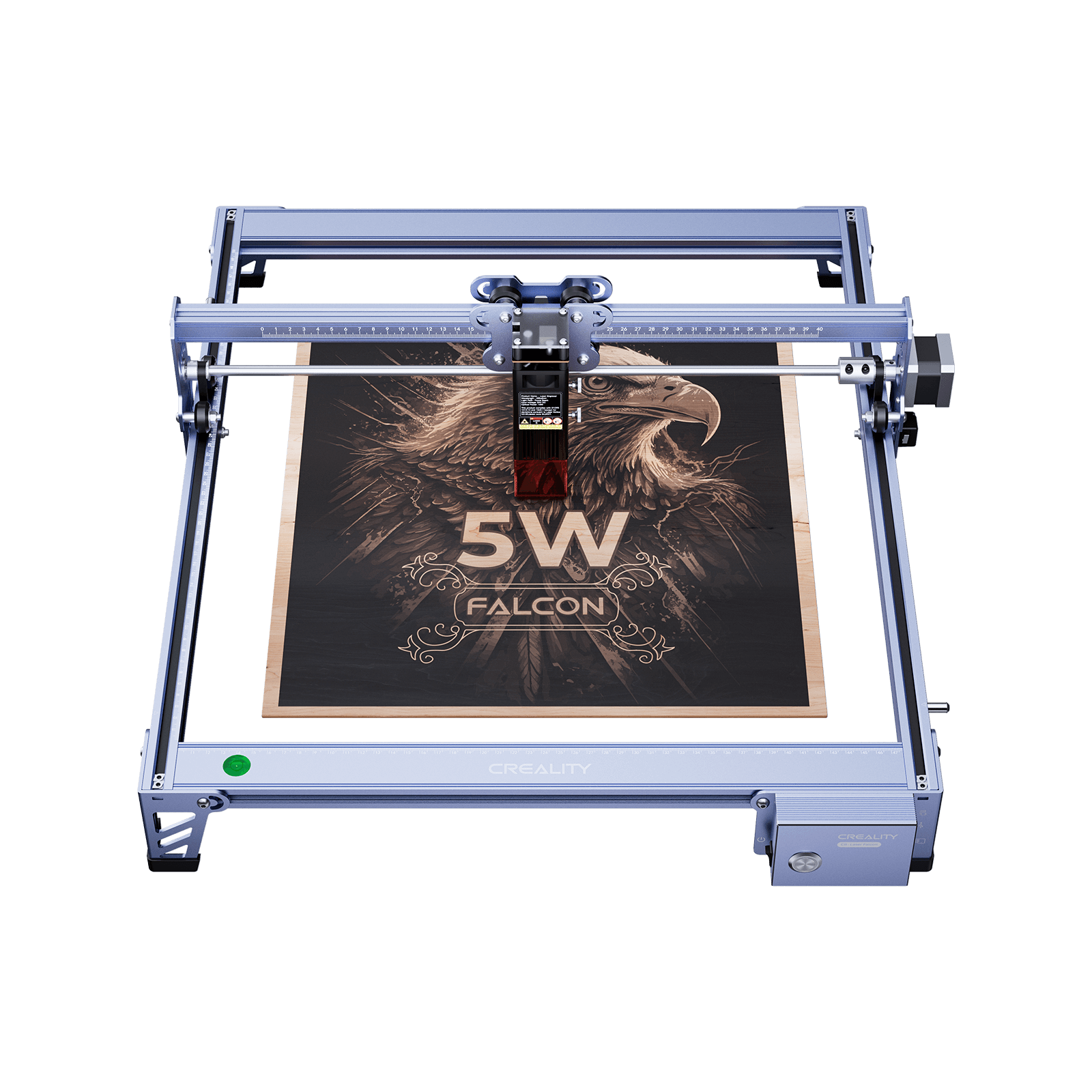
While designs and features vary, most diode laser engravers share the same core structure:
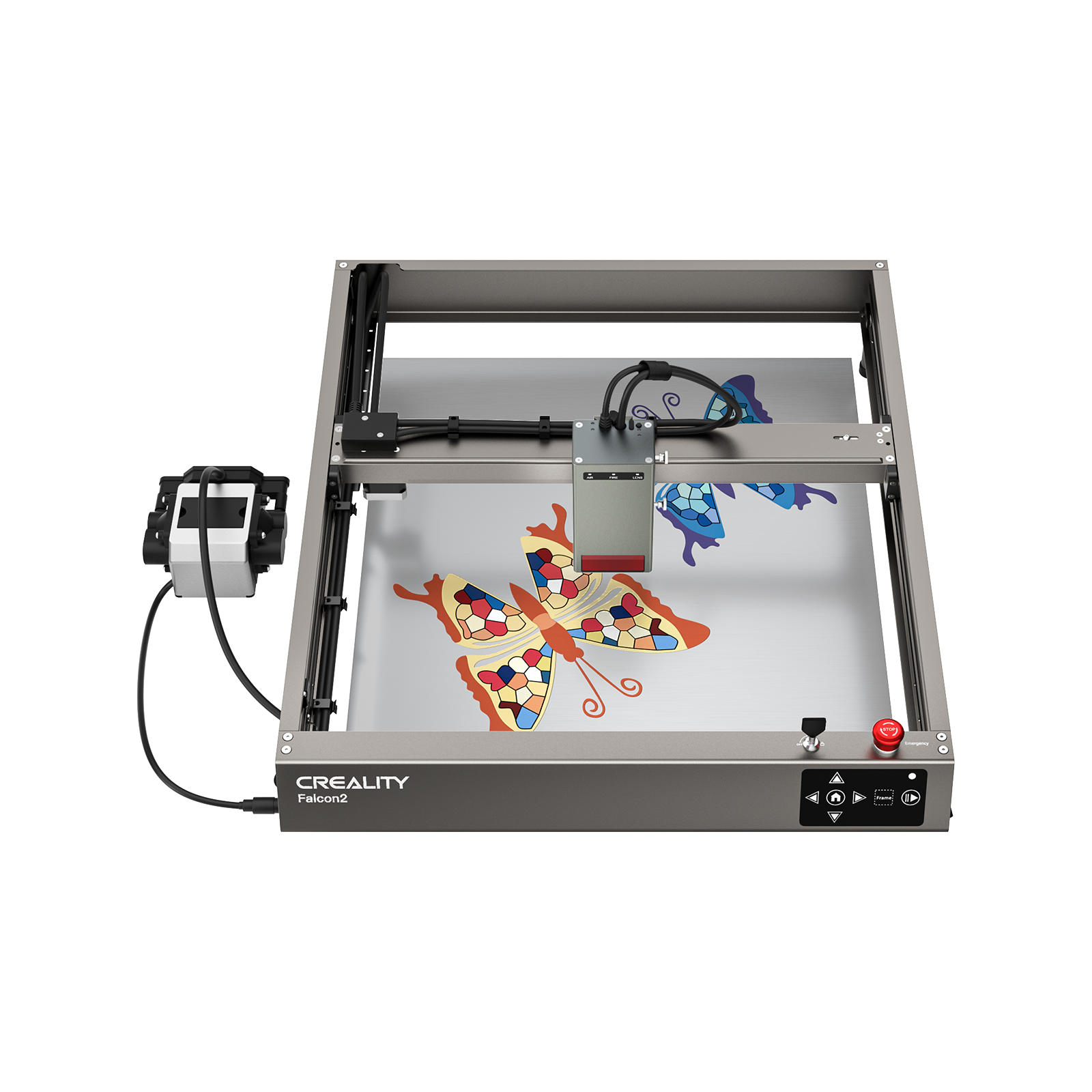
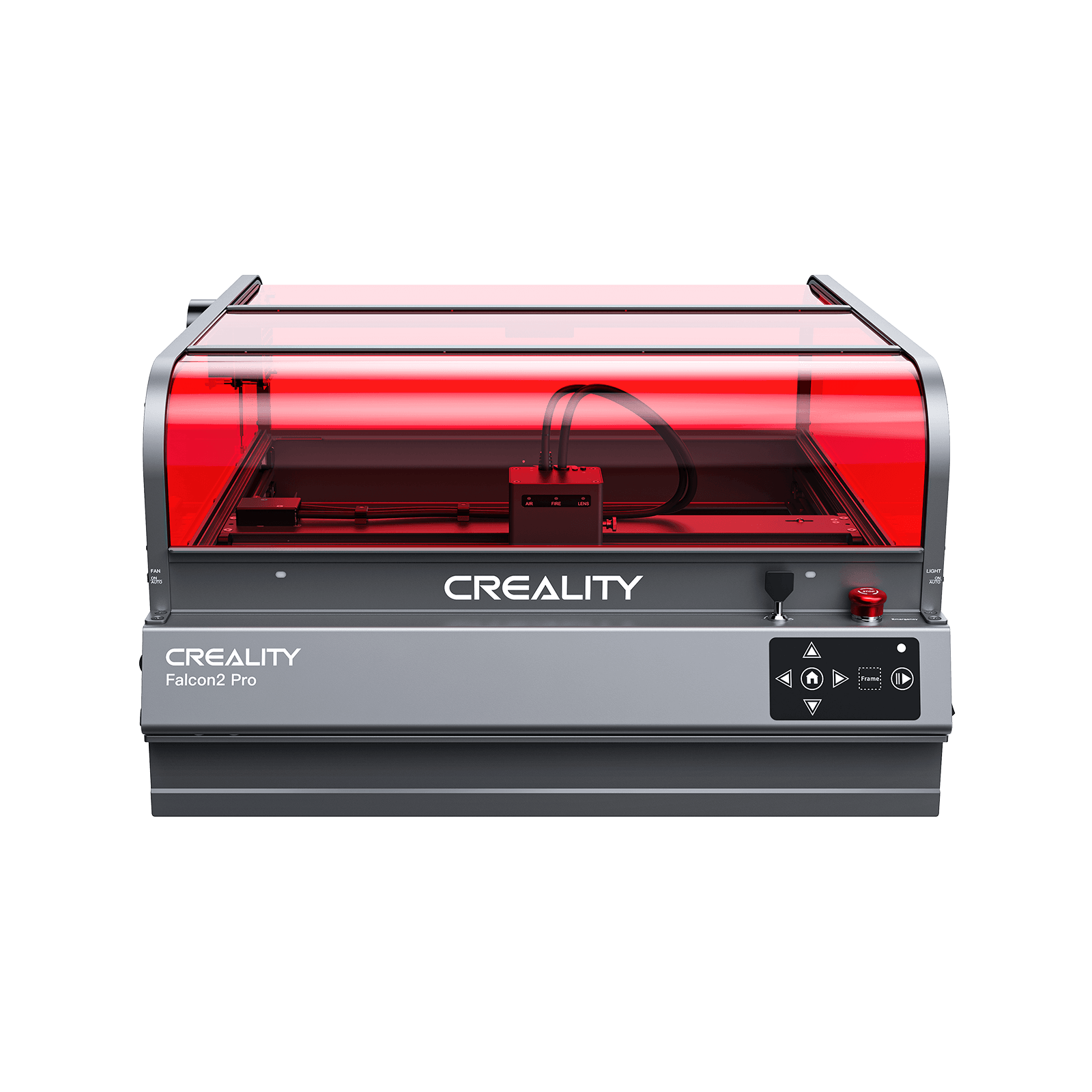
- Laser Module: The heart of the machine, housing the diode and focusing lens that shapes the beam.
- Frame: A rigid structure that maintains stability and accuracy during movement.
- Stepper Motors: Precision motors that guide the laser head along the X and Y axes.
- Control Board: The system’s brain, translating digital designs into motion and laser output.
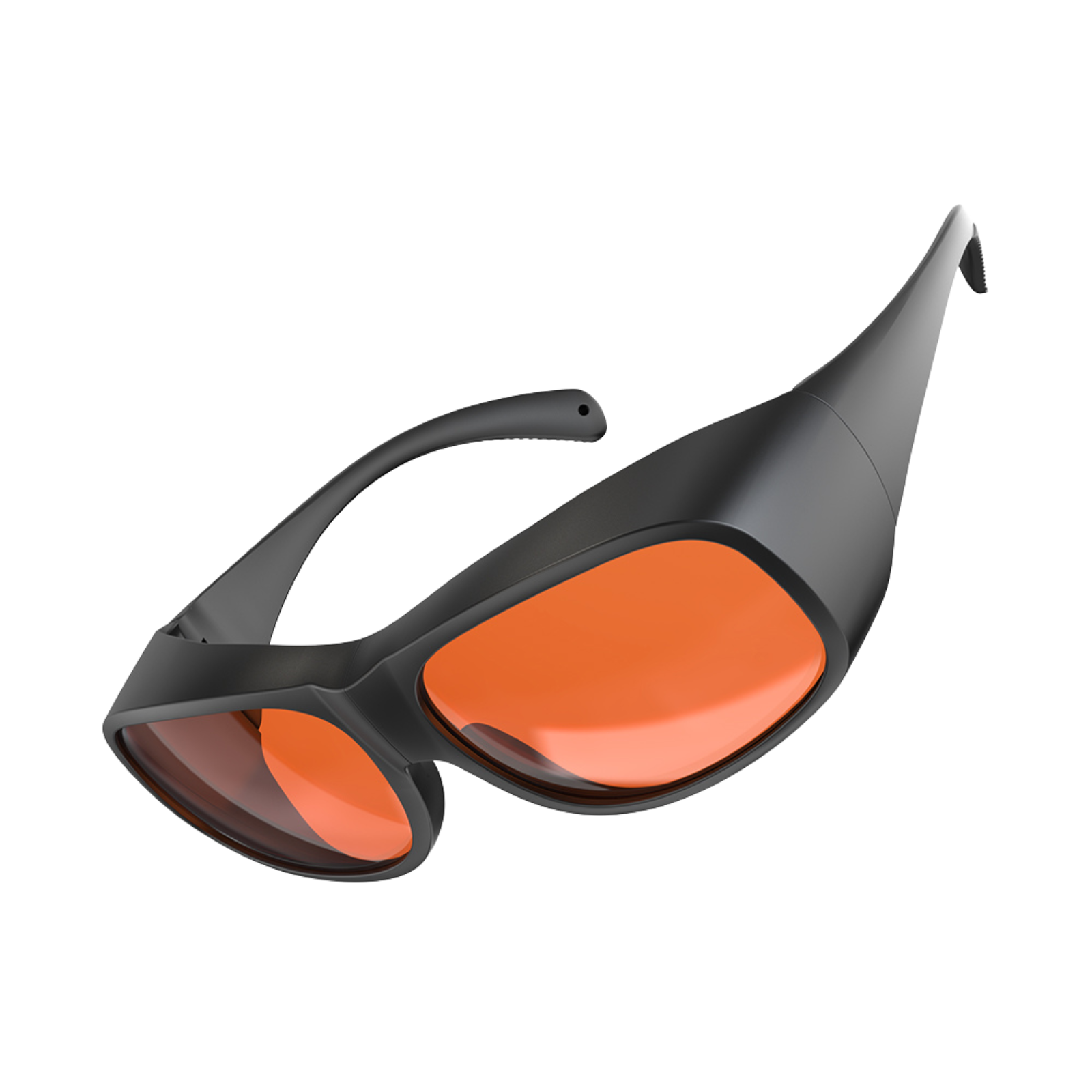
- Safety Features: Emergency stops, protective shielding, and motion sensors designed to reduce risk during operation.
Diode Laser Engraver Pros & Cons
Like any tool, diode laser engravers come with both strengths and limitations.
Understanding both helps set realistic expectations.
Why Choose a Diode Laser Engraver
- Affordability: One of the most accessible entry points into laser engraving.
- Compact Size: Lightweight designs that fit easily into home workshops or classrooms.
- Ease of Use: Straightforward setup and operation, ideal for beginners.
- Low Maintenance: Fewer moving parts and sealed laser modules reduce ongoing upkeep.
- Air-Assist Support: Improves cut quality and reduces burn marks.
Limitations to Keep in Mind
- Lower Power Output: Slower cutting speeds and limited depth.
- Material Restrictions: Not suitable for clear acrylic or bare metals.
- Shorter Module Lifespan: Modules wear faster than fiber sources.
What Materials Can a Diode Laser Work With
Engraving Capabilities
- Wood
- Leather
- Paper & Cardstock
- Certain Plastics
- Fabric
- Anodized Aluminum
- Coated Metals
- Slate & Ceramics
Cutting Capabilities
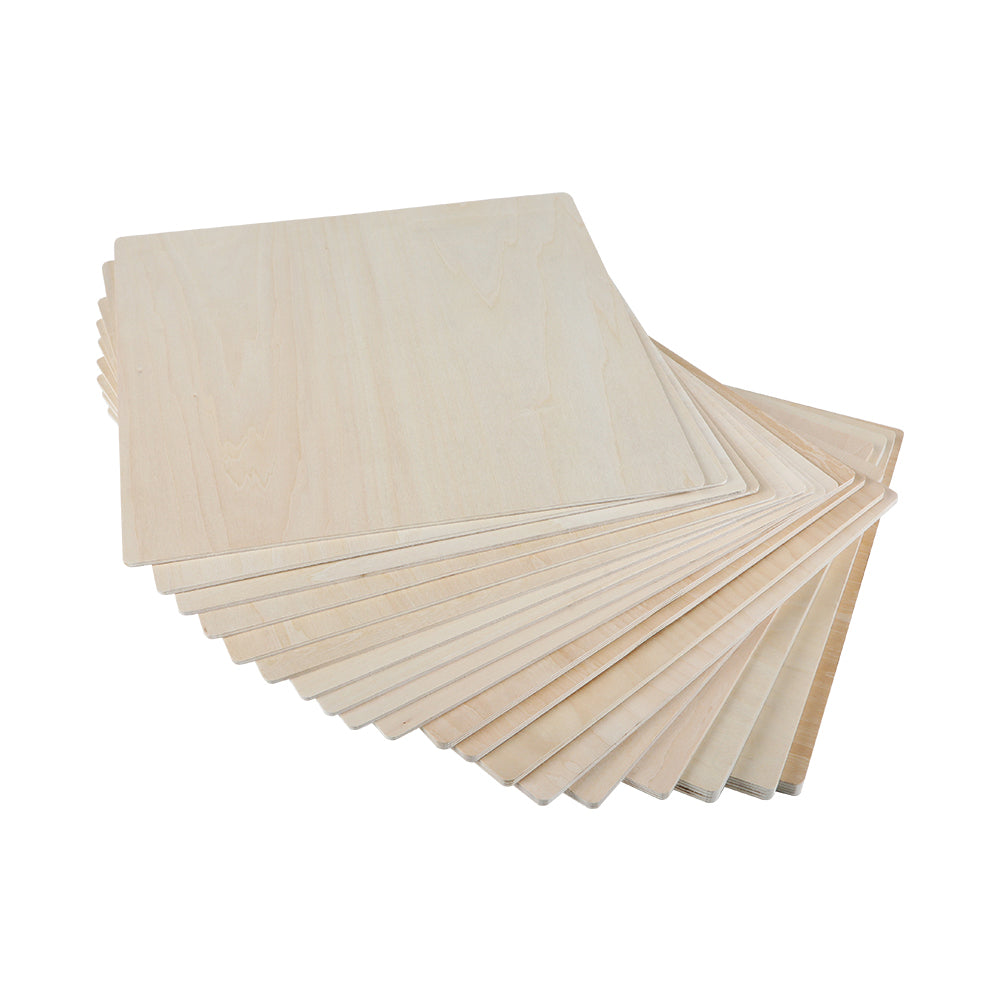
- Thin wood
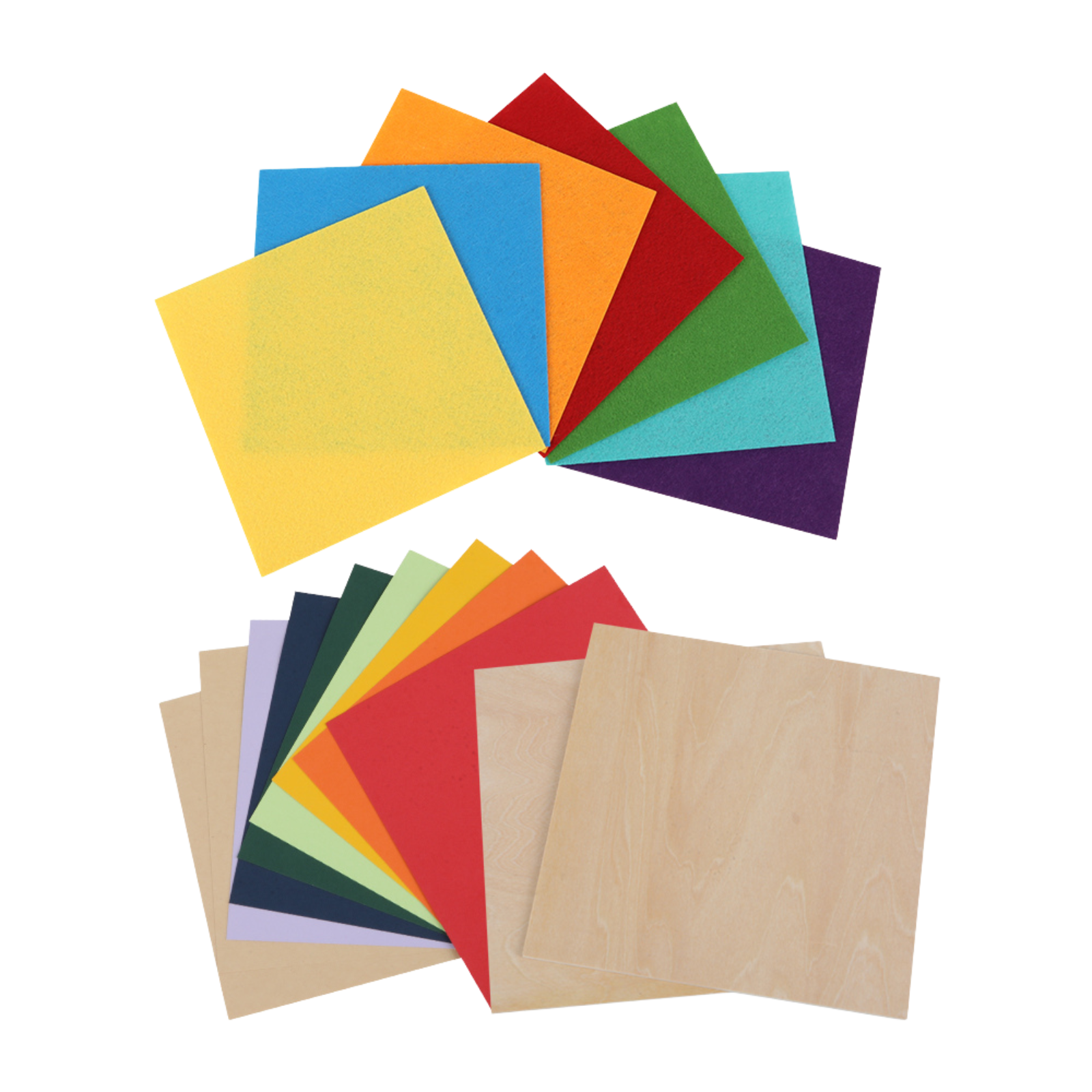
- Paper & felt
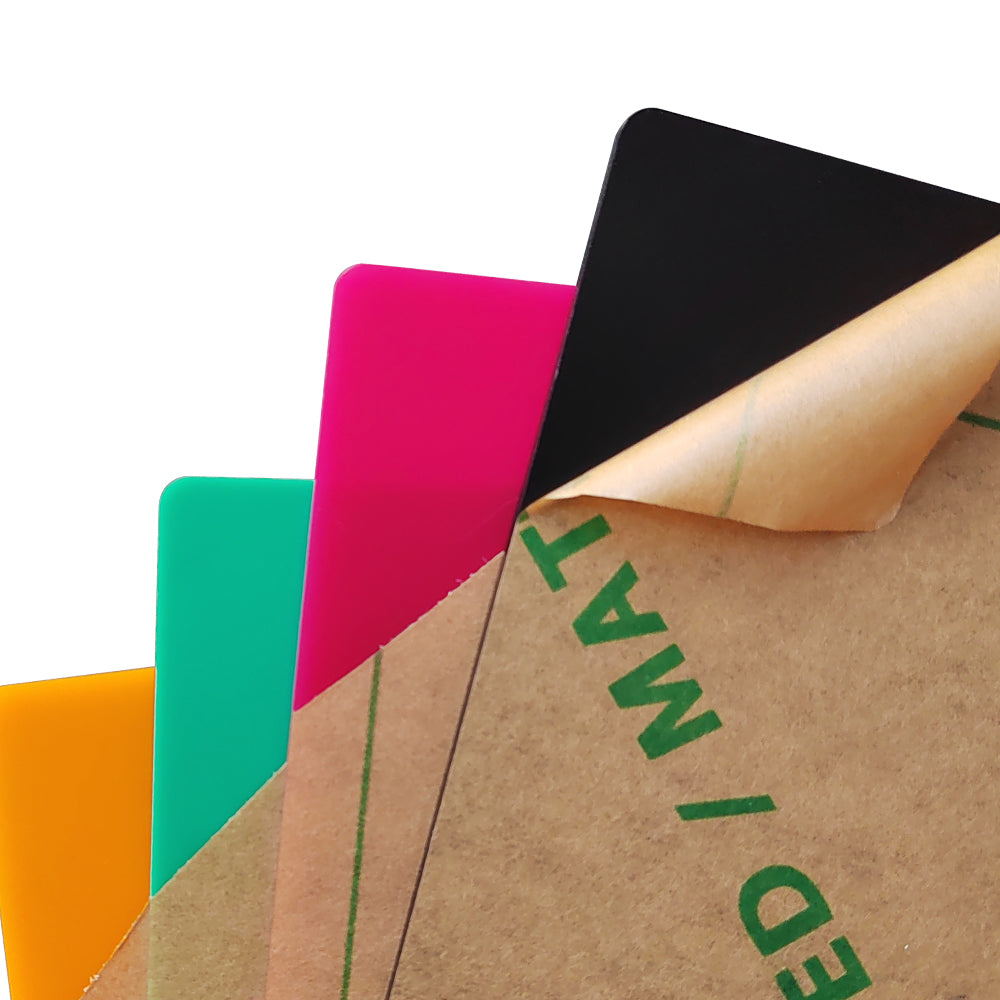
- Opaque acrylic (thin)
- Leather
Materials to Avoid or Use With Caution
- Transparent materials
- PVC
- Bare reflective metals
- Unknown foams & plastics
Real-World Engraving Examples
| Material | Optical Power | Speed | Result |
| Birch plywood | 10W | 3000 mm/min | Clean engraving |
| Vegetable-tanned leather | 10W | 4000 mm/min | High contrast |
| Anodized aluminum | 10W | 2000 mm/min | Sharp mark |

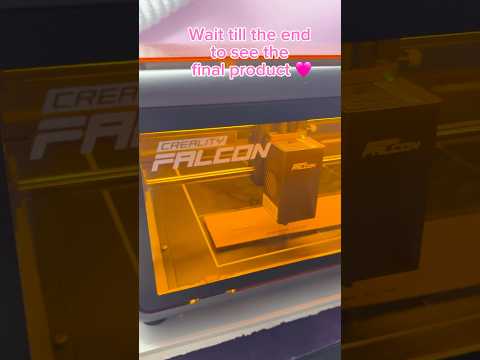
"Wood Engraving Test using Falcon A1 Pro"
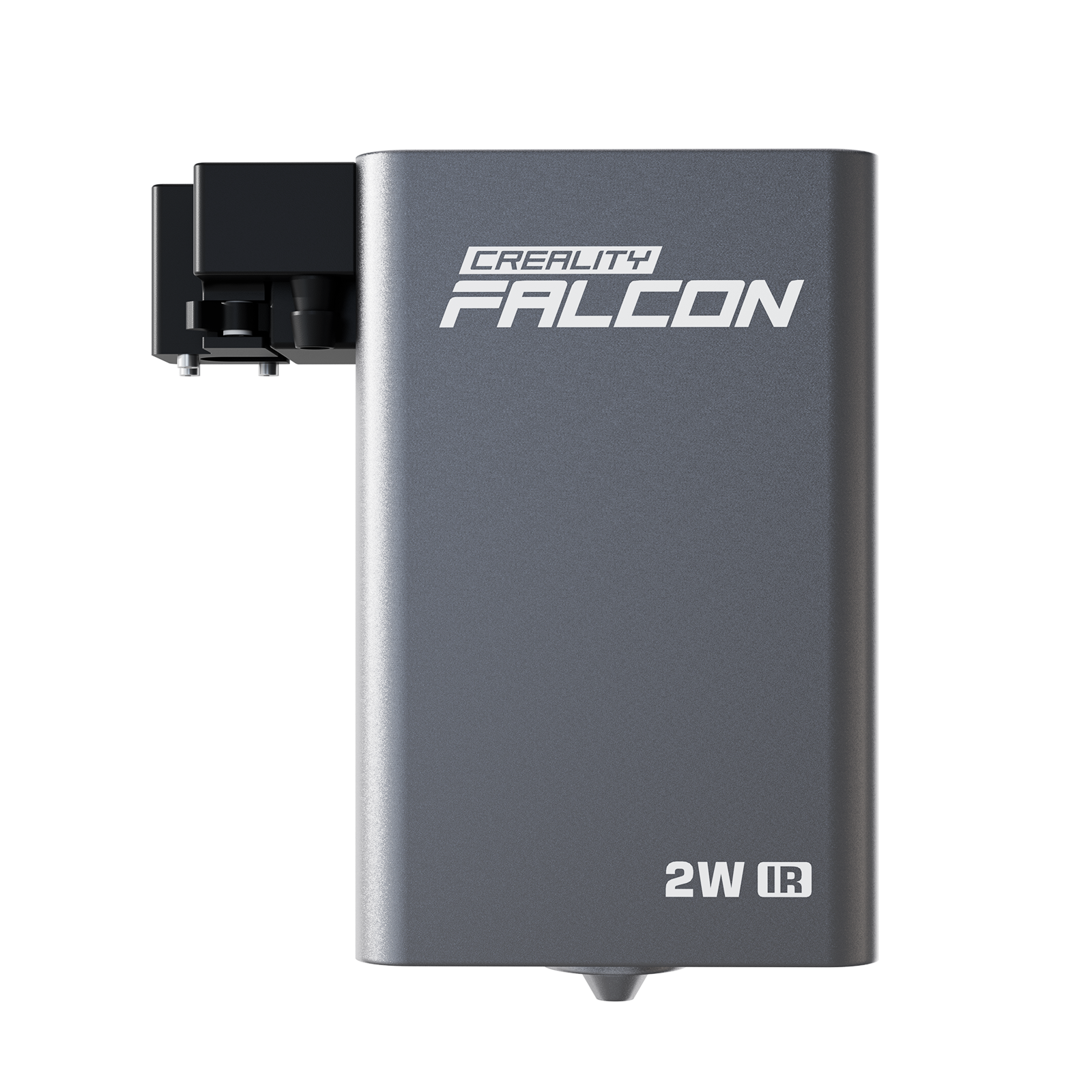
Infrared (IR) Diode Lasers: A Specialized Option
While most diode laser engravers use blue light, some systems also incorporate red or infrared (IR) diode lasers for specific engraving and marking tasks.
Infrared diode lasers operate at longer wavelengths than blue diodes, which changes how the laser energy interacts with different materials.
Instead of being strongly absorbed by organic surfaces like wood or leather, infrared wavelengths are better suited for certain metals, plastics, and fine surface marking applications.
Because of this, IR diode lasers are often used for:
- High-contrast marking on some metals
- Plastic and polymer engraving
- Jewelry and precision marking
- Applications where minimal surface damage is required

It’s important to note that infrared diode lasers are not a direct replacement for blue diode lasers.
In most desktop engraving systems, IR lasers are offered as optional modules or specialized configurations, designed to expand material compatibility rather than replace standard engraving capabilities.
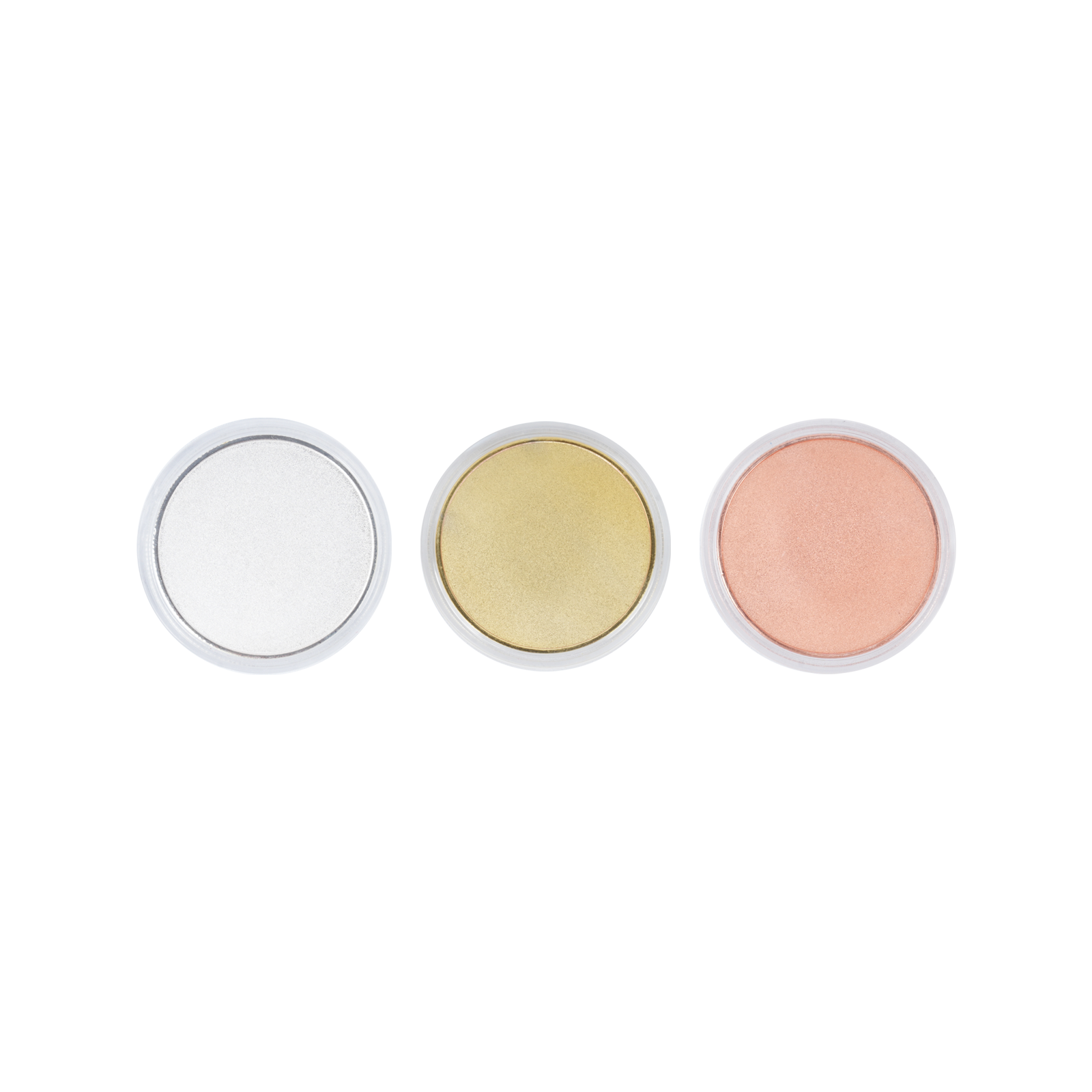
In short, blue diode lasers handle most everyday engraving tasks, while infrared diode lasers serve as a complementary tool for more specialized materials and applications like dog tags.

Final Thoughts
A diode laser engraver is not about raw power—it’s about accessible precision.
Choose carefully, work safely, and let light do the cutting.
Recent News

12 World Cup Laser Engraving Ideas for Fans
Explore world cup laser engraving ideas for fan gifts, tumblers, coasters, signs, and safe soccer-inspired designs makers can...

What Materials Does a Laser Cutter Cut Safely
Find out what materials does a laser cutter cut, which plastics to avoid, and how CO2, diode, and...

7 Best Laser Engravers Under $1000
Quick Answer:The best laser engraver under $1000 should be chosen by total setup cost, not machine price alone.For most...