



























How to Cut Clear Acrylic with a Diode Laser (What Actually Works)

If you’re here looking for a way to cut clear acrylic with a diode laser cutter, you’re in the right place.
Clear acrylic is tough for diode lasers, so cuts often fail, melt, or smoke.
In this blog, I’ll explain why it happens and share three practical methods to help you cut thin sheets more successfully.
Can a Diode Laser Cut Clear Acrylic
Let’s be clear about one thing first.
A diode laser usually can’t cut clear acrylic directly the same way it cuts wood or dark acrylic.
You typically won’t get that smooth, polished, CO2-style edge.
But that doesn’t mean clear acrylic is completely off the table.
With the right prep—mainly by adding a dark surface layer using paint or tape—you can sometimes cut very thin clear acrylic, or at least get usable results for prototypes and small projects. It won’t be fast, and it won’t be perfect, but it can work.
Why Diode Lasers Struggle with Clear Acrylic
Diode lasers cut by heating the material where the beam hits.
That’s why they work so well on materials that naturally absorb the diode wavelength, like wood and leather.
Most diode lasers use blue light around 445nm.
Clear acrylic (PMMA) is transparent to visible light, including that blue wavelength.
So instead of absorbing the laser energy and turning it into heat, the beam mostly passes right through.
That’s why you often see:
- No strong cut line
- Very little material removal
- Light passing through with minor melting or haze
This is also why CO2 lasers cut clear acrylic so easily.
CO2 lasers operate at 10.6µm infrared, which clear acrylic absorbs extremely well.
That wavelength match is the real reason CO2 gets clean, reliable cuts.
For diode lasers, the key idea is simple:
- If clear acrylic won’t absorb the beam, you need to help it absorb by adding a surface layer that can take the heat.
How to Cut Clear Acrylic with a Diode Laser (3 Methods)
If you absolutely need to cut clear acrylic with a diode laser, the only real strategy is this:
- You must add a surface layer that absorbs the diode laser’s blue light.
- Clear acrylic doesn’t absorb 445nm well, so the beam passes through.
- By adding a dark layer on the surface, you give the laser something it can actually bite into.
- The heat then transfers into the acrylic underneath.
- Just keep your expectations realistic.
These methods can help you cut thin clear acrylic, but the results usually won’t look as clean as CO2 laser cuts.
Method 1: Matte Black Spray Paint
This is the most reliable workaround because it creates the strongest absorption layer.
How to do it
- Clean the acrylic surface (wipe with alcohol if possible)
- Spray a thin, even coat of matte black paint on one side
- Let it dry fully
- Cut from the painted side
- Remove the paint after cutting
Pros
- Best chance of getting a real cut
- More consistent than tape for most users
Cons
- Messy
- Burning paint creates extra smoke and fumes
- Edges may still melt or look rough
- Requires cleanup afterward
Method 2: Black Tape or Dark Masking
This is basically “spray paint without the mess.” You’re still creating an absorption layer, just using tape.
How to do it
- Apply black electrical tape or dark masking tape smoothly
- Press it flat to avoid bubbles
- Cut from the taped side
- Peel off the tape and clean any residue
Pros
- Quick to test
- Less messy than spray paint
- Easier cleanup most of the time
Cons
- Tape can melt or burn
- Can leave glue residue
- Less consistent than paint on thicker cuts
Method 3: Laser Marking Spray
Some users try laser marking sprays (often sold for marking metal) as an absorption layer for clear acrylic.
How to do it
- Spray a thin layer, let it dry, then cut as usual.
Pros
- Can improve absorption
- Sometimes cleaner than paint depending on the product
Cons
- Often expensive
- Not designed specifically for acrylic cutting
- Results vary a lot by brand
Settings That Give You the Best Chance
These settings only make sense for very thin clear acrylic, typically around 1–2mm.
Power and Speed
- Use maximum power (100%)
- Use a very slow speed (around 50–150 mm/min as a starting point)
Multiple Passes
- Expect many passes
- Don’t assume it will cut in 1–3 passes like wood
Focus
- Perfect focus matters more than usual
- Even a small focus error can stop the cut completely
Air Assist
- Strongly recommended
- Helps reduce melting, clears debris, and improves cut consistency
What Thickness Is Realistic
Even with all these fixes, clear acrylic is still limited.
In most cases:
- 1mm is the realistic starting point
- 2mm may work, but it gets slow and messy fast
- Anything thicker usually becomes more frustration than it’s worth
The biggest problem isn’t only whether it cuts through. It’s whether the edge quality is acceptable when you’re done.
Best Settings to Cut Acrylic with a Diode Laser
Cutting acrylic with a diode laser is all about controlling heat.
Acrylic melts easily, so the goal is to cut through efficiently while keeping the edge as clean as possible.
For best results, always start with a small test grid first, because different acrylic sheets can behave very differently.
Here’s a solid starting point for thin acrylic (1–3mm):
- Power: 90–100%
- Speed: 80–200 mm/min
- Passes: 3–10 (start low, then add passes if needed)
- Air Assist: On (strongly recommended)
- Focus: Perfect focus on the surface, re-check before cutting
- Line Interval: Not needed for cutting (use a single vector cut line)
If you’re trying to cut clear acrylic with workarounds like spray paint or black tape, use more aggressive settings:
- Power: 100%
- Speed: 50–150 mm/min
- Passes: Expect many passes
- Air Assist: Must-have to reduce melting and flare-ups
One more tip that makes a big difference: if your acrylic is melting too much, don’t instantly increase power.
Instead, try a slightly faster speed and more passes, because slow cutting can overheat the same area and ruin the edge.
Final Verdict
So, how do you cut clear acrylic with a diode laser?
The honest answer is: you usually don’t cut it the “normal” way.
You can try workarounds like paint or tape, and you might get through very thin sheets with enough patience.
But it won’t be fast, it won’t be clean, and it won’t feel like real acrylic laser cutting.
If you want clean, reliable clear acrylic cutting, a CO2 laser is the best tool.
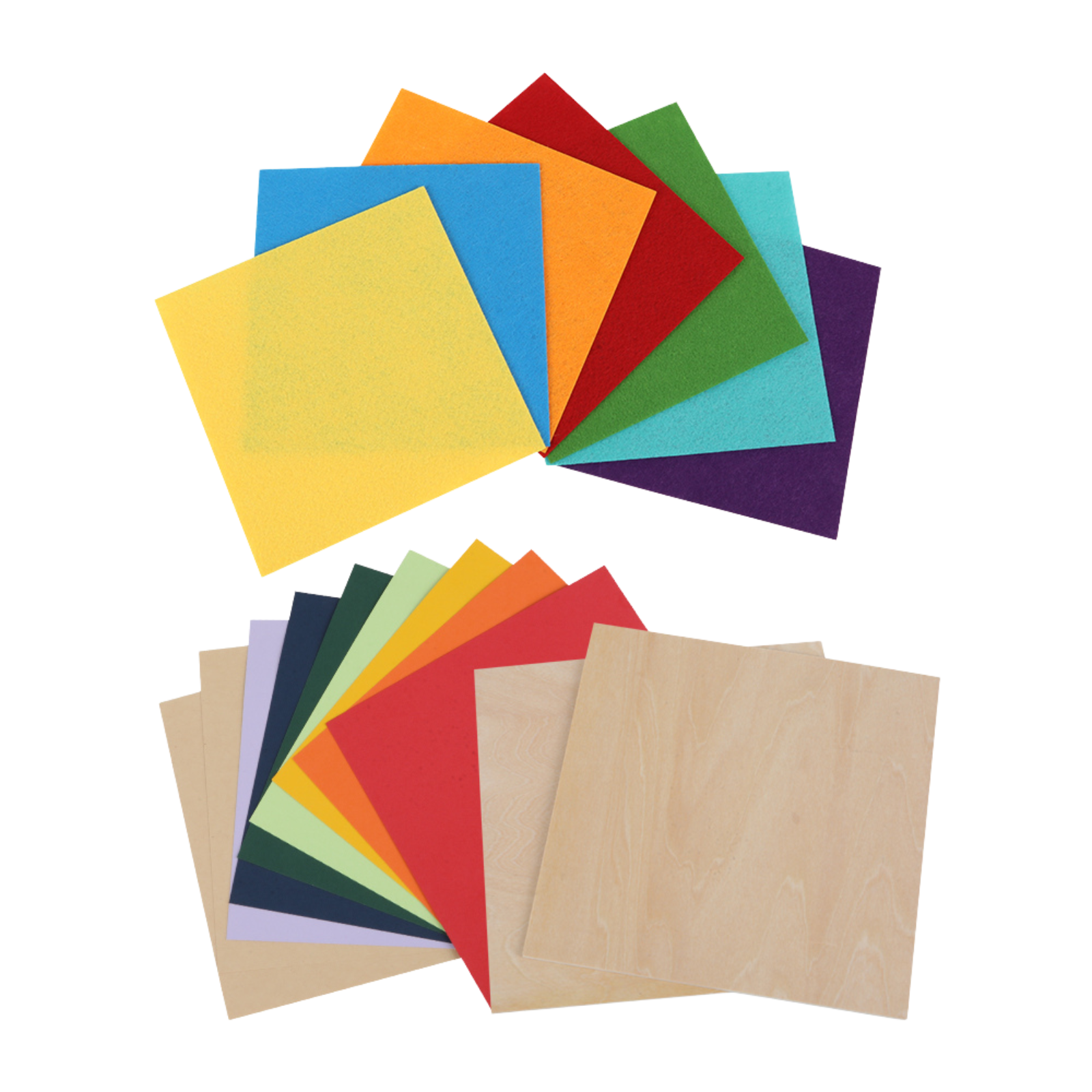
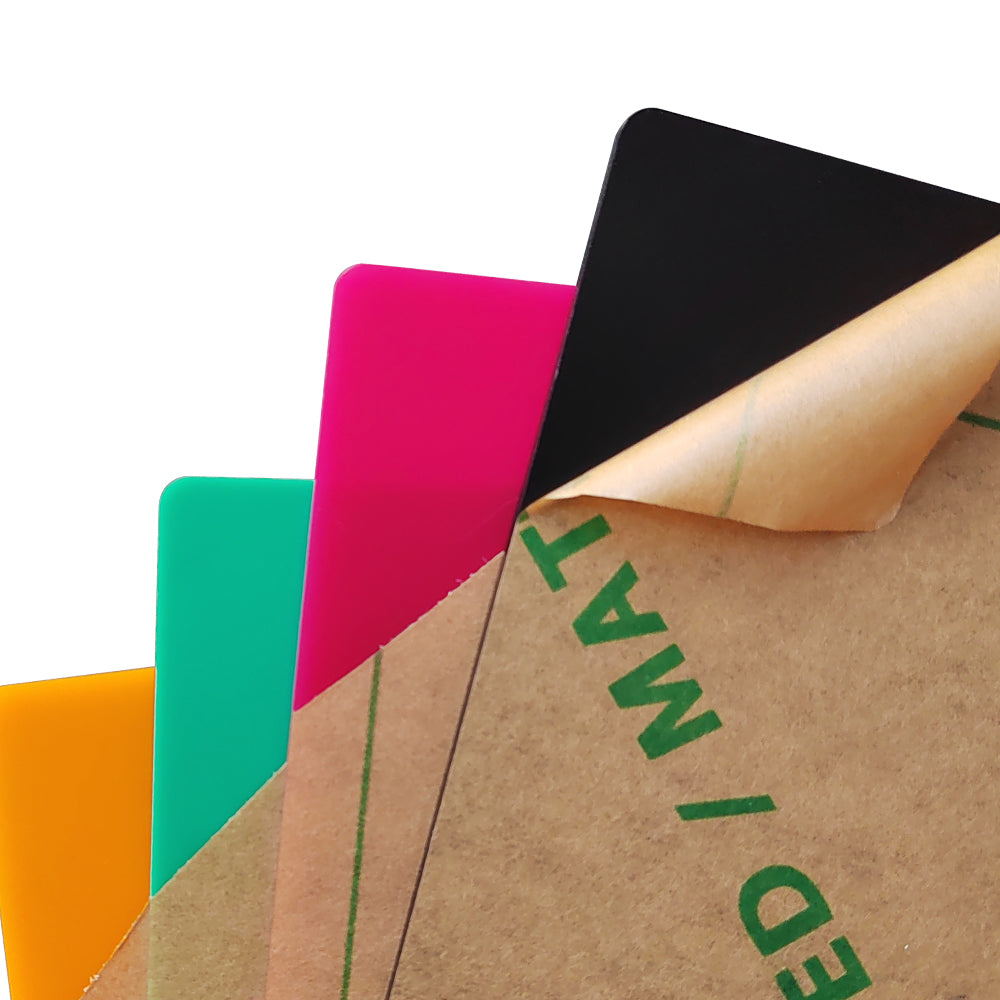
If you want to stay with a diode laser, switch to opaque or colored acrylic instead. That’s the move that makes your workflow easier and your results more consistent.
Recent News

12 World Cup Laser Engraving Ideas for Fans
Explore world cup laser engraving ideas for fan gifts, tumblers, coasters, signs, and safe soccer-inspired designs makers can...

What Materials Does a Laser Cutter Cut Safely
Find out what materials does a laser cutter cut, which plastics to avoid, and how CO2, diode, and...

7 Best Laser Engravers Under $1000
Quick Answer:The best laser engraver under $1000 should be chosen by total setup cost, not machine price alone.For most...