




















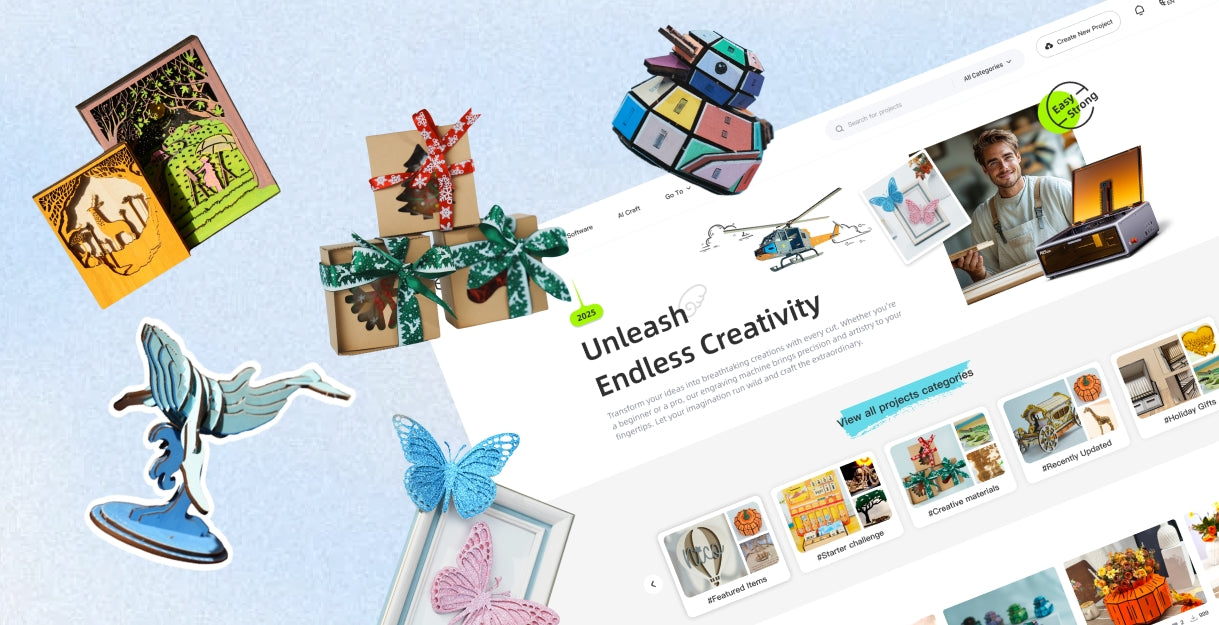



How to Make Money with a Laser Engraver

A laser engraver is more than a creative tool—it can also become a reliable source of income.
From personalized gifts to corporate branding products, laser engraving opens the door to a wide range of profitable business opportunities.
Many small makers and home workshops use laser engravers to sell customized products online, produce branded items for local businesses, or create seasonal products for events and holidays.
This guide explores practical strategies for turning a laser engraver into a small business, including profitable niches, workflow setup, pricing strategies, and marketing channels.
Step 1: Identify Profitable Niches
Successful laser engraving businesses usually balance custom one-off products with repeatable product lines.
Popular niche categories include:
- personalized gifts
- wedding decorations
- corporate awards and branded items
- pet memorial plaques
- home décor products
Custom orders often provide higher profit margins but require more design work. Batch products, on the other hand, allow faster production and easier inventory planning.
Local B2B opportunities are also worth exploring.
Many businesses need items such as:
- signage
- promotional products
- engraved nameplates
- branded corporate gifts

These projects can generate repeat orders and long-term clients.
Before choosing a niche, it is helpful to evaluate local demand, competitor offerings, and the ability to create unique product designs.
Step 2: Build an Efficient Production Workflow
Running a profitable laser engraving business requires an efficient workflow.
A typical setup includes:
- a reliable laser engraver
- ventilation or fume extraction
- material storage
- finishing tools such as sanders or sealants
Dividing the workspace into dedicated areas helps improve productivity:
- design preparation
- engraving operation
- finishing and packaging
Templates and jigs can also help maintain consistent positioning when producing multiple pieces.
Regular machine maintenance is equally important. Cleaning lenses, checking belts, and monitoring machine performance reduces downtime and helps maintain engraving quality.
Recommended Machine for Small Laser Businesses
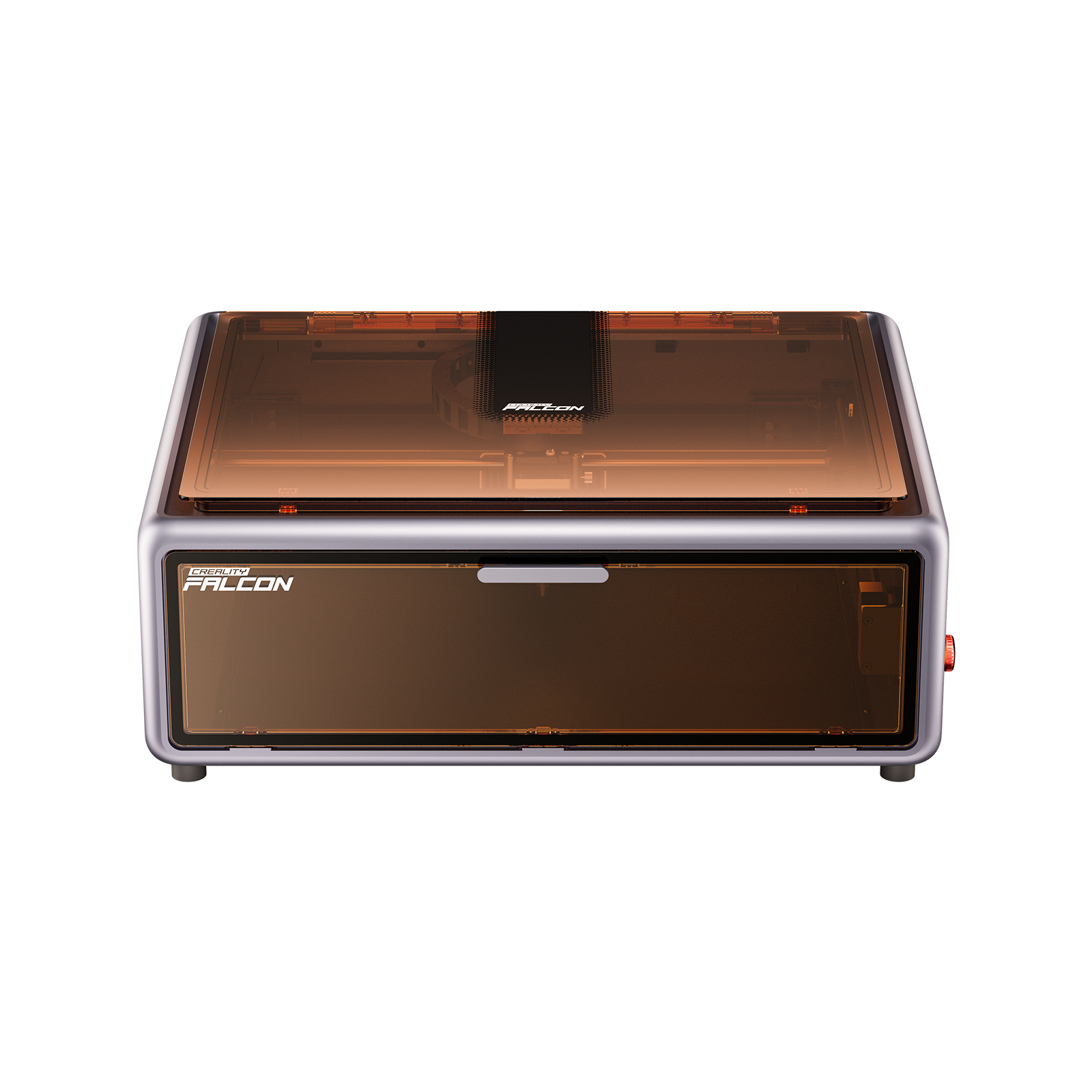
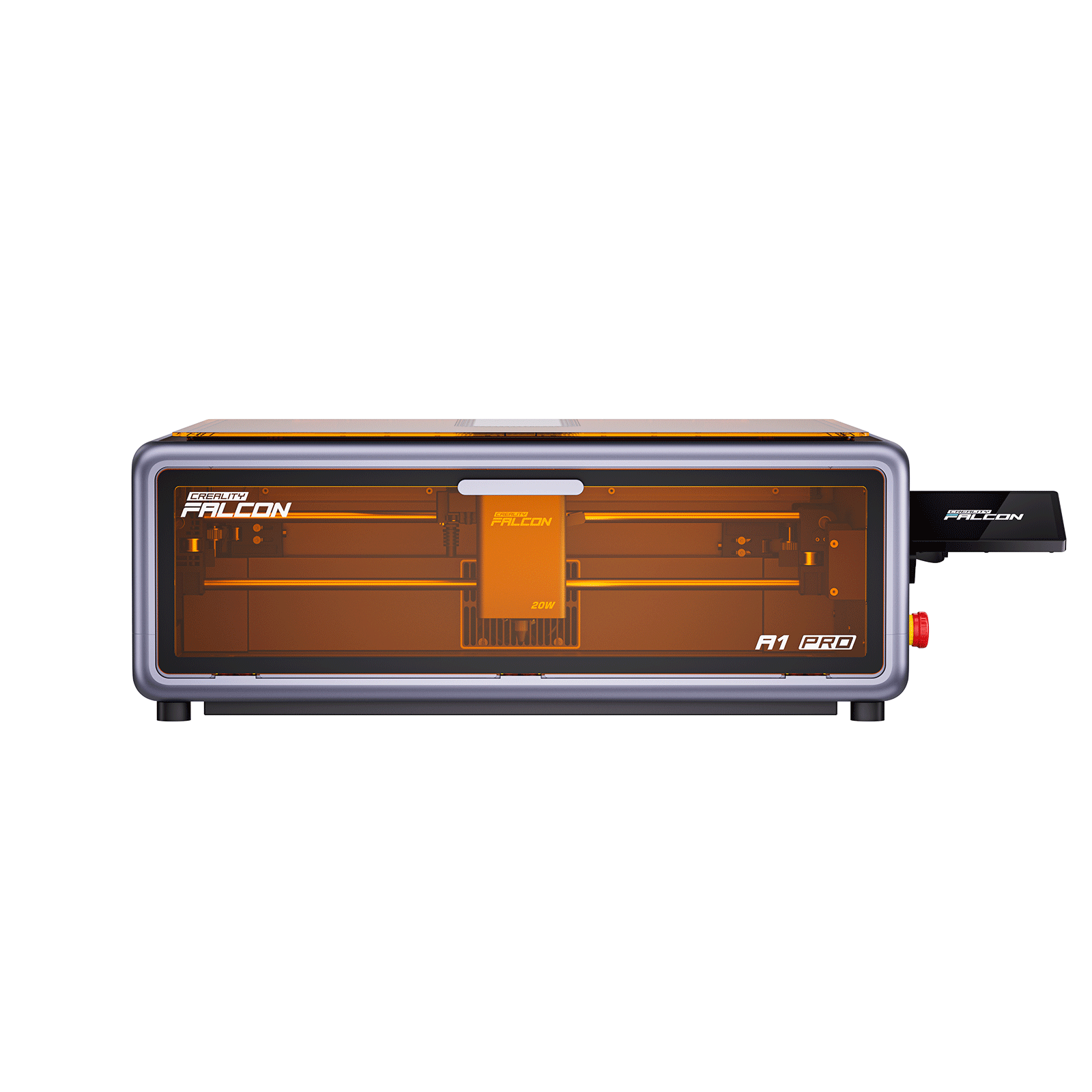
The Creality Falcon A1 Pro 20W is a compact desktop laser engraver designed for makers and small business users.
Key advantages include:
- 20W diode laser power capable of engraving and cutting common materials such as wood, acrylic, leather, and coated metals
- fully enclosed design with safety protection, suitable for home workshops
- auto-focus and camera positioning system that simplifies alignment and setup
- stable motion system for consistent engraving quality
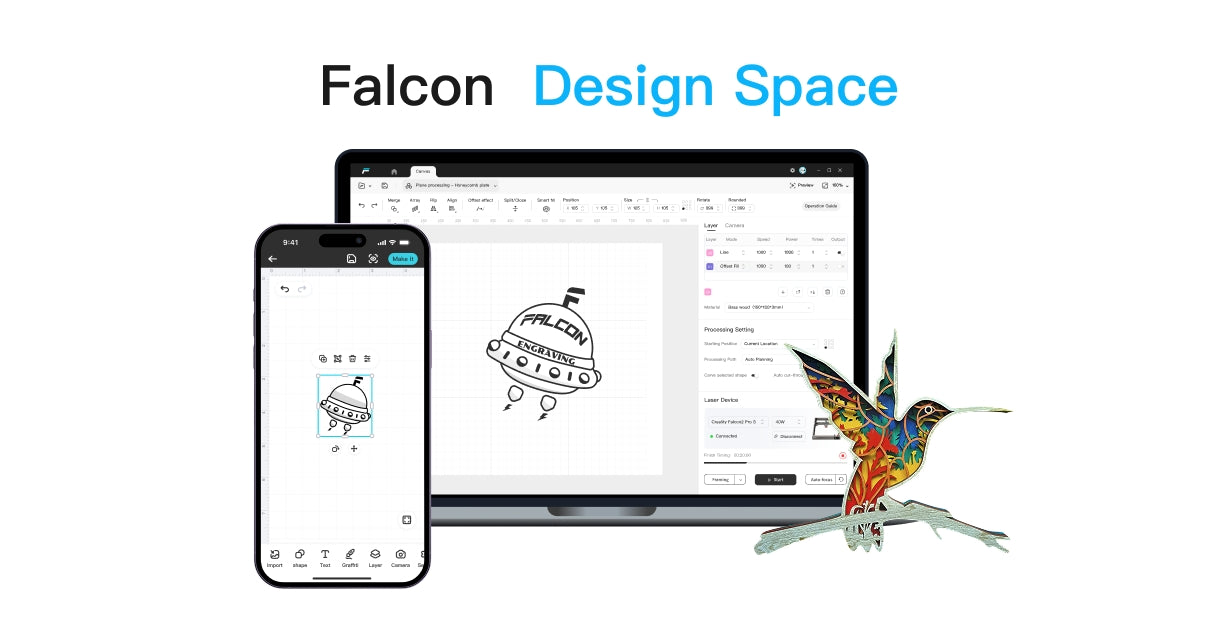
- beginner-friendly software workflow
For creators who want to start a small engraving business, a machine like the Falcon A1 Pro offers a balance of power, usability, and production efficiency.

Step 3: Design Products That Actually Sell
Successful products usually combine clean design, practical function, and emotional value.
Popular laser engraving products include:
- engraved wooden signs
- custom drink coasters
- personalized cutting boards
- leather keychains
- engraved acrylic nameplates
Good product photography is essential for online sales. Natural lighting and simple backgrounds help highlight the engraved details.
Packaging also increases perceived value. Branded boxes, cloth bags, or protective sleeves can make products feel more premium.
Product bundles can increase average order value. For example:
- engraved desk sets
- custom wedding decoration bundles
- personalized gift packages
Seasonal products such as holiday ornaments or graduation gifts can also generate strong demand.
Step 4: Pricing Strategies and Profit Margins
Setting profitable prices requires understanding production costs.
Basic pricing usually includes:
material cost + labor time + overhead + profit margin
Important cost factors include:
- material expenses
- machine wear and maintenance
- electricity and workspace costs
- packaging and shipping
Many small engraving businesses aim for $35–$50 hourly labor value when calculating prices.
Minimum order fees can help protect profit margins on small jobs. For example, a base price may cover design setup and machine preparation.
Tracking production time and material usage also helps identify which products generate the highest profit.
Step 5: Find Customers and Sales Channels
Laser engraving businesses often combine online and local sales channels.
Online platforms include:
- Etsy
- Shopify stores
- Amazon Handmade
Local sales opportunities include:
- craft markets
- gift shops and boutiques
- corporate clients
- event planners
Social media can also help showcase finished products and attract new customers.
Customer reviews and portfolio examples play an important role in building trust and increasing conversions.
Email newsletters and loyalty discounts can encourage repeat purchases.
Step 6: Scale and Diversify Your Revenue
As demand grows, additional services can expand revenue opportunities.
Possible expansion ideas include:
- engraving workshops
- subscription products
- bulk corporate orders
- custom product collaborations
Automation also improves efficiency. Reusable design templates, preset engraving settings, and production checklists can reduce per-unit production time.
Some businesses also expand by selling related products such as DIY engraving kits or finished craft materials.
Legal, Safety, and Business Compliance Considerations
Operating a laser engraving business also involves legal and safety considerations.
Important steps include:
- registering the business legally
- obtaining business insurance
- verifying local zoning regulations
Laser safety is also essential. Proper ventilation, fire safety equipment, and protective eyewear help ensure safe operation.
Record-keeping is equally important. Tracking orders, invoices, and maintenance logs helps maintain organized operations and protects the business from potential risks.
Final Thoughts
Making money with a laser engraver is not only possible—it’s becoming an increasingly popular path for makers, hobbyists, and small creative businesses.
By choosing the right niche, setting up an efficient workflow, and pricing products strategically, a laser engraver can evolve from a simple tool into a reliable income source.
For many creators, success comes from combining customized products, repeatable designs, and strong sales channels such as online marketplaces and local partnerships.
With consistent product quality and good branding, even a small home workshop can compete in niche markets.
Modern desktop machines like the Creality Falcon A1 Pro 20W make this process easier by providing the precision, automation, and workflow efficiency needed for small-scale production.
With creativity, careful planning, and the right equipment, a laser engraver can become the foundation of a profitable and sustainable small business.