

























Get Creative Freedom: Make Your Own Laser-Cut Stencils

Laser-cut stencils have become one of the easiest ways for creators, DIY crafters, and small businesses to bring custom designs to life.
With today’s affordable desktop laser engravers, you no longer need industrial equipment to produce crisp, reusable stencils tailored to your exact needs.
From personalized logos to intricate patterns and artistic shapes, laser cutting gives you complete control over the quality, detail, and material you want to work with.
In this guide, you’ll learn why making your own stencils offers unmatched creative freedom, what materials work best, what you should never cut, and how to create your first stencil using the laser engraver in just a few simple steps.
Why Make Your Own Laser-Cut Stencils
Creating your own laser-cut stencils is one of the easiest ways to unlock true creative freedom and achieve professional-quality results.
Unlike premade stencils that limit your options, DIY laser-cut stencils let you customize any pattern, logo, text, or artwork to match your exact project needs.
Laser cutting delivers sharp, precise, and consistent edges, which are difficult to achieve with hand-cutting tools.
This makes your stencils cleaner, more detailed, and far easier to work with across crafts, painting, fabric printing, sign-making, and small business projects.
You also get full control over the materials you use.
Whether you prefer durable Mylar, rigid acrylic, or affordable chipboard, laser cutting lets you choose the thickness and flexibility that best fit your project.
In short, making your own laser-cut stencils gives you:
- Unlimited customization
- Cleaner, crisper cuts
- Faster, more efficient production
- Durable and reusable stencil designs
DIY stencils are the simplest way to elevate your creative work with results that look clean, professional, and uniquely yours.
Can You Laser Cut Stencils
Absolutely — and thanks to today’s advanced technology, it’s easier than ever.
You don’t need an industrial machine or a big budget anymore. Even a $200–$400 desktop laser engraver can cut clean, precise stencils with professional-level results.
Modern diode and CO₂ laser engravers are powerful enough to cut popular stencil materials like Mylar, cardstock, chipboard, thin plastic sheets, and wood veneer with smooth edges and sharp detail.

This means you can create custom logos, patterns, lettering, and intricate designs right at home or in a small studio.
What used to require specialized equipment and high costs is now something hobbyists, DIY crafters, and small businesses can do with an affordable desktop machine.
So yes — you can absolutely laser cut stencils, and today’s affordable laser engravers make the whole process fast, precise, and completely accessible.
Best Materials for Laser-Cut Stencils
When it comes to making laser-cut stencils, choosing the right material is just as important as choosing the right machine.
The good news is that modern laser engravers — even affordable desktop models — can cut a variety of stencil-friendly materials with clean, crisp edges.
Here are the best and most commonly used options:
1. Mylar (The Most Popular Stencil Material)
Why it’s great:
- Heat-resistant
- Flexible but durable
- Doesn’t warp or burn easily
- Reusable for hundreds of prints
Best thicknesses:
- 5 mil (0.13 mm) → very flexible, great for crafts, walls, and curved surfaces
- 7 mil (0.18 mm) → balance of strength and flexibility
- 10 mil (0.25 mm) → tough, long-lasting, perfect for repeated use
Mylar is the industry standard for DIY and professional stencil makers.
2. Acrylic Sheets (Rigid and Reusable)
Why it’s great:
- Strong, durable, clean edges
- Ideal for repeated spray painting or commercial use
- Works well for signage and pattern templates
Recommended thickness:
- 1–2 mm
Thicker acrylic is harder to cut cleanly and unnecessary for stencils.
3. Cardstock / Paperboard / Chipboard (Budget-Friendly)
Why it’s great:
- Extremely affordable
- Cuts very quickly
- Ideal for tests, prototypes, one-time projects, or short-term use
Notes:
- Not as durable as Mylar or acrylic
- Works best with higher speed + lower power to avoid burning edges
4. PET Plastic Sheets
Why it’s great:
- Smooth surfaces and good flexibility
- More durable than cardstock but cheaper than Mylar
- Cuts cleanly with diode and CO₂ lasers
Often used for crafts and educational projects.
5. Thin Wood Veneer or Plywood (For Artistic or Decorative Stencils)
Why it’s great:
- Natural texture and premium feel
- Good for decorative art, furniture design, and embossing templates
Best thickness:
- 0.5–1 mm veneer
Thicker wood may lose detail in fine cuts.
Materials You Should Never Cut When Making Stencils
While many materials work well for laser-cut stencils, some are unsafe or unsuitable for laser cutting.
These materials can release toxic fumes, damage your machine, or create poor-quality cuts.
Here are the key materials you should never put into your laser engraver:
1. PVC (Polyvinyl Chloride)
Absolutely forbidden.
PVC releases chlorine gas when cut — a highly toxic chemical that can harm you and corrode your laser’s metal components.
Common names: vinyl sheets, craft vinyl, PVC board.
2. ABS Plastic
ABS tends to melt, curl, and emit toxic fumes, making it unsafe and producing terrible stencil edges.
Cuts are inconsistent, messy, and can damage the lens and laser head.
3. Polycarbonate (PC)
Polycarbonate burns instead of cutting cleanly.
It produces brown edges, smoke, and flames, and is unsuitable for detailed stencil work.
4. Polypropylene (PP) — for some laser types
PP is technically laser-cuttable, but very tricky:
- Prone to melting
- Produces wavy, distorted lines
- Often catches fire on diode lasers
Unless you’re experienced, PP is better avoided for stencil projects.
5. Polystyrene (PS) Foam or Styrofoam
Highly flammable and melts instantly.
Emits toxic smoke and sticks to your honeycomb bed.
6. Any Material With Unknown Composition
Cheap plastic sheets, recycled boards, or unlabeled craft materials may contain:
- Chlorine
- Bromine
- Fillers
- Mixed polymers
These can create hazardous fumes or unpredictable cutting behavior.
Step-by-Step Guide: How to Make Your Own Laser-Cut Stencil
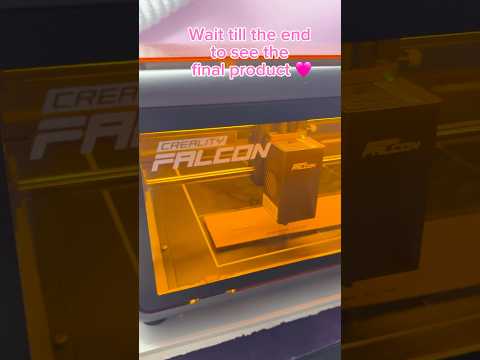
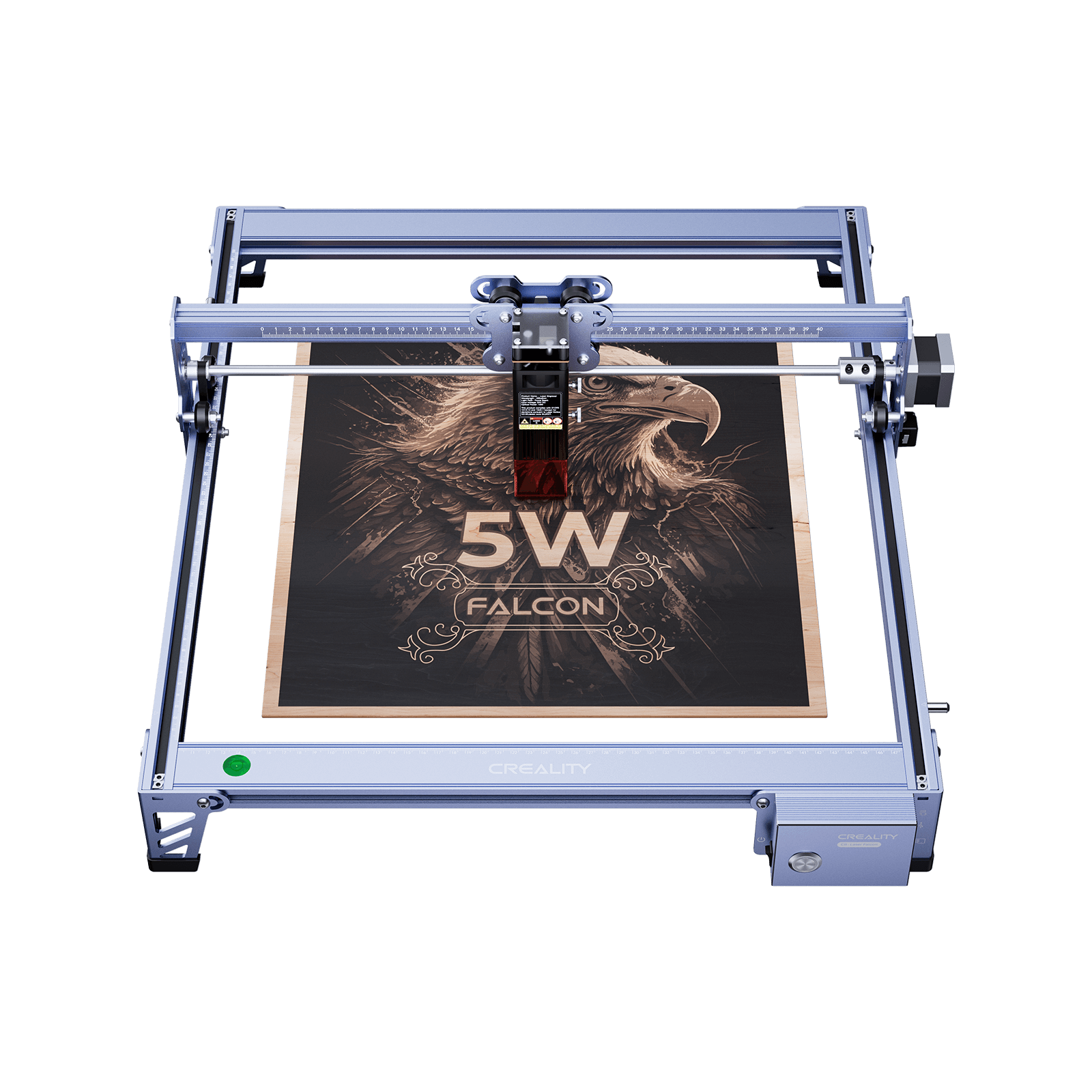
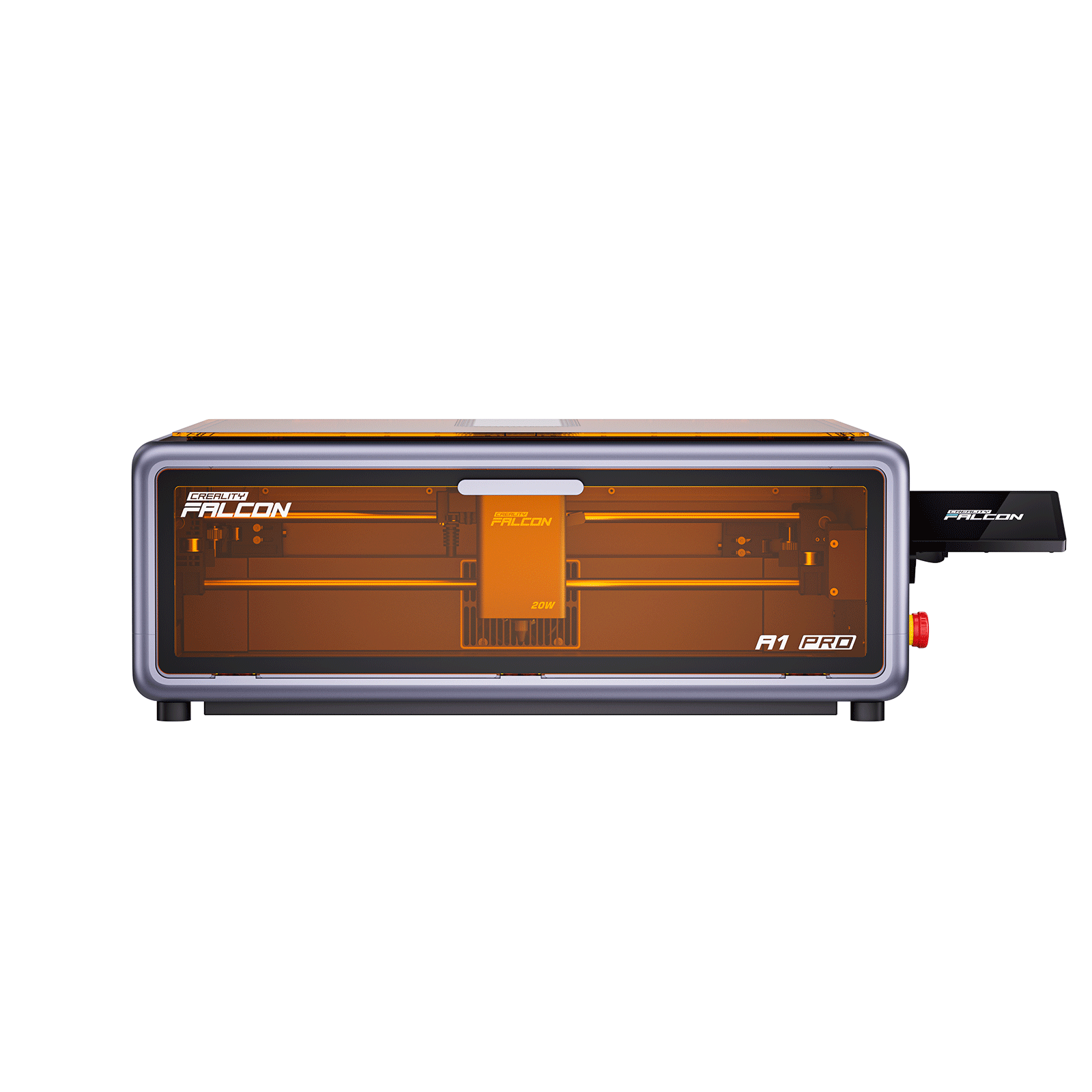
Creating your own laser-cut stencil with the Creality Falcon A1 Pro is fast, precise, and beginner-friendly.
Thanks to its Auto Focus system and stable cutting performance, even thin materials like Mylar and cardstock can be processed with clean, sharp edges.
Follow the steps below to get started.
Step 1: Prepare Your Design & Material
Choose a stencil-friendly material such as Mylar, cardstock, PET sheets, or thin wood veneer.
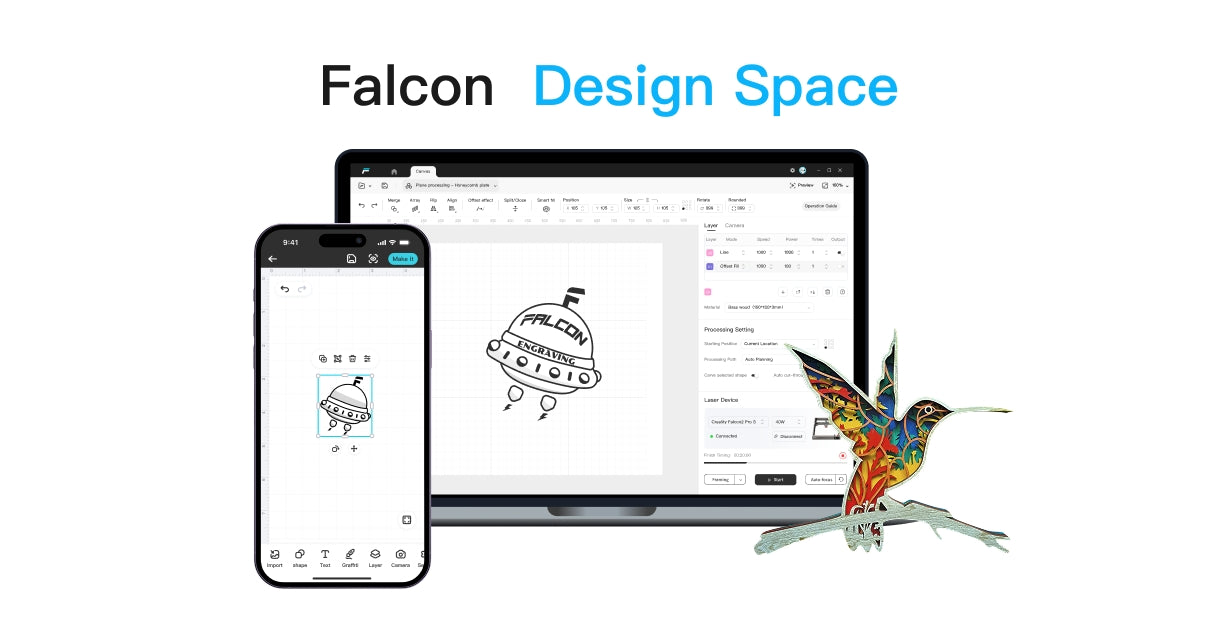
Open Falcon Design Space and import your stencil design (SVG/PNG).
Place your material flat on the Falcon A1’s work area.
Step 2: Auto Focus & Set Cutting Parameters
Use the Falcon A1 Pro’s Auto Focus feature to automatically set the correct focal distance.
Then choose your cutting settings in Falcon Design Space—for example:
- Mylar: 20–40% power, medium-high speed
- Cardstock: 10–20% power, high speed
Run a small test cut to confirm clean edges.
Step 3: Cut, Remove, and Use Your Stencil
Start the cutting job from Falcon Design Space.
Once finished, remove the stencil sheet, clean out any loose cutouts, and your custom laser-cut stencil is ready to use for painting, airbrushing, crafting, or branding projects.

Conclusion
Making your own laser-cut stencils is one of the most effective ways to upgrade your creative workflow.
With the right materials and a reliable desktop laser engraver, you can achieve sharp, consistent, professional-grade results without relying on premade options.
Modern machines like the Creality Falcon A1 Pro make the process even easier with features like Auto Focus, stable cutting power, and seamless software integration.
Recent News

What Materials Does a Laser Cutter Cut Safely
Find out what materials does a laser cutter cut, which plastics to avoid, and how CO2, diode, and...

7 Best Laser Engravers Under $1000
Quick Answer:The best laser engraver under $1000 should be chosen by total setup cost, not machine price alone.For most...

CNC Vs Laser Cutter Which Tool Is Right For You
Compare CNC vs laser cutter tools for wood, acrylic, metal, 3D carving, precision, safety, and beginner projects to...