



























Laser Cut Wood: The Ultimate Guide to Materials, Projects, and Techniques

Laser cut wood refers to using a focused laser beam to cut, engrave, or score wooden materials with extreme precision.
Unlike traditional tools, laser cutting is non-contact, allowing for intricate details, clean edges, and repeatable results with minimal material waste.
Because of its accuracy, speed, and design flexibility, laser cutting wood has become a go-to method for hobbyists, designers, educators, and small businesses.
What Is Laser-Cut Wood
Laser cutting works by concentrating heat onto a small focal point from a laser cutter:
- Cutting: vaporizes material to create clean separations
- Engraving: removes surface layers for depth and texture
- Scoring: lightly marks the surface for fold lines or guides
This process makes it possible to create everything from simple cutouts to complex, multi-layered wooden designs that are difficult to achieve with hand tools.
Best Wood Types for Laser Cutting and Engraving
Choosing the right wood has a major impact on cut quality and engraving contrast.
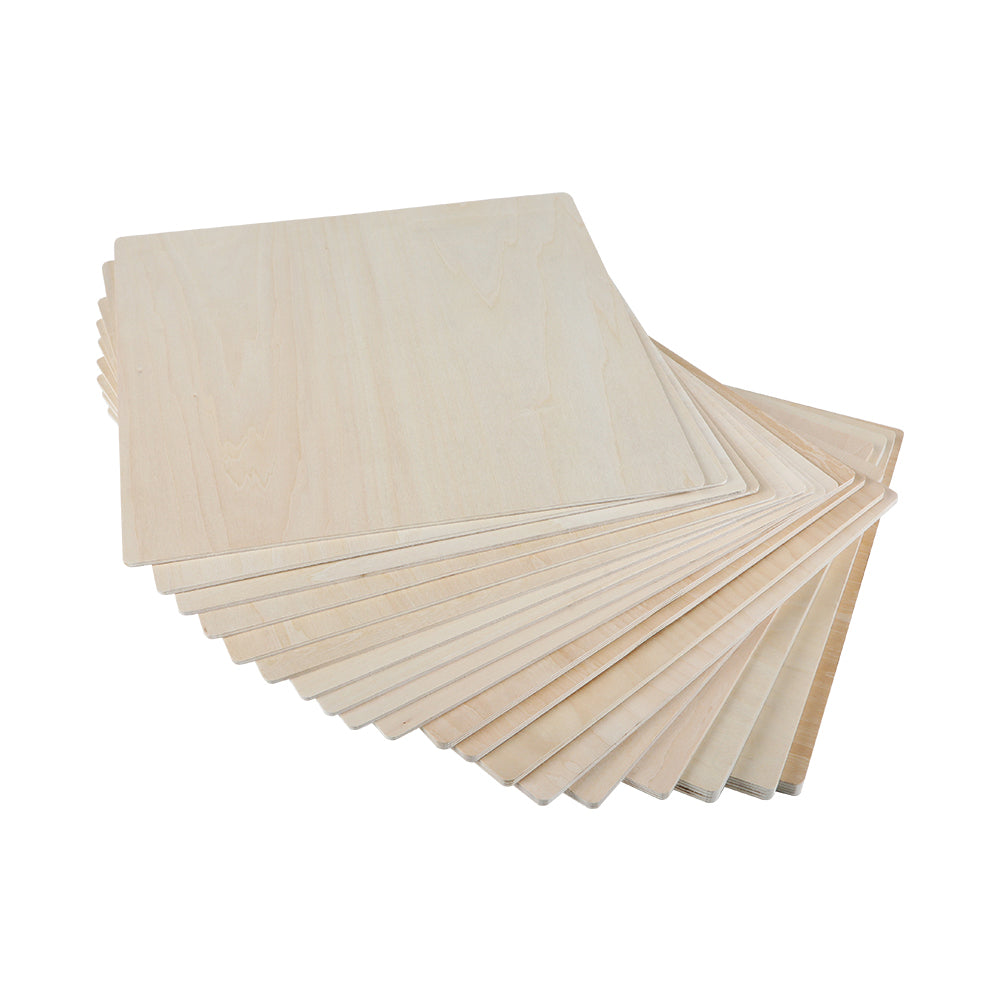
Plywood (Baltic Birch, Basswood)
- Consistent core and clean cuts
- Excellent for structural parts and decorative projects
- Common thickness: 1/8"–1/4"
MDF (Medium-Density Fiberboard)
- Uniform density and smooth surface
- Cuts consistently and paints well
- Best for painted or structural designs (dust control required)
Natural Hardwoods (Maple, Cherry, Walnut)
- Beautiful grain and strong engraving contrast
- Require slower speeds or higher power
- Grain direction affects results
Softwoods (Balsa, Pine)
- Easy to cut, good for prototypes
- Pine may char more due to resin and density variation
Woods to Avoid
- Pressure-treated wood
- Chemically treated materials
- PVC or plastics mixed with wood (toxic fumes)
Popular Laser Cut Wood Projects
Laser cut wood supports both creative and functional designs.
Decorative & Home Projects
- Wall art, coasters, ornaments
- Lampshades with intricate patterns
Personalized Gifts
- Custom signs, keychains, photo frames
Functional Items
- Boxes, organizers, puzzles
- Architectural and scale models
Jewelry & Accessories
- Earrings, pendants, layered designs
Educational & Hobby Uses
- Model kits, board games, prototypes
The Laser Cutting Wood Workflow
A structured process leads to cleaner, more consistent results.
1. Design Preparation
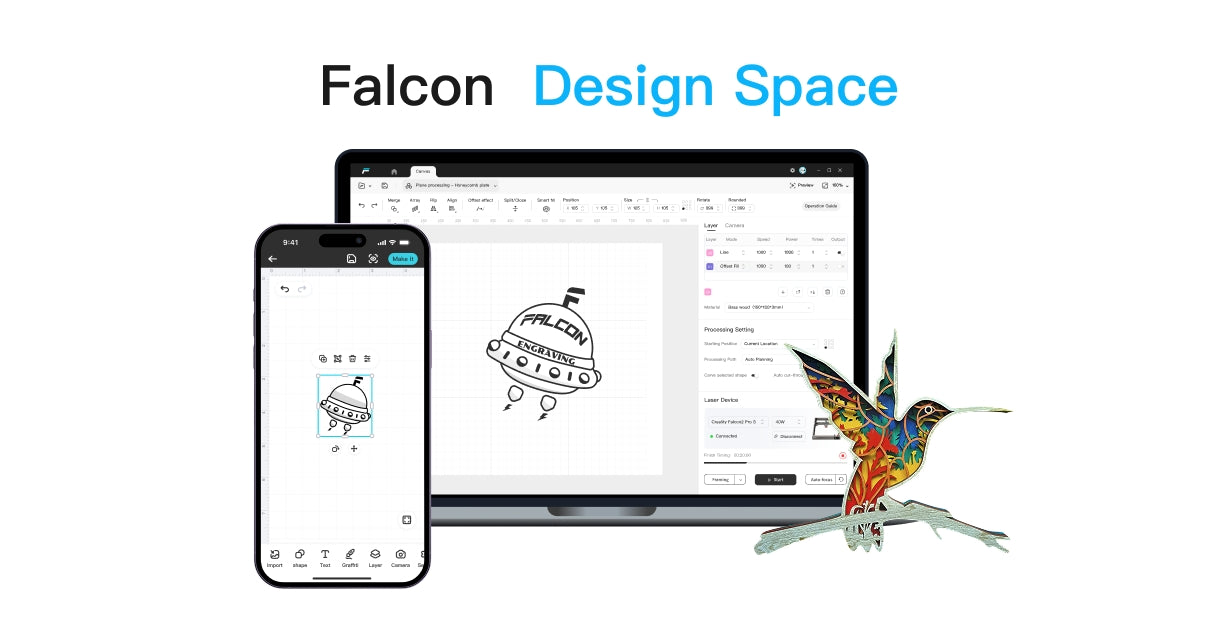
Create vector designs in tools like Inkscape, LightBurn, or Illustrator.
Separate cut lines (vectors) from engraving areas.
2. Material Setup
- Select wood type and thickness
- Secure material flat on the bed
- Set proper focus (critical for clean cuts)
3. Machine Settings
Adjust:
- Power
- Speed
- Passes
Multiple low-power passes often outperform a single high-power pass.
4. Safety
- Proper ventilation
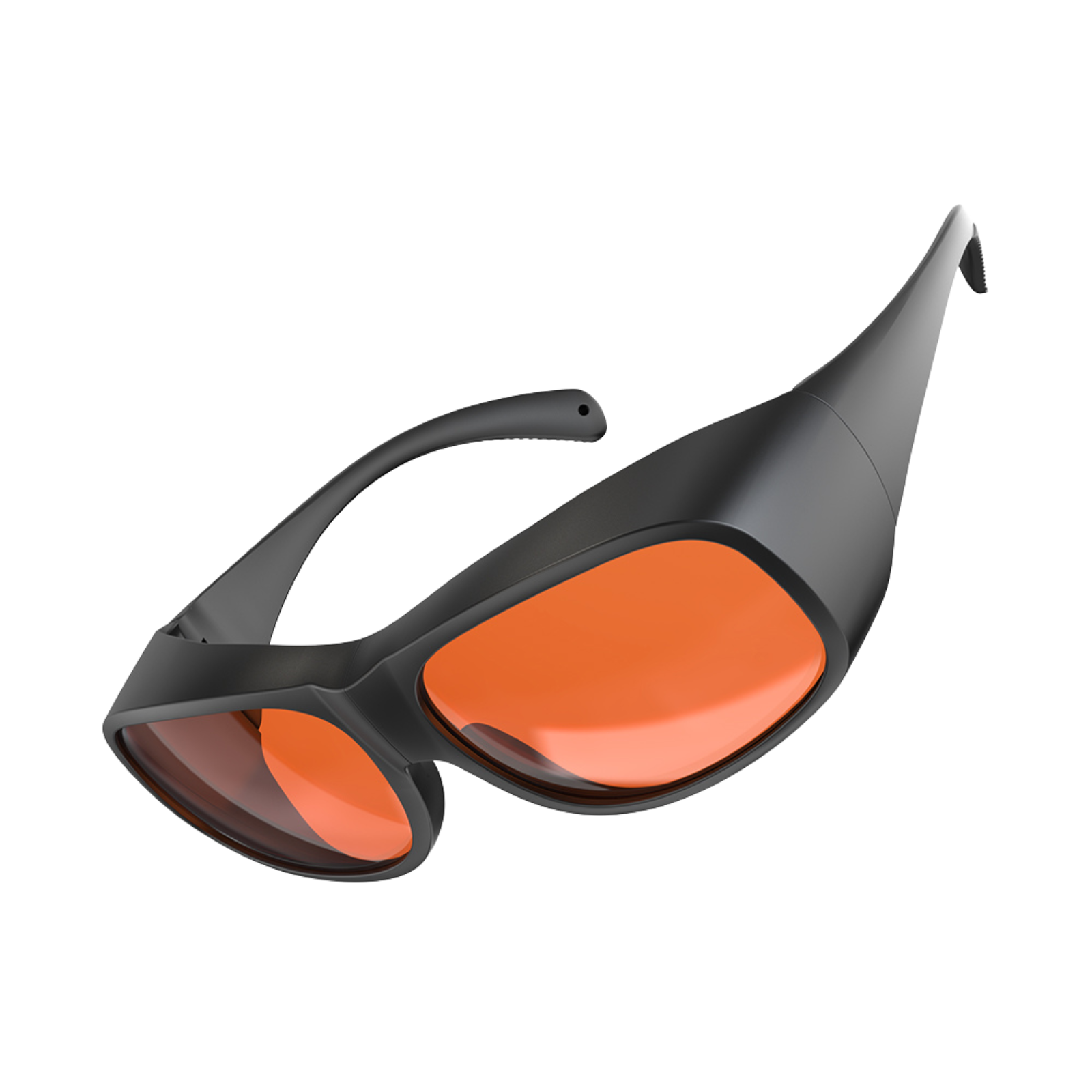
- Eye protection
- Never leave the machine unattended
5. Post-Processing
- Clean smoke residue
- Light sanding
- Apply finishes (oil, stain, paint, sealant)
Best-Fit Pick for Laser Cut Wood
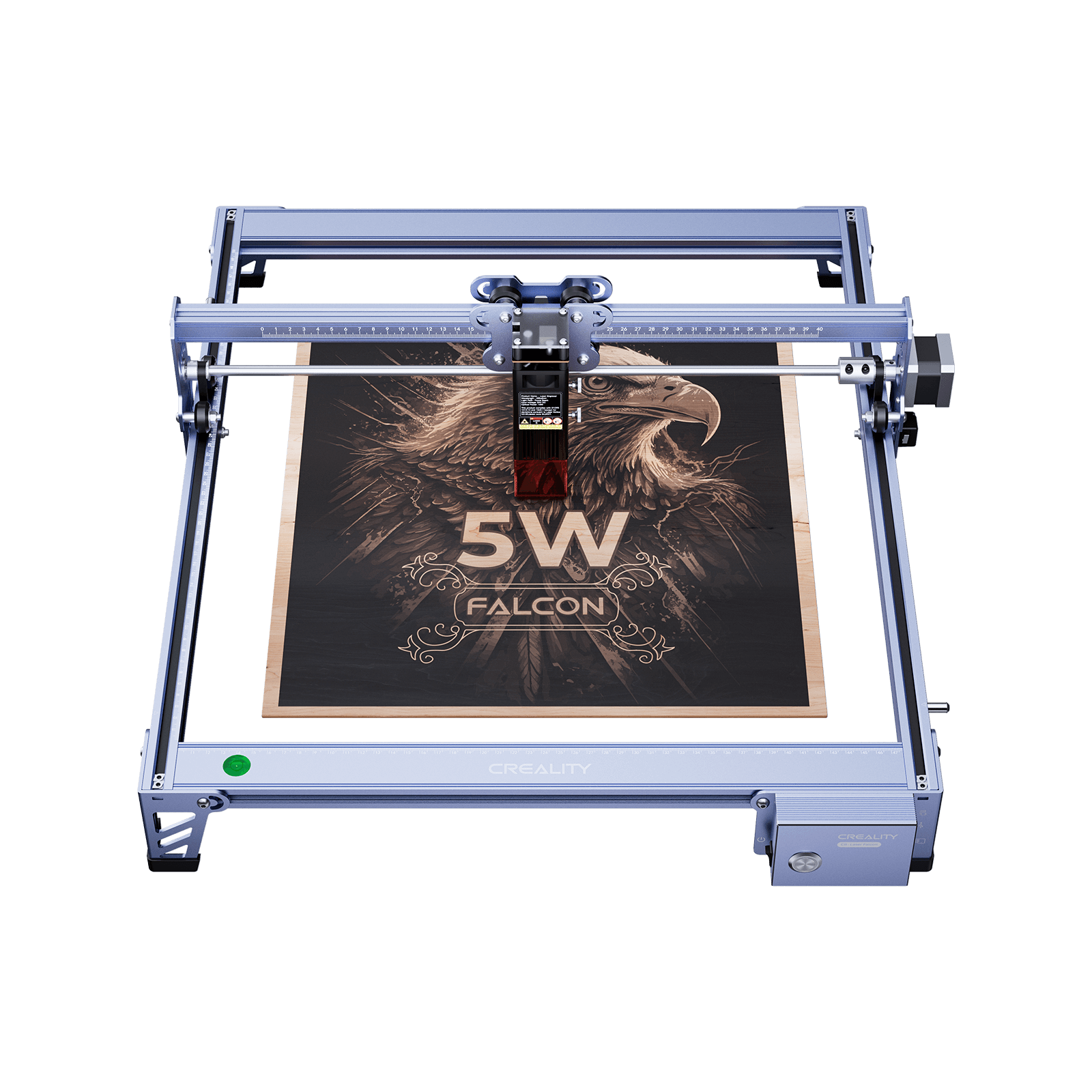
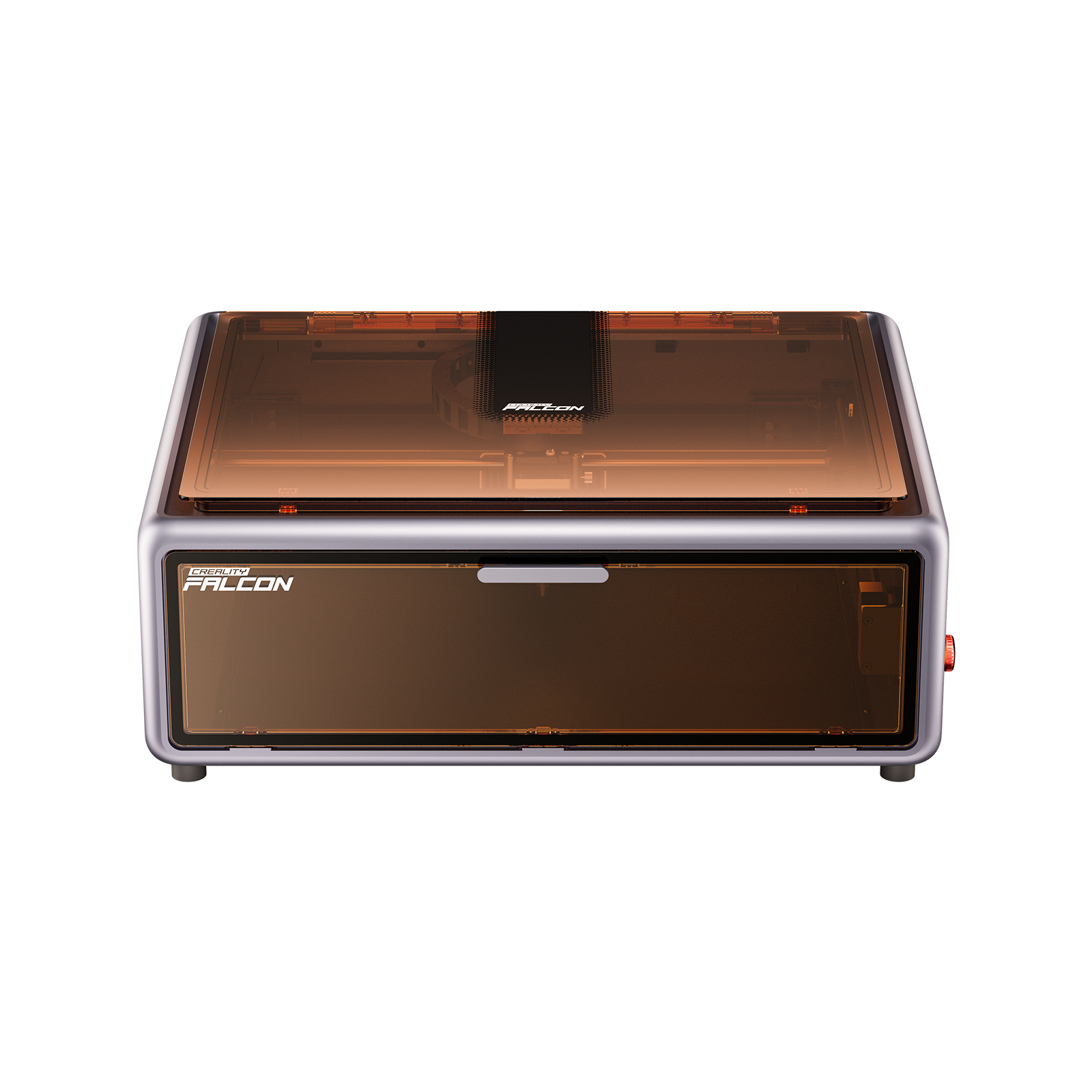
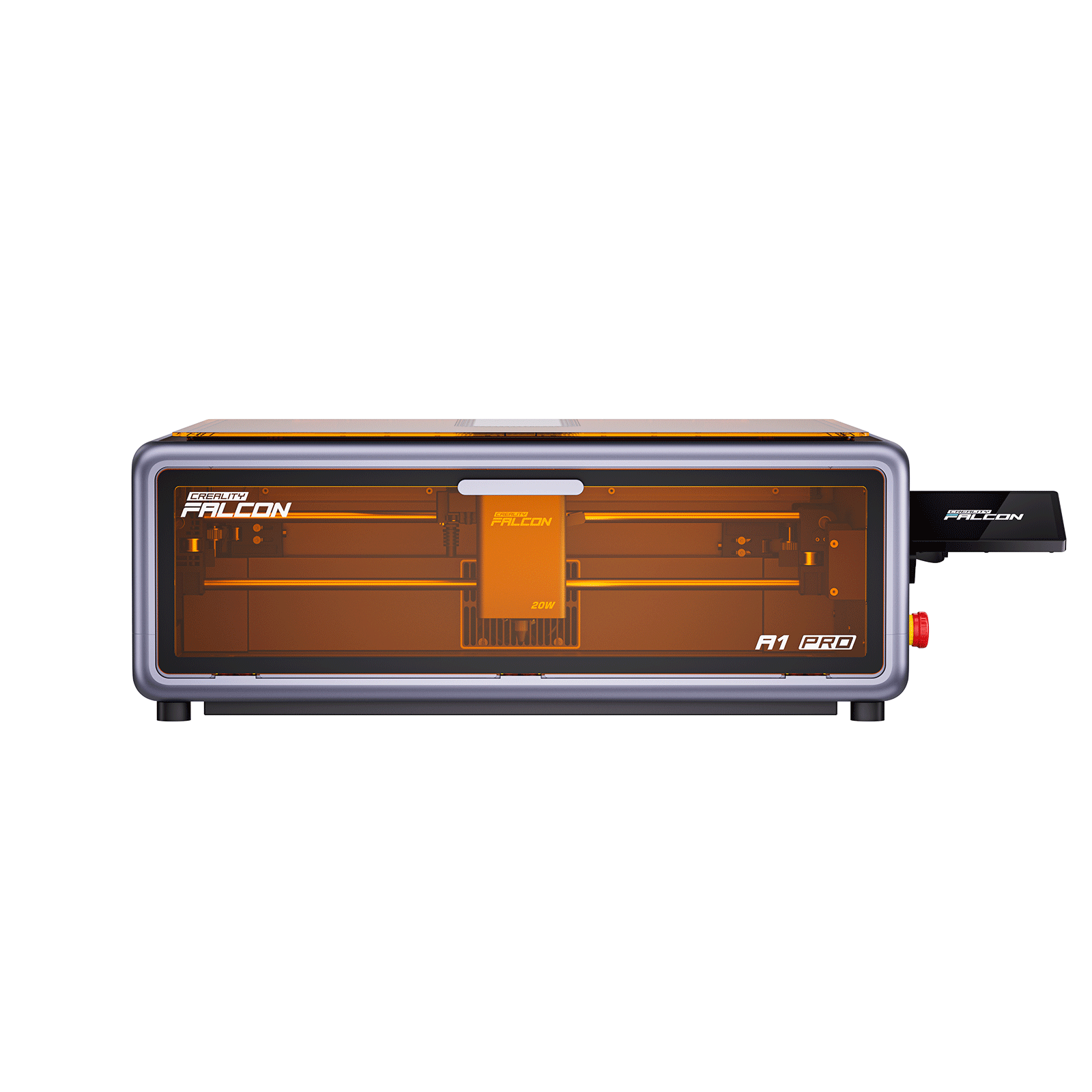
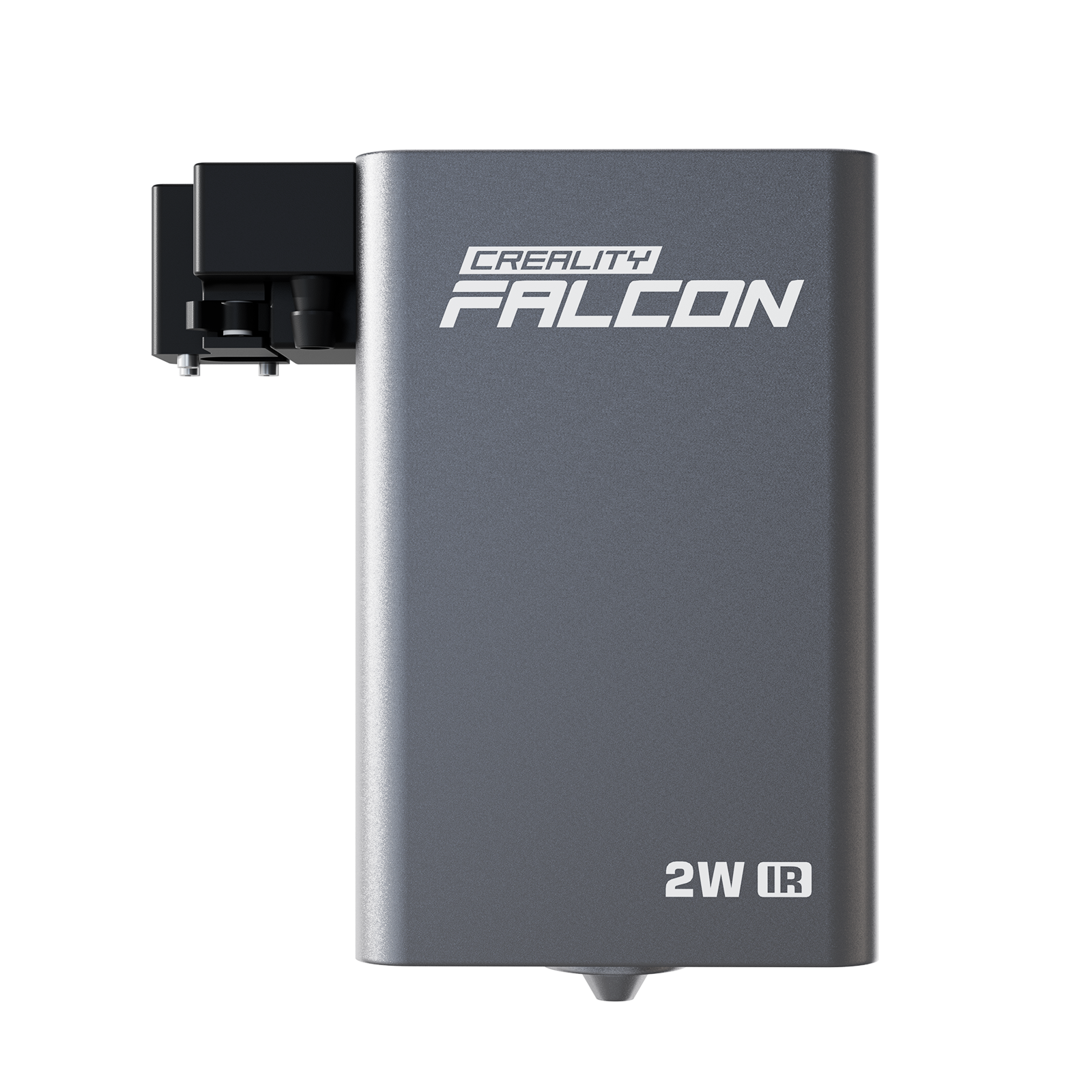
Product: Creality Falcon A1 Pro
Why it works well for wood projects:
- Beginner-friendly power for engraving and light wood cutting
- Compact desktop design for home workshops
- Integrated air assist reduces charring and burn marks
- Easy setup and stable performance for plywood, MDF, and hardwoods
Soft CTA:
If you want clean wood cuts and detailed engraving without a steep learning curve, the Falcon A1 Pro is a practical and accessible choice.
Tips for Clean Laser Cut Wood Results
Optimize Settings
Always test on scrap wood. Different species and thicknesses require different power and speed combinations.
Use Air Assist
Strong airflow clears debris and significantly reduces charring.
Mask the Surface
Masking tape or laser masking film prevents smoke stains and saves cleanup time.
Ensure Proper Ventilation
Good exhaust improves cut quality and protects both your material and optics.
Keep Material Flat
Clamp or pin thin wood to prevent warping and focus issues.
Troubleshooting Common Issues
Excessive Charring
- Lower power or increase speed
- Improve air assist
- Use masking
Incomplete Cuts
- Re-focus the laser
- Add passes or slow down
- Verify material thickness
Rough or Fuzzy Edges
- Check focus
- Use higher-quality wood
- Fine-tune speed/power
Warping
- Secure material firmly
- Use multiple low-power passes
Uneven Engraving
- Ensure material is flat
- Clean lenses and optics
Maintaining Your Laser for Wood Projects
Wood produces dust and resin that require regular maintenance.
- Clean lenses and mirrors frequently
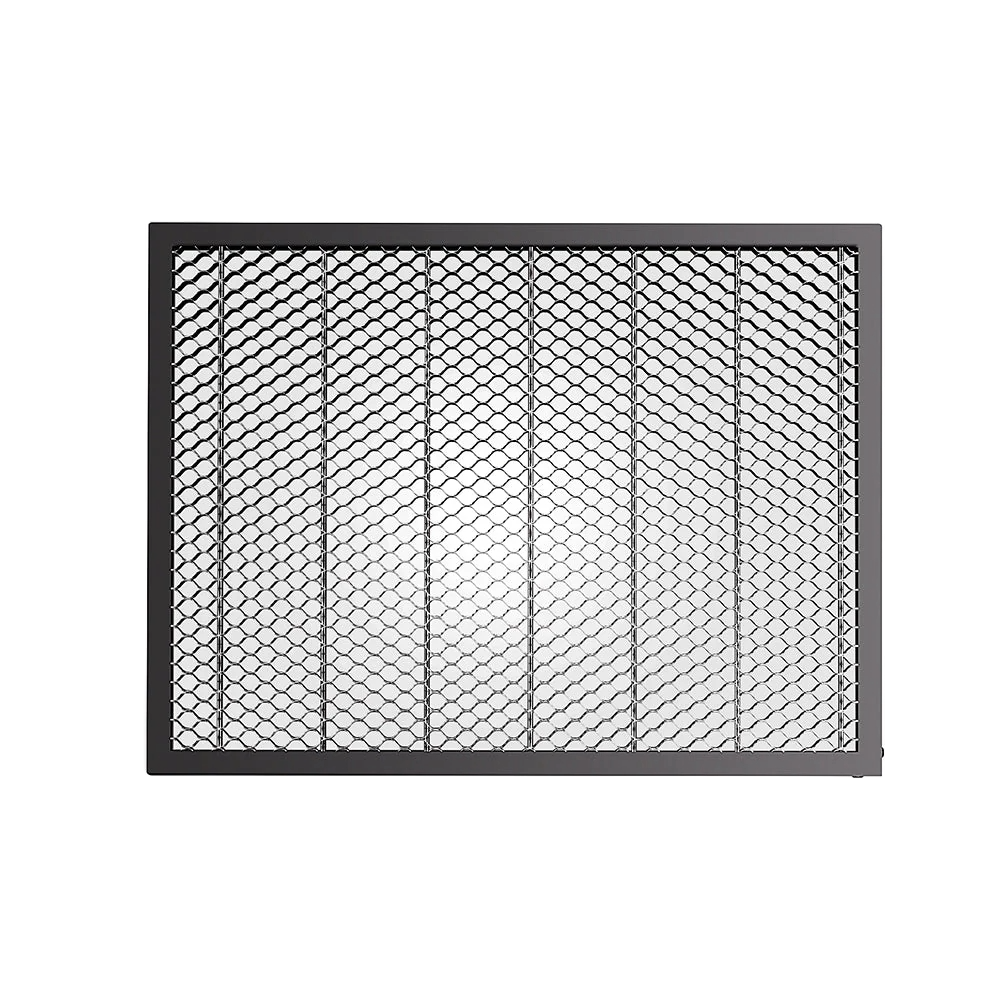
- Remove resin buildup from the honeycomb bed
- Check and clean the air assist nozzle
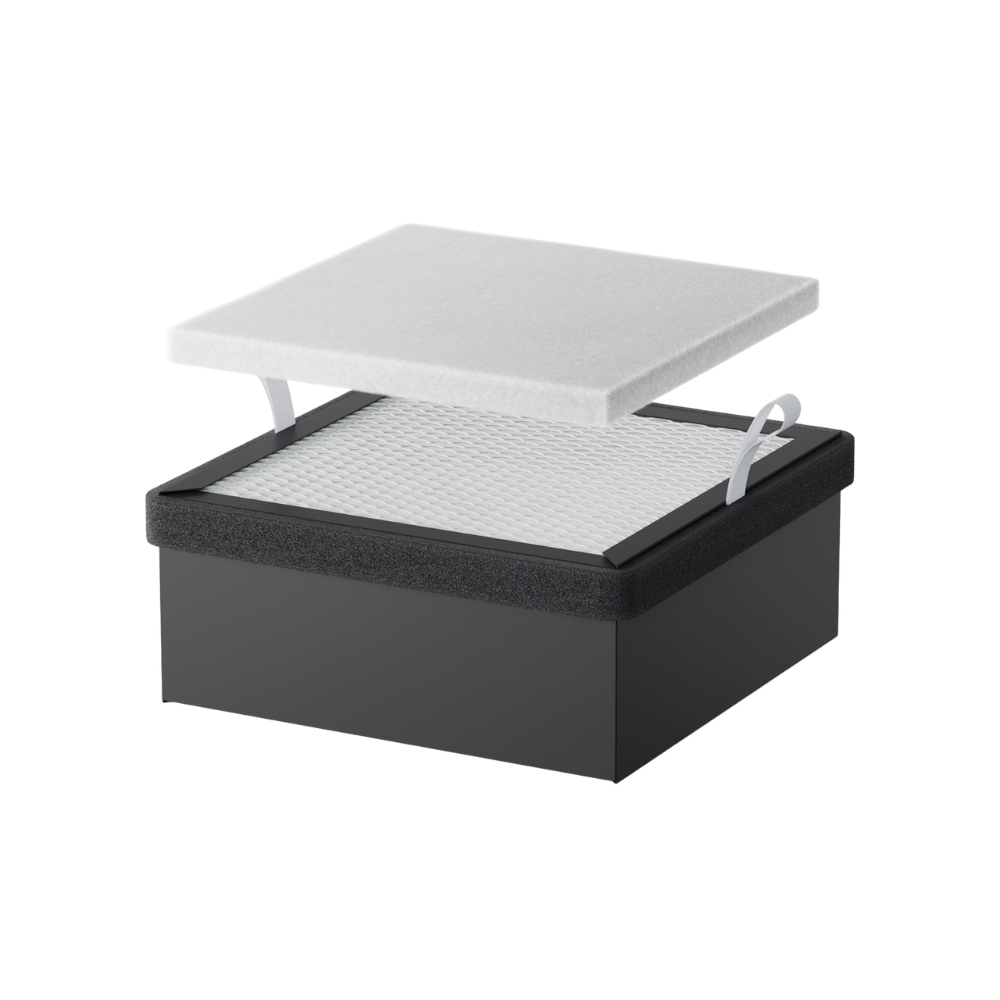
- Inspect and clean ventilation components
Routine maintenance ensures consistent results and longer machine life.
Is Laser Cut Wood Right for Your Project
Laser cut wood is ideal for anyone seeking precision, repeatability, and creative freedom.
From personalized gifts to professional-quality designs, it enables results that are difficult to match with traditional woodworking methods.
If your goal is clean edges, detailed engraving, and efficient production, laser cut wood is an excellent choice—and a skill set that grows with every project.
Conclusion
Laser cut wood combines precision, creativity, and efficiency in a way traditional woodworking tools simply can’t match.
With the right choice of wood, proper machine settings, and a safe, well-structured workflow, you can consistently achieve clean cuts and detailed engravings across a wide range of projects.
Whether you’re creating decorative pieces, personalized gifts, functional items, or educational models, laser cutting wood offers repeatable, professional results while minimizing material waste.
As your skills grow, so does the creative freedom—making laser cut wood not just a technique, but a long-term craft worth mastering.
By applying the materials, techniques, and tips outlined in this guide, you’ll be well prepared to turn digital designs into high-quality wooden creations with confidence and precision.
Recent News

12 World Cup Laser Engraving Ideas for Fans
Explore world cup laser engraving ideas for fan gifts, tumblers, coasters, signs, and safe soccer-inspired designs makers can...

What Materials Does a Laser Cutter Cut Safely
Find out what materials does a laser cutter cut, which plastics to avoid, and how CO2, diode, and...

7 Best Laser Engravers Under $1000
Quick Answer:The best laser engraver under $1000 should be chosen by total setup cost, not machine price alone.For most...