


























What Is Laser Engraver Optical Power? An In-Depth Explanation

Laser engraver optical power refers to the actual laser energy output that interacts with the material being engraved or cut.
It is a critical parameter that directly influences the engraving speed, depth, and overall precision of the workpiece.
Understanding optical power helps users optimize settings for different materials and achieve the best results in laser engraving projects.
What Does Laser Engraver Optical Power Mean?
Laser engraver optical power represents the effective power emitted by the laser source as a beam of light.
It is typically measured in watts (W) and indicates how much energy the laser delivers per unit time to the target surface.
This power determines the intensity of the laser beam, affecting how quickly and deeply it can engrave or cut various materials.

In practical terms, higher optical power allows faster processing and the ability to work with thicker or harder materials.
However, excessive power may damage delicate materials or reduce precision, requiring careful calibration.
Manufacturers often specify the maximum optical power capacity of their machines to guide users in selecting the right device for their needs.
How Does Laser Engraver Optical Power Work?
laser engravers generate a focused beam of light through diodes, CO2 tubes, fiber, or UV sources.
The optical power is the measurable output of this beam after it passes through the optical system, including lenses and mirrors.
When the laser beam strikes the material surface, the energy is absorbed and converted to heat, vaporizing or melting the material to create the engraving or cut.
The power density, a function of optical power and beam focus size, is a key factor controlling the efficiency of material removal.
Laser engraver control software adjusts the optical power dynamically to match the design, material type, and thickness.
Users can usually set power as a percentage of the maximum optical power to fine-tune the engraving process.
Why Is Laser Engraver Optical Power Important?
Laser engraver optical power is essential because it directly impacts the quality and speed of the engraving.
Insufficient power will result in shallow or incomplete marks, while too much power risks burning or warping the material.
Accurate knowledge of optical power enables precise control over engraving depth and edge sharpness.
It also affects the range of materials that can be processed, from soft wood and leather to harder metals and plastics.
For commercial applications, maintaining consistent optical power output ensures repeatability and high-quality production runs.
From a safety perspective, understanding optical power helps operators mitigate risks associated with laser exposure.
What Are the Typical Optical Power Ranges for Laser Engravers?
Laser engraver optical power varies widely based on technology and application.
Here are common power ranges found in popular laser engravers:
- Low-power diode lasers: 5W to 20W, suitable for hobbyist engraving on wood, acrylic, and leather.
- Mid-range diode lasers: 20W to 40W, offering faster cutting and engraving on thicker materials.
- High-power diode and CO2 lasers: 40W to 60W and beyond, used for professional fabrication and industrial cutting.
- Specialized lasers like UV or fiber lasers have unique power ratings adapted for precise marking on metals and plastics.
The choice depends on the material compatibility, desired detail, and project scale.
How Does Optical Power Affect Material Compatibility?
Material type dictates the required optical power for effective engraving or cutting.
Soft materials like paper, fabric, and wood need lower power settings to prevent burning.
Harder materials like acrylic, stainless steel, or glass require higher optical power or specific laser wavelengths.
For example, CO2 lasers with 40W or more excel at cutting acrylic, while fiber lasers handle metals efficiently.
UV lasers with lower optical power can mark plastics and ceramics with high precision without damage.
Proper matching of optical power to the material ensures clean cuts, crisp engravings, and minimal post-processing.
Parameter Reference Module
| Machine Power | Material | Thickness (mm) | Power (%) | Speed (mm/min) | Passes |
|---|---|---|---|---|---|
| 10W | Wood | 3 | 60 | 800 | 2 |
| 10W | Acrylic | 2 | 70 | 700 | 3 |
| 10W | Leather | 1 | 50 | 900 | 1 |
| 20W | Wood | 6 | 80 | 600 | 2 |
| 20W | Acrylic | 4 | 90 | 500 | 3 |
| 20W | Leather | 2 | 70 | 700 | 1 |
| 40W | Wood | 10 | 90 | 400 | 1 |
| 40W | Acrylic | 6 | 100 | 300 | 2 |
| 40W | Leather | 3 | 80 | 500 | 1 |
Recommended Laser Engravers Based on Optical Power
1. xTool S1 40W
Why Choose This Product: The xTool S1 40W offers powerful diode laser performance with precise control for professional-grade engraving and cutting.
The xTool S1 40W features a robust 40-watt diode laser optimized for high-speed engraving on a wide range of materials including wood, acrylic, and leather.
Its advanced optical system ensures consistent beam quality, enabling detailed and clean cuts.
Equipped with user-friendly software, it allows fine-tuning of optical power and speed settings for customized projects.
The machine supports a large workspace and includes safety features suitable for both hobbyists and small businesses.
This model balances power and precision, making it ideal for users who require versatility without sacrificing quality.
- Laser Power: 40W diode
- Work Area: 430 x 400 mm
- Max Speed: 600 mm/s
- Connectivity: USB, Wi-Fi
- Pros: High power, precise control, large workspace
- Cons: Higher price point compared to entry-level models
Prices may vary due to promotions. Please check the official website for the latest pricing.
2. Glowforge Plus HD 40W CO2
Why Choose This Product: Glowforge Plus HD combines a reliable 40W CO2 laser with intuitive software for professional engraving and cutting.
The Glowforge Plus HD utilizes a 40-watt CO2 laser capable of cutting thicker materials like wood and acrylic with excellent edge quality.
Its optical power is finely adjustable, allowing users to adapt to different materials and achieve clean, detailed engravings.
Glowforge’s cloud-based software simplifies operation with preset material profiles and design import options.
The enclosed design and advanced sensors enhance safety and reduce fumes.
This machine is popular among creative professionals seeking a balance of power, ease of use, and versatility.
- Laser Power: 40W CO2
- Work Area: 500 x 280 mm
- Max Speed: 127 mm/s
- Connectivity: Wi-Fi
- Pros: Powerful CO2 laser, user-friendly software, safe enclosure
- Cons: Limited offline control, smaller work area for some projects
Prices may vary due to promotions. Please check the official website for the latest pricing.
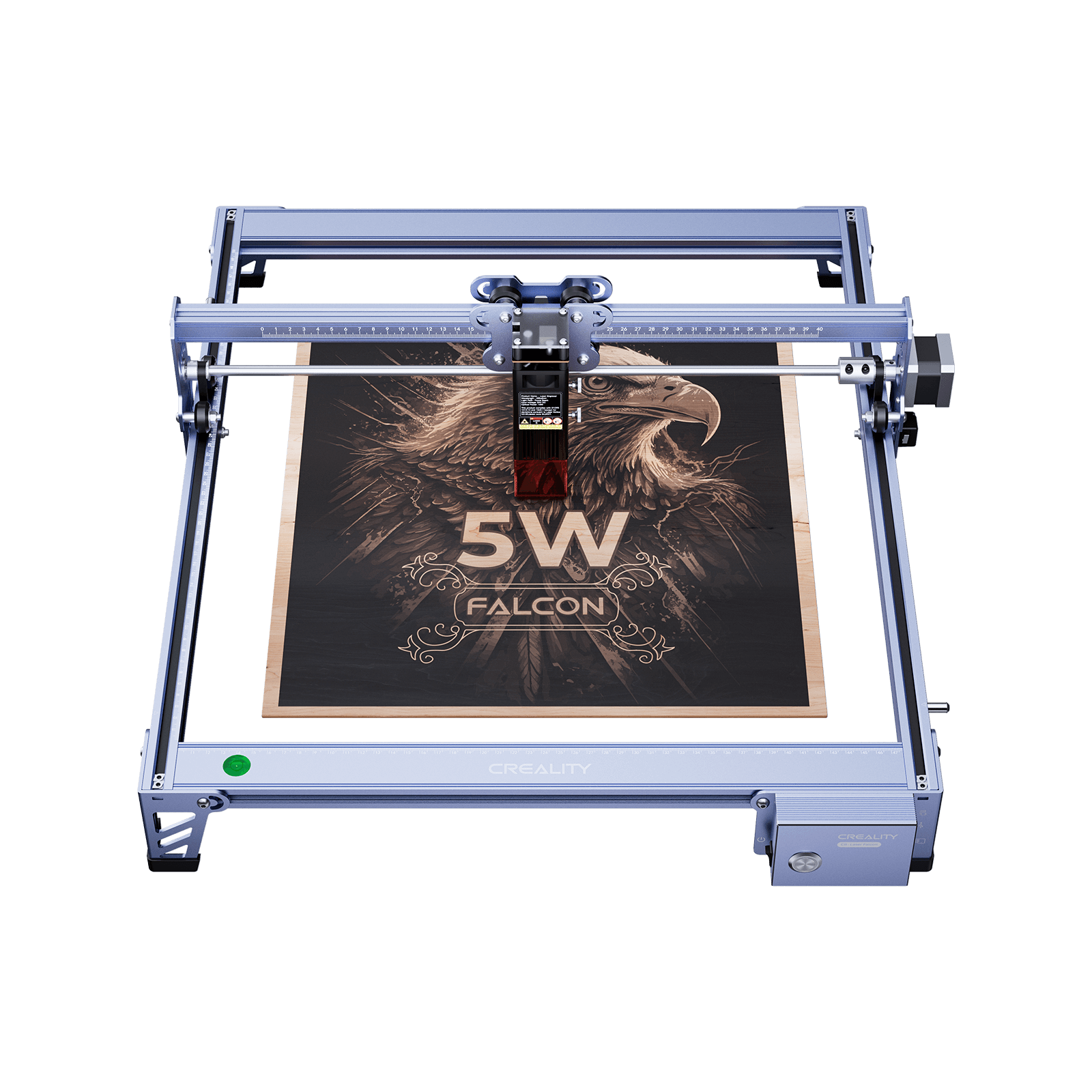
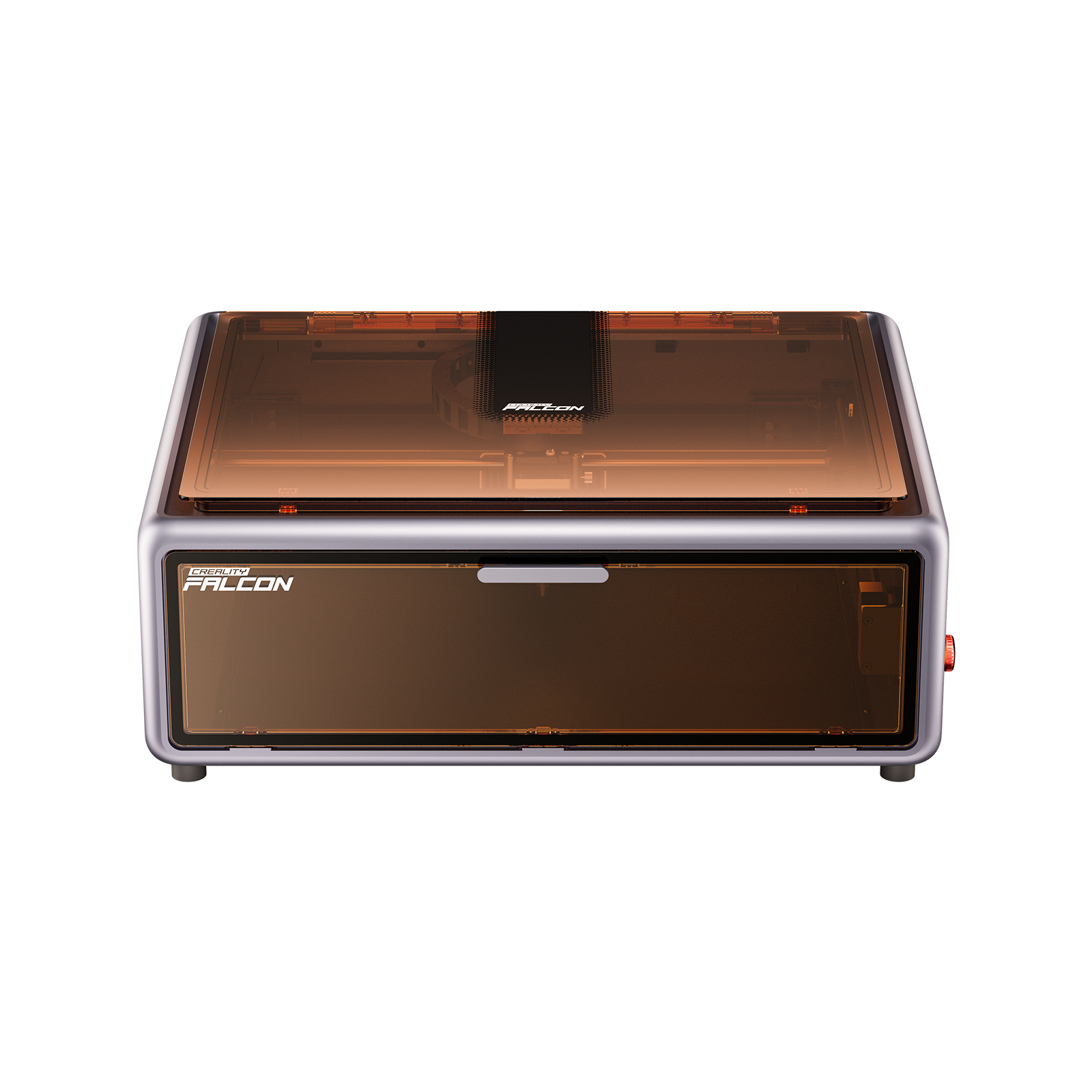
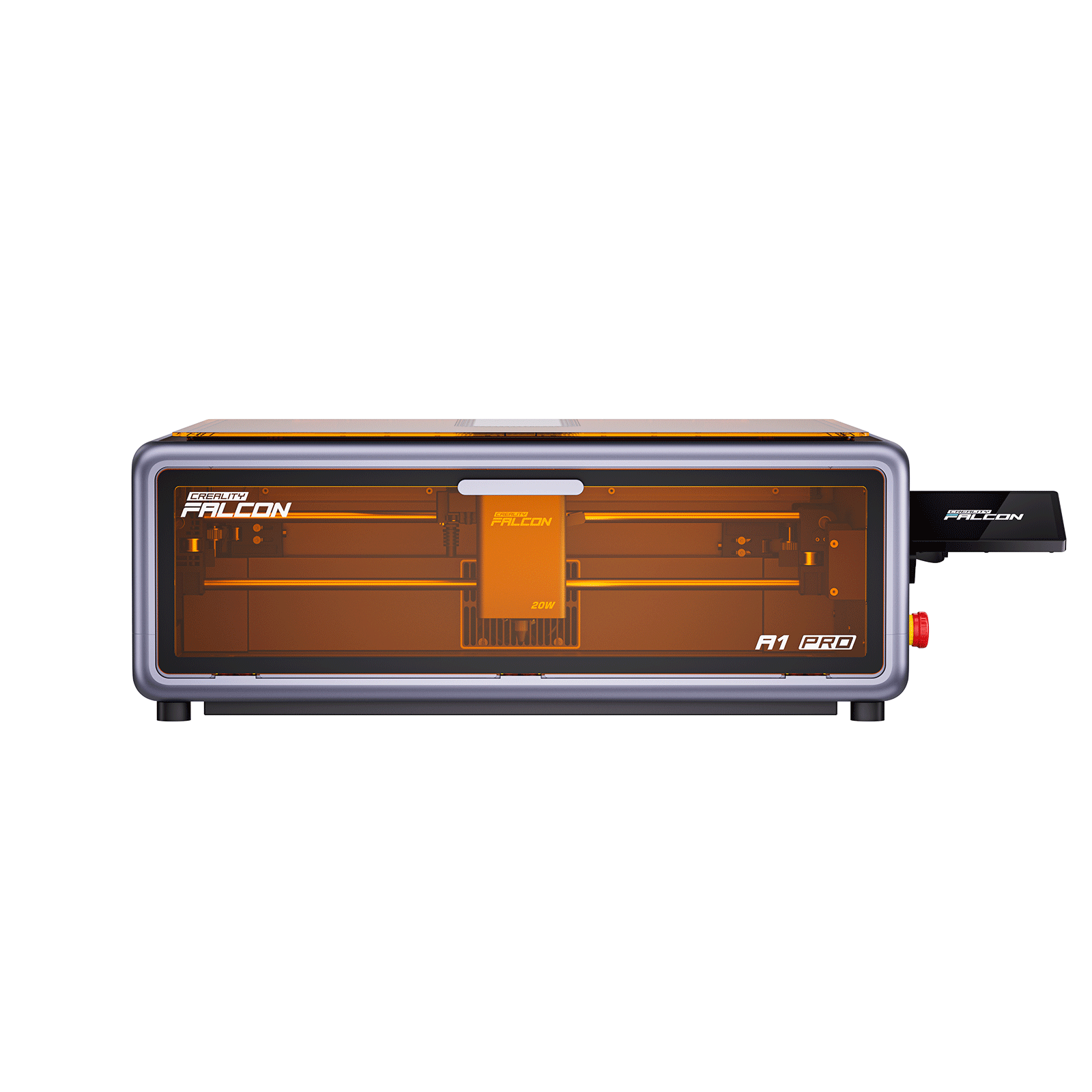
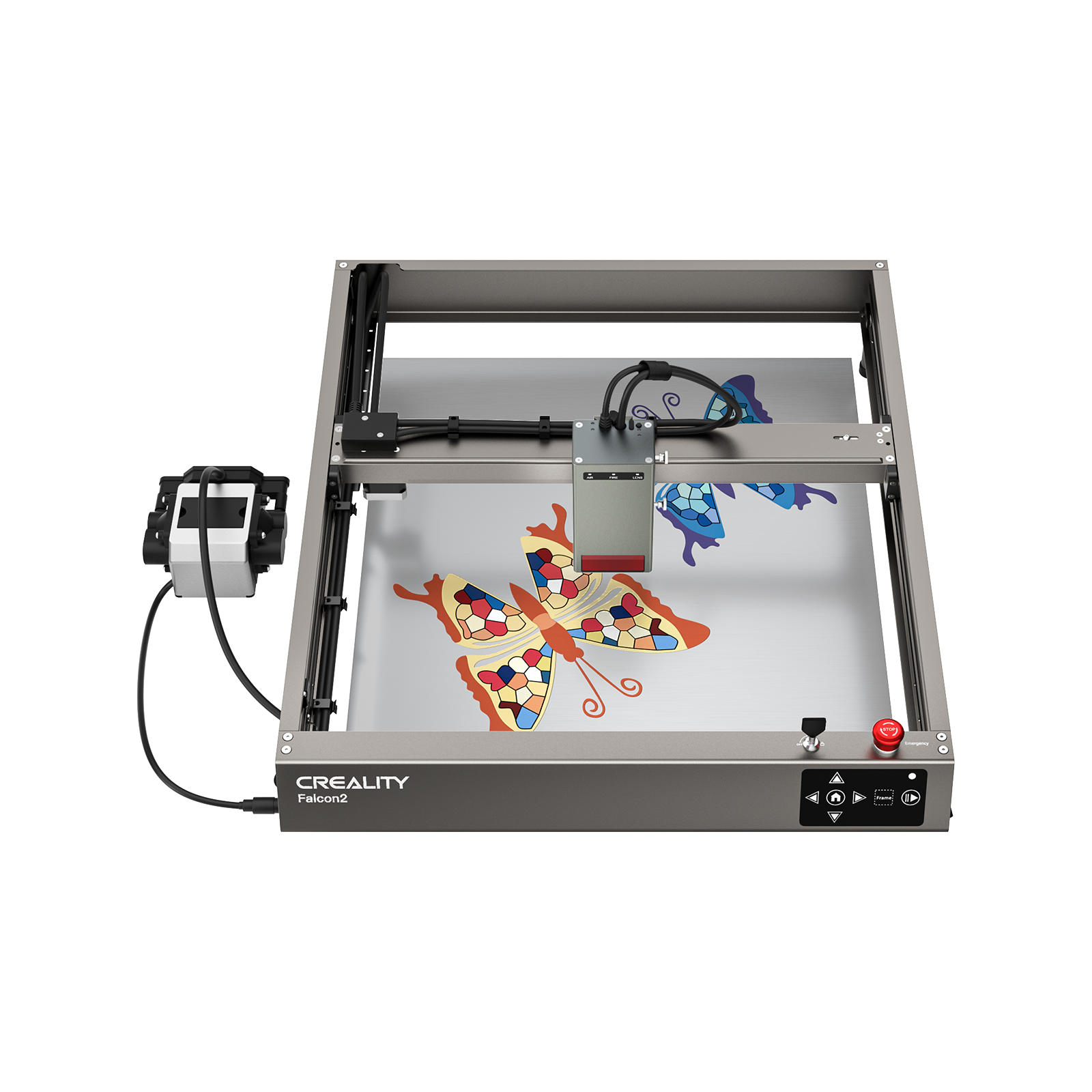
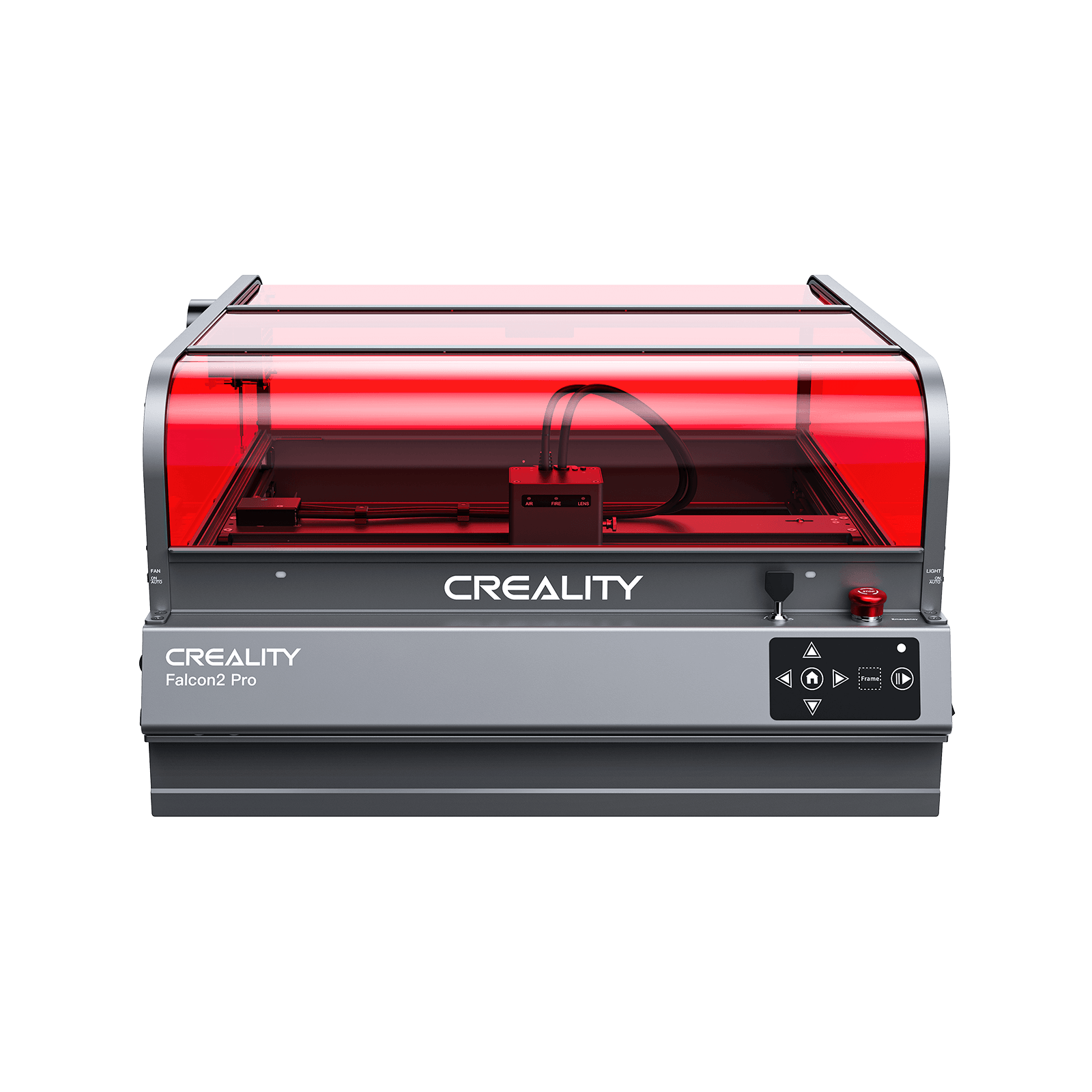
3. Creality Falcon2 Pro 22W
Why Choose This Product: The Falcon2 Pro 22W offers a mid-range diode laser with excellent engraving speed and precision at an accessible price.
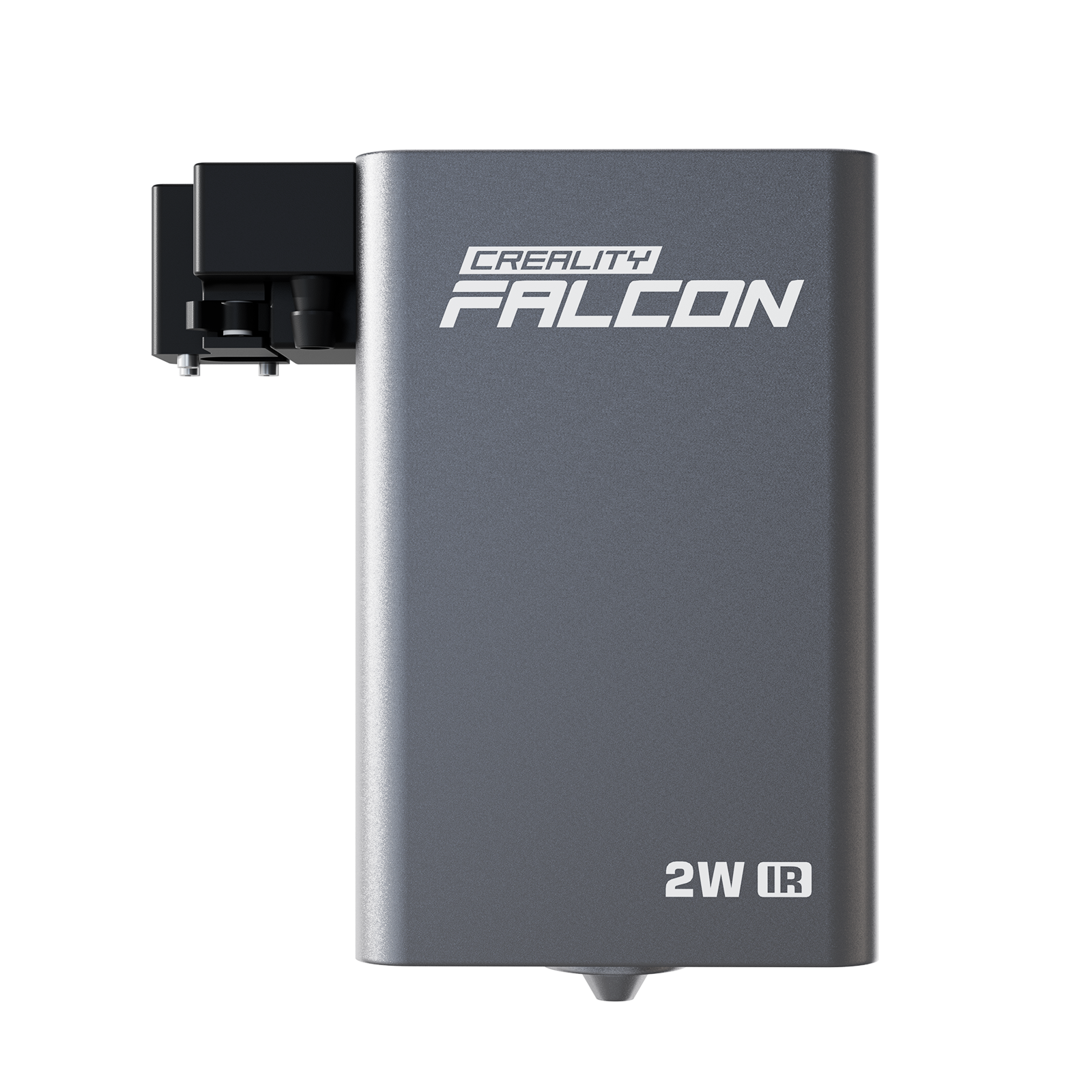
This 22-watt diode laser engraver from Creality Falcon provides a good balance between power and control, suitable for detailed engraving and light cutting tasks.

Its optical power supports efficient processing of materials like wood, leather, and acrylic up to moderate thicknesses.
The enclosed design provides safety and reduces dust, while the software allows comprehensive parameter adjustments including power percentage and speed.
This model is ideal for makers and small businesses looking for quality and affordability in one package.
- Laser Power: 22W diode
- Work Area: 400 x 400 mm
- Max Speed: 500 mm/s
- Connectivity: USB
- Pros: Affordable, good power for mid-level projects, enclosed design
- Cons: Not suited for thick material cutting
Prices may vary due to promotions. Please check the official website for the latest pricing.
TwoTrees TS2-20W
Why Choose This Product: The Twotrees TS2-20W provides reliable 20W diode laser power for hobbyist and small business engraving needs.
The TwoTrees TS2-20W delivers consistent 20-watt optical power, making it suitable for detailed engraving on wood, paper, and acrylic sheets.
Its compact design and intuitive interface make it accessible for beginners while maintaining enough power for professional results.
Users can adjust power settings to optimize speed and depth, allowing customization for various projects.
The machine supports common engraving workflows with compatibility for popular design software.
It is a solid choice for users seeking a dependable mid-power laser engraver without high complexity.
- Laser Power: 20W diode
- Work Area: 410 x 400 mm
- Max Speed: 300 mm/s
- Connectivity: USB
- Pros: Easy to use, reliable 20W power, affordable
- Cons: Slower speed compared to higher-end models
Prices may vary due to promotions. Please check the official website for the latest pricing.
ComMarker Omni X UV
Why Choose This Product: The ComMarker Omni X UV offers specialized UV laser technology for precision marking requiring low optical power.
Unlike diode or CO2 lasers, the ComMarker Omni X UV uses a UV laser source ideal for ultra-fine engraving on plastics, glass, and ceramics.
Its optical power is optimized for surface marking without material damage, enabling high-resolution designs and text on delicate items.
This machine suits industries needing precise, non-destructive marking such as electronics, medical devices, and jewelry.
The adjustable power and speed settings allow exact control over the engraving process.
It represents a niche but essential category of laser engravers focused on optical power tailored for UV applications.
- Laser Power: UV laser (low power)
- Work Area: Varies by model
- Connectivity: USB, Ethernet
- Pros: High precision, low heat impact, ideal for delicate materials
- Cons: Limited cutting capability, higher cost
Prices may vary due to promotions. Please check the official website for the latest pricing.
Frequently Asked Questions About Laser Engraver Optical Power
What is the difference between laser power and laser optical power?
Laser power often refers to the electrical power input to the laser source, while optical power specifically measures the laser beam output energy that interacts with the material.
Optical power is the effective energy used in engraving or cutting, which can be less than the electrical power due to system losses.
How do I know the right optical power setting for my material?
Start with manufacturer presets or recommended power percentages for your material type and thickness.
Adjust incrementally while observing engraving quality, depth, and material response to find the optimal setting.
Can I increase the laser power beyond the rated optical power?
No, exceeding the rated optical power can damage the laser module and reduce lifespan.
Always operate within manufacturer specifications to ensure safety and performance.
Does higher optical power always mean better engraving?
Not necessarily. Higher power can speed up engraving but may cause burning or loss of detail on sensitive materials.
Balancing power with speed and focus is key for optimal results.
How does optical power affect laser safety?
Higher optical power lasers pose increased risks of eye and skin injury.
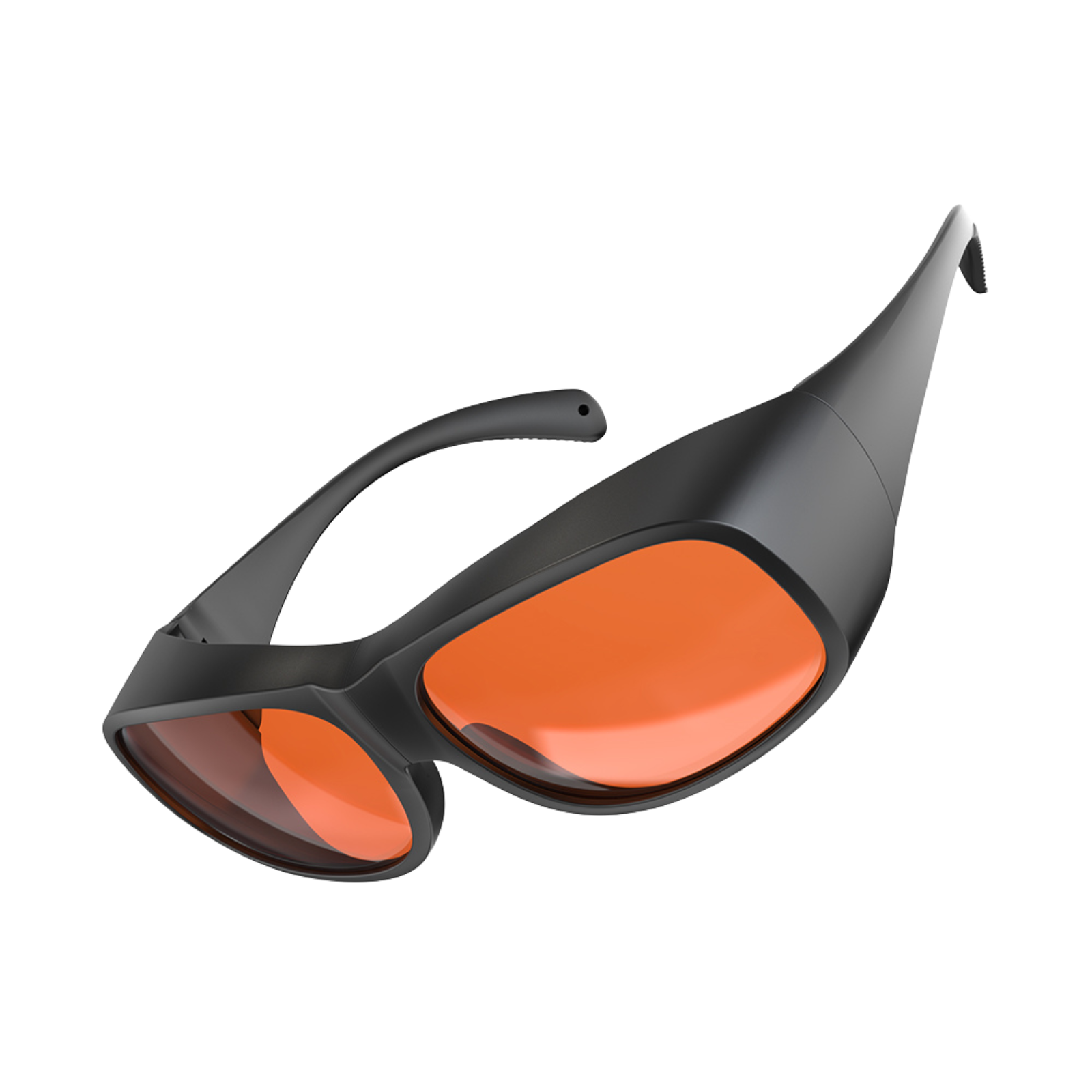
Proper protective equipment and safety procedures are essential when operating lasers with significant optical power.
Conclusion
Laser engraver optical power is a fundamental parameter that defines the effectiveness of laser engraving and cutting.
It represents the actual laser energy reaching the material and influences speed, depth, and quality of the work.
Understanding how to adjust and match optical power to material type and thickness is essential for achieving professional results.
Different laser technologies and power ranges serve varied applications, from hobbyist crafting to industrial manufacturing.
Choosing the right laser engraver with suitable optical power, like the xTool S1 40W or Glowforge Plus HD 40W CO2, ensures efficient and precise engraving tailored to your needs.
Always prioritize safety and manufacturer guidelines when working with laser optical power in any project.
Discover what laser engraver optical power means, its impact on engraving quality, and how to choose the right power for different materials in 2026.
Recent News

12 World Cup Laser Engraving Ideas for Fans
Explore world cup laser engraving ideas for fan gifts, tumblers, coasters, signs, and safe soccer-inspired designs makers can...

What Materials Does a Laser Cutter Cut Safely
Find out what materials does a laser cutter cut, which plastics to avoid, and how CO2, diode, and...

7 Best Laser Engravers Under $1000
Quick Answer:The best laser engraver under $1000 should be chosen by total setup cost, not machine price alone.For most...