






















Laser Engraving Cost Breakdown: 7 Costs (2026 Guide)

Laser engraving cost is more than a sticker price—it’s a combination of machine purchase, ongoing consumables, and the value of your time.
Hobbyists might budget $400 for a diode laser cutter, while a production studio could lock in $30,000-plus for a commercial CO₂ system.
This guide is focused on laser engraving makers and emerging businesses that balance those upfront investments and recurring expenses.
Whether engraving wooden signs in a garage or running a boutique metal accessorizing service, understanding these variables keeps quotes honest and helps you plan capital outlays before you buy.
4 Laser Machine Types and Their Cost Differences
CO₂, diode, and fiber lasers each carry distinct laser cutter cost profiles.
CO₂ systems start around $2,500 for desktop units and exceed $50,000 for industrial platforms, making them the default for wood, acrylic, and textiles.

Diode lasers like those in the xTool family fill the $500–$2,000 entry tier—ideal for leather patches and thin plywood—but typically require slower run times.
Fiber laser cutter price tags begin near $10,000 and climb past $100,000 because they engrave metal directly without coatings, making them essential for metal-focused shops.
Hybrid laser/marker models sit around $20,000–$70,000, balancing metal and plastics.
Material compatibility directly affects cost per job: fiber machines simplify metal workflows, while CO₂ systems may require masking or finishing for acrylic signage.
Higher wattage systems (e.g., 60W CO₂) also reduce production time, lowering labor cost per unit compared to lower-power diode machines.
5 Key Factors That Drive Laser Engraving Prices
Material choice, engraving detail, and machine speed all influence laser etching prices.
- Dense hardwood signs require slower passes and multiple layers, while anodized aluminum engraving with fiber lasers is faster and more efficient.
- Complex designs increase labor time. For example, cutting intricate leather patterns requires careful nesting to reduce waste.
- Operational costs also matter: CO₂ machines need mirror cleaning and alignment, while diode systems may require module replacement over time.
- Electricity usage varies significantly. A 60W CO₂ machine can draw 8–10 amps, while a small diode system consumes far less power.
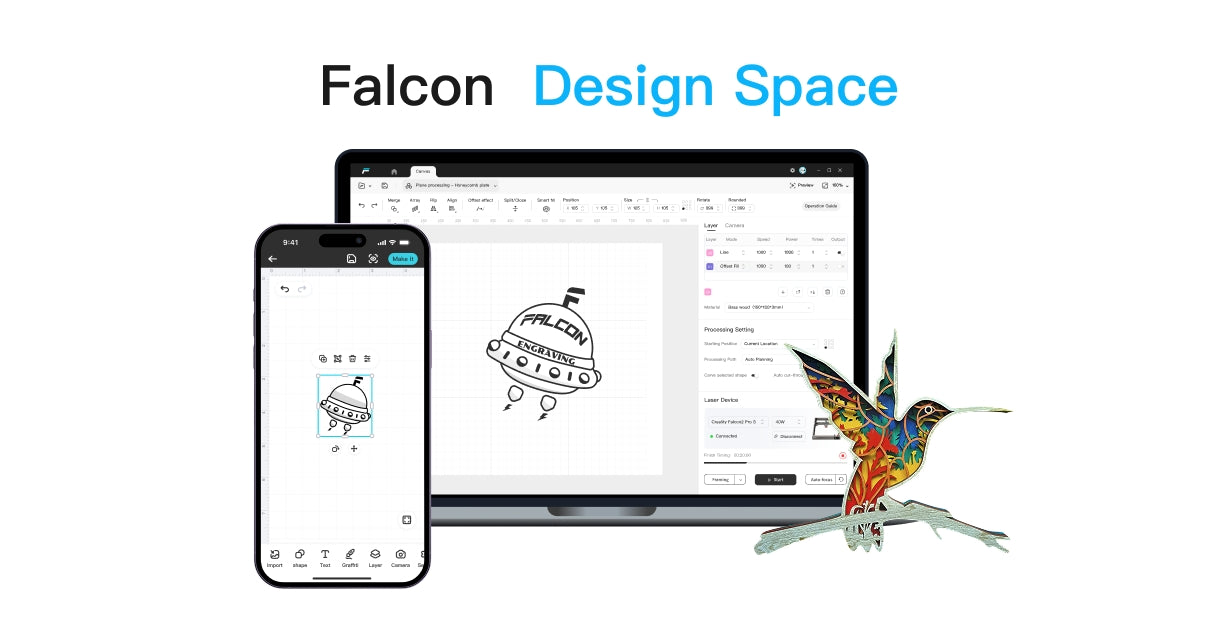
- Additional costs—software licenses, air assist systems, lenses, and ventilation—also contribute to the total laser engraving machine price.
Together, these factors determine how pricing is calculated: material + machine runtime + labor + overhead.
5 Brand Price Ranges Compared (Epilog, Trotec, Glowforge, xTool, OMTech)
Epilog laser prices range from about $8,000 for entry models to over $30,000 for advanced systems.
Trotec laser prices start near $10,000 and can exceed $70,000 for high-speed industrial machines known for precision and reliability.
Glowforge laser cutter price typically falls between $2,500 and $6,000, offering an accessible plug-and-play experience for hobbyists.
xTool focuses on affordable diode systems under $3,000, while OMTech provides budget-friendly CO₂ machines in the $3,000–$7,000 range.

These differences reflect build quality, service support, and performance.
For businesses, strong after-sales support and spare part availability can be just as important as machine price.
Hobby users, on the other hand, often prioritize ease of use and community support.
2 Real-World Cost Examples and Pricing Formulas
A custom wooden sign might include a $25 maple board, 8 minutes of engraving time, and finishing labor—bringing the total cost to around $50–$60.
For metal engraving, a stainless steel token may cost $4 in material and require only a short fiber laser cycle, resulting in a total cost near $20 per piece.
A simple pricing formula is:
- Material cost
- Machine runtime (minutes × rate)
- Labor
- Overhead
Tracking these inputs helps improve accuracy over time.
Makers working with leather or acrylic can refine pricing further by batching jobs, reducing setup time, and minimizing waste.
5 Hidden Ownership Costs Most Buyers Miss
Beyond the initial purchase, ongoing maintenance is essential.
- CO₂ machines require lens replacement ($80–$150) and periodic cleaning.
- Fiber lasers may require protective lenses and gas usage, adding recurring costs.
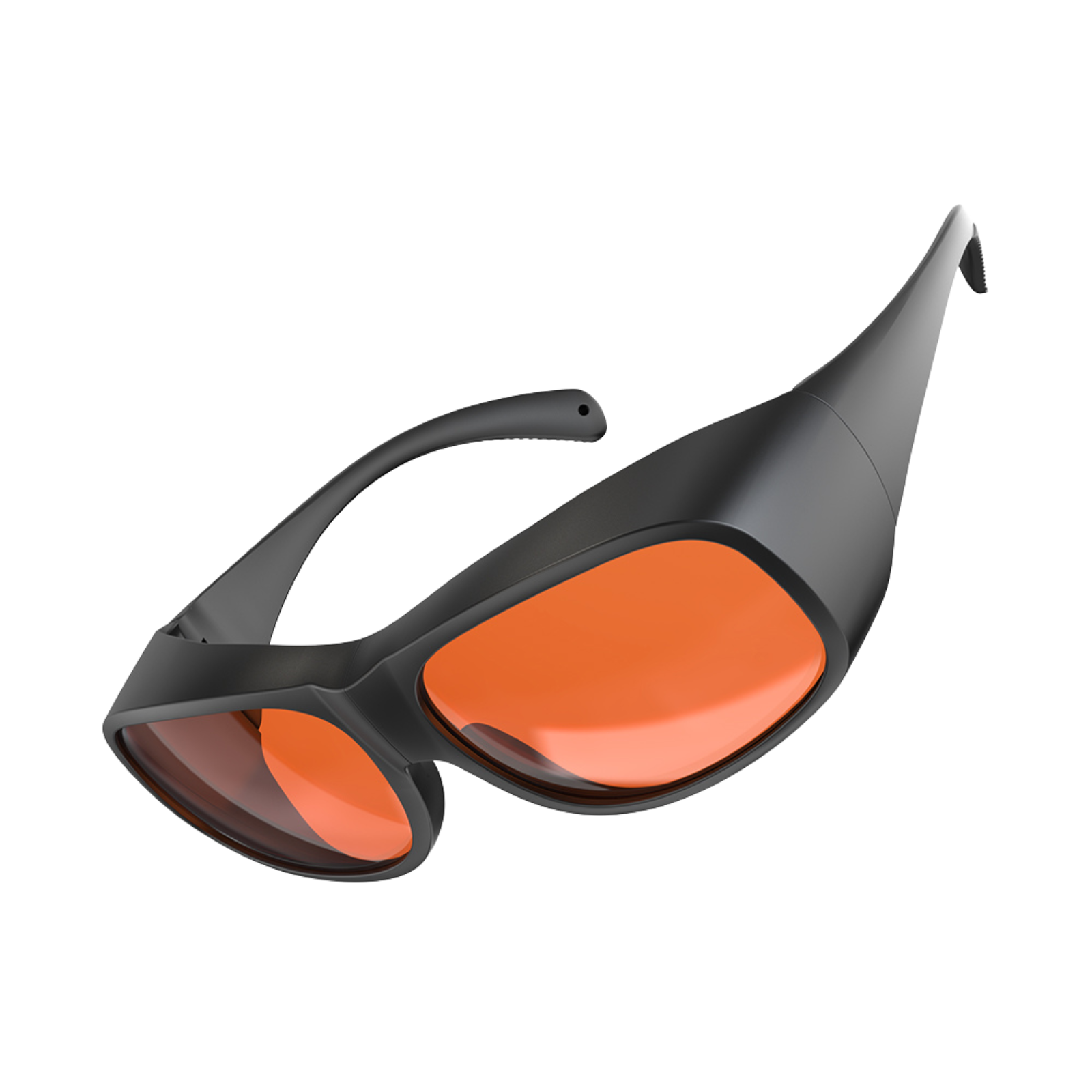
- Ventilation systems, safety equipment, and fire protection can cost $500–$1,500 upfront but are necessary for safe operation.
- Consumables like masking materials and adhesives also add to per-project costs.
- Electricity is another factor. A mid-power laser running several hours weekly can add noticeable monthly expenses.
These ongoing costs directly impact long-term profitability.
3 Ways to Choose the Right Machine for Your Budget
Choosing the right machine depends on your workload.
Hobbyists can start with a low-cost diode laser for wood or leather projects.
Small businesses may benefit from a 40–60W CO₂ system for faster production and broader material compatibility.
Fiber lasers are best for metal-focused work despite the higher upfront cost.
Buyers should also consider used machines, financing options, and workspace limitations such as ventilation and available space.
Matching machine capability with production needs ensures better ROI and avoids unnecessary expenses.
5 Proven Ways to Reduce Laser Engraving Costs
- Optimize material layout to reduce waste
- Lower DPI when high detail is unnecessary
- Batch similar jobs to improve efficiency
- Maintain your machine regularly to avoid costly downtime
- Improve software workflow to reduce runtime
These practices help control both material and operational costs while maintaining consistent output quality.
Creality Falcon Best-Fit Pick (3 Price Tiers Explained)
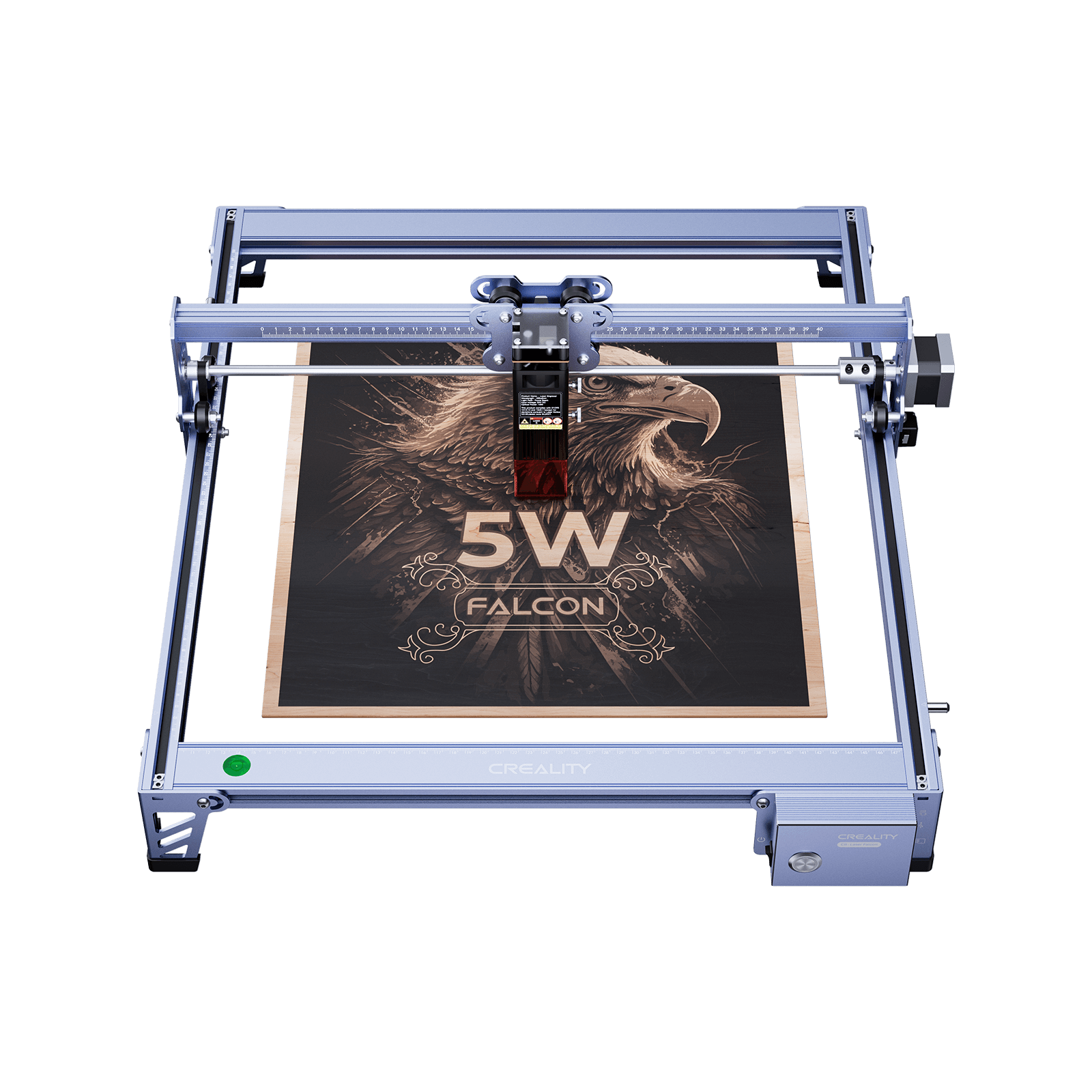
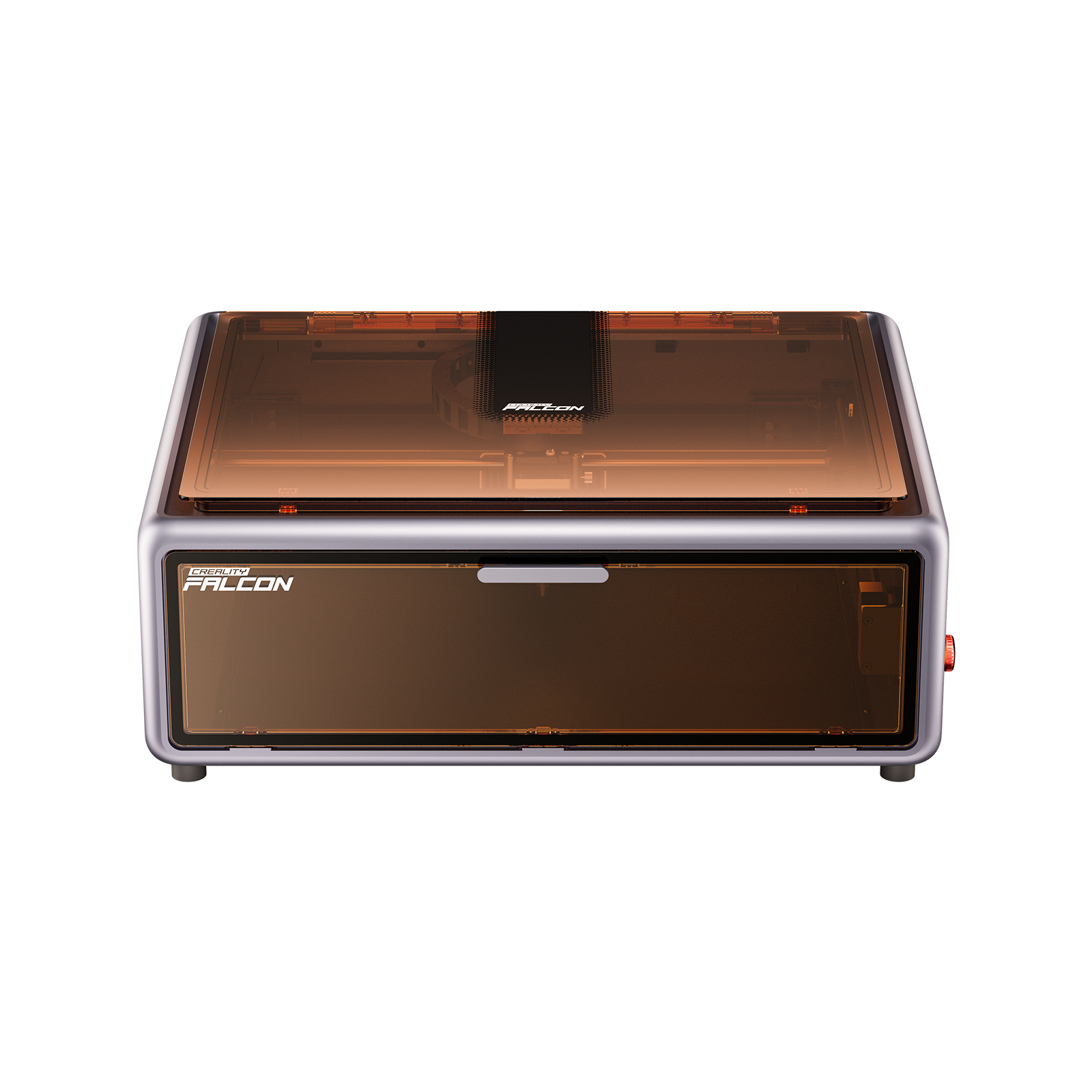
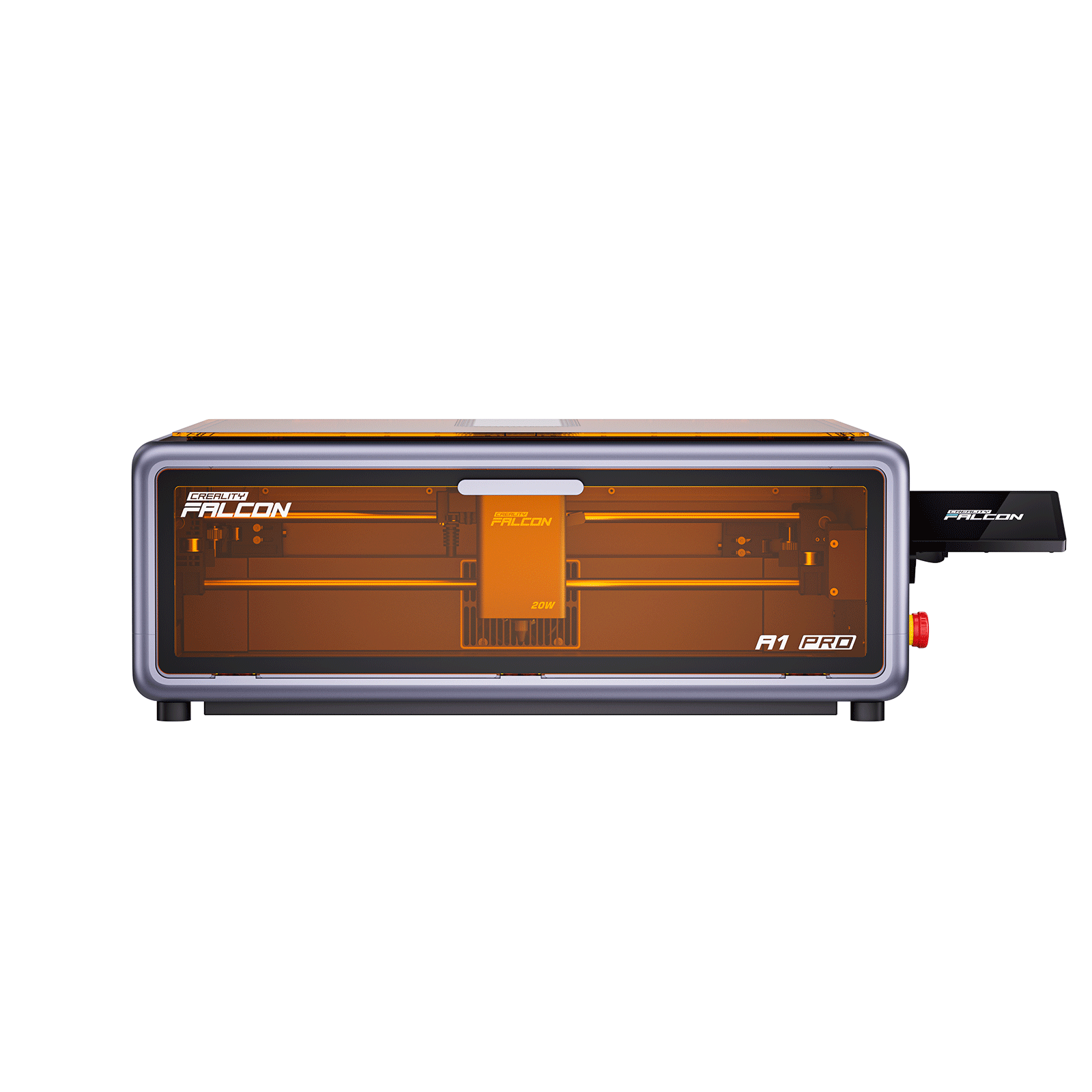
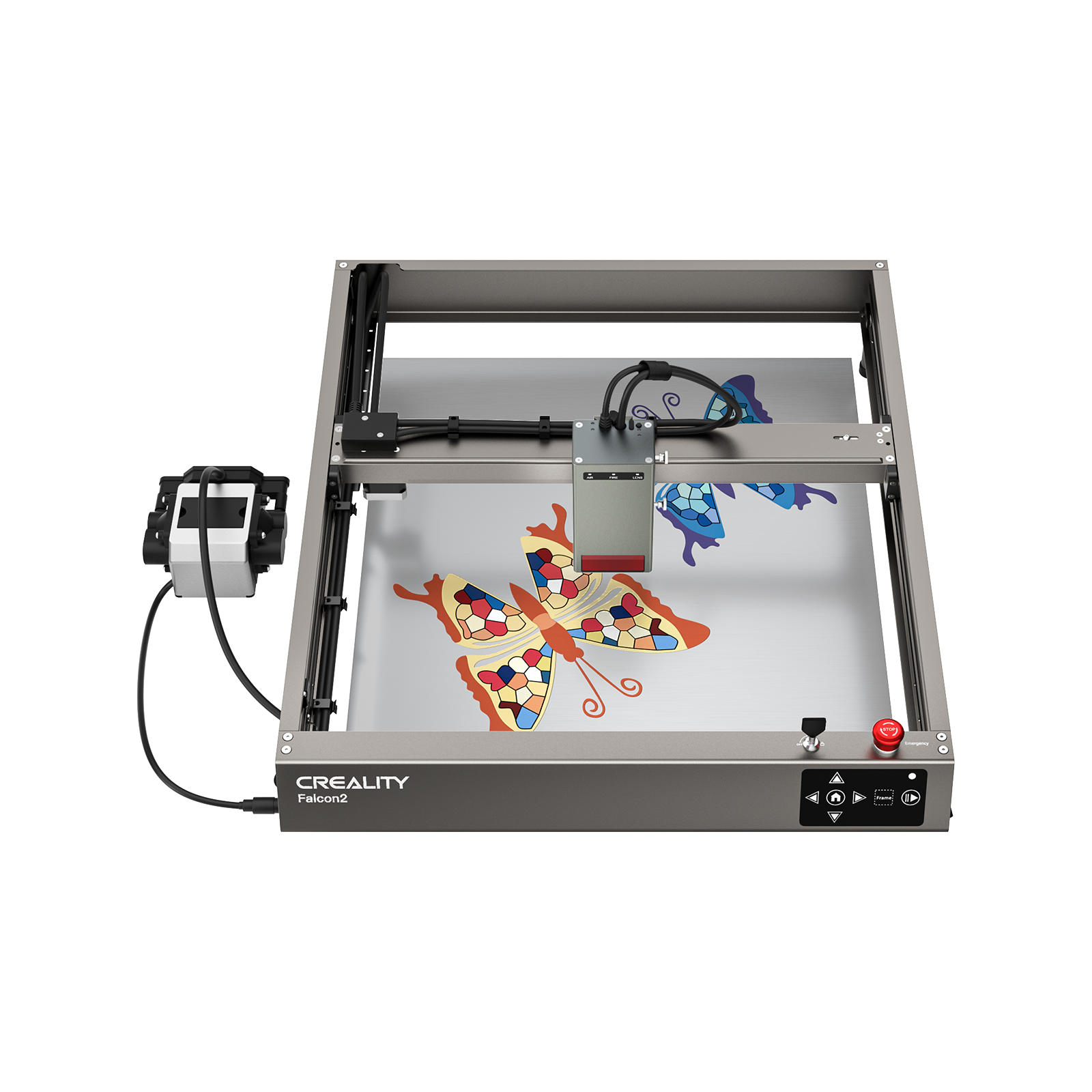
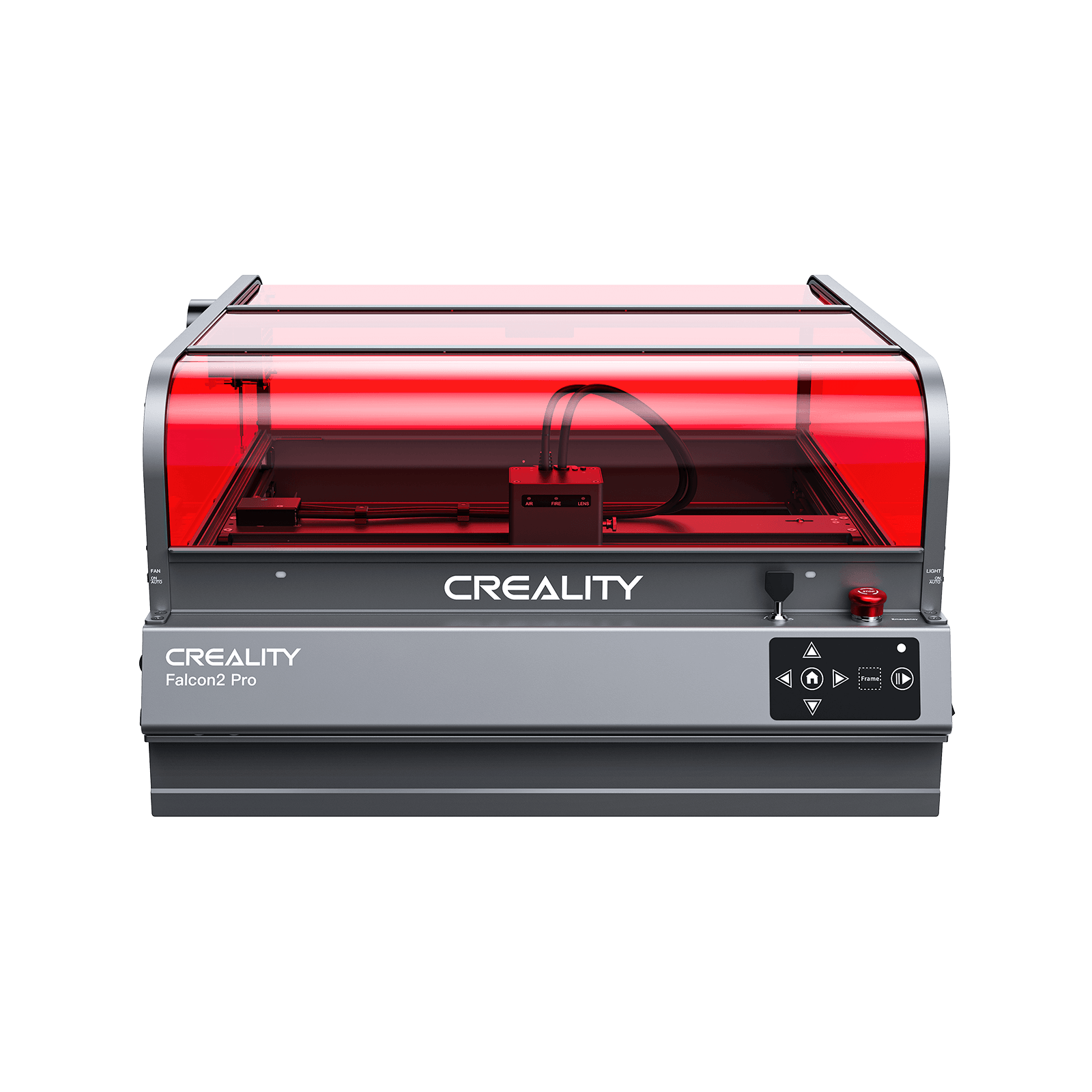
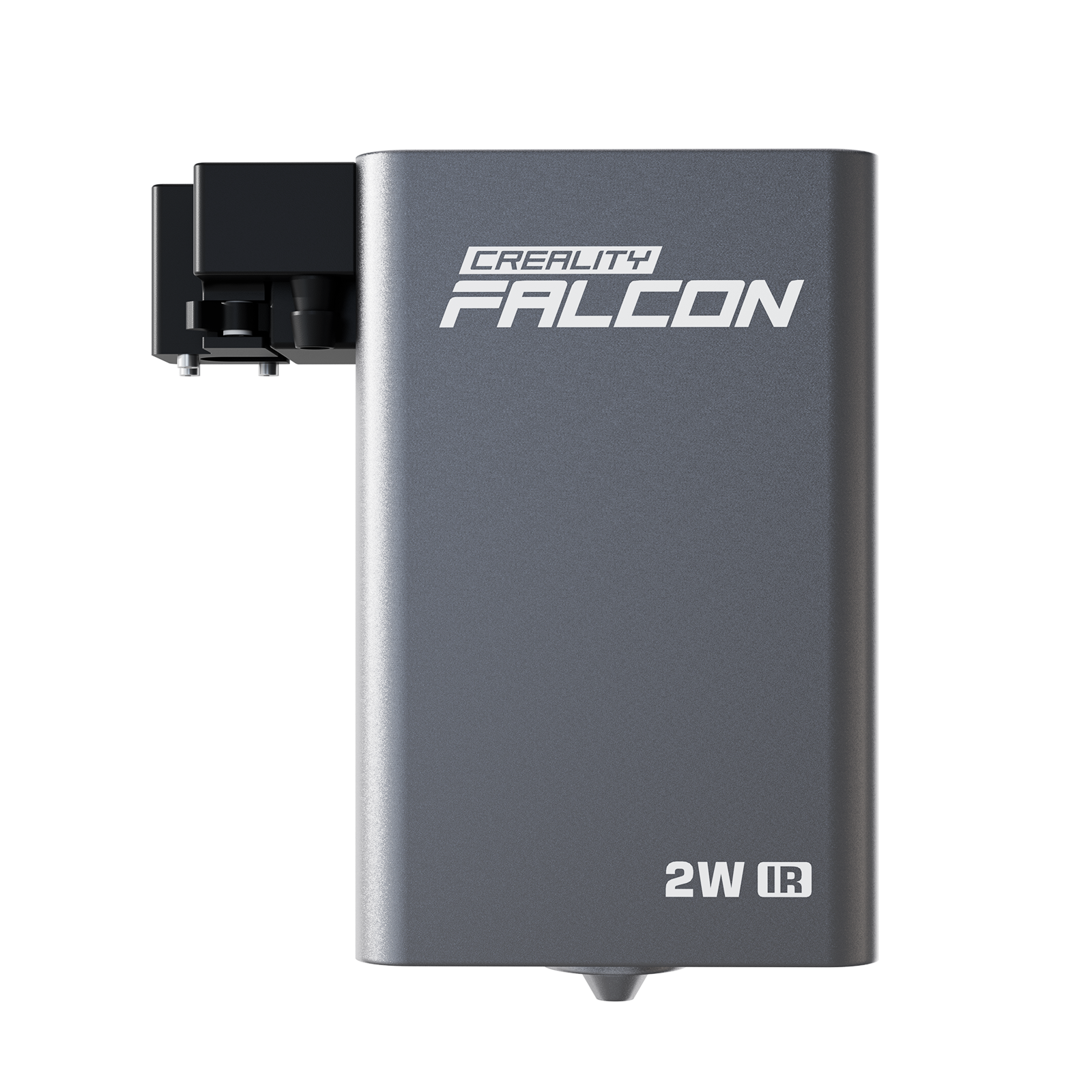
The Creality Falcon Laser Engraver stands out as a strong mid-range option that bridges hobby use and small-scale production.
- Entry-level Falcon diode models typically range from $300–$800.
- Mid-tier 10W–20W systems fall between $800–$1,500.
- Higher-capability setups reach $1,500–$3,000+.
Compared to Glowforge or OMTech, Falcon offers competitive pricing with strong flexibility.
Built-in features and accessible parts help control long-term costs.
For makers moving into small business production, Falcon provides a cost-effective upgrade path.