
























Tutorial: Choosing the Right Laser Engraving Machine for Jewelry

Jewelry personalization is now driven by laser precision, speed, and flawless results.
From engraved wedding bands to plated pendants and micro logos, laser engraving enables stronger differentiation and higher margins.
But with many laser types and power claims, the real question behind the search is: Which laser engraver machine works on precious or plated metals, engraves fine details, and stays reliable without damaging the surface?
This tutorial breaks it down—helping you understand, compare, and choose confidently.
What Is a Laser Engraver for Jewelry
A laser engraver for jewelry is a high-precision, non-contact machine that uses concentrated laser energy to mark, etch, or engrave designs onto small, curved, or premium accessories such as rings, pendants, bracelets, charms, and watch backs.
Compared to mechanical or hand engraving, it offers:
- Micron-level accuracy
- Repeatable, consistent output
- No physical contact, protecting surface finish
- Scalability for both custom and batch production
This makes it ideal for high-value jewelry and delicate surface coatings.

Best Laser Types for Jewelry Engraving (Metal-Friendly Lasers Only)
1. Fiber Lasers (Especially MOPA Fiber Lasers)
Metal jewelry engraving benefits most from MOPA fiber lasers, such as those powered by:
MOPA Fiber Laser delivers excellent results for reflective precious metals due to its adjustable pulse widths, frequencies, and high-DPI scanners, producing:
- Strong contrast
- Controlled engraving depth
- Clean edges
- Even metal color marking when desired

2. UV Lasers (Cold Engraving for Jewelry Surfaces)
UV engraving systems, like:
UV laser module ideal for ultra-polished, plated, or very thin jewelry coatings because of:
- Minimal thermal distortion
- Sharp micro-detail capability
- Better safety for premium, heat-sensitive plating
- Clean, non-oxidated engraving zones

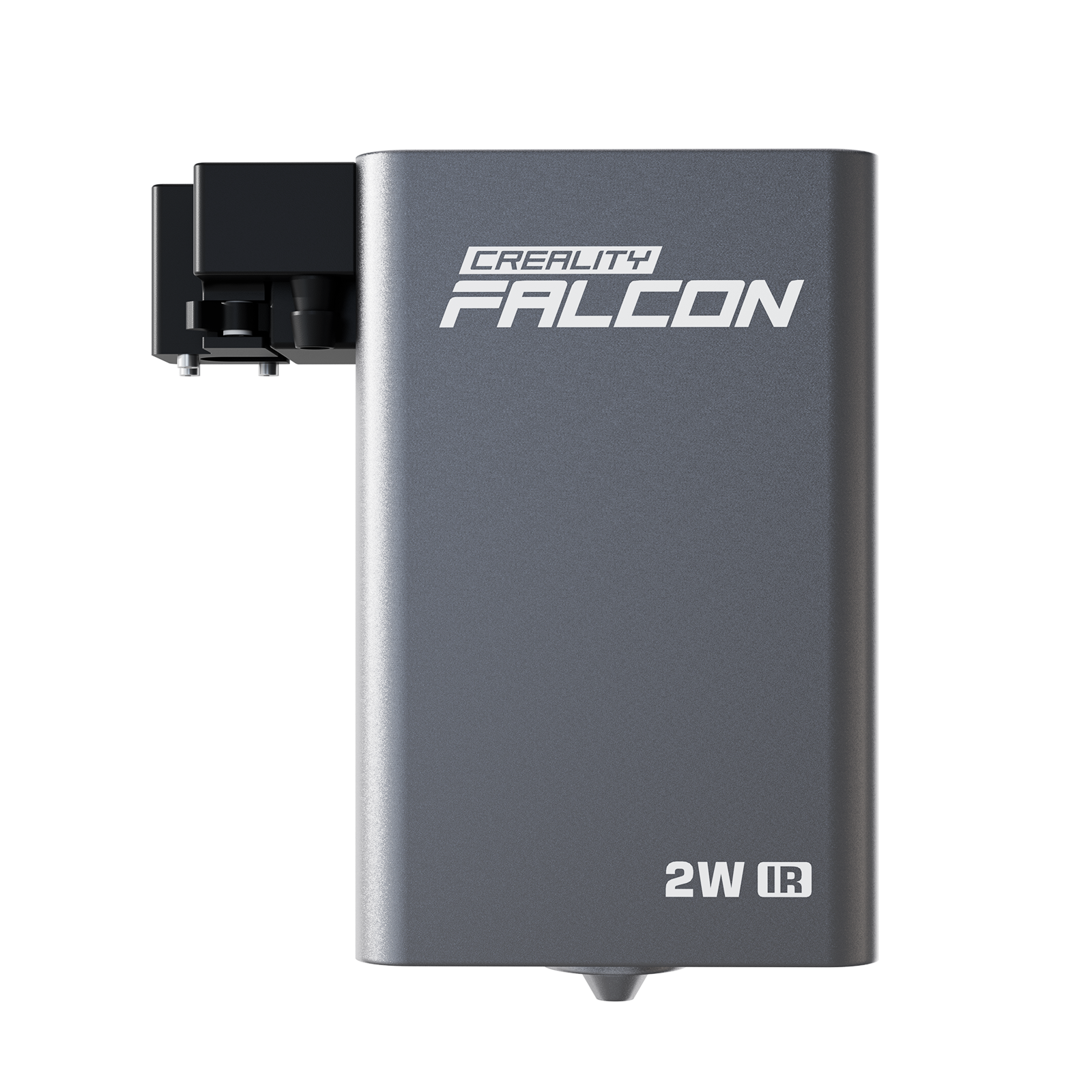
3. Infrared Diode Modules (IR for Reflective Jewelry)
In the portable micro-laser category:
IR diode module is safer than blue diode lasers when engraving reflective metals like gold or silver, but it is generally used for light surface marks rather than deep cuts.

Recommended power ranges are covered further in this guide.
How Laser Machines Work on Precious & Coated Metals
When humans investigate jewelry laser engravers, they want to mentally map input → mechanism → effect → limitation, especially for reflective and valuable metals.
Here’s how it works:
- Different lasers emit different wavelengths.
Precious metals like gold and silver are highly reflective to visible blue light, which is why infrared or UV wavelengths are preferred for safe and effective marking.
Systems such as MOPA fiber laser operate in the near-IR range, where metals absorb energy more efficiently.
This absorbed energy converts into localized heat, enabling engraving or high-contrast marks.
- For ultra-polished or plated jewelry, cold processing is ideal.
Machines using UV laser system have much lower thermal impact, reducing the risk of discoloration or micro-deformation while still producing extremely fine details.
How to Choose the Right Jewelry Laser Engraver (Key Decision Factors)
When people search for a jewelry laser engraver, they’re really trying to learn what to compare and how to choose before buying.
The following 3 factors match natural human decision-making logic and are the most important:
1. Material Compatibility
The laser must safely engrave reflective or plated metals used in jewelry, such as:
- gold rings
- silver charms
- plated stainless steel
Metal-friendly laser sources like MOPA fiber or UV lasers are the most effective and safest choices.

2. Engraving Precision (Laser Spot + DPI)
Jewelry engraving requires extreme detail. A smaller, stable spot and high DPI ensure:
- clear micro text
- sharp logos
- clean, non-blurry edges on tiny or curved surfaces
3. Surface Safety & Protection
The engraving process should be non-contact and heat-controlled to protect:
- mirror-polished finishes
- delicate coatings or plating layers
Cold-processing lasers, such as UV systems, minimize thermal impact and avoid surface damage.
Laser Power for Jewelry Engraving — Recommended Levels
1. Fiber (MOPA Fiber Laser)
Best for most metal jewelry (reflective or not):
|
Jewelry Type |
Recommended Laser Output |
|
Gold rings (solid or reflective) |
20W–30W surface mark, 50W–60W depth |
|
Silver charms / pendants |
20W for high contrast, 30W for faster detail |
|
Coated/plated stainless jewelry |
20W only, short pulses for safety |
2. UV Lasers
Best for ultra-polished, plated or heat-sensitive finishes:
|
Task Type |
Recommended Laser |
|
General surface marking |
3W–5W |
|
Micro-detail engraving on plating |
5W with conservative passes |
3. IR Diode (Infrared Diode Modules)
More metal-friendly than blue diodes, yet weaker than fiber.
Recommended ranges for jewelry surface marking only:
|
Task |
Recommended Output |
|
Light surface marks on metal jewelry |
8W–12W optical IR |
|
Mainly light marking, not depth engraving |
Ideal for small boutique tasks |
The End
Jewelry laser engraving is not about chasing the highest power—it’s about choosing a laser system that metals can absorb, scanners can position precisely, and finishes can stay untouched.
Machines powered by MOPA fiber laser and UV cold laser remain the safest and most effective choices for demanding jewelry work.
They enable crisp engraving on reflective and plated pieces like gold rings, silver charms, and protect premium finishes through non-contact, heat-controlled processing.