


























What Is a Laser Plotter? A Simple Guide for Beginners

The world of design, manufacturing, and creative hobbies is constantly evolving, driven by technologies that offer unparalleled precision and versatility.
At the forefront of this revolution stands the laser plotter, a machine that masterfully combines intricate plotting capabilities with the powerful focus of a laser beam.
If you're looking to transform your ideas into tangible creations, understand cutting-edge manufacturing, or simply explore the capabilities of this incredible device, you’re in the right place.
This ultimate guide will take you from a basic understanding of what a laser plotter is, through its core functionalities and diverse types, all the way to advanced applications and essential considerations for choosing the right machine.
Prepare to unlock the true potential of precision cutting and engraving.
What is a Plotter Laser? Defining the Technology
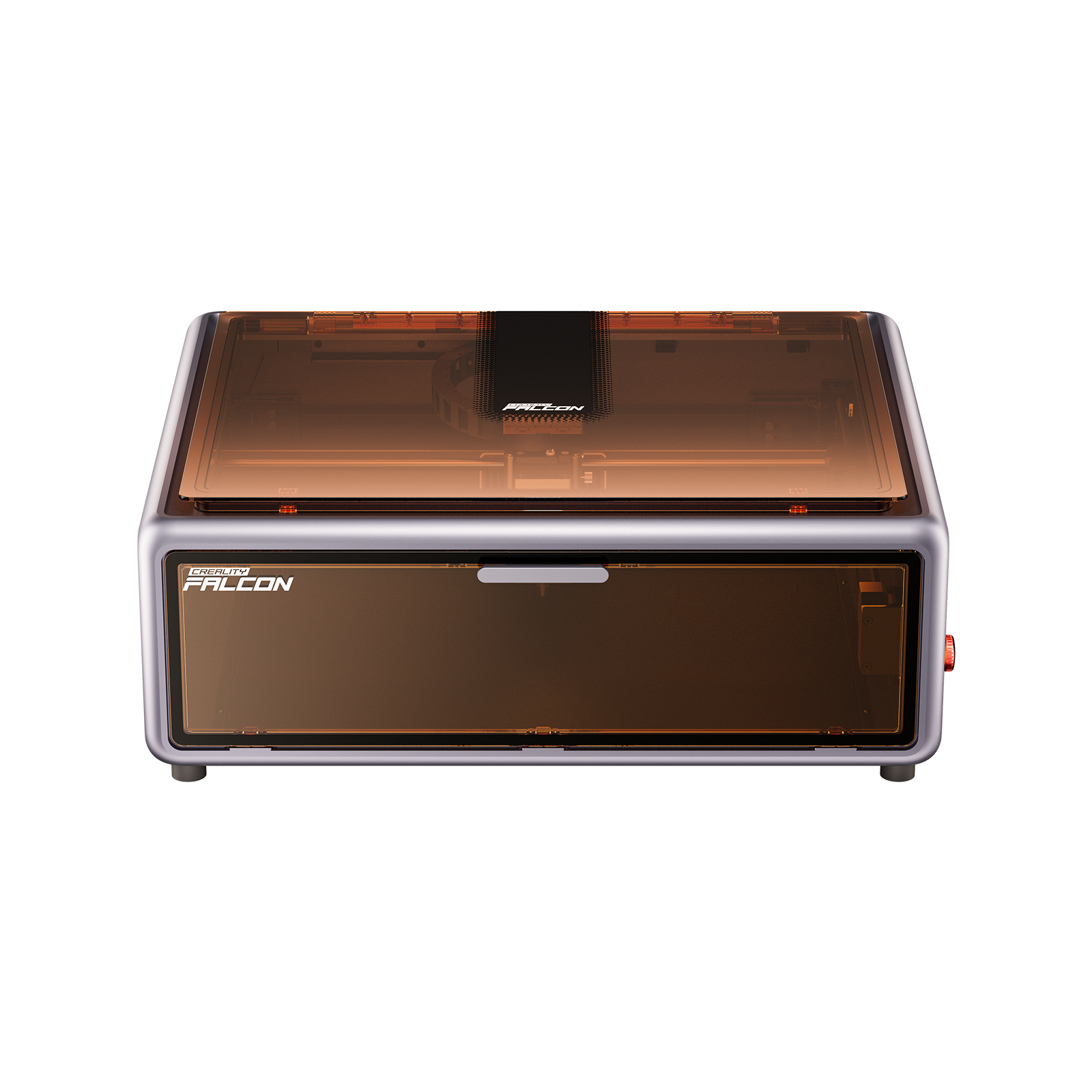
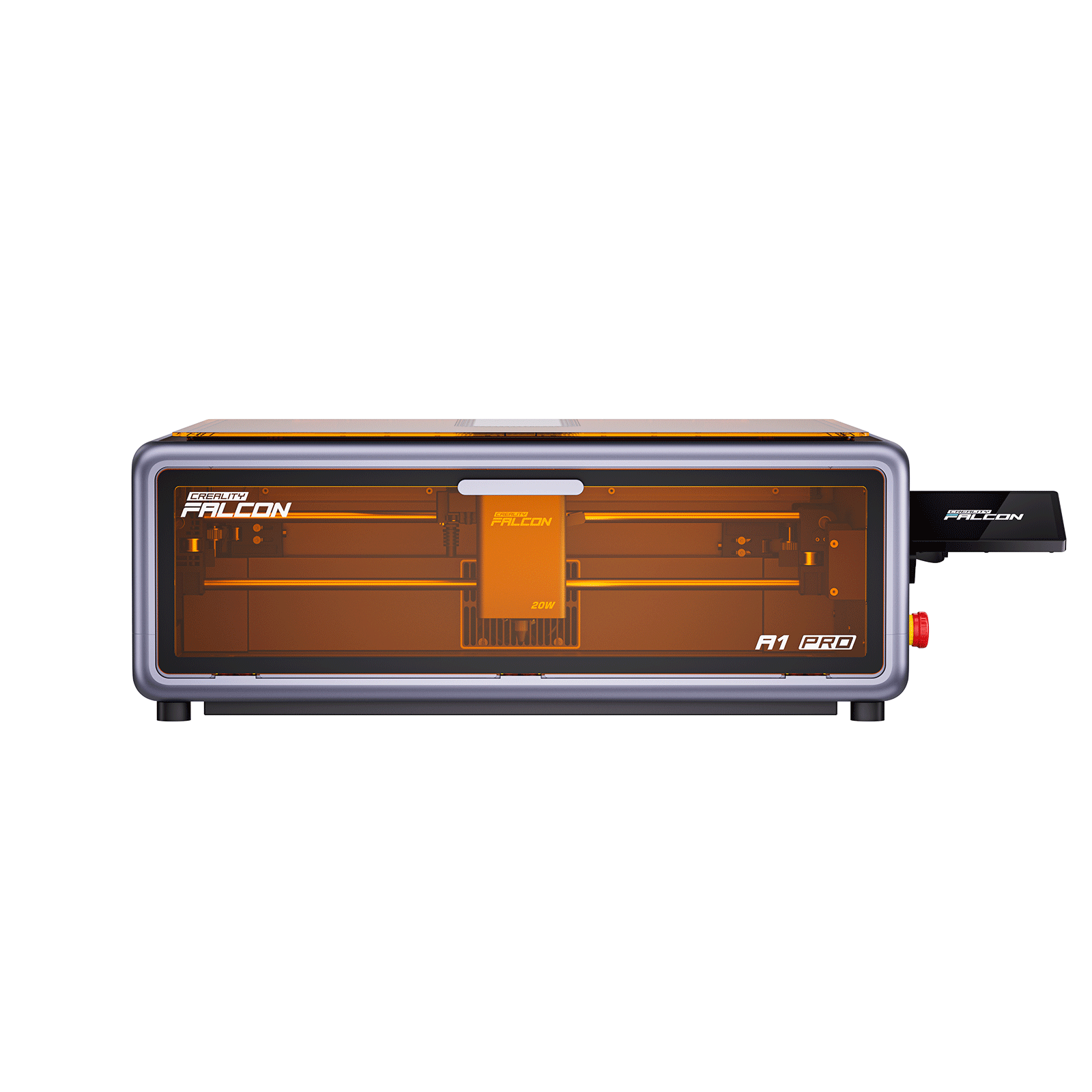
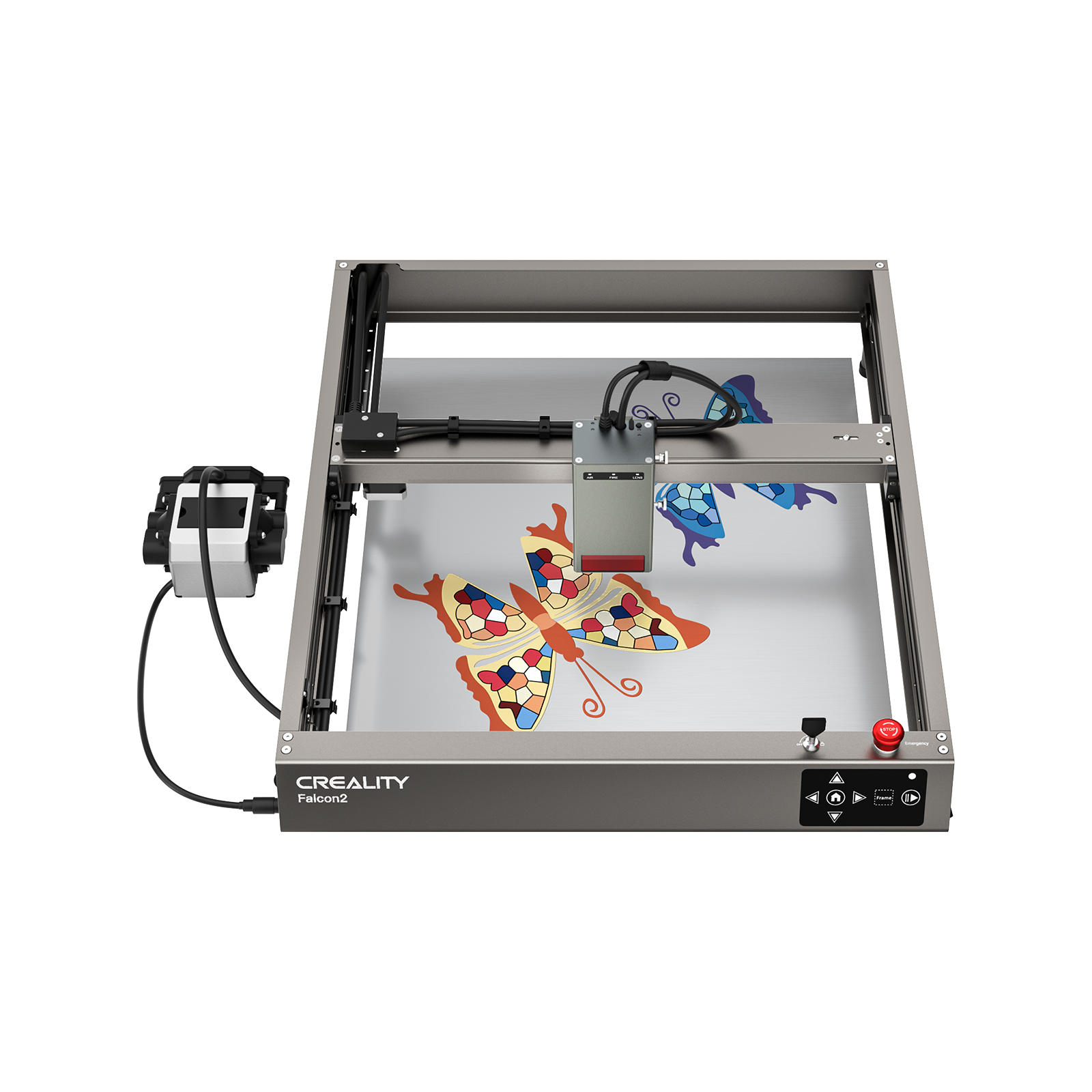
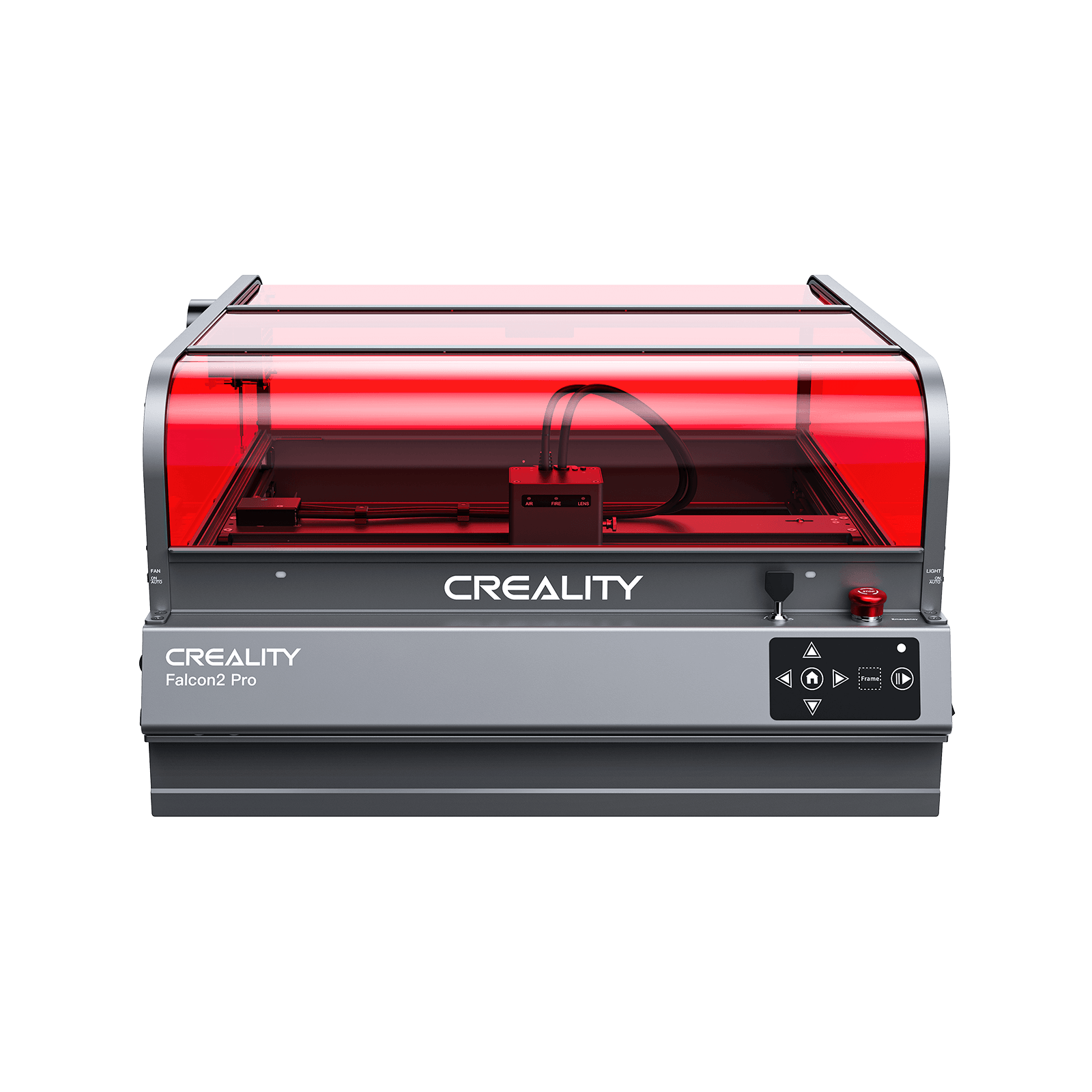
A laser plotter, also called a laser engraver, represents the powerful fusion of two distinct technological realms: the precision motion control of a plotter and the focused energy of a laser.
It's fundamentally a Computer Numerical Control (CNC) machine that uses a highly concentrated laser beam as its primary tool, replacing traditional physical blades or pens.
Core Functionality:
- This device precisely follows digital vector paths to cut, engrave, or mark various materials with exceptional accuracy.
It’s not just a printer; it’s a fabricator, capable of both subtractive (cutting/engraving) and additive (marking, surface alteration) processes.
Key Components:
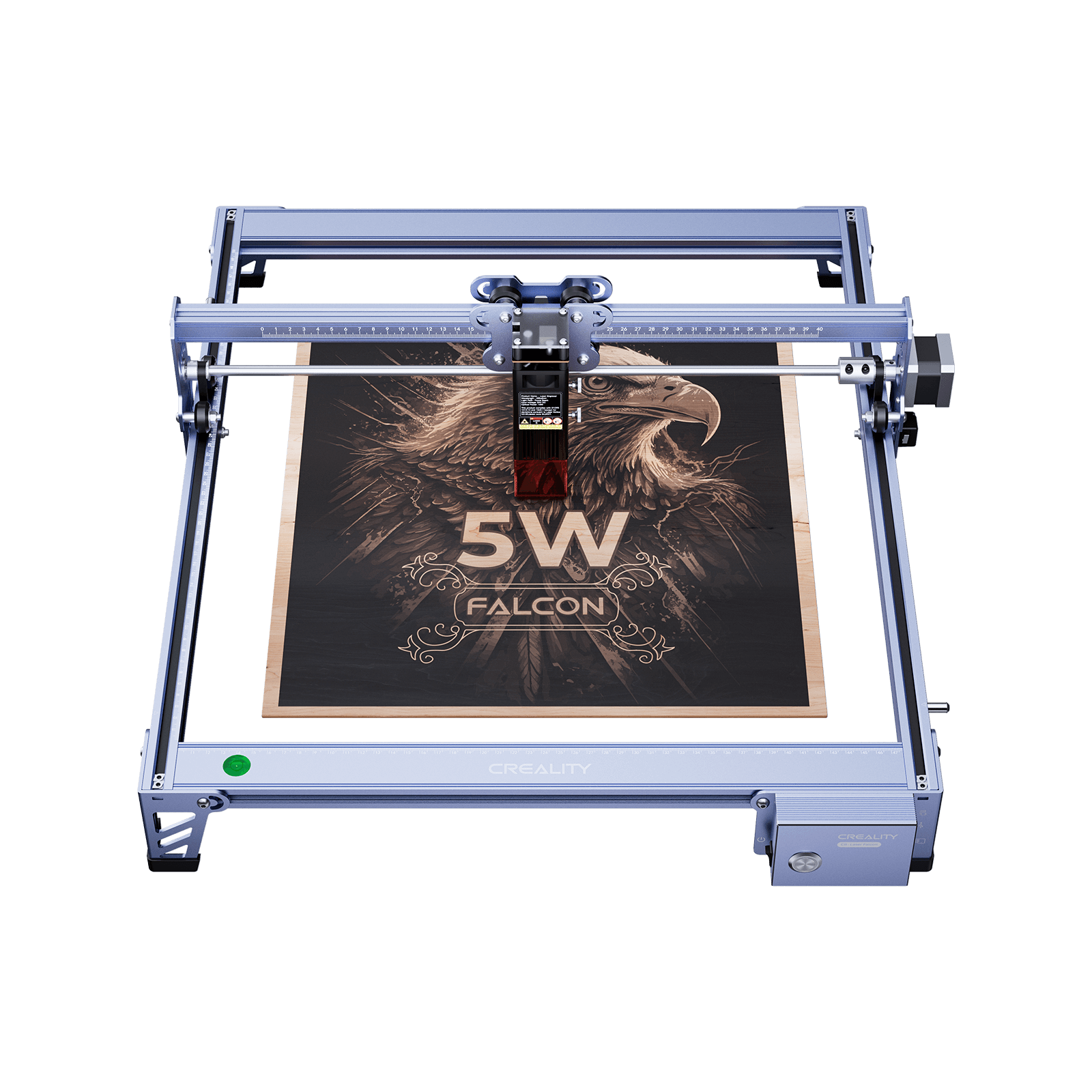
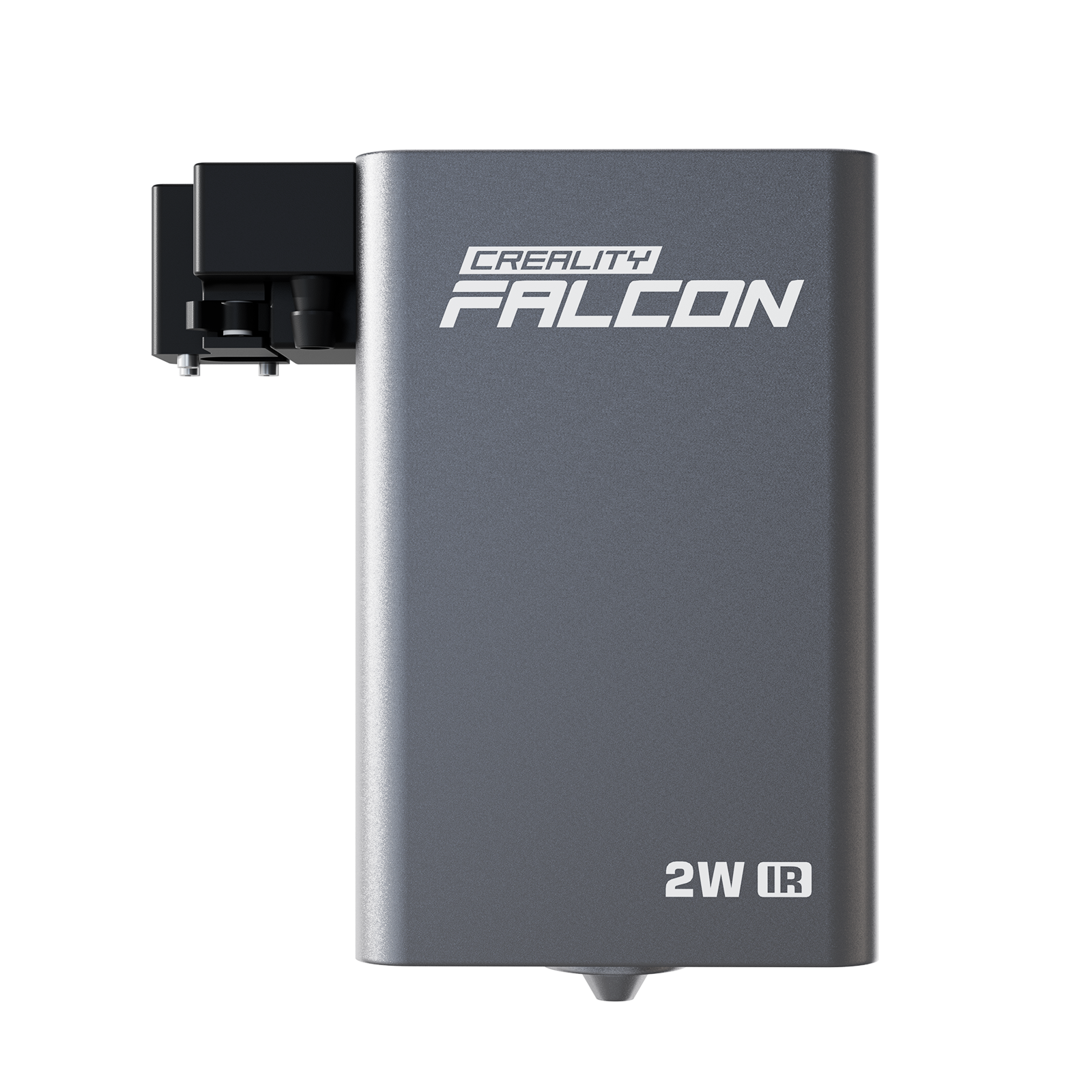
- Laser Source: Generates the laser beam (e.g., CO2 tube, fiber optic, diode).
- Optics: Mirrors guide and lenses focus the beam onto the material.
- Motion System: Gantry-driven motors move the laser head across X and Y axes.
- Control System & Software: Interprets design files (G-code) and commands the machine.
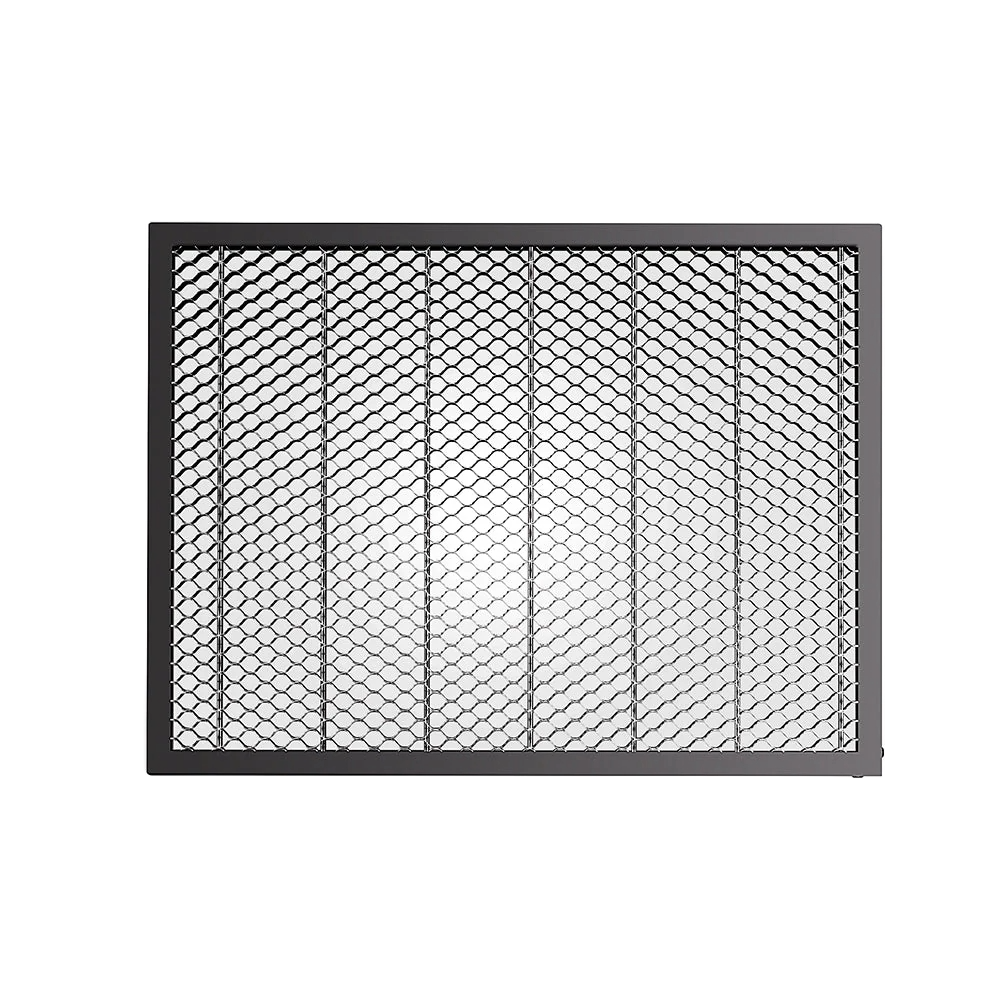
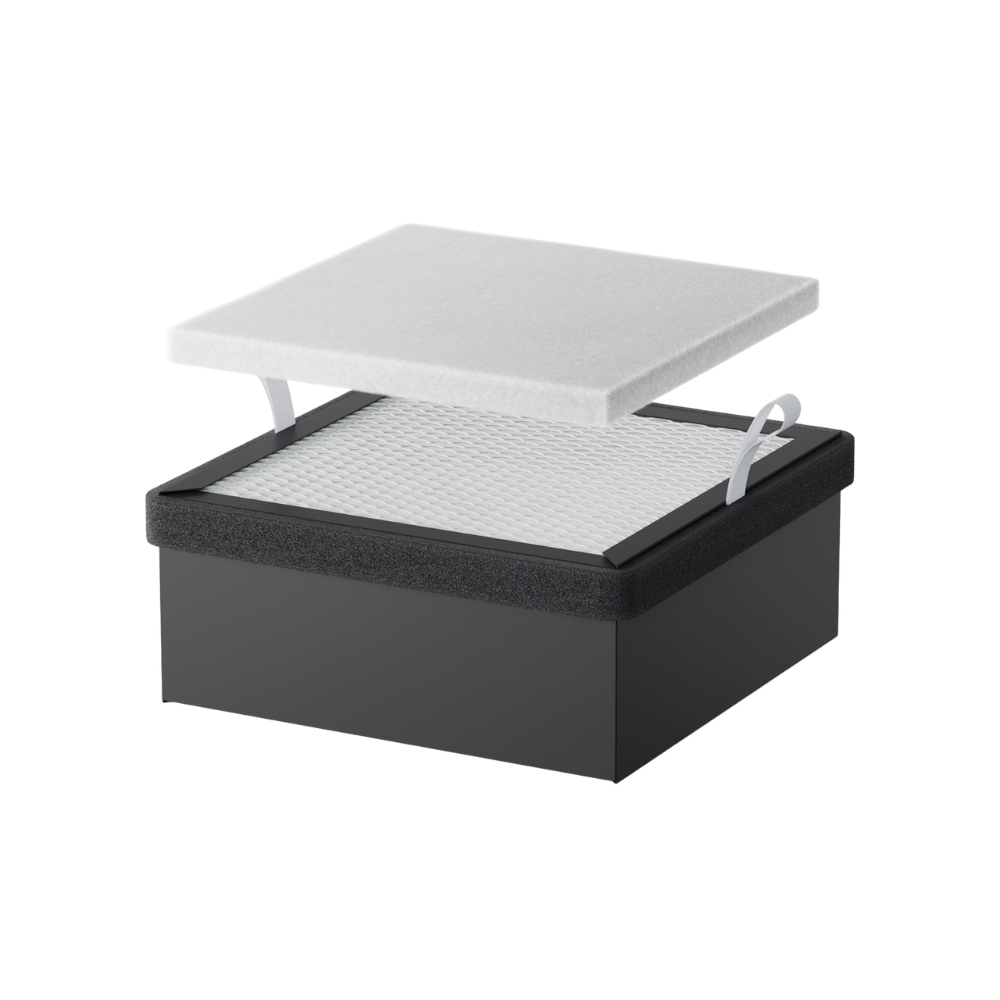
- Workbed & Exhaust: Provides a stable surface and removes fumes/debris for safety.

How Laser Plotters Work: The Science Behind the Beam
The magic of a laser plotter lies in its meticulous workflow and the precise interaction of light with material.
From Design to Product:
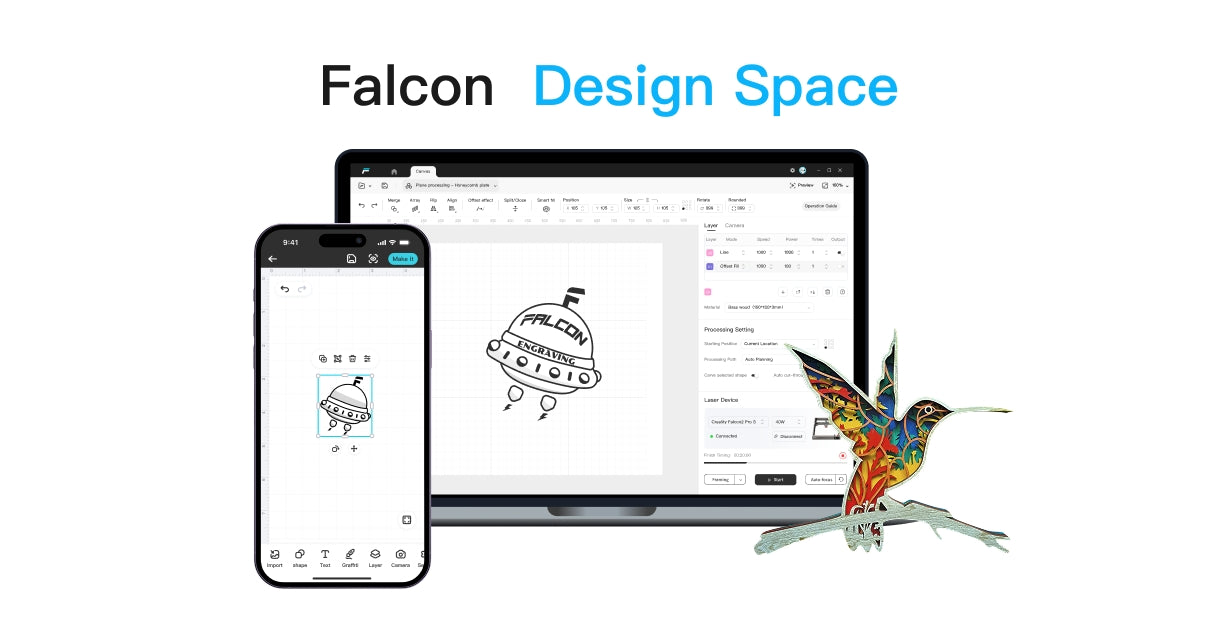
- Design Creation: Your project starts as a digital file (vector for cutting/engraving, raster for engraving) in software like AutoCAD, Illustrator, or CorelDRAW.
- Software Conversion: Specialized laser software (e.g., LightBurn, RDWorks) converts your design into machine-readable G-code, dictating laser power, speed, and path.
- Machine Operation: The control system directs the motion system and laser source. The beam is fired, guided by mirrors, and focused by a lens onto the material.
Laser Generation & Delivery: Different laser types produce light through distinct mechanisms.
CO2 lasers use gas discharge, fiber lasers use optical fibers doped with rare earth elements, and diode lasers use semiconductors.
Regardless of the source, the beam is precisely controlled and delivered to the material.
Interaction with Materials: When the focused laser beam hits a material, its intense energy causes rapid heating.
This can lead to:
- Ablation: Material vaporizes directly into gas.
- Melting: Material melts and is often blown away by air assist.
- Charring/Discoloration: Surface changes color or texture (engraving).
The specific interaction depends on the material, laser power, and speed settings.
Precision & Speed: Laser plotters offer incredible precision, often down to microns, allowing for intricate details. Speed varies based on power, material, and desired finish, making them highly efficient tools.
Types of Laser Plotters: Choosing the Right Tool
Selecting the right laser plotter hinges on understanding the core differences between the main laser types and their optimal applications.
1. CO2 Laser Plotters
- Best For: Organic materials like wood, acrylic, leather, paper, fabric, rubber, and glass.
- Pros: Highly versatile for cutting and engraving, excellent power range, widely adopted.
- Cons: Not effective on bare metals; requires regular maintenance (tube replacement, mirror cleaning).

2. Fiber Laser Plotters
- Best For: All types of metals (engraving, deep engraving, cutting thin sheets), some plastics.
- Pros: Exceptionally high precision and speed, minimal maintenance (no consumables for beam generation), long lifespan.
- Cons: Higher initial cost, limited or no capability on organic materials like wood or clear acrylic.

3. Diode Laser Plotters
- Best For: Hobbyists and light-duty engraving/cutting of thin wood, dark acrylic, paper, and fabric.
- Pros: Affordable, compact, user-friendly, low power consumption.
- Cons: Lower power output, limited material compatibility and cutting depth, slower speeds.

What Can You Create? Applications & Materials
Laser plotters are incredibly versatile machines, unlocking a vast array of creative and industrial possibilities.
1. Laser Cutting
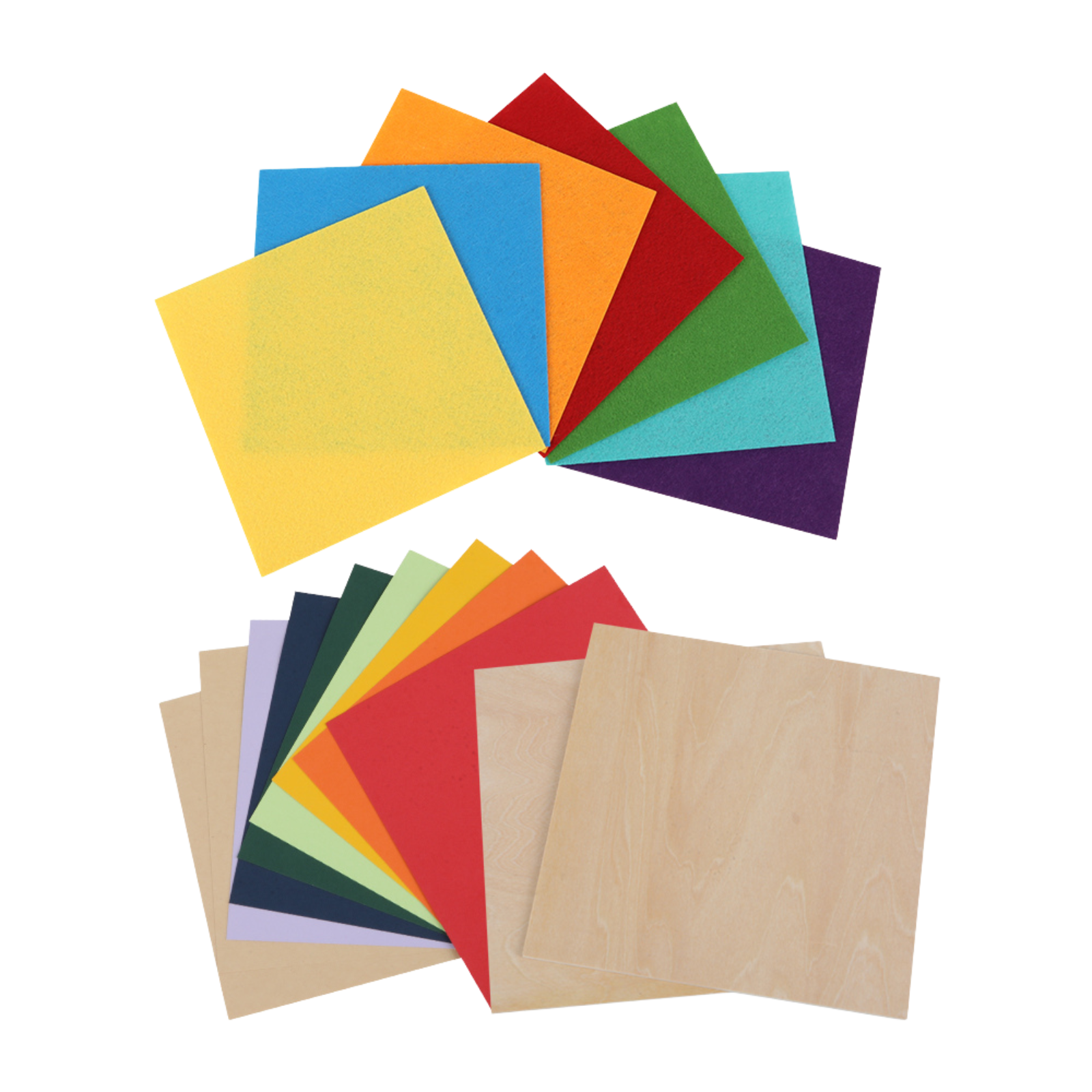
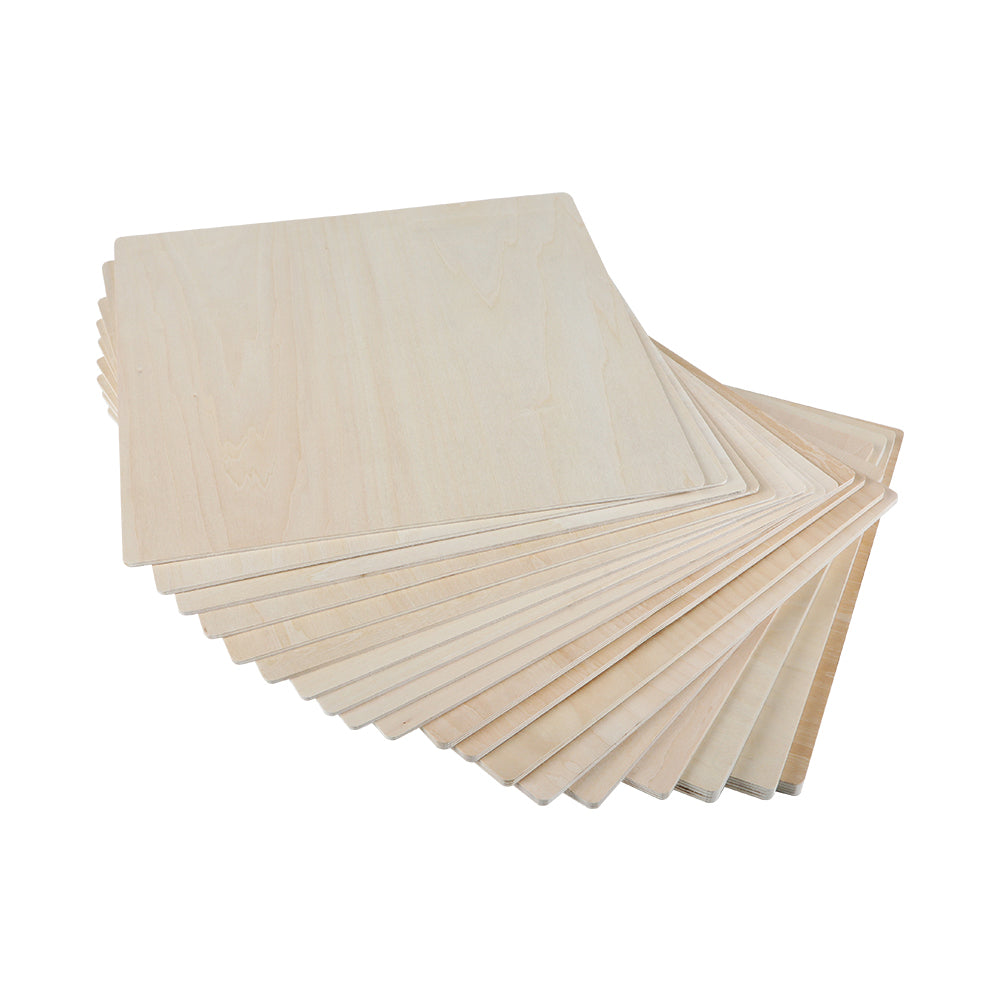
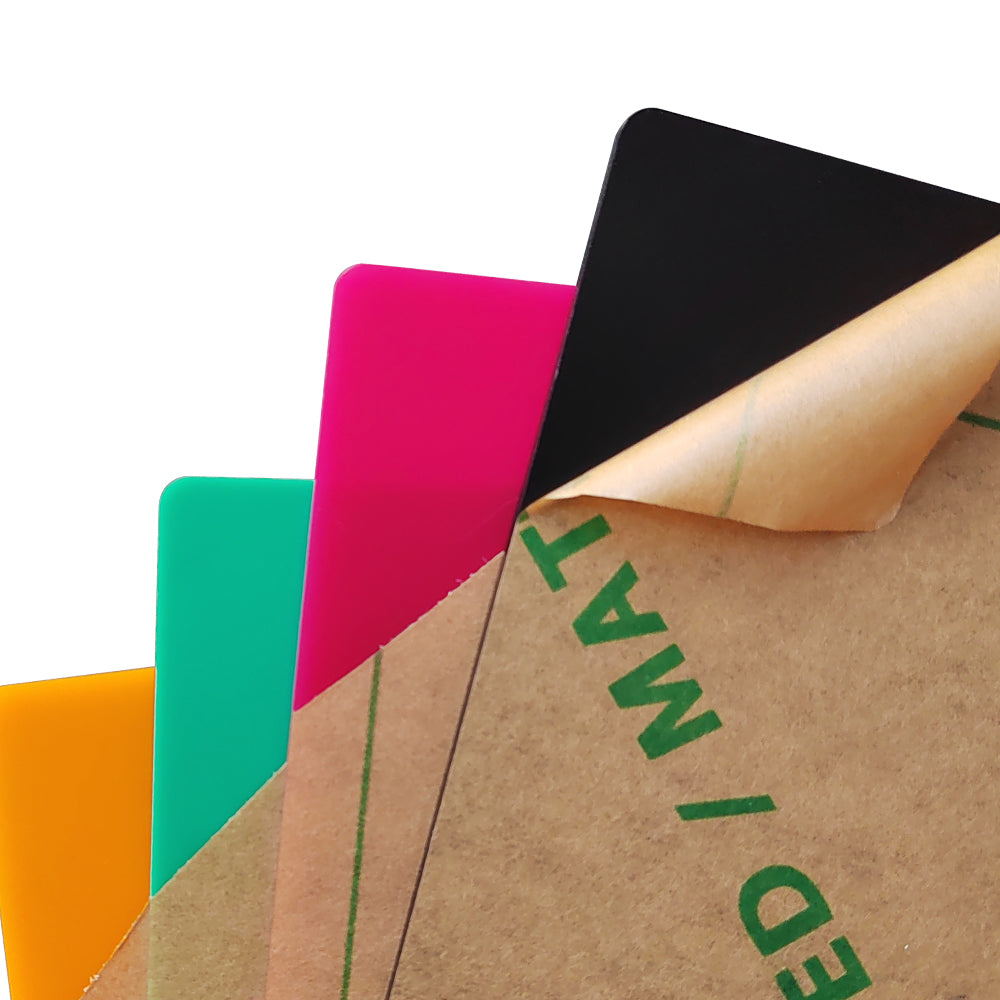
Materials: Wood (plywood, MDF, balsa), acrylic, paper, cardstock, fabric, leather, foam, thin plastics.
Project Ideas:
- Signage & Displays: Custom letters, intricate logos.
- Architectural Models: Highly detailed scale models.
- Custom Jewelry: Acrylic or wood earrings, pendants.
- Crafts & Gifts: Personalized ornaments, intricate stencils.
- Prototypes: Functional parts for product development.

2. Laser Engraving & Marking
Materials:
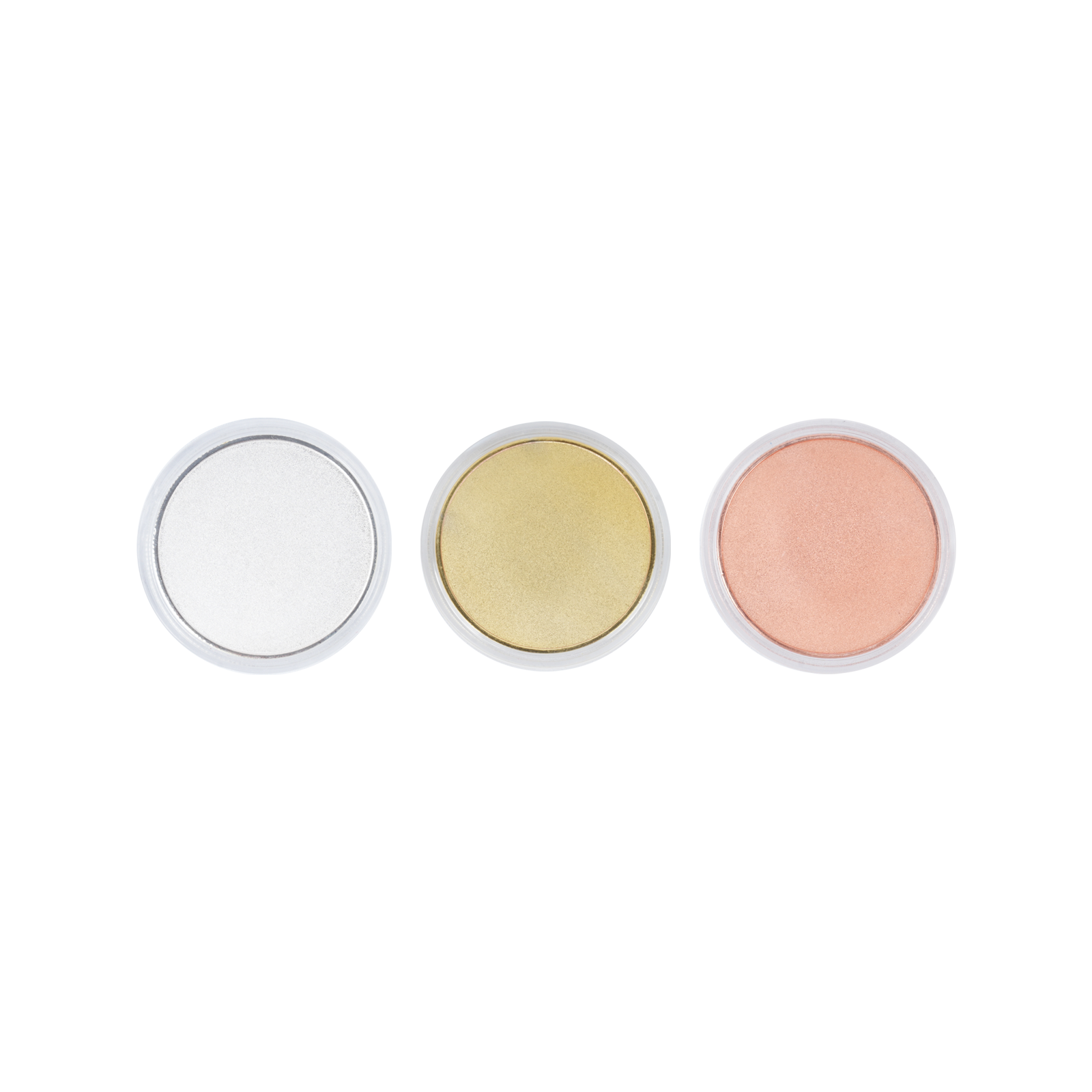
- Wood, metal (coated, anodized, bare with fiber), glass, plastic, stone, leather, rubber.
Project Ideas:
- Personalization: Customizing gifts, tumblers, phone cases.
- Industrial Marking: Serial numbers, barcodes on parts, tools.
- Artistic Designs: Detailed images, text on various surfaces.
- Photo Engraving: Etching photographs onto wood or acrylic.
- Industry-Specific Uses: From rapid prototyping in manufacturing to creating bespoke fashion accessories, educational tools, and intricate artistic installations, laser plotters are transforming diverse sectors.

Key Considerations When Buying a Laser Plotter
Investing in a laser plotter requires careful thought to ensure you get the right machine for your needs.
- Budget: Prices range from a few hundred dollars for hobby diode lasers to tens of thousands for industrial CO2 or fiber systems. Define your maximum investment.
- Work Area Size: Match the bed size to your typical project dimensions. Larger beds offer more flexibility but increase machine footprint and cost.
- Laser Power (Watts): Higher wattage means faster cutting and deeper engraving, especially for thicker or harder materials. CO2 lasers typically range from 40W to 150W+.
- Software & Connectivity: Evaluate ease of use, compatibility with your design software (DXF, SVG, AI, JPG), and connection methods (USB, Ethernet, Wi-Fi).
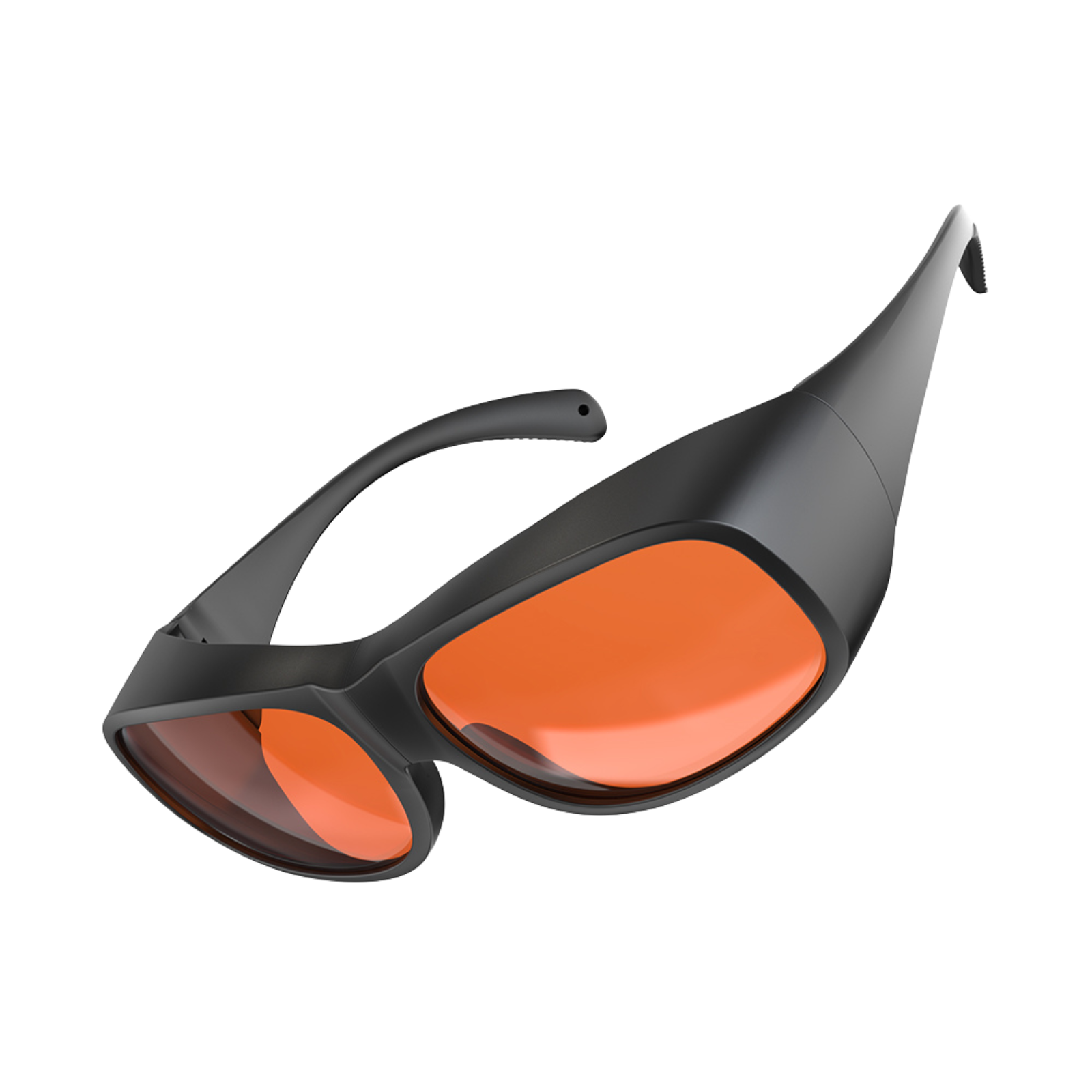
- Safety Features: Prioritize machines with enclosed work areas, interlocks, emergency stops, fume extraction ports, and clear safety warnings.
- Accessories: Consider essential add-ons like a rotary attachment (for cylindrical objects), air assist (improves cutting quality, reduces flare-ups), a chiller (for CO2 tubes), and autofocus.
- Brand Reputation & Support: Research brand reviews, warranty coverage, customer service responsiveness, and community support.
- Maintenance & Consumables: Understand the lifespan of laser tubes, costs of replacement parts, and routine cleaning requirements.
The Future of Laser Plotting Technology
The trajectory of laser plotting technology points towards even greater sophistication and accessibility.
We anticipate continued advancements in:
- Speed and Precision: Faster processing with even finer detail.
- Material Compatibility: New laser sources and wavelengths for an expanded range of materials.
- Integration: Seamless integration with AI-driven design tools and automated production lines.
- User-Friendliness: More intuitive software and hardware for hobbyists and professionals alike.

Conclusion
Laser plotters are more than just machines; they are powerful gateways to innovation, creativity, and efficient manufacturing.
From detailed engravings to precise cuts, their capabilities empower creators, designers, and businesses to bring complex visions to life with unmatched accuracy.
Understanding the different types, applications, and essential buying considerations is key to harnessing this transformative technology.
Ready to bring your ideas to life? Explore the possibilities with a laser plotter today!
If you need a little help choosing, just contact us for a personalized consultation.
We're here to guide you to the perfect machine for your projects.
Recent News

12 World Cup Laser Engraving Ideas for Fans
Explore world cup laser engraving ideas for fan gifts, tumblers, coasters, signs, and safe soccer-inspired designs makers can...

What Materials Does a Laser Cutter Cut Safely
Find out what materials does a laser cutter cut, which plastics to avoid, and how CO2, diode, and...

7 Best Laser Engravers Under $1000
Quick Answer:The best laser engraver under $1000 should be chosen by total setup cost, not machine price alone.For most...