
























Cutting Acrylic with a Laser Cutter: Complete Guide

Cutting acrylic with a laser cutter is one of the most popular applications for makers, small businesses, and professional workshops. From signage and custom gifts to industrial parts, acrylic offers a clean finish and versatile use cases.
In this guide, you’ll learn how to cut acrylic properly, which machines work best, recommended settings, and how to avoid common mistakes.
Can You Cut Acrylic with a Laser Cutter?
Yes — acrylic (PMMA) is one of the best materials for laser cutting.
However, the results depend heavily on the type of laser you use:
|
Laser Type |
Can Cut Acrylic |
Performance |
|
CO₂ Laser |
✅ Yes |
Best results, smooth polished edges |
|
Diode Laser |
⚠️ Limited |
Works on dark/opaque acrylic only |
|
Fiber Laser |
❌ No |
Not suitable for acrylic |
👉 Key takeaway:
If your goal is clean, transparent edge cutting, CO₂ lasers perform best. Diode lasers can still work for thinner or colored acrylic, especially for hobby use.
Best Laser Types for Cutting Acrylic
CO₂ Laser Cutters (Best Choice)
- Ideal for clear acrylic
- Produces flame-polished edges
- Handles thicker materials (5mm–20mm+)
Best for: professionals, businesses, high-quality output
Diode Laser Cutters (Entry-Level Option)
- Cannot cut clear acrylic effectively
- Works on black or opaque acrylic
- Limited thickness (usually ≤5mm depending on power)
Best for: beginners, hobbyists, budget users
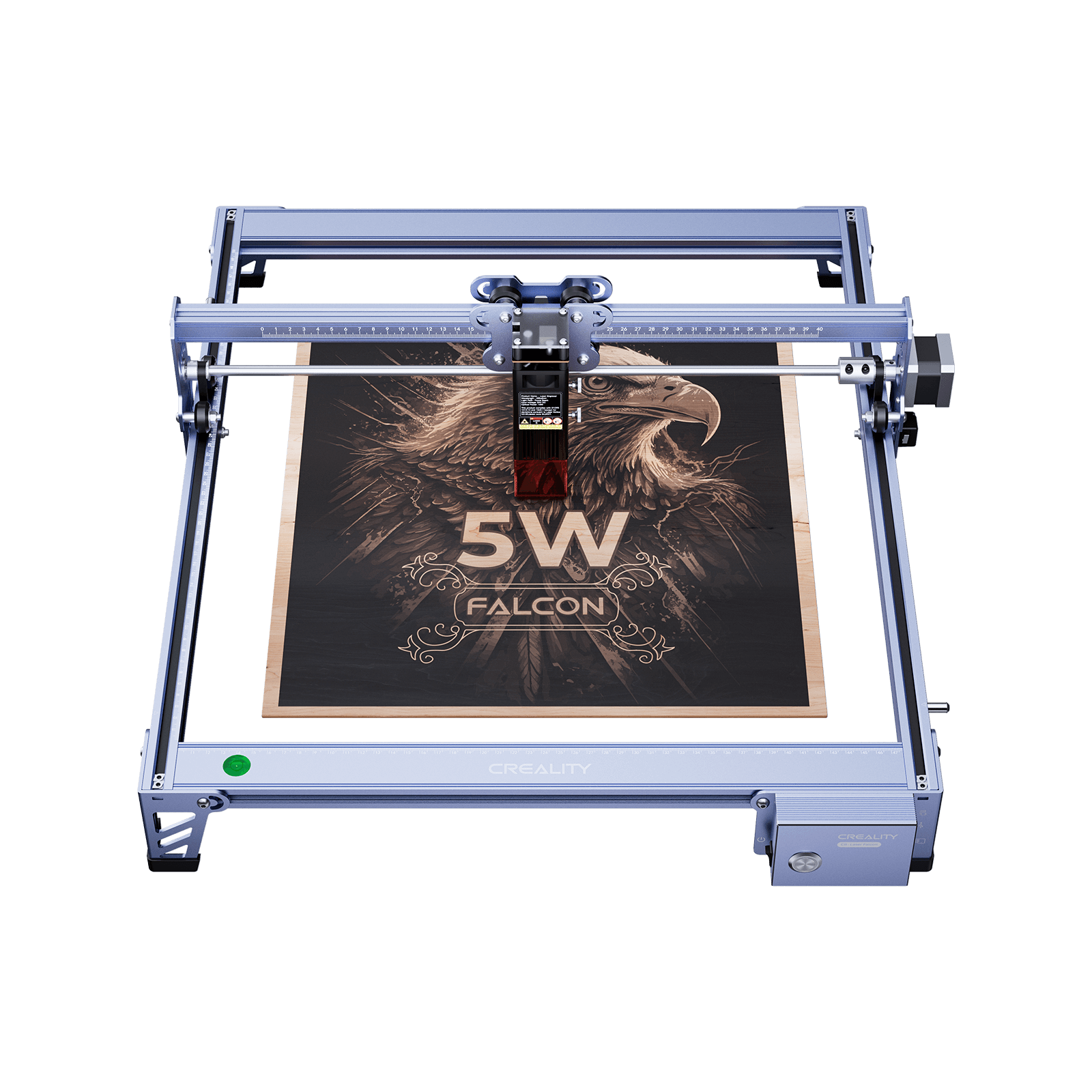
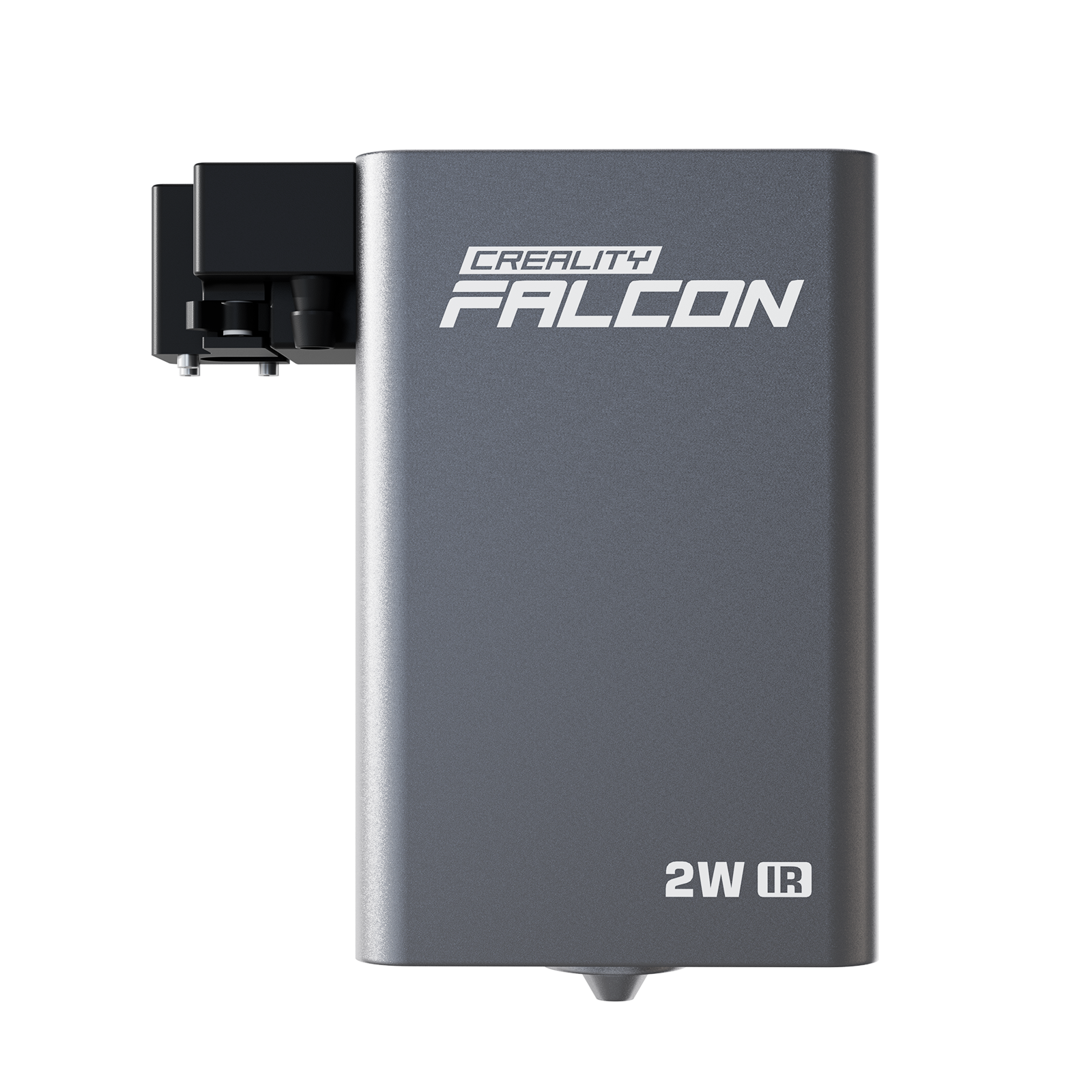
👉 Example use case: entry-level machines like diode-based engravers can handle thin black acrylic for crafts.
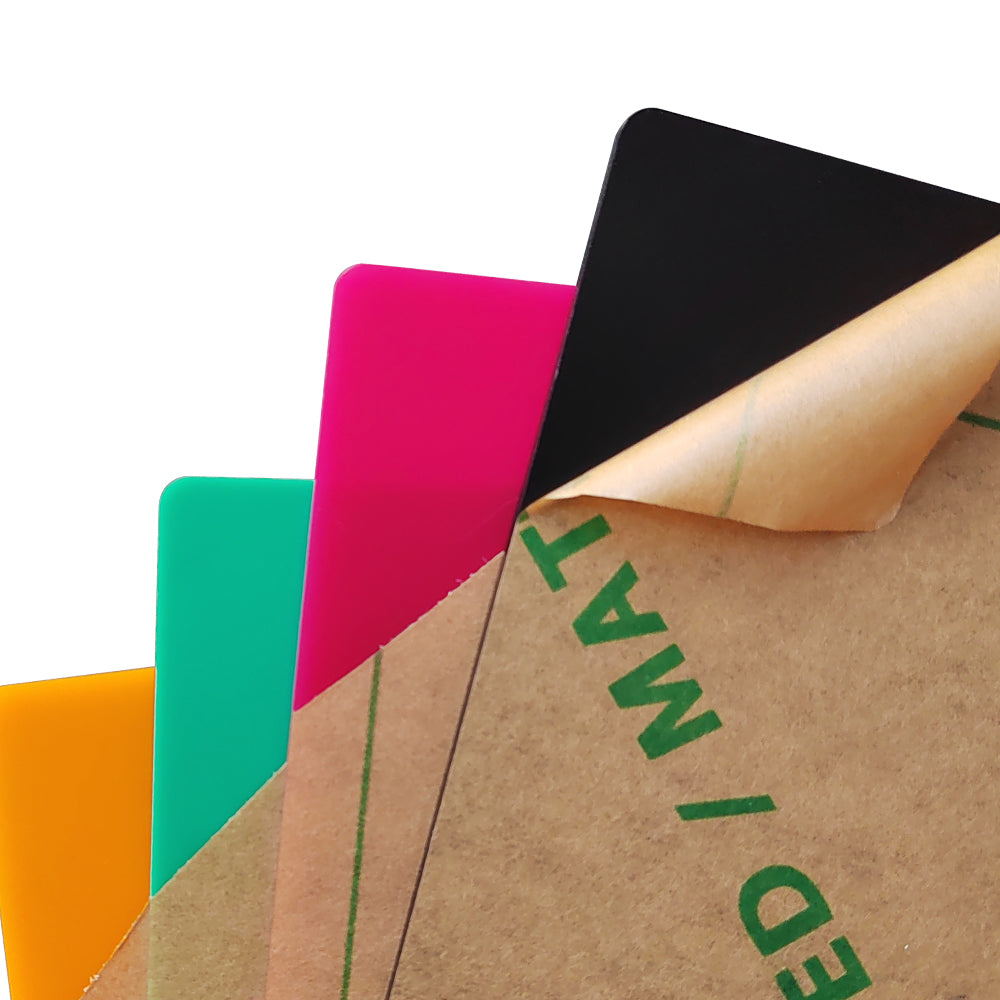
Cast vs Extruded Acrylic (Which One Should You Use?)
Choosing the right acrylic type makes a huge difference.
|
Type |
Cutting Edge |
Engraving Effect |
Price |
|
Cast Acrylic |
🔥 Smooth & polished |
Frosted white |
Higher |
|
Extruded Acrylic |
❌ Slightly rough/melted |
Less contrast |
Lower |
👉 Recommendation:
Always use cast acrylic for laser cutting if you want professional results.
Recommended Laser Settings for Acrylic
Settings vary depending on your machine power, but here are practical starting points:
For 10W Diode Laser
- Thickness: 2–3mm (black acrylic only)
- Speed: 100–300 mm/min
- Power: 100%
- Passes: 3–6
- Air Assist: Recommended
For 20W Diode Laser
- Thickness: up to 5mm (dark acrylic)
- Speed: 200–500 mm/min
- Power: 100%
- Passes: 1–3
- Air Assist: Strongly recommended
For 40W+ Laser (or CO₂ Equivalent)
- Thickness: 5–10mm+
- Speed: 300–1000 mm/min
- Power: 60–90%
- Passes: 1
- Air Assist: Required
👉 Pro Tip:
Always run a test grid before cutting to dial in perfect settings.
Safety Tips When Cutting Acrylic
Laser cutting acrylic produces fumes that require proper handling.
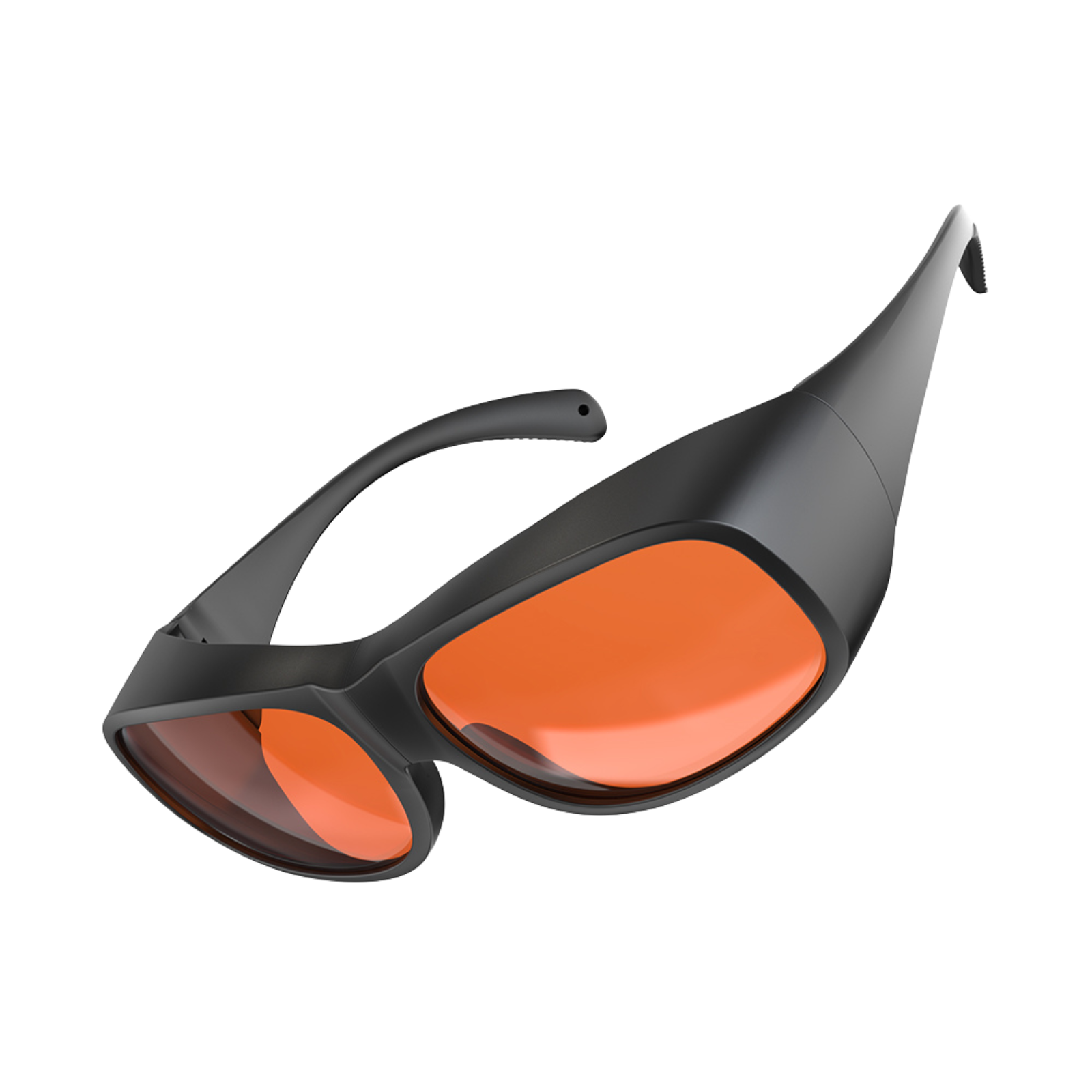
Important Safety Rules
- Always use good ventilation
- Avoid cutting PVC (toxic chlorine gas ⚠️)
- Use an enclosure if possible
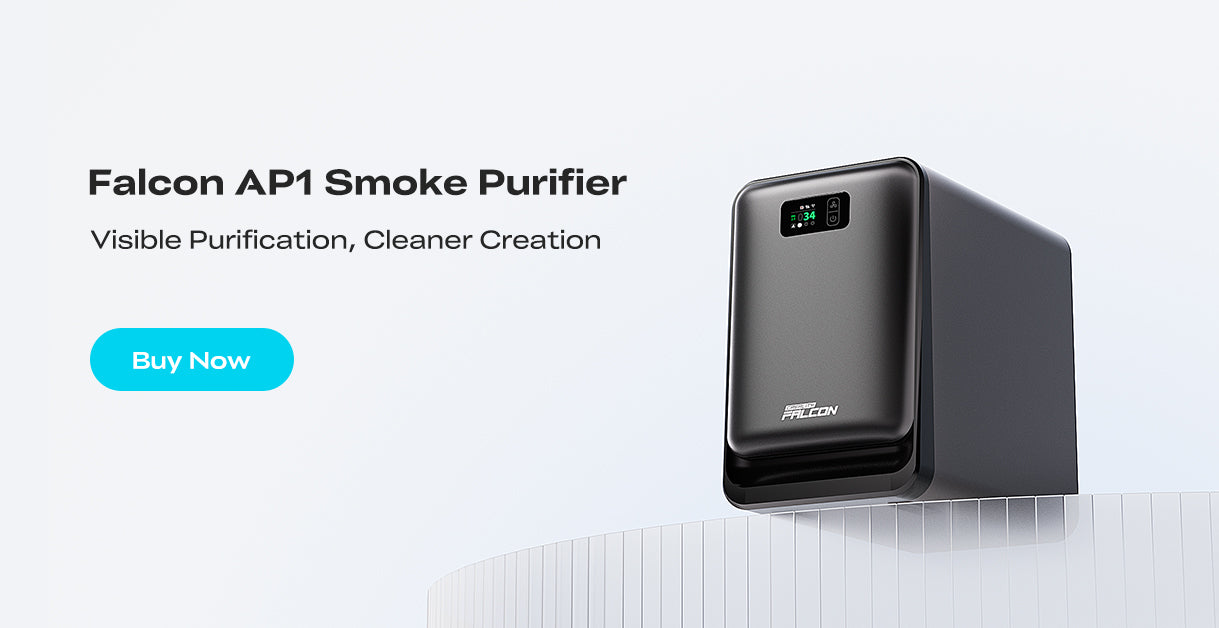
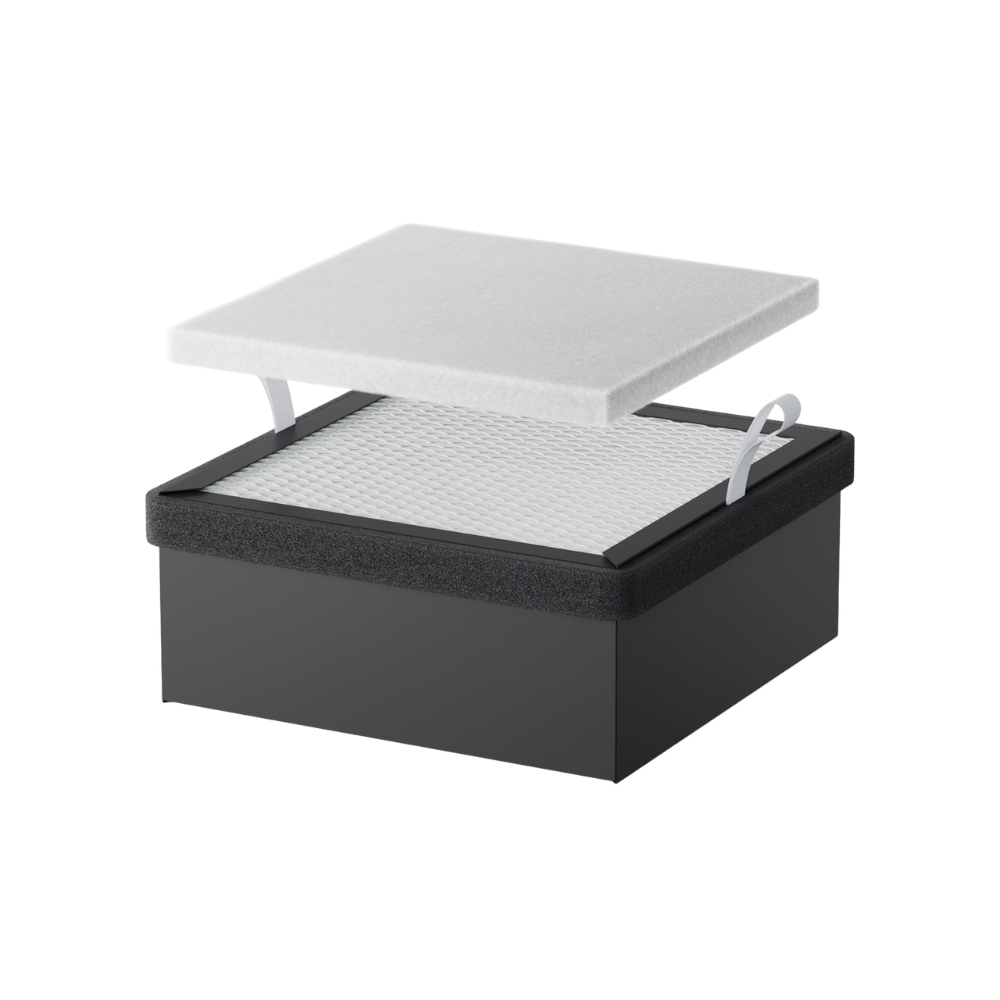
- Consider an air purifier system
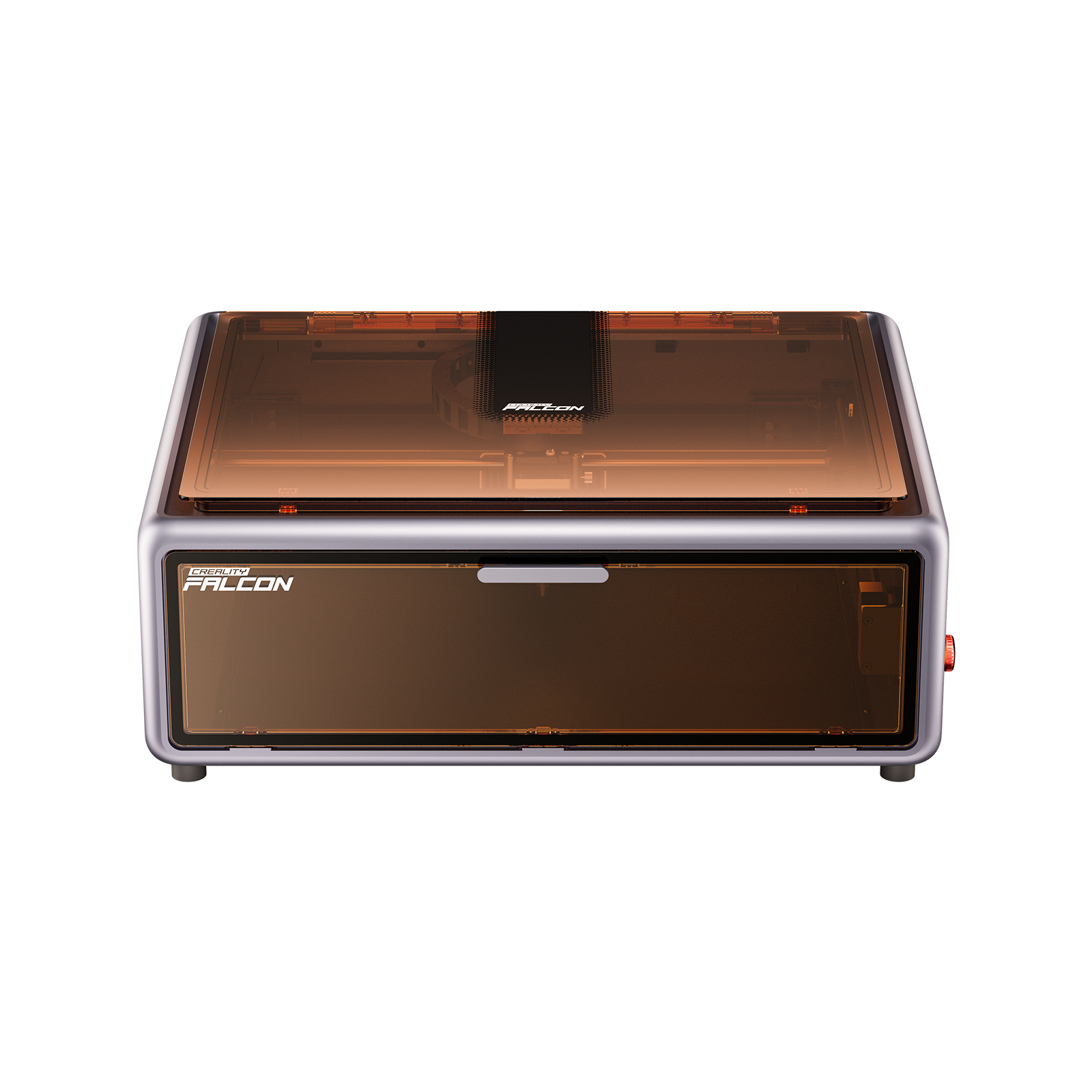
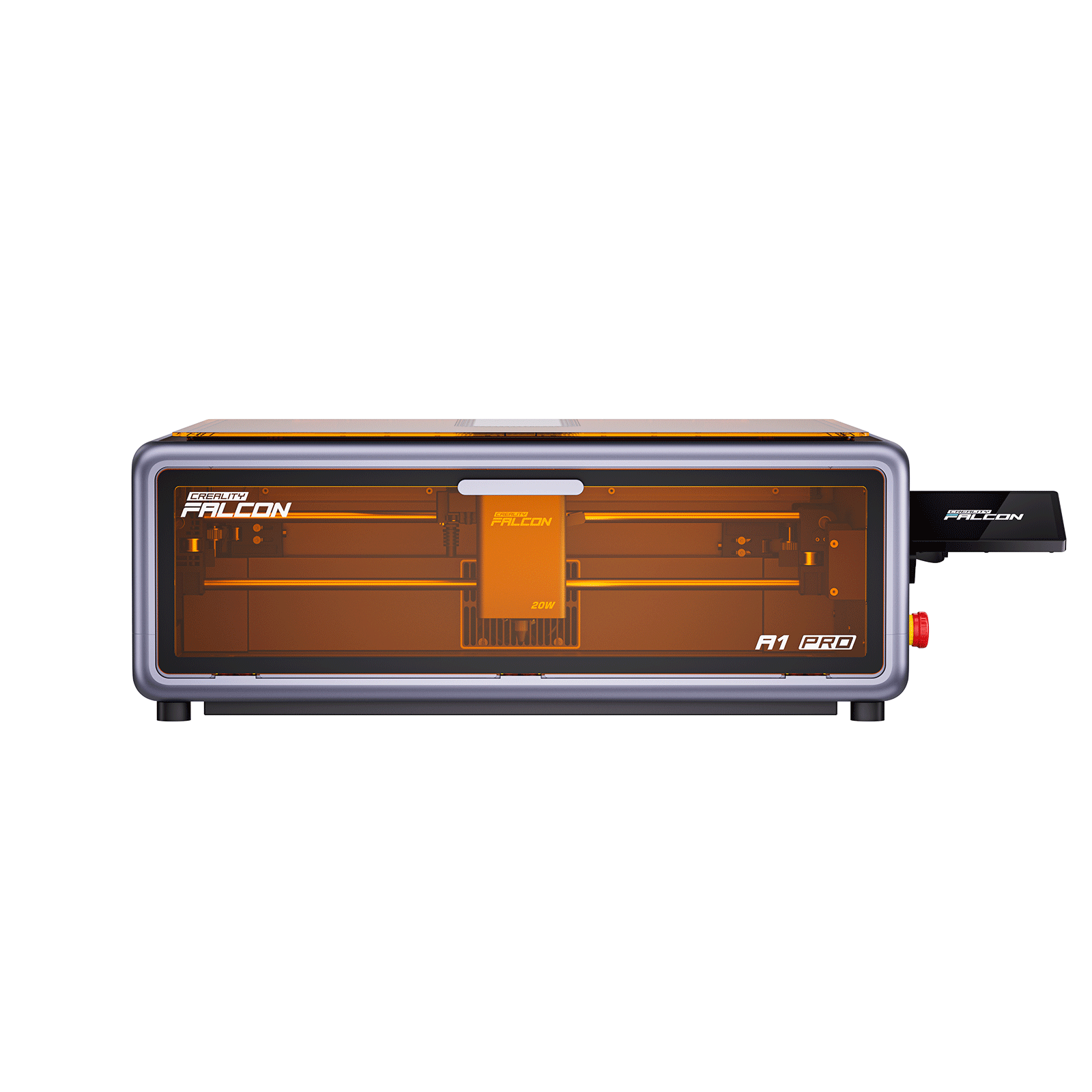
👉 For indoor setups, enclosed machines with filtration systems are significantly safer and more beginner-friendly.
Common Problems & Fixes
1. Acrylic Not Cutting Through
- Increase power
- Slow down speed
- Add more passes
- Improve air assist
2. Melted or Rough Edges
- Speed too slow
- Power too high
- Poor airflow
3. Yellow or Burn Marks
- No masking applied
- Weak air assist
- Dirty lens
4. Poor Transparency on Edges
- Using extruded acrylic
- Wrong laser type
Best Laser Cutters for Acrylic (2025)
Choosing the right machine depends on your use case:
Beginner / Hobby Use
- Low-power diode lasers (10W–20W)
- Suitable for thin black acrylic and small projects
Advanced Hobby / Side Business
- 20W–40W diode lasers
- Better cutting capability and efficiency
Professional / Business Use
- High-power or enclosed systems (e.g. 40W+ class)
- Supports thicker materials
- Safer for indoor environments
- Higher productivity and cleaner results
👉 For serious acrylic work, machines with enclosure + air assist + higher power output provide the best balance of safety and performance.
Final Tips for Clean Acrylic Cuts
- Use cast acrylic for best results
- Always apply masking film to reduce burn marks
- Keep your lens clean
- Use air assist for cleaner edges
- Optimize settings with test cuts
Conclusion
Cutting acrylic with a laser cutter is highly effective when done correctly. The key factors are:
- Choosing the right laser type
- Using cast acrylic
- Optimizing your settings
- Maintaining proper safety measures
Whether you're a beginner or running a small business, mastering these fundamentals will help you achieve clean, professional results every time.