
























40W Diode Laser Buyer’s Guide

If you're reading this, you’re probably doing one of two things.
Either you’re upgrading from a lower-power diode laser, or you’re trying to figure out if a “40W diode laser” is finally powerful enough to replace entry-level CO2 machines for your projects.
- The good news is this. A high-power 40W-class diode laser engraver can be a serious tool for cutting and engraving, especially on wood, leather, and darker acrylics.
- The bad news is this. “40W” is often marketing language, and the real performance depends on the optical output and the overall machine design.
In this guide, I’ll break down what 40W diode lasers can actually do, what they can’t, how they compare with CO2 and lower-watt diode machines, and how to choose the right one without getting fooled by specs.
Quick Take
A 40W-class diode laser is worth buying if you want faster cutting, deeper engraving, and better productivity on common maker materials like plywood, leather, and dark acrylic.

It is not the best choice if your main goal is cutting clear acrylic, cutting bare metal, or doing heavy commercial production at high speed.
What Is a 40W Diode Laser
A diode laser uses semiconductor diodes to produce a laser beam.
Most high-power diode lasers operate around the 450nm wavelength, which performs extremely well on organic materials like wood and leather.
- The confusing part is the “40W” label.
Many brands advertise machine power, which is electrical input.
What matters in real cutting and engraving is optical output power, which is the actual beam power delivered to the material.
In most cases, a “40W diode laser” refers to a high-power diode system that delivers strong optical output (often 20W to 33W) while being marketed as a higher-class machine.
If you want real performance, always check the optical output, not just the number on the product title.
What It Can Engrave
A high-power diode laser is excellent for engraving work, and 40W-class machines can do it faster and deeper than lower-power models.
Best Engraving Materials:
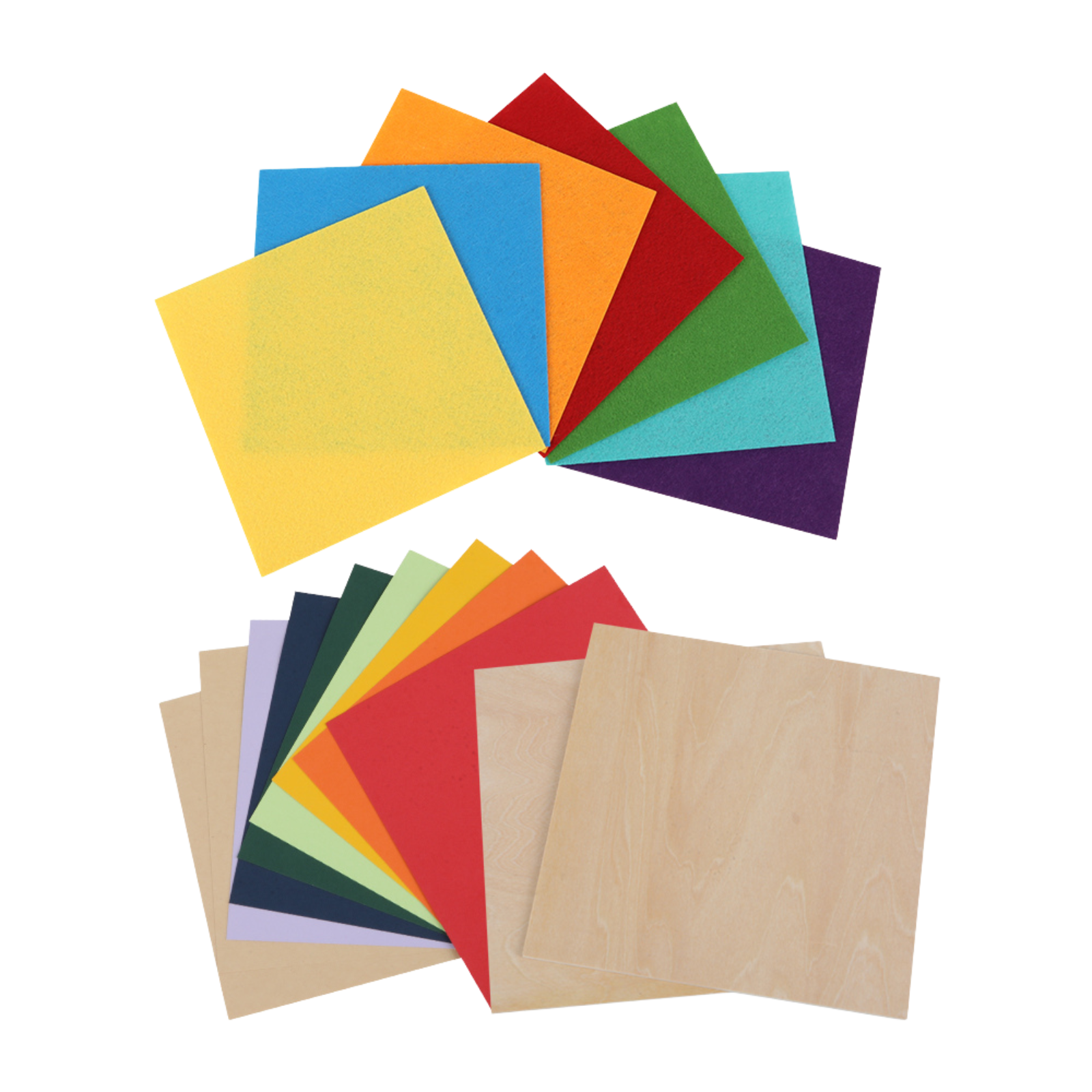
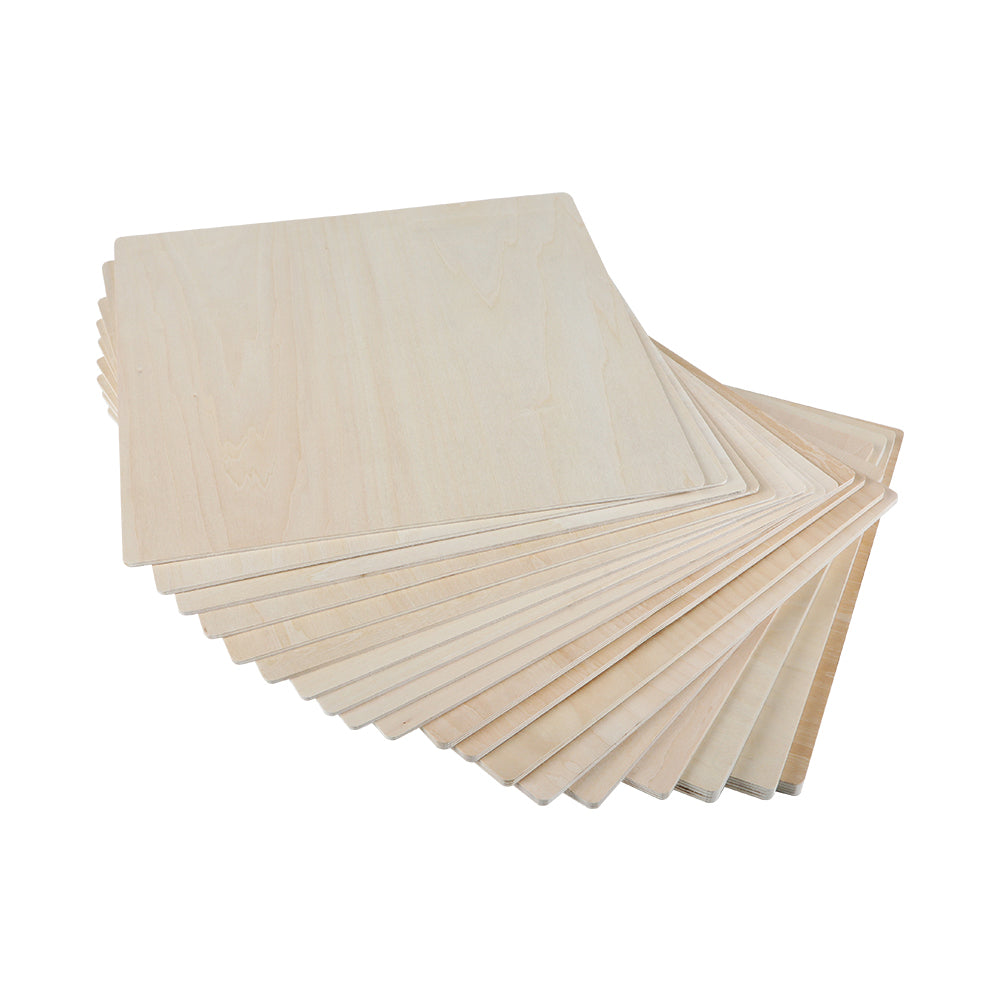
- Wood (plywood, MDF, hardwoods, bamboo)
- Leather (clean detail and strong contrast)
- Cardboard and paper (detail work and patterns)
- Fabric (patches and textile designs)
- Anodized aluminum and slate (bright marks and sharp detail)
- Coated metals (removes coating to reveal surface)
What It Can Cut
40W-class diode lasers are mainly bought for one reason: cutting gets noticeably more practical.
Typical Cutting Materials:
- Wood and plywood
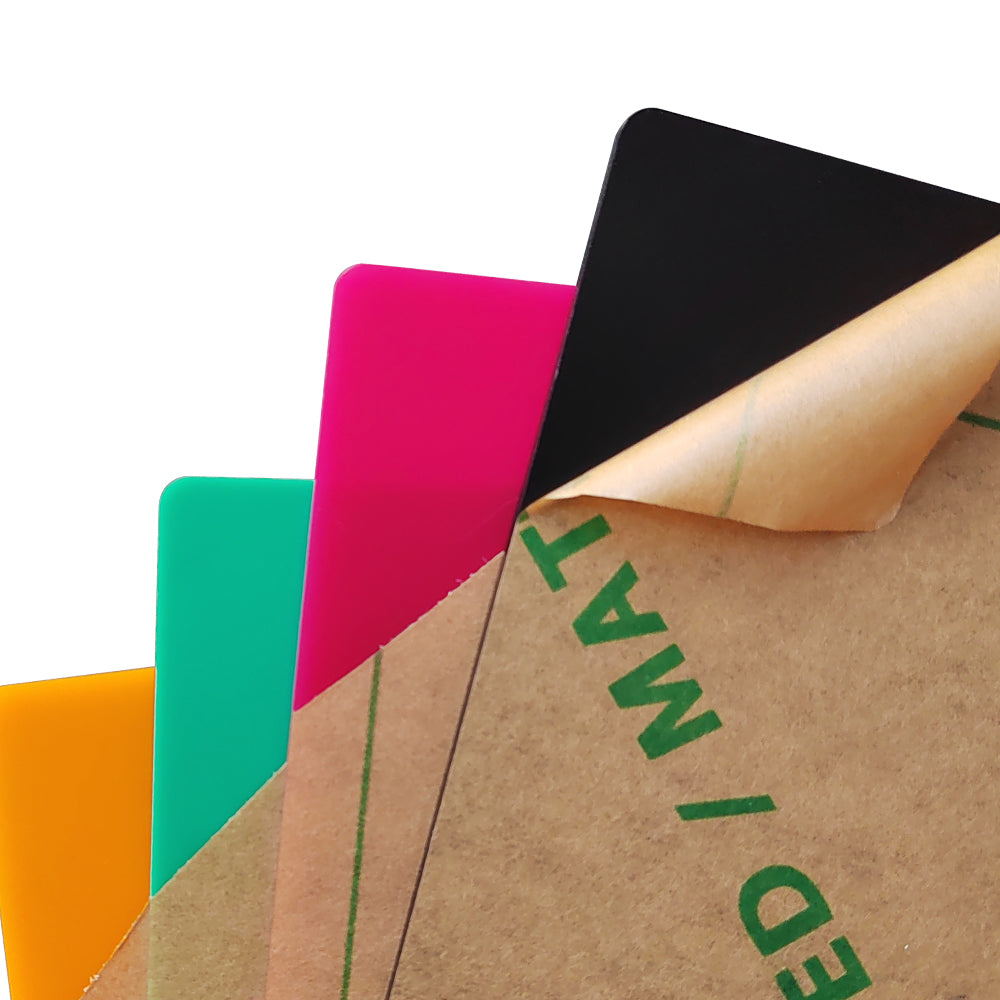
- Dark or opaque acrylic (limited)
- Leather
- Cardboard and fabric
- Some non-transparent plastics (testing required)
A strong air assist setup matters a lot here. It improves cut-through, reduces burning, and makes edges cleaner.
What It Cannot Do
This is where people waste money if they don’t know the limits.
- Clear Acrylic: Clear acrylic usually won’t cut well with blue diode lasers because the beam passes through instead of being absorbed.
- Cutting Bare Metal: Diode lasers generally cannot cut bare metal. Some can mark metal with sprays or coatings, but that is not the same as metal cutting.
- PVC and Vinyl: Never cut PVC or vinyl. It releases toxic fumes and can damage your machine.
- Reflective Materials: Highly reflective surfaces can reflect the beam back and cause damage to the laser module.
Speed and Thickness
40W-class diode lasers are faster and more forgiving than 5W or 10W machines, especially on wood cutting.
Your results depend on:
- Material type
- Material thickness
- Power and speed settings
- Number of passes
- Air assist strength
- Focus accuracy
A typical upgrade benefit is fewer passes and more stable cut-through on thicker plywood, which improves workflow dramatically for small production.

40W vs 10W and 20W
If you already own a lower-watt diode laser, upgrading is mainly about efficiency and capability.
A 40W-class diode laser gives you:
- Faster cutting with fewer passes
- Better performance on thicker plywood
- Higher productivity for batch work
- Less trial-and-error when cutting dense materials
If you mostly do engraving on thin materials, a 20W may already feel “enough.”
But if you cut wood often, 40W-class machines are a big quality-of-life improvement.
40W vs CO2
This is the most important decision point for many buyers.
Where 40W Diode Wins
- Lower upfront cost
- Smaller footprint and easier setup
- Less maintenance than CO2 systems
- Excellent engraving detail on wood and leather
Where CO2 Still Wins
- Cuts clear acrylic reliably
- Usually faster cutting throughput
- Wider material compatibility for plastics
- Better performance for thicker cutting workloads
If you cut a lot of acrylic, especially clear acrylic, CO2 is still the better tool.
If your work is mainly wood, leather, and dark acrylic, a 40W-class diode laser can be the better value.
How to Choose One
Buying a 40W-class diode laser is not just about power. The machine design affects real results.
What to Check:
- Optical output power, not input power
- Stable frame and smooth motion system
- Air assist support
- Safety features like emergency stop and flame detection
- Limit switches for consistent positioning
- Software compatibility (LightBurn is the best option for most users)
- Support quality and replacement parts availability
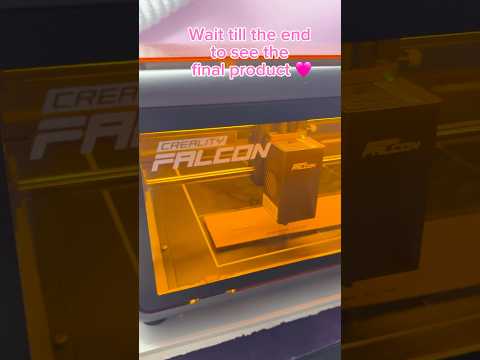
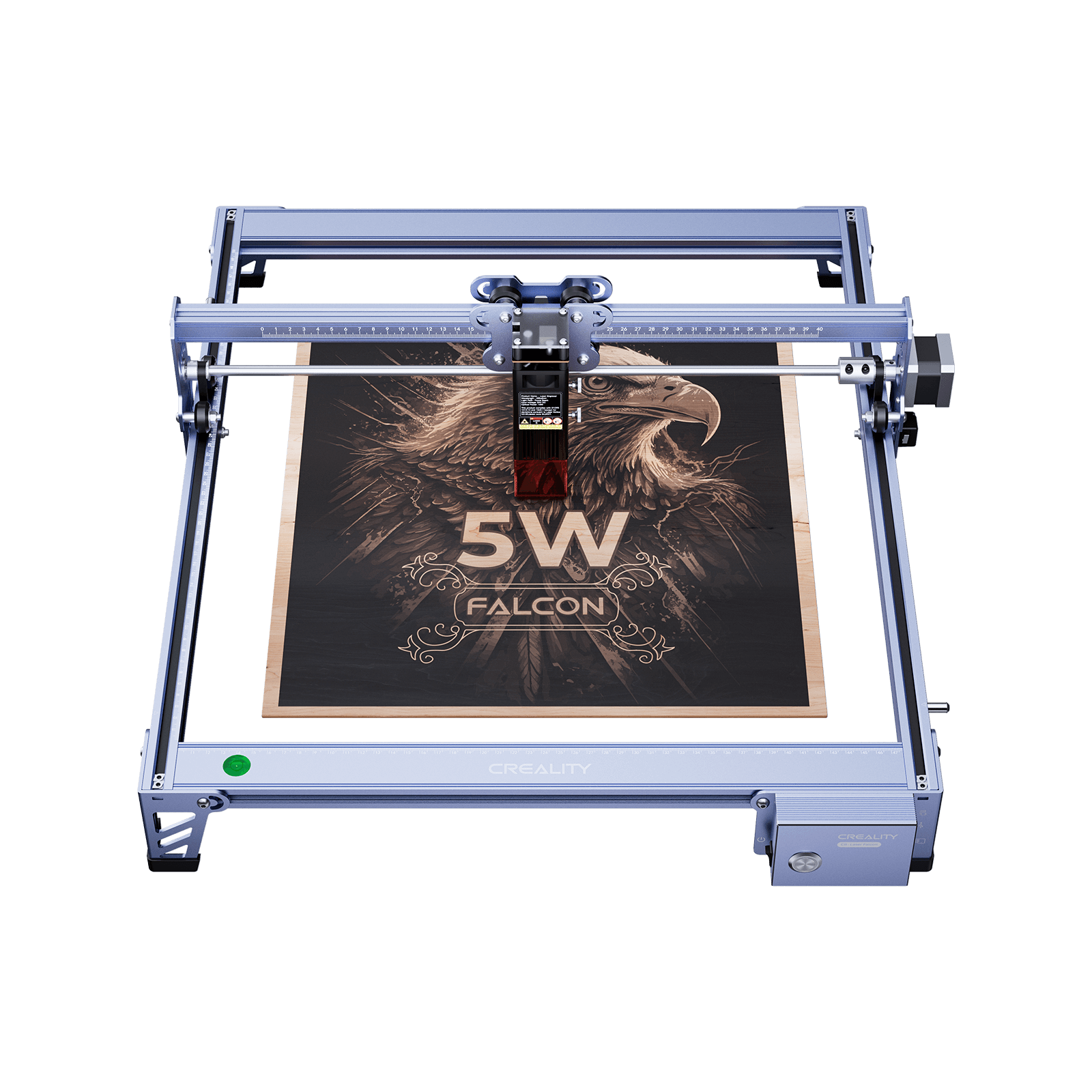
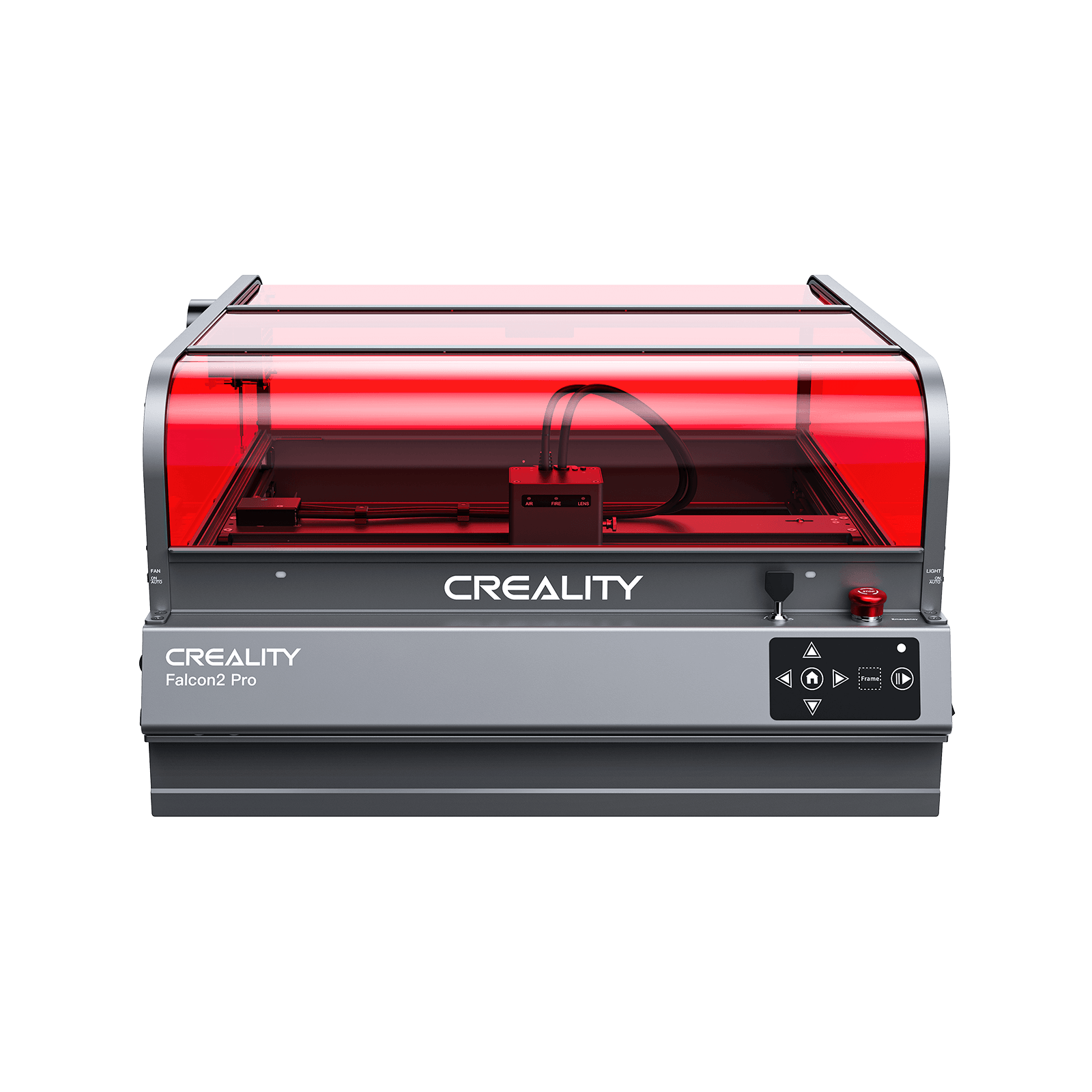
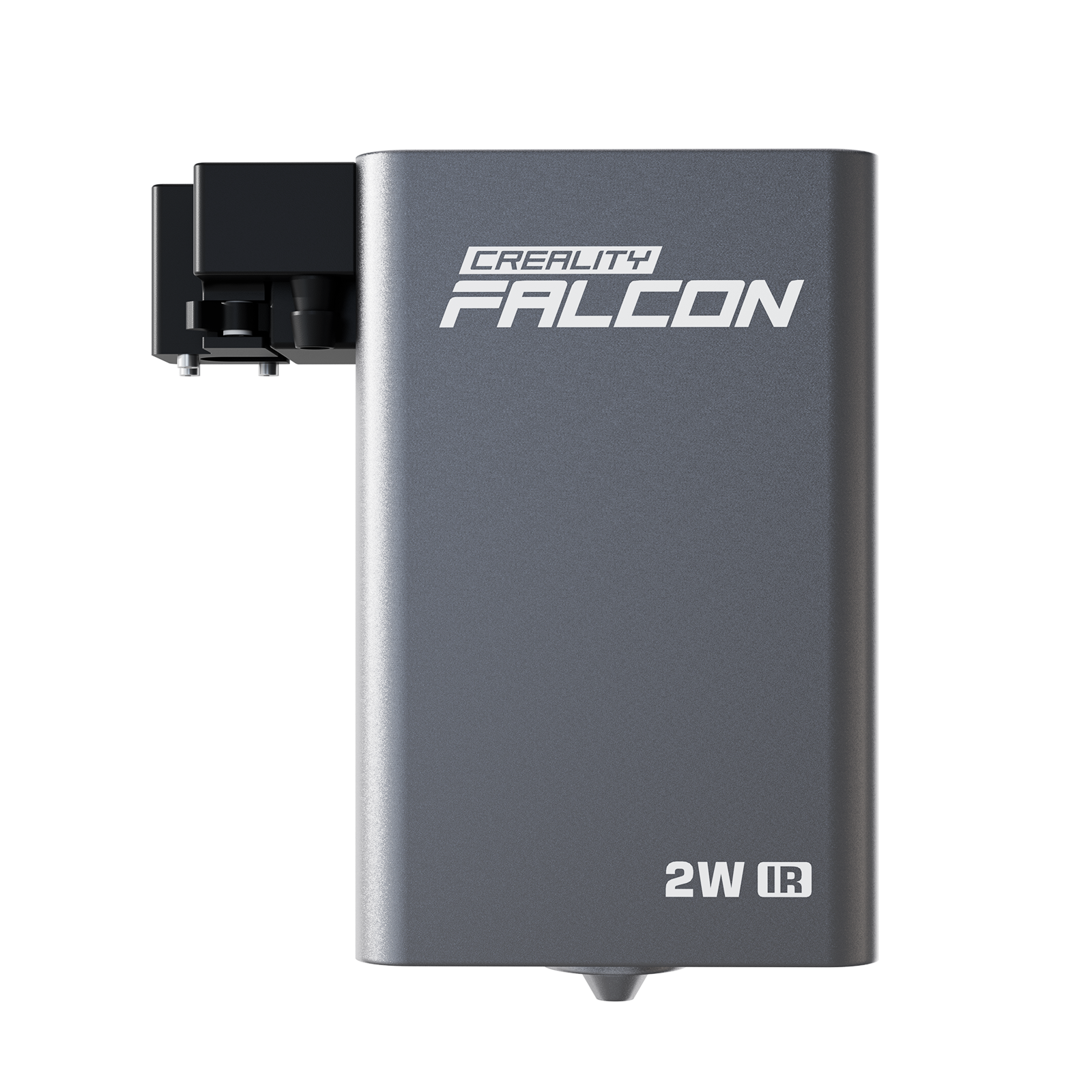
Recommended 40W Option - Falcon2 Pro
If you’re searching for “40W diode laser”, you’re probably looking for a machine that can cut faster, handle thicker wood more reliably, and actually feel like a real upgrade from 10W or 20W systems.
That’s exactly where Creality Falcon2 Pro (40W) makes sense.

It’s a strong 40W-class diode laser option for makers who want better cutting efficiency, cleaner results with air assist, and a smoother workflow for batch projects.
If your main projects are plywood, wood crafts, leather goods, and dark acrylic, Falcon2 Pro is the kind of machine that lets you spend less time tuning and more time producing.
Final Answer
A 40W-class diode laser is one of the best upgrades for makers who want faster cutting and more serious output without jumping into the cost and complexity of CO2.
If your projects are mostly wood, leather, and dark acrylic, it’s a great choice.
If you need clear acrylic cutting or heavy industrial speed, CO2 or fiber will fit better.