


























How to Choose the Right Brass Plate with Engraving

If you’ve been searching for a brass plate with engraving, you’re probably not looking for theory.
You want to know what it looks like, how it’s made, how long it lasts, and how to order the right one.
This guide breaks it all down in plain language—no fluff, no over-engineering.
What Is an Engraved Brass Plate
An engraved brass plate is a solid brass plate with text, logos, or designs cut directly into the metal.
Because the information is engraved—not printed or coated—it won’t peel, fade, or wear off easily.
That’s why brass plates are often used for:
- Nameplates
- Awards and plaques
- Industrial labels
- Signs meant to last for years
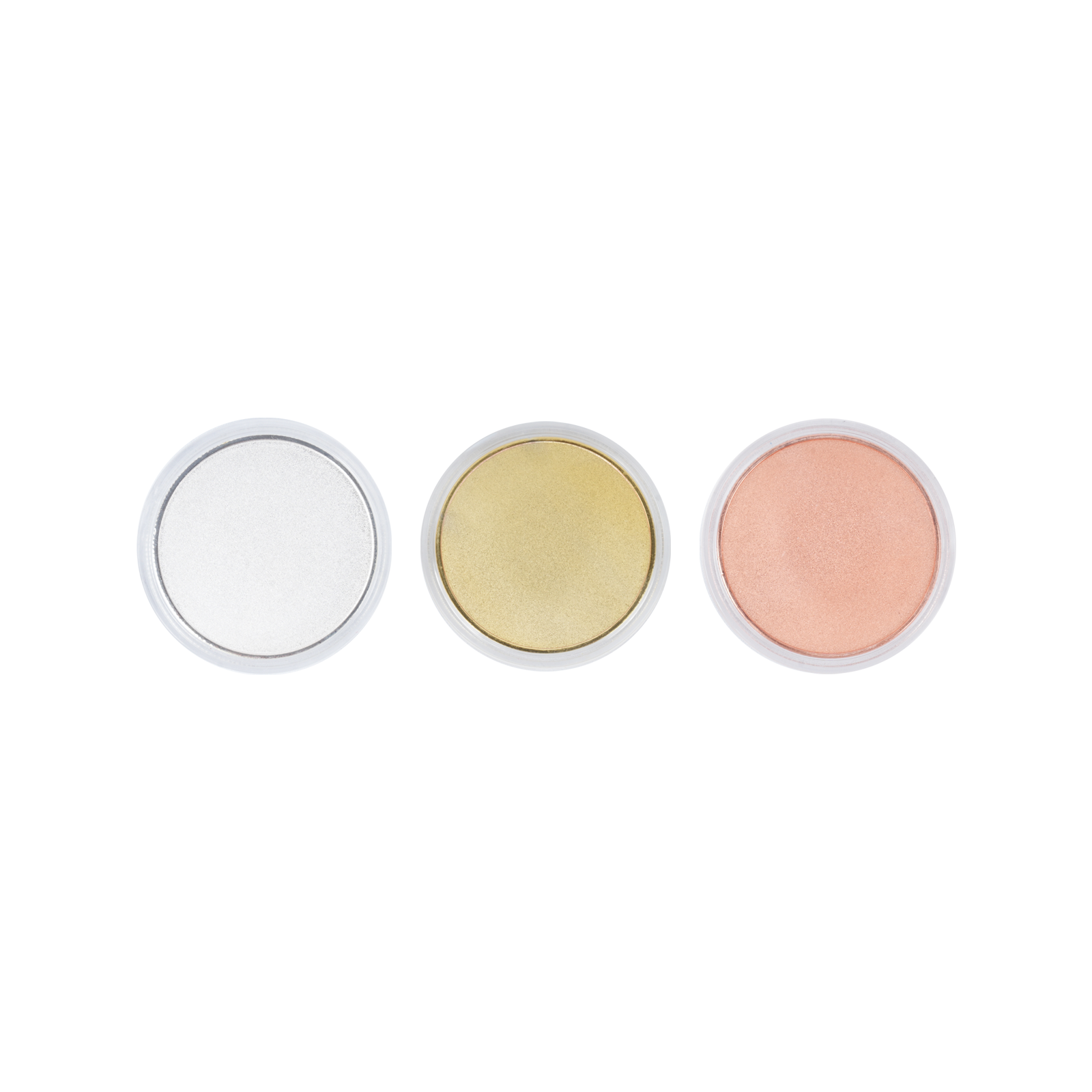
Brass itself is a copper-zinc alloy.
It’s strong, corrosion-resistant, and has that classic gold-tone look people associate with quality.
How Brass Plates Are Engraved
There are two main ways brass plates are engraved.
Which one you choose matters.
1. Rotary Engraving (Mechanical Engraving)
This method uses a cutting tool to physically carve into the brass.
Why people choose it:
- Deep engraving
- Excellent for outdoor use
- Works well with paint-filled text
Best for:
Long-term signage, outdoor plaques, industrial labels
2. Laser Engraving
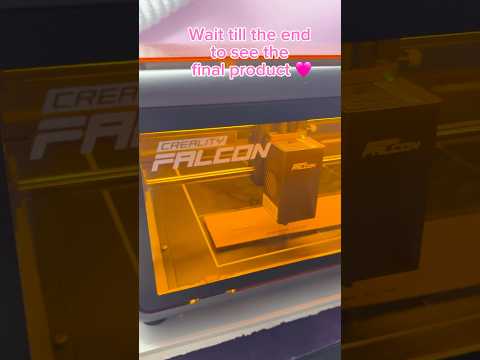
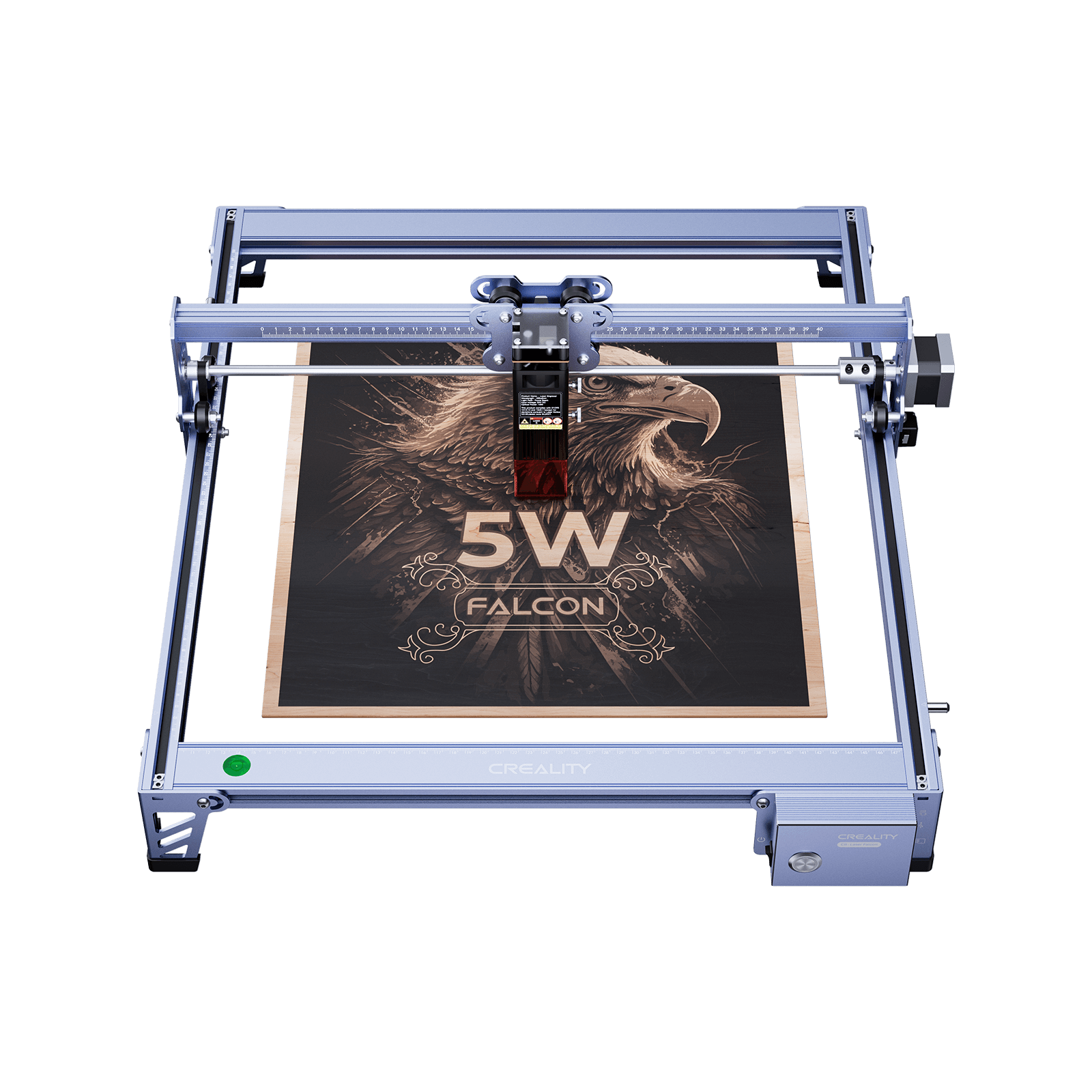
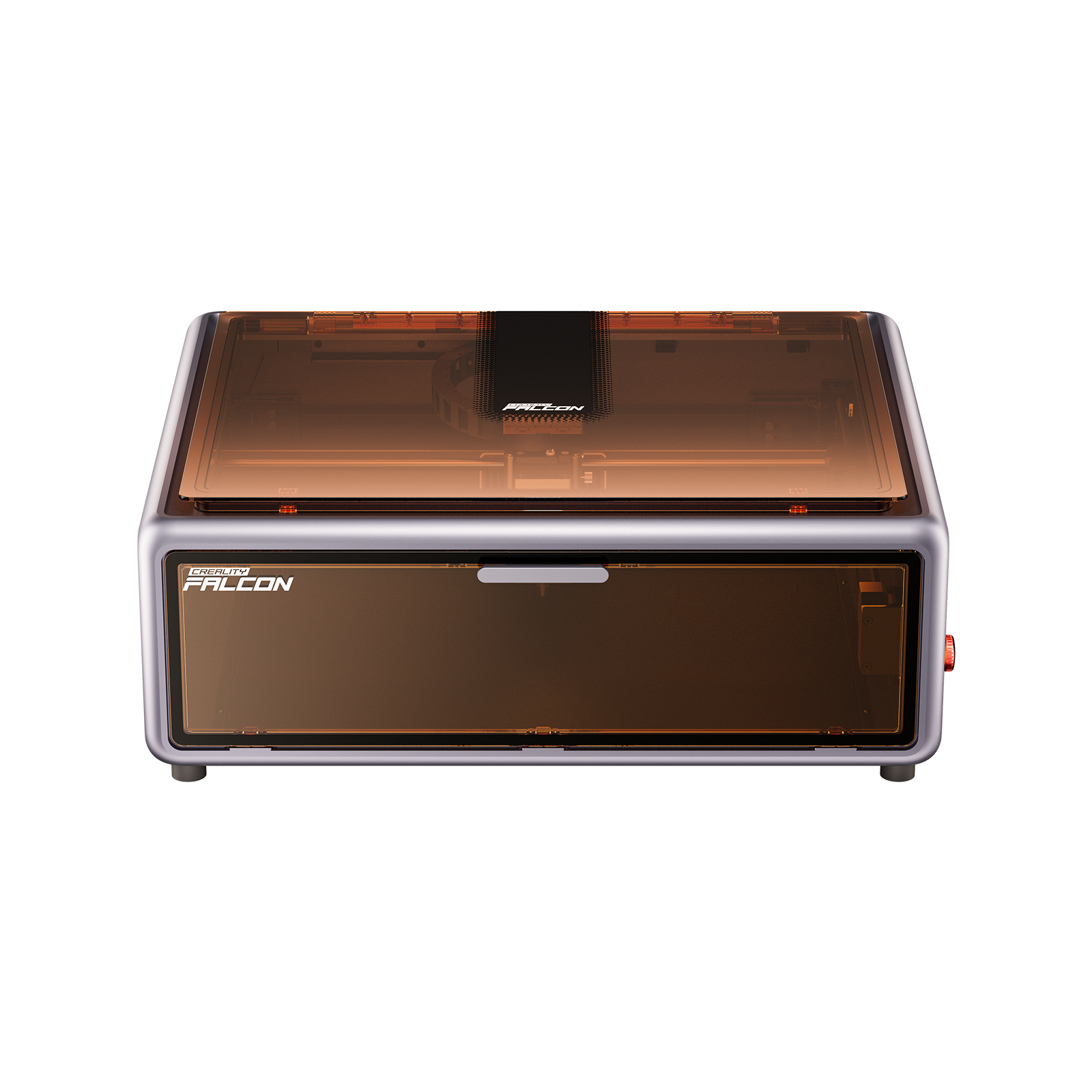
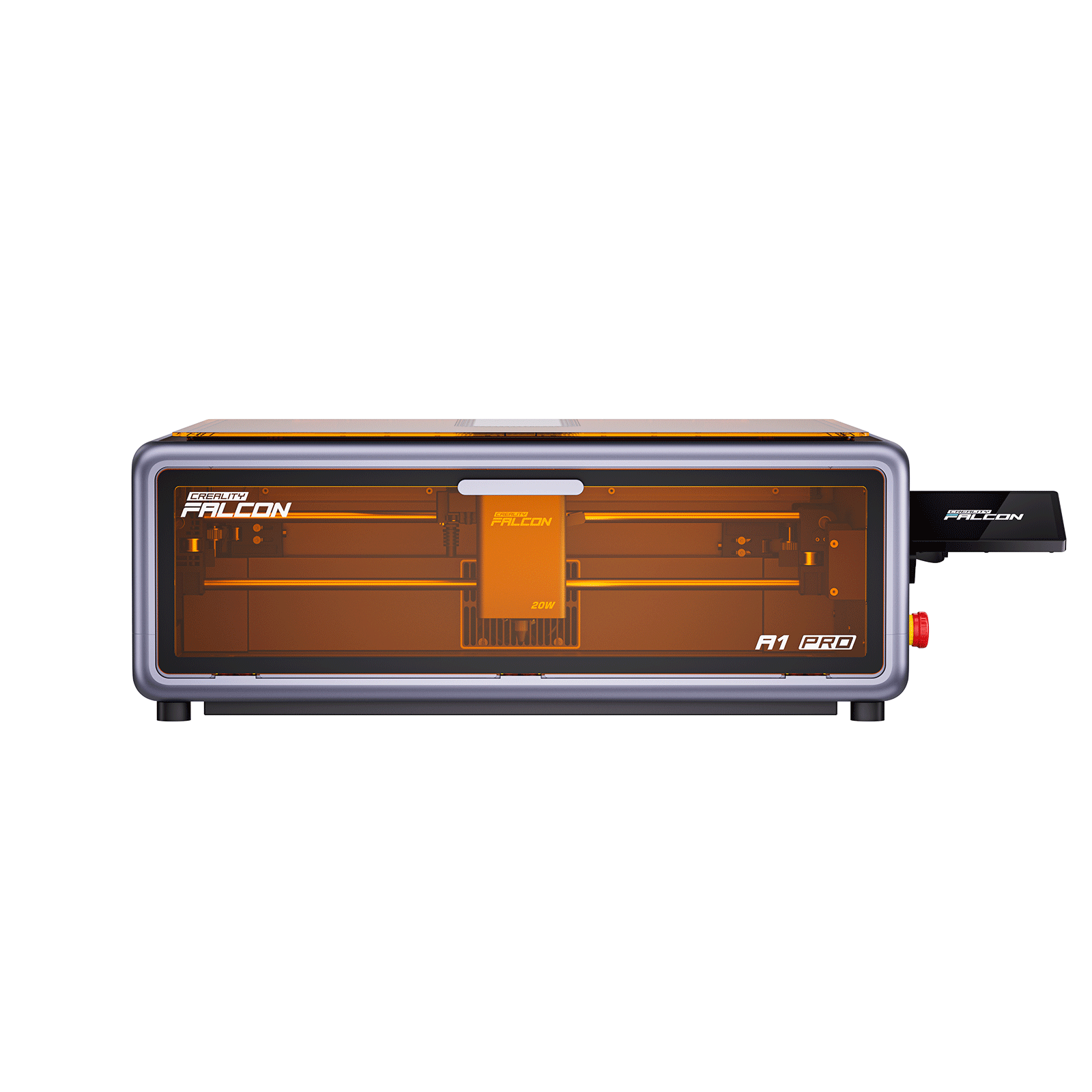
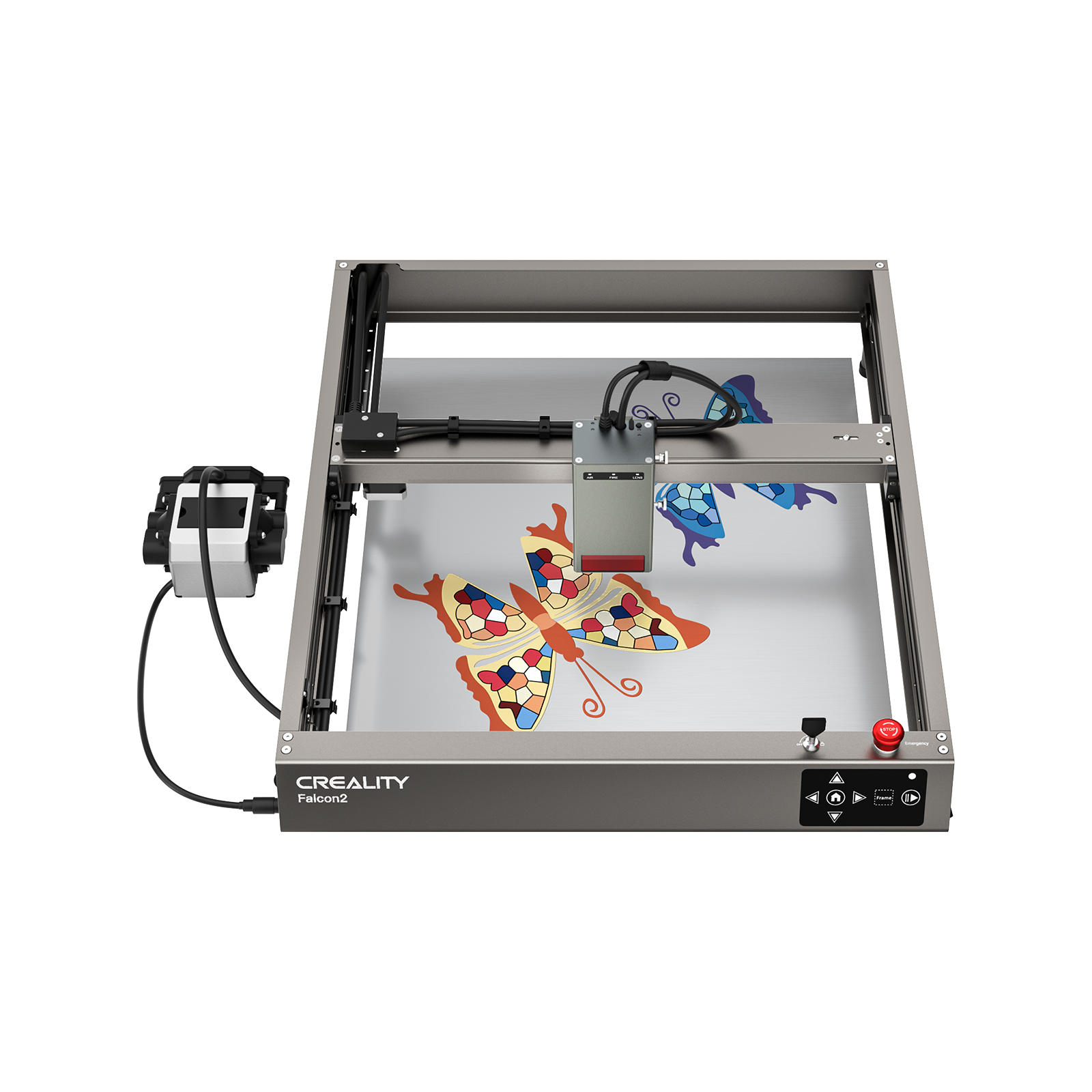
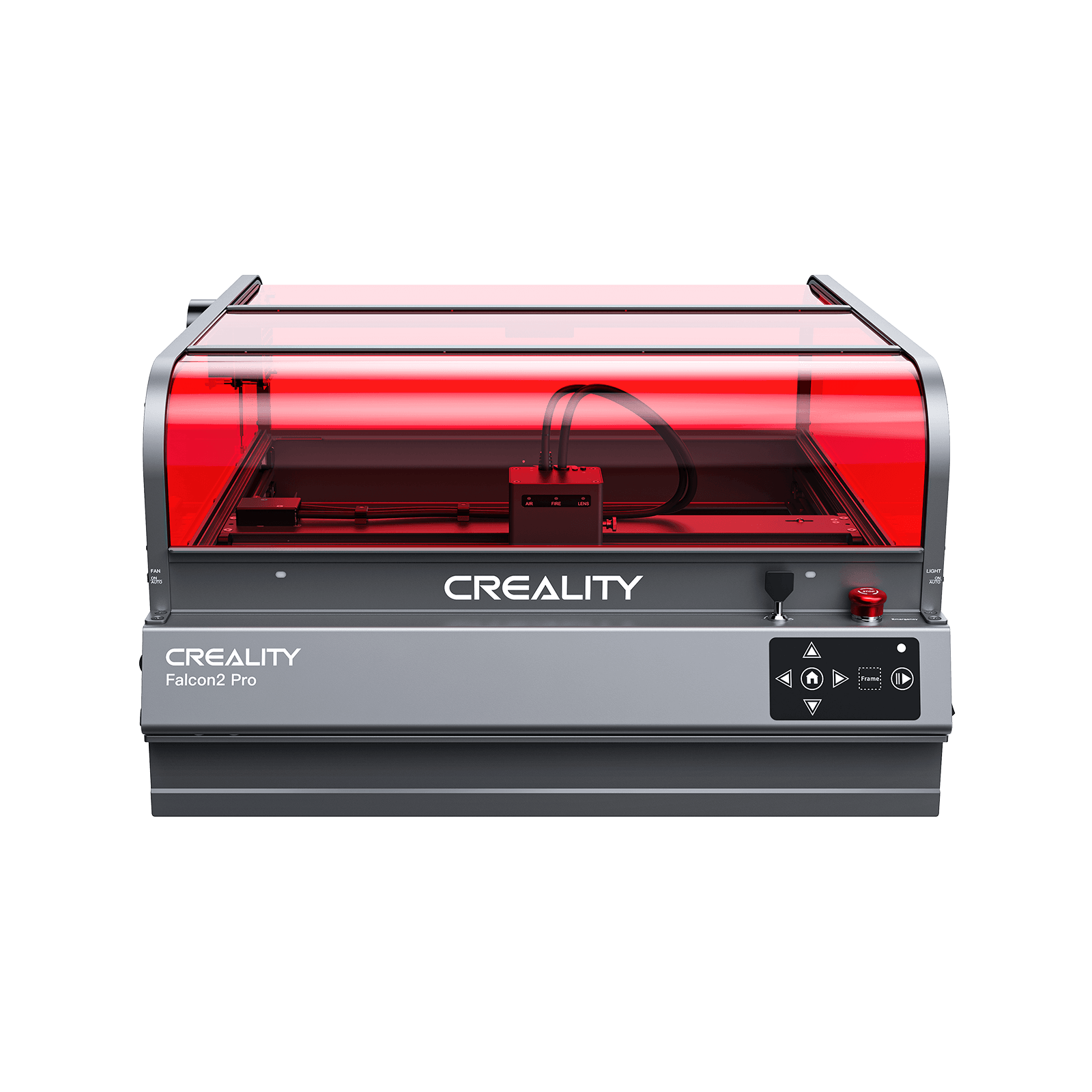
Laser engraving uses a focused laser beam from a laser engraver to mark the surface of the brass.
Why people choose it:
- Very fine detail
- Clean, precise logos
- Faster production
Best for:
Logos, small plates, indoor signs, detailed designs
How to Choose the Right Brass Plate with Engraving
Step 1: Define the Use Case — Then Choose the Right Brass
Before thinking about engraving style or layout, start with how the brass plate will actually be used.
This single decision determines almost everything that follows.
Ask yourself three questions:
- Will the plate be used indoors or outdoors?
- Is it decorative, informational, or commemorative?
- Is it meant to last a few years or decades?
Once that’s clear, focus on the brass itself—not all brass performs the same.
Choose the Right Brass Material
Higher copper-content brass (≈65–70%)
- Richer, warmer gold tone
- Better corrosion resistance
- Cleaner engraving edges
- Ages more evenly outdoors
Lower copper-content brass (≈55–60%)
- Lighter yellow appearance
- Harder material
- More uneven aging over time
For long-term or outdoor use, higher copper brass is usually the better investment.
Always choose solid brass, not brass-plated material.
Plated plates wear through quickly and don’t engrave well over time.
Also consider thickness at this stage:
- 0.5–0.8 mm → decorative, indoor use
- 1.0–1.5 mm → standard nameplates and signs
- 2.0 mm+ → outdoor plaques, industrial labels
Step 2: Choose the Right Engraving Method
- Laser engraving → best for fine details, logos, and quick turnaround
- Rotary engraving → best for deep, long-lasting engraving, especially outdoors
Pick detail and speed, or depth and durability.
Step 3: Finalize Design and Mounting
Select the font, layout, finish, and mounting method (adhesive, screws, or stand-offs).
Review a digital proof before production to make sure everything looks right.
Laser vs Rotary Engraving: Which Is Better
Here’s the short version:
|
Feature |
Laser Engraving |
Rotary Engraving |
|
Engraving depth |
Shallow |
Deep |
|
Detail |
Very fine |
Solid |
|
Outdoor durability |
Good |
Excellent |
|
Cost |
Lower |
Higher |
Simple rule:
- Choose laser engraving if you want detail and speed.
- Choose rotary engraving if you want maximum durability.
Brass Plate Thickness: What You Should Know
Thickness affects both how the plate feels and how deep it can be engraved.
Common thicknesses
- 0.5–0.8 mm – light, decorative use
- 1.0–1.5 mm – standard signs and nameplates
- 2.0–3.0 mm+ – outdoor plaques and industrial plates
For outdoor or long-term use, thicker plates are usually worth it.
Always choose solid brass, not brass-plated. Plated plates wear out much faster.
Can Engraved Brass Plates Be Used Outdoors
Yes—but expect natural aging.
- Brass will slowly darken and develop a patina over time.
- A clear lacquer coating helps slow this process.
- Deep engraving stays readable even as the surface ages.
Outdoor brass plates aren’t meant to stay shiny forever—they’re meant to last.
Customization Options You Can Choose
When ordering, you’ll usually be able to select:
- Size and shape – standard or custom
- Fonts and layout – clean, classic, or modern
- Logos or graphics – best submitted as vector files
- Finish – polished, brushed, or antique
- Mounting – adhesive, screws, stand-offs, or stakes
The more detail you provide upfront, the smoother the process will be.

FAQs
Will the engraving fade
No. Engraving is permanent.
Can detailed logos be engraved
Yes, especially with laser engraving.
Is brass better than aluminum or plastic
For durability and appearance, yes—especially long term.
Final Thoughts
Engraved brass plates are simple, practical, and built to last.
If you choose the right thickness, engraving method, and finish, you’ll end up with something that looks good and keeps doing its job for years.
If you’re not sure whether laser or rotary engraving is right for your project, or how thick your plate should be, it’s worth asking before you order.
A few small decisions make a big difference in the final result.
Recent News

12 World Cup Laser Engraving Ideas for Fans
Explore world cup laser engraving ideas for fan gifts, tumblers, coasters, signs, and safe soccer-inspired designs makers can...

What Materials Does a Laser Cutter Cut Safely
Find out what materials does a laser cutter cut, which plastics to avoid, and how CO2, diode, and...

7 Best Laser Engravers Under $1000
Quick Answer:The best laser engraver under $1000 should be chosen by total setup cost, not machine price alone.For most...