

























CNC Vs Laser Cutter Which Tool Is Right For You

Quick Answer: Choose a CNC router if you need thick material cutting, 3D carving, pocketing, or aluminum machining. Choose a laser cutter if you need fast 2D cutting, fine engraving, sharp details, thin wood, acrylic, leather, paper, or fabric projects.
What Is A CNC Machine
A CNC machine is a computer-controlled cutting tool that removes material with a physical bit. CNC stands for Computer Numerical Control, which means the machine follows digital toolpaths to carve, mill, drill, pocket, or cut a workpiece.
In a CNC router, the spinning bit physically touches the material. This contact makes CNC machines strong for thick hardwood, MDF, plastics, foam, and some soft metals such as aluminum. The tradeoff is that the bit creates dust, noise, tool wear, and rounded inside corners based on the bit diameter.
What Is A Laser Cutter
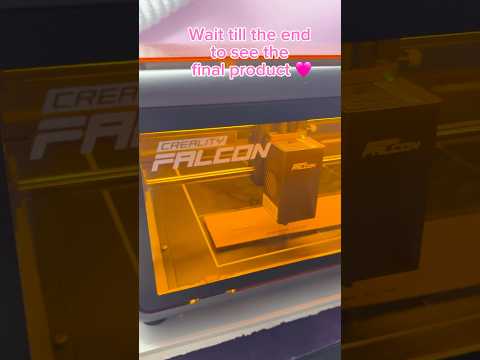
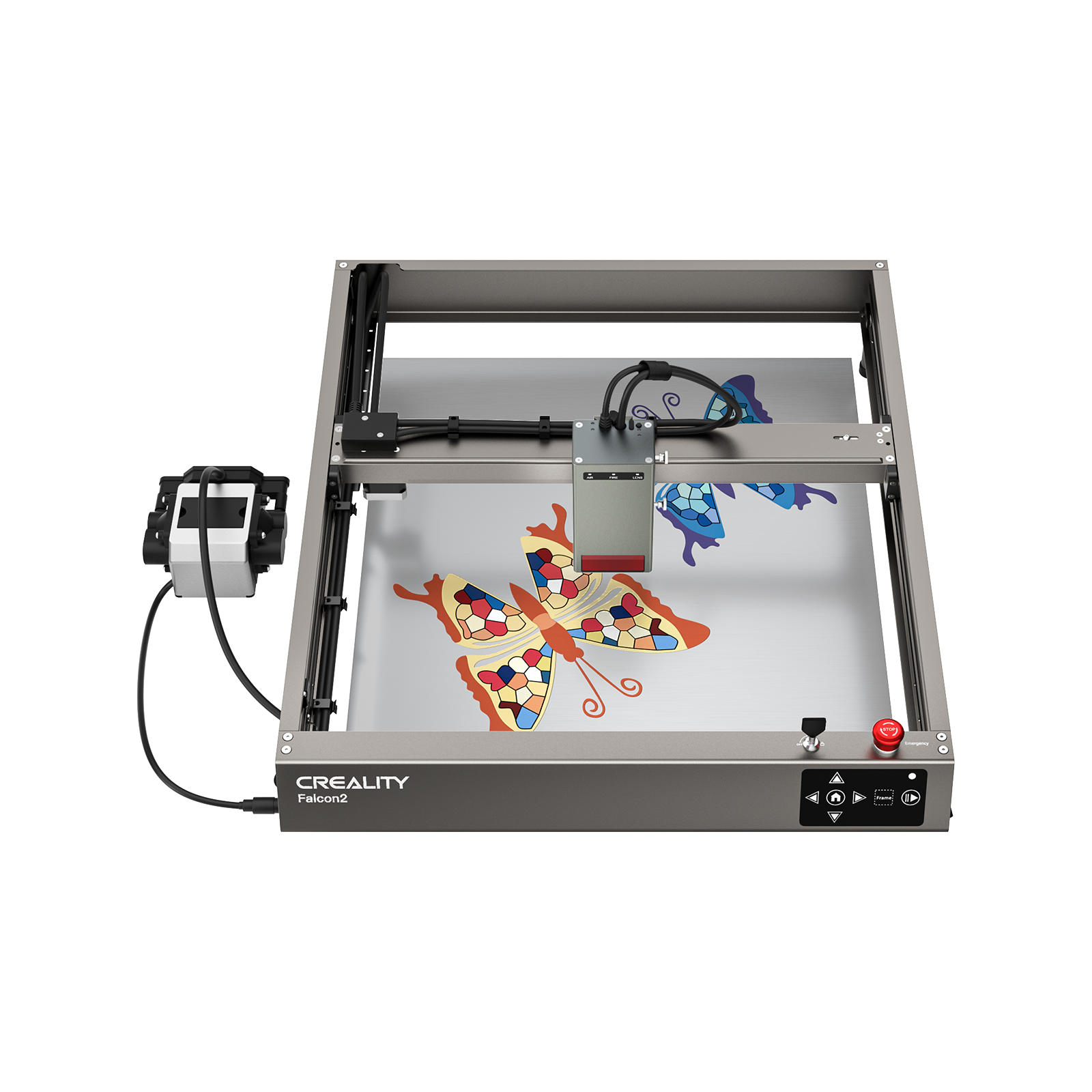
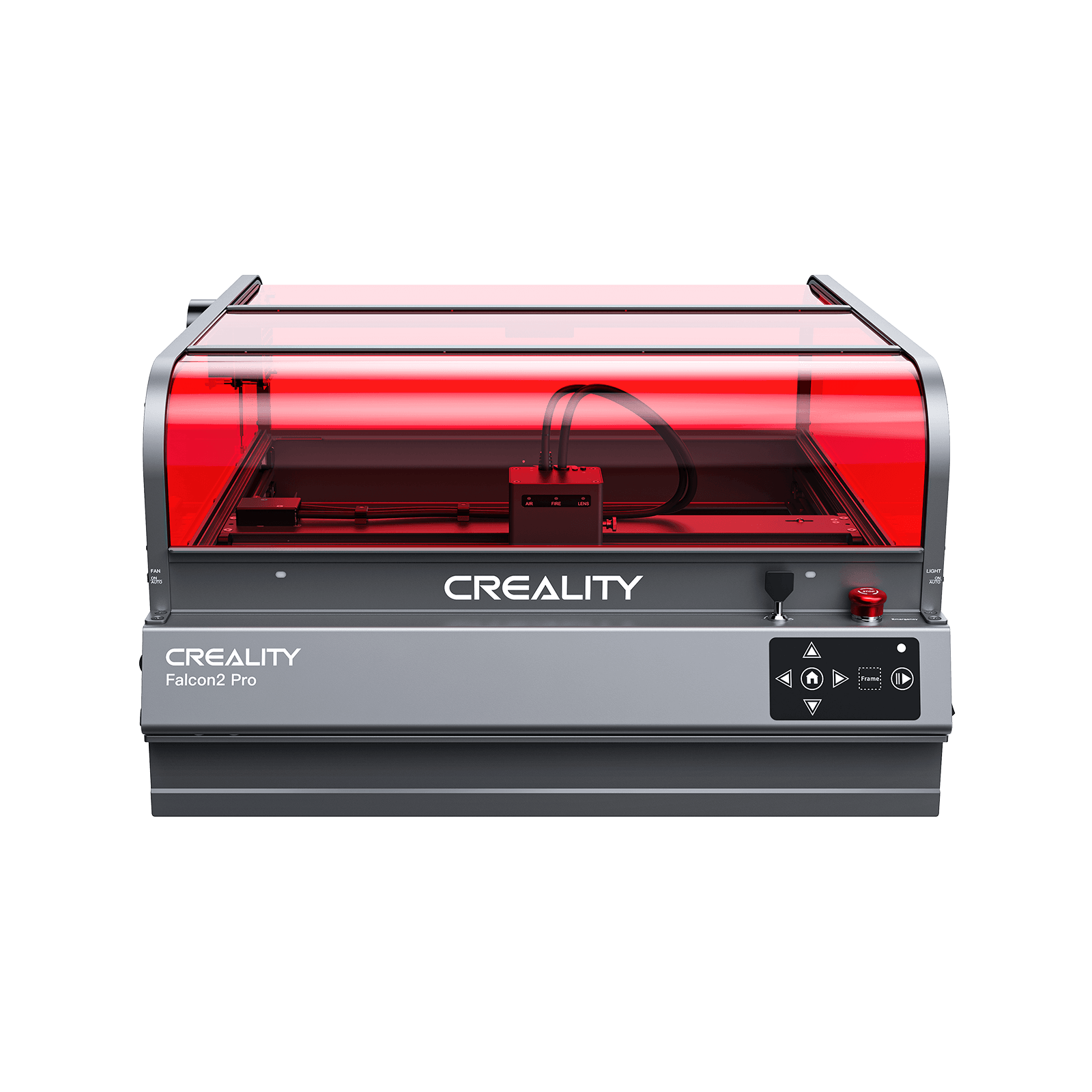
A laser cutter is a non-contact digital fabrication tool. Instead of using a spinning bit, it uses focused light to heat, burn, melt, vaporize, or mark material. Because the beam does not physically touch the workpiece, laser cutting needs less clamping force than CNC routing.
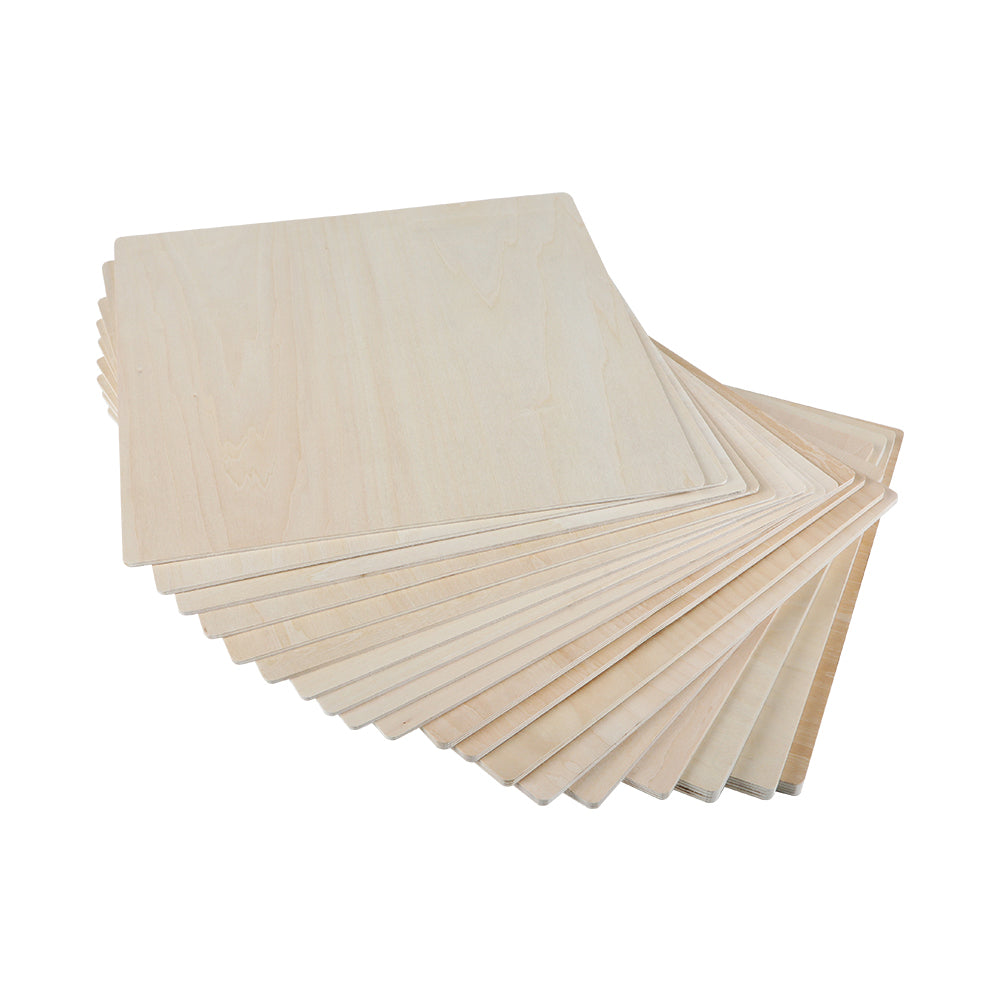
Laser cutters are especially strong for thin wood, acrylic, leather, paper, fabric, cardboard, engraving, and intricate 2D designs. A diode laser engraver is common for desktop craft work, while a CO2 laser engraver is often better for clear acrylic and cleaner cutting on many organic materials.
Key Differences Between CNC And Laser Cutters
The biggest difference is the cutting method. A CNC router removes material with a physical tool, while a laser cutter removes or marks material with heat.
That single difference affects precision, material thickness, safety, mess, noise, software, and project type.

| Feature | CNC Router | Laser Cutter |
|---|---|---|
| Cutting Method | Physical bit removes material | Focused light burns, melts, or vaporizes material |
| Best Materials | Thick wood, MDF, plastics, foam, soft metals | Thin wood, acrylic, leather, paper, fabric, cardboard |
| Detail | Limited by bit diameter | Excellent for small text, fine lines, and sharp corners |
| 3D Capability | Strong for relief carving, pockets, and depth control | Mostly 2D cutting and surface engraving |
| Mess And Noise | Loud, creates chips and sawdust | Quieter, creates smoke and fumes |
| Safety Focus | Clamping, bit breakage, dust, eye and hearing protection | Ventilation, fire risk, laser light, material safety |
1. Precision And Detail
For fine 2D detail, a laser cutter usually wins. A focused laser beam can create sharp inside corners, delicate patterns, small lettering, and detailed engravings. CNC routers are precise too, but their detail is limited by the physical diameter of the bit.
This matters when you make jewelry, paper art, inlays, model parts, acrylic signs, leather patches, or ornaments. A CNC router can still make accurate parts, but tiny inside corners will usually have a radius unless you add extra toolpath strategies.
2. 3D Carving And Depth Control
For 3D relief carving, pocketing, chamfers, contours, and shaped surfaces, a CNC router is the better tool. It can move through the Z axis and remove material at controlled depths. That makes it suitable for topographic maps, carved signs, molds, furniture joinery, and aluminum parts.
A laser cutter can engrave the surface and create some depth variation, but it is not a true 3D carving tool. If the project depends on controlled depth, shaped pockets, or mechanical fit, CNC is usually the safer choice.
3. Cutting Thick Wood
For thick hardwood and structural parts, CNC routers usually outperform desktop laser cutters. A CNC router can cut thick wood in multiple passes with the right bit, feeds, speeds, and hold-down strategy. Lasers are better for thinner sheets, profiles, and detailed decorative parts.
Laser cutting thick wood can create charred edges, smoke, slower cut times, and fire risk. High-power diode and CO2 lasers can cut thicker wood than entry-level machines, but users should test material carefully instead of relying only on advertised thickness claims.
When Should You Choose A CNC Router
Choose a CNC router when your project needs depth, strength, thick stock, or shaped surfaces.
CNC is often better for parts that must fit mechanically, hold screws, carry load, or include pockets and contours.

- 3D relief carvings and topographic maps
- Thick hardwood signs and furniture parts
- MDF panels, jigs, templates, and cabinet parts
- Aluminum plates and soft metal machining
- Deep pockets, joinery, chamfers, and molded surfaces
When Should You Choose A Laser Cutter
Choose a laser cutter when your project is mostly 2D, detail-heavy, thin, decorative, or personalized. Laser cutters are strong for fast profile cutting, engraving, batch personalization, and low-force processing.
- Thin plywood signs, ornaments, and model parts
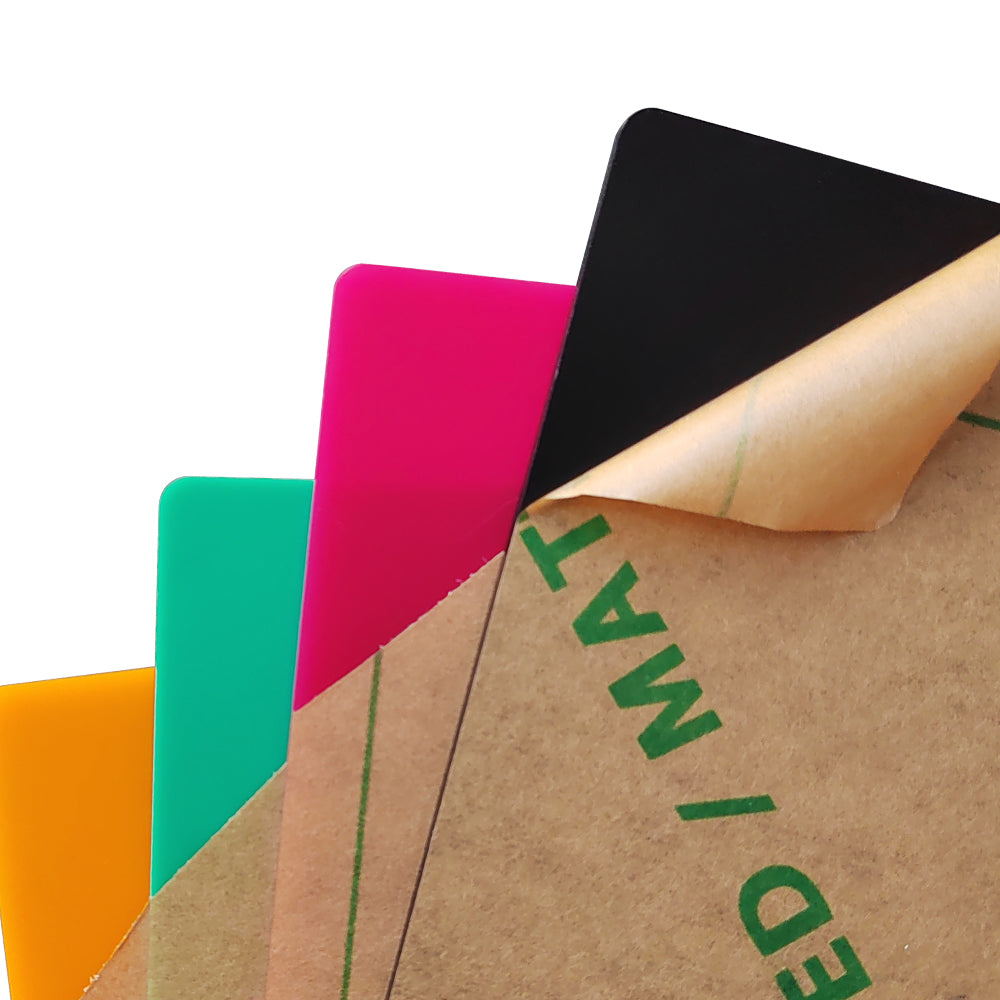
- Acrylic signs, displays, and light panels
- Leather patches, wallets, tags, and templates
- Paper crafts, packaging, invitations, and stencils
- High-detail engraving, logos, small text, and serial marking
Recommended Beginner Laser Cutters In 2026
If laser cutting fits your work better than CNC routing, the following beginner-friendly options cover different budgets and workflows. Some focus on enclosed craft use, while others offer more manual control or CO2 material compatibility. Always verify current specifications, warranty, software support, and regional availability before buying.
| Model | Laser Type | Best Fit | Main Tradeoff |
|---|---|---|---|
| Creality Falcon A1 | 10W diode | Enclosed beginner desktop laser work | Limited for thick cutting and clear acrylic |
| xTool M1 | Diode plus blade workflow | Crafting, cards, stickers, thin wood | Craft-focused rather than heavy cutting |
| Glowforge Spark | 6W diode | Simple home craft workflow | Internet requirement and material limits |
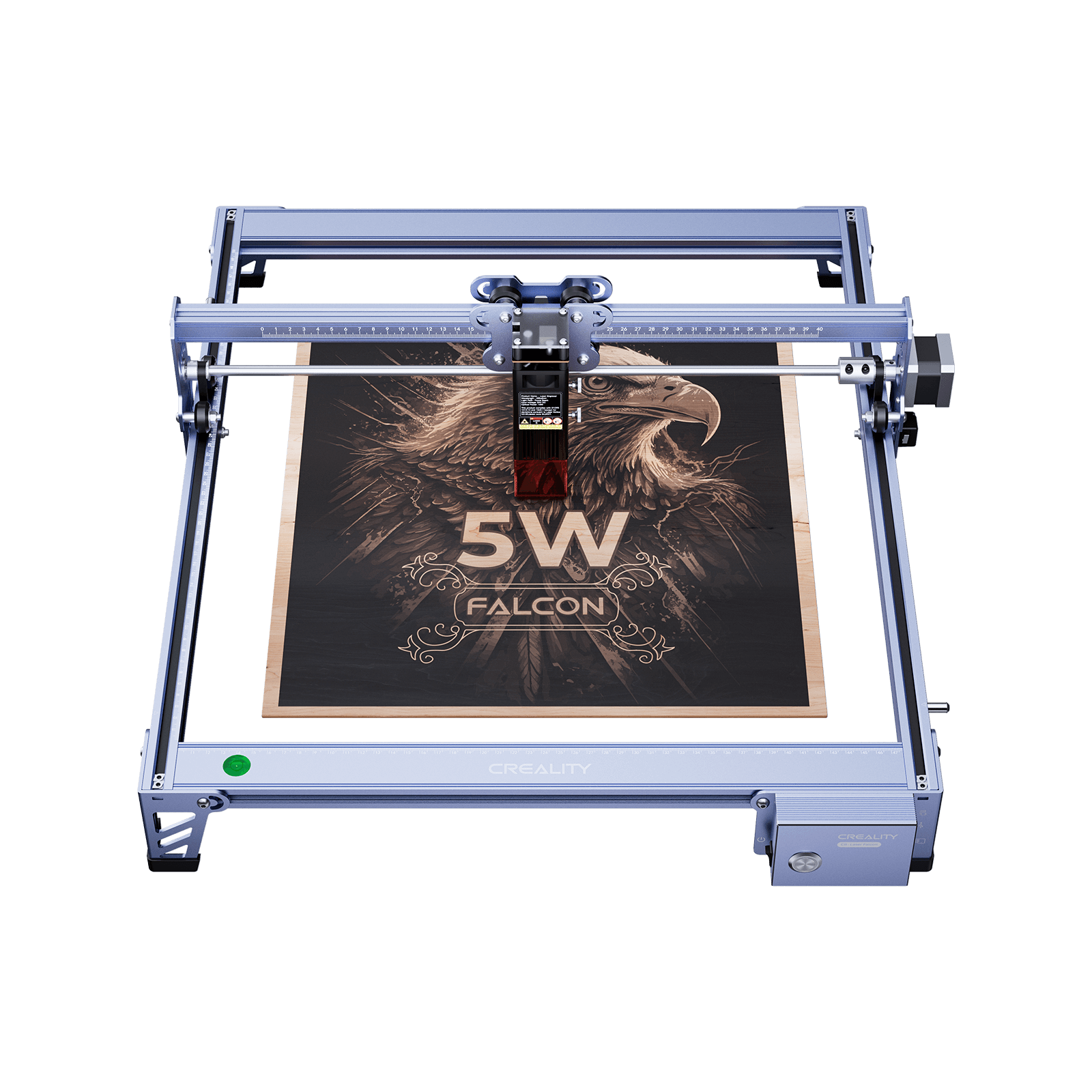
| SCULPFUN S10 | 10W diode | Open-frame engraving and DIY upgrades | Needs enclosure and safety planning |
| AtomStack Swift Mini | Compact diode | Small engraving projects | Small work area and low cutting capacity |
| OMTech K40+ | CO2 | Entry-level acrylic and workshop cutting | Needs cooling, exhaust, and more maintenance |
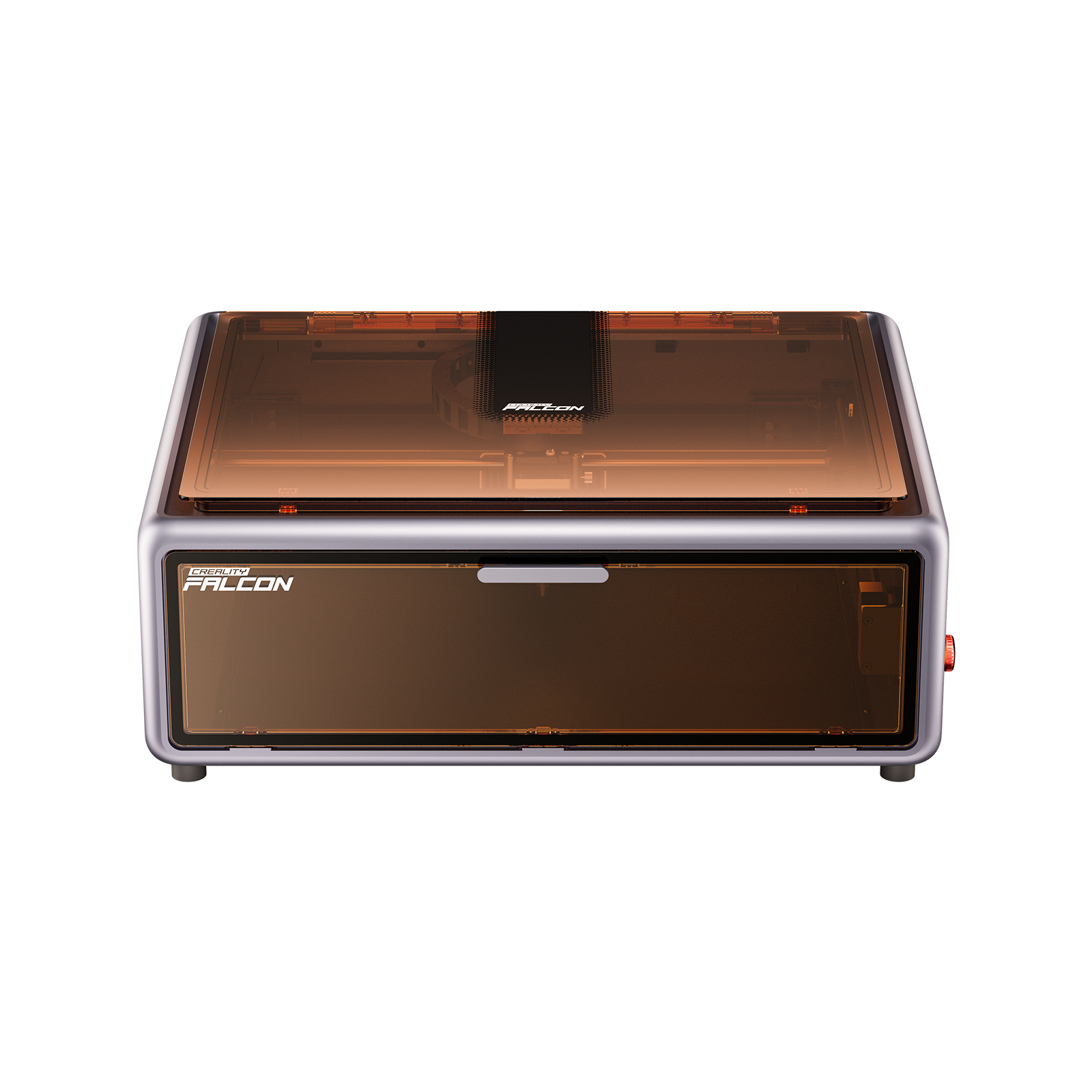
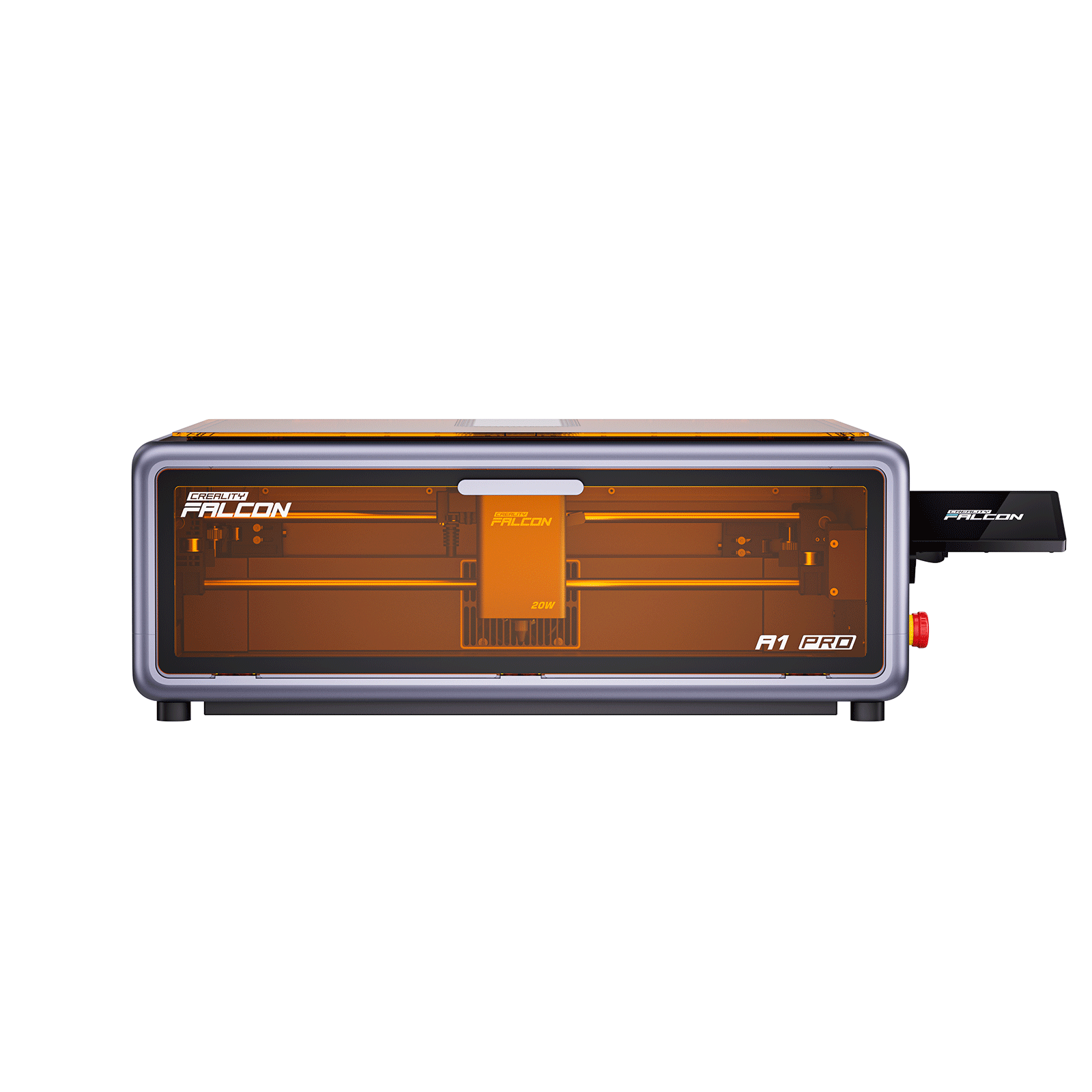
1. Creality Falcon A1
Why Choose This Product: The Creality Falcon A1 is a strong beginner option for users who want an enclosed 10W diode laser for detailed 2D projects.
The Creality Falcon A1 is a good fit if your CNC vs laser cutter decision points toward personalized gifts, signs, ornaments, small décor, paper crafts, leather work, and dark acrylic projects. Creality Falcon product information lists a 10W diode laser and a 305 × 381 mm working area. The enclosed desktop format is useful for home users, schools, and beginners who want fewer open-frame safety concerns.
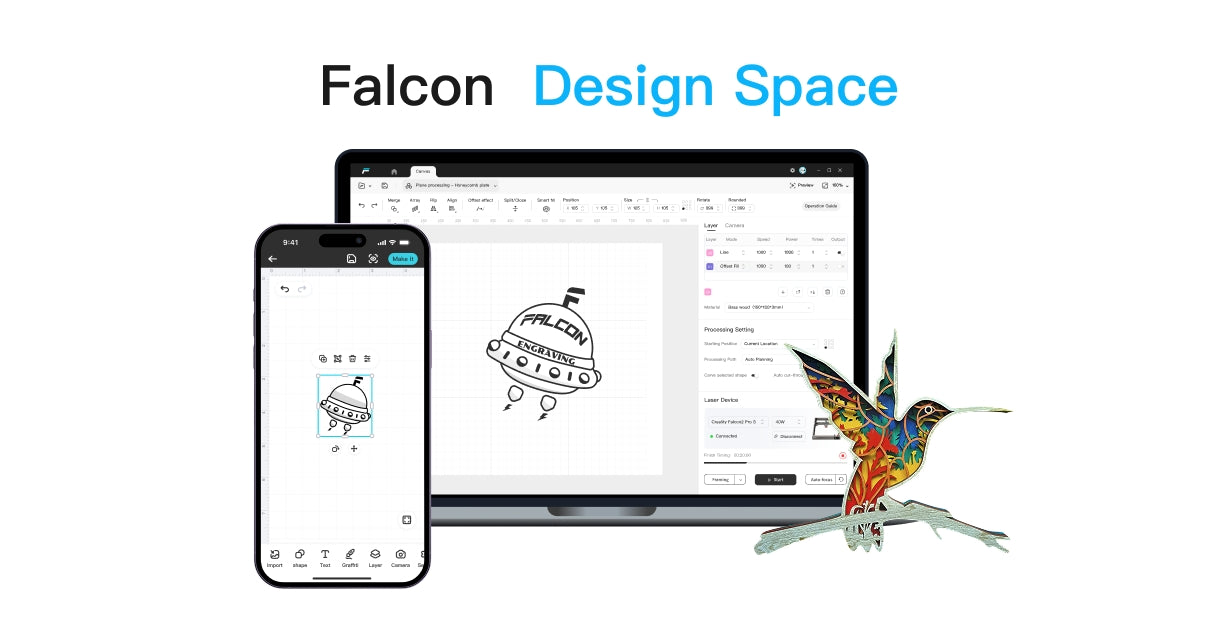
- SPECS: 10W diode laser; 305 × 381 mm working area; enclosed desktop design; supports Falcon Design Space, LightBurn, and LaserGRBL according to Creality Falcon product information.
- PROS: Enclosed format is easier for beginners than an open-frame setup.
- PROS: Good for detailed engraving, thin wood, leather, paper, and dark acrylic.
- CONS: Not a replacement for CNC routing, thick wood cutting, or clear acrylic CO2 workflows.
2. xTool M1
Why Choose This Product: The xTool M1 is useful for crafters who want both laser processing and blade cutting in one desktop machine.
The xTool M1 is a good fit for users who make stickers, cards, gift tags, thin wood pieces, leather items, and craft projects that benefit from mixed cutting methods. The blade workflow is useful when you want to cut some materials without burning them. The tradeoff is that it is a craft-focused machine, not a heavy cutting system for thick hardwood or production routing.
- SPECS: Diode laser options; laser plus blade workflow; desktop enclosed craft format; current specifications should be verified on the official xTool page.
- PROS: Hybrid blade and laser workflow adds value for craft users.
- PROS: Enclosed desktop format is easier for beginners than open-frame machines.
- CONS: Not suitable for CNC-style thick material removal or 3D carving.
3. Glowforge Spark
Why Choose This Product: The Glowforge Spark is designed for users who want a simple web-based craft laser with minimal setup friction.
Glowforge lists Spark as a 6W blue diode craft laser with a 12 × 12 inch maximum material size and an 8.5 × 11 inch maximum cutting area. It is best for small wood, paper, leather, veneer, and gift projects. However, Glowforge also notes that Spark is not compatible with clear acrylic, white acrylic, some blue acrylics, PVC vinyl, and several other materials.
- SPECS: 6W blue diode laser; 12 × 12 in maximum material size; 8.5 × 11 in maximum cutting area; Wi-Fi and web-based Glowforge Print workflow.
- PROS: Simple software experience for first-time users.
- PROS: Compact format for home craft spaces.
- CONS: Material limits and internet dependence may restrict advanced workflows.
4. SCULPFUN S10
Why Choose This Product: The SCULPFUN S10 is a budget-friendly open-frame diode laser for hobbyists who want more manual control.
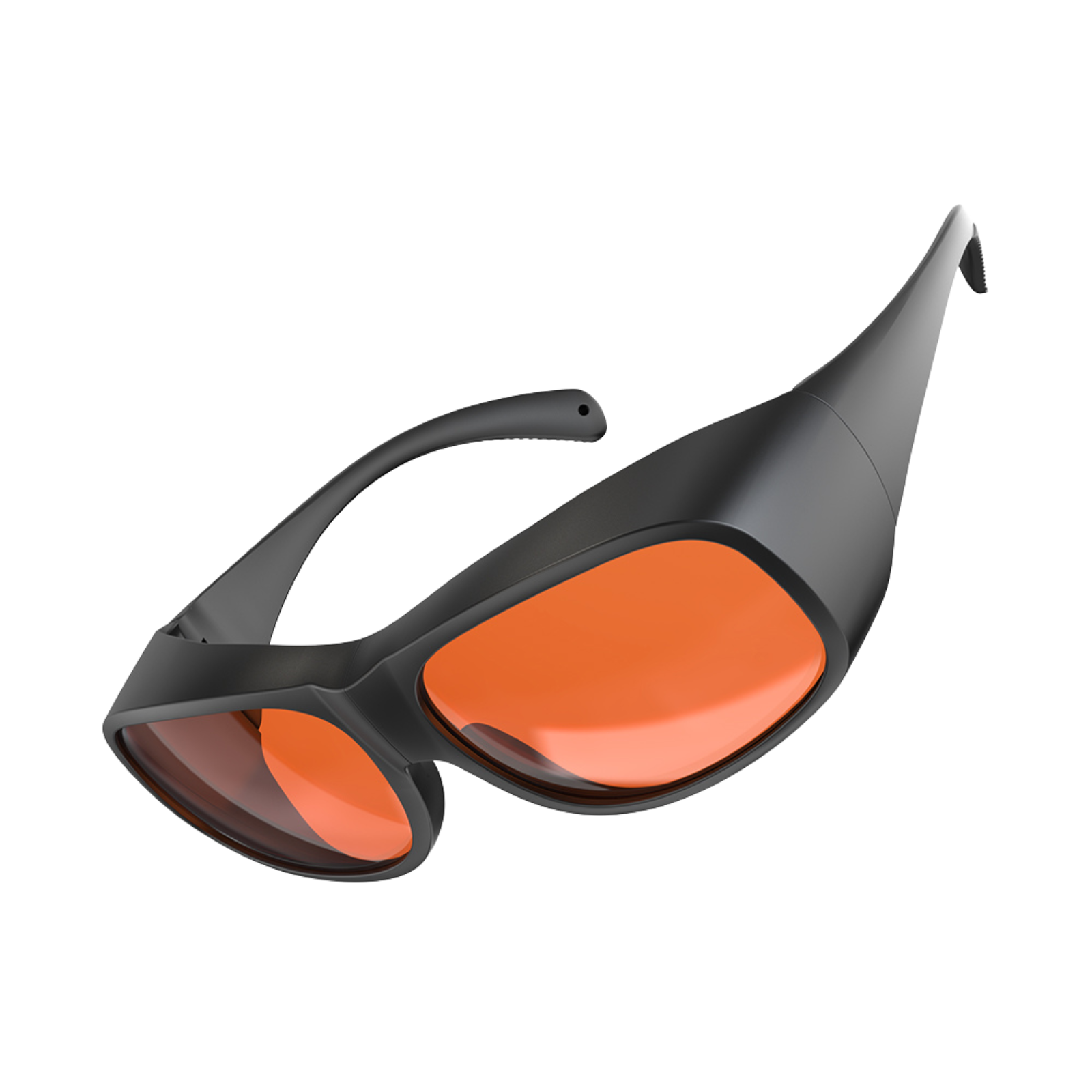
SCULPFUN’s official product information lists the S10 as a 10W diode laser with LightBurn and LaserGRBL support. It can work well for detailed engraving, thin wood, leather, and hobby projects. Because it is open-frame, users should budget for eye protection, enclosure planning, ventilation, and fire-safe operating habits.
- SPECS: 10W diode laser; open-frame format; LaserGRBL and LightBurn support listed by SCULPFUN.
- PROS: Good option for users who want manual setup and upgrade flexibility.
- PROS: Useful for engraving and thin material projects.
- CONS: Open-frame design requires more safety planning than enclosed machines.
5. AtomStack Swift Mini
Why Choose This Product: The AtomStack Swift Mini is best treated as a compact engraving-first machine for small customization projects.
The AtomStack Swift Mini is most useful for small personalization jobs such as coasters, wallets, tags, phone cases, and tiny desktop gifts. It is not a CNC alternative and should not be judged as a heavy cutter. The tradeoff is a small work area and limited cutting ability, so buyers should confirm the current official specifications before purchase.
- SPECS: Compact beginner diode engraver; exact specifications should be checked on the current AtomStack product page.
- PROS: Small footprint for light engraving projects.
- PROS: Better for tiny personalized items than large signs.
- CONS: Limited work area and cutting capacity.
6. OMTech K40+
Why Choose This Product: The OMTech K40+ is a better choice for beginners who specifically need CO2 laser behavior for acrylic and workshop cutting.
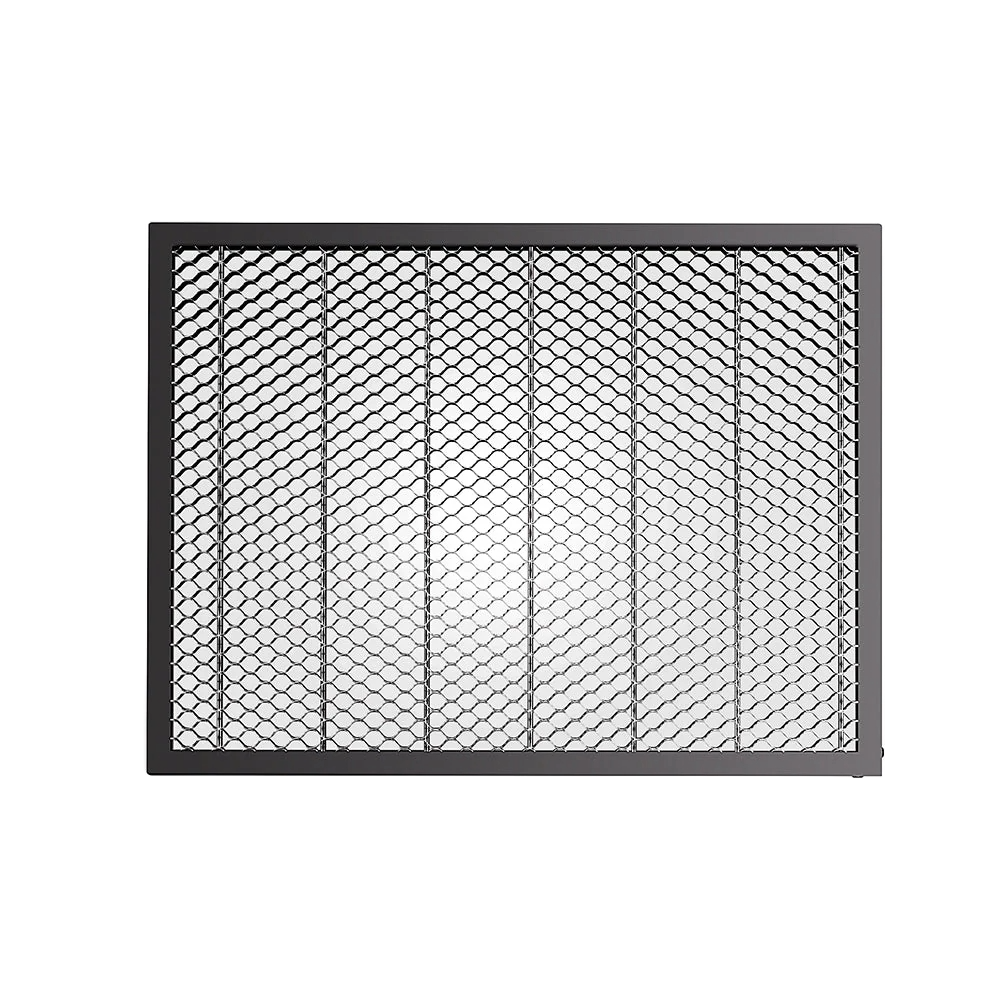
The OMTech K40+ uses a CO2 laser tube instead of a blue diode module. OMTech product information lists a compact 8 × 12 inch working area and a detachable honeycomb workbed on current K40+ pages. It can be more capable for acrylic than a diode machine, but it also requires cooling, exhaust, alignment, cleaning, and maintenance.
- SPECS: CO2 desktop laser; 8 × 12 in working area listed by OMTech; detachable honeycomb workbed on current K40+ product pages.
- PROS: Better suited to clear acrylic than blue diode lasers.
- PROS: Useful entry point for learning CO2 laser workflows.
- CONS: Requires more setup and maintenance than most diode machines.
FAQ
1. Can A Laser Cutter Do What A CNC Does
Not entirely. A laser cutter cannot carve true 3D pockets, shape deep reliefs, or machine thick dense materials like a CNC router can. However, a laser cutter can create much finer detail on thin materials than most CNC bits.
2. Is A Laser Cutter Safer Than A CNC Machine
Neither tool is automatically safer. A CNC router has risks from spinning bits, flying chips, dust, noise, and workholding failure. A laser cutter has risks from fire, fumes, laser light, and unsafe materials. Both require training and supervision.
3. Which Is Easier To Learn CNC Or Laser Cutting
Laser cutting is usually easier for beginners because the workflow is mostly 2D. CNC machining requires more understanding of toolpaths, feed rates, chip loads, bit selection, cutting depth, and clamping. For simple signs and gifts, a laser cutter often has a faster learning curve.
4. Can I Use The Same Design Software For Both Machines
You can use some design tools for both, such as Adobe Illustrator, Inkscape, or CAD software. The machine-control step is different. Laser cutters often use LightBurn or brand software, while CNC routers need CAM software to generate toolpaths.
5. Which Machine Is Louder
A CNC router is usually louder because of the spindle, cutting bit, dust collection, and physical material removal. A laser cutter is generally quieter, but it still needs exhaust fans and air assist. For CNC routing, hearing protection is often necessary.
Conclusion
Choosing between a CNC router and a laser cutter comes down to the project. Use CNC for thick materials, 3D carving, joinery, aluminum, pockets, and structural parts. Use a laser cutter for thin materials, fine detail, fast 2D profiles, engraving, acrylic, leather, paper, and personalized products.
If your work is mostly decorative, detailed, and sheet-based, a laser cutter will usually feel faster and easier. If your work needs depth, strength, or mechanical precision in thick stock, CNC is the better investment. Many serious workshops eventually use both because they solve different problems.
Recent News

12 World Cup Laser Engraving Ideas for Fans
Explore world cup laser engraving ideas for fan gifts, tumblers, coasters, signs, and safe soccer-inspired designs makers can...

What Materials Does a Laser Cutter Cut Safely
Find out what materials does a laser cutter cut, which plastics to avoid, and how CO2, diode, and...

7 Best Laser Engravers Under $1000
Quick Answer:The best laser engraver under $1000 should be chosen by total setup cost, not machine price alone.For most...