


























CO₂ Laser Cut Metal: What Actually Works

When you search for a “CO₂ laser cut metal machine,” you’re likely trying to find a versatile laser cutter for metal fabrication or workshop use.
I see this query frequently, and it usually comes from a reasonable assumption: if a laser can cut wood and acrylic so cleanly, maybe it can cut metal too.
However, it’s important to clarify this early and clearly.
While CO₂ lasers are incredibly capable machines, cutting raw, solid metal is not what they are designed for.
In most real-world applications, CO₂ lasers excel at non-metal materials, and attempting to use them for metal cutting leads to frustration, poor results, or even machine damage.
This guide explains why CO₂ lasers struggle with metal, what they can realistically do, and which laser technology is actually built for metal cutting.
Why CO₂ Lasers Struggle with Metal
The limitation comes down to how laser light interacts with metal surfaces.
CO₂ lasers operate at a wavelength of 10.6 micrometers (µm) in the infrared spectrum.
Most raw metals—such as steel, stainless steel, aluminum, brass, and copper—reflect a large portion of this wavelength rather than absorbing it.
What this means in practice:
- High reflectivity: Metal surfaces reflect most CO₂ laser energy instead of absorbing it.
- Low thermal absorption: Without absorption, the metal doesn’t reach melting or vaporization temperature efficiently.
- Poor cutting performance: Cuts are slow, inconsistent, or simply impossible.
- Machine risk: Reflected laser energy can travel back into the optics, potentially damaging mirrors, lenses, or the laser tube.
Because of this fundamental mismatch, CO₂ lasers are inefficient and unsafe tools for cutting raw metal.
NO! Desktop CO₂ Laser Can Not Cut Metal
In very limited industrial environments, extremely high-power CO₂ lasers combined with specialized assist gases (such as oxygen) can cut certain thin metals.
These systems are large, expensive, and purpose-built for factory production lines.

For desktop, workshop, and small-business CO₂ laser machines, cutting raw metal is not practical or recommended.
In modern fabrication, fiber lasers have almost entirely replaced CO₂ lasers for metal cutting due to higher efficiency, better safety, and lower operating costs.
For most users searching this term, the realistic answer is simple:
- CO₂ lasers are not the right tool for metal cutting.
What CO₂ Lasers Can Do
Although CO₂ lasers are not suitable for cutting metal, they are extremely powerful and versatile for many other materials.
Where CO₂ Lasers Excel
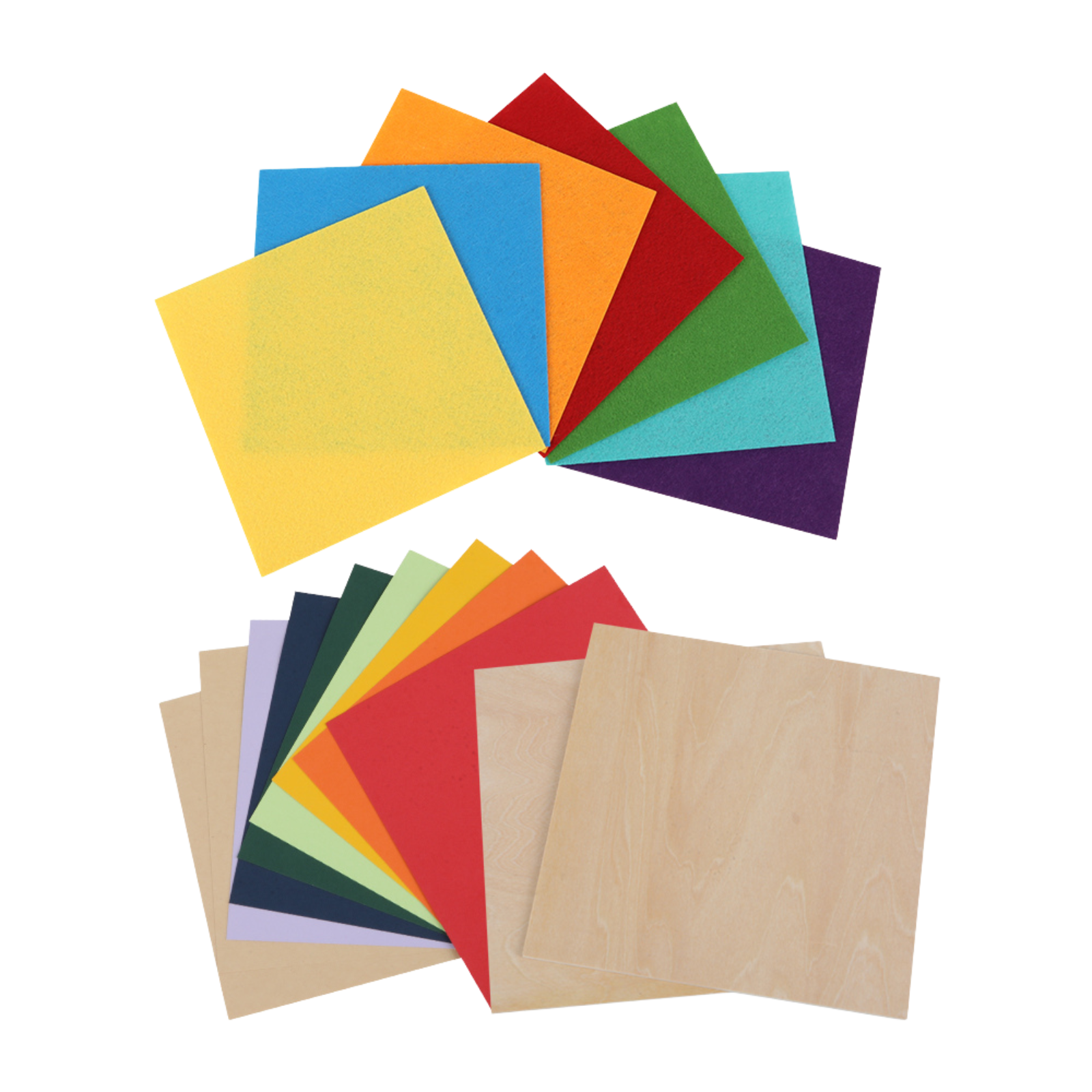
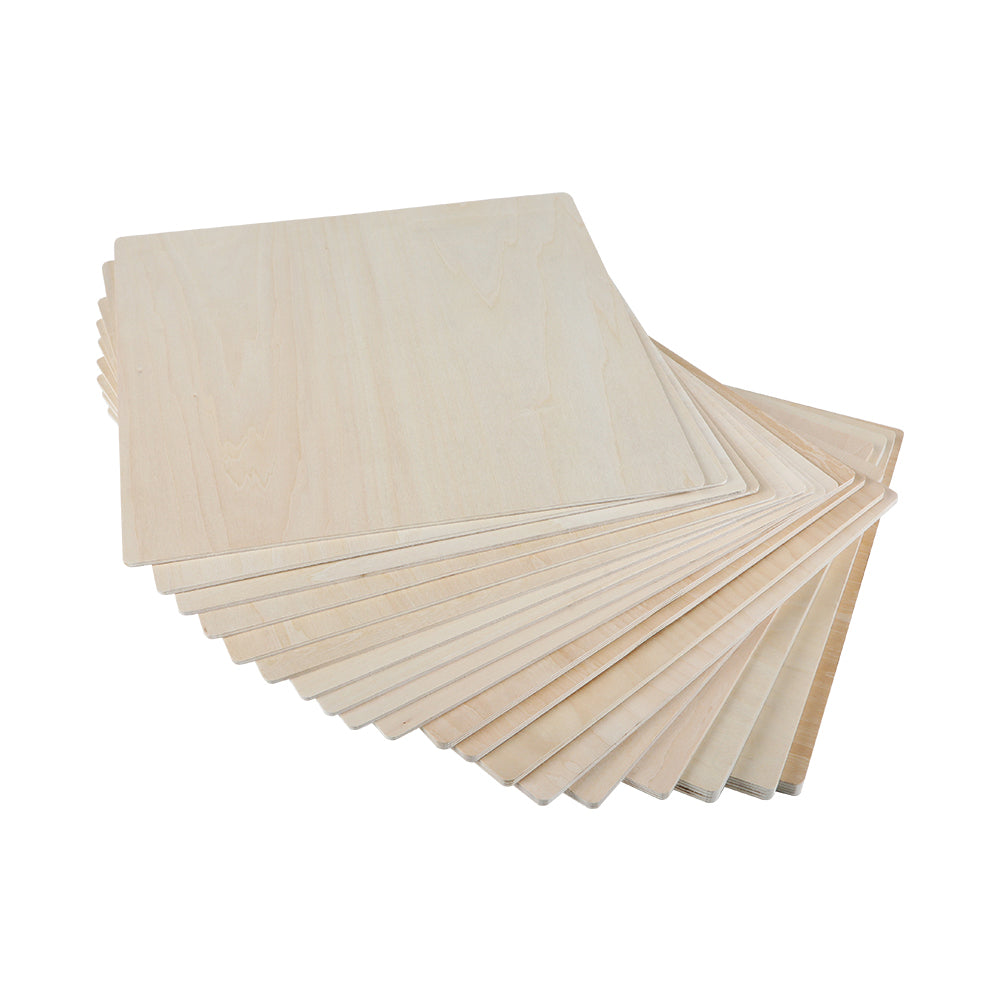
- Wood & composites: Solid wood, plywood, MDF, cork
- Plastics: Acrylic, Delrin, many plastic sheets
- Fabrics: Leather, denim, felt, canvas
- Paper products: Cardboard, paper, mat board
- Other materials: Rubber, glass (engraving only), stone (engraving only)
Metal Marking vs Metal Cutting
A key distinction is cutting vs marking.
CO₂ lasers can:
- Remove coatings from metal
- Engrave anodized aluminum
- Mark painted or powder-coated metals
They cannot cut through bare metal.
The laser only interacts with the surface layer, not the metal itself.

The True Solution for Metal Cutting: Fiber Laser Technology
If metal cutting is your goal, fiber lasers are the correct technology.
Fiber lasers operate at a wavelength of around 1.06 µm, which metals absorb extremely well.
This allows the laser energy to efficiently heat, melt, and vaporize metal.

Why Fiber Lasers Are Superior for Metal
- High metal absorption: Minimal reflection, maximum efficiency
- Dense beam focus: Extremely high power density
- Clean, fast cuts: Smooth edges across many metal types
- Wide material support: Carbon steel, stainless steel, aluminum, brass, copper
CO₂ vs Fiber Laser for Metal Cutting
|
Feature |
CO₂ Laser |
Fiber Laser |
|
Wavelength |
10.6 µm |
~1.06 µm |
|
Metal absorption |
Very low |
Very high |
|
Metal cutting ability |
Not practical |
Excellent |
|
Typical materials |
Wood, acrylic, leather |
Steel, aluminum, brass |
|
Cutting efficiency |
Poor |
High |
|
Industry standard today |
Non-metals |
Metal fabrication |
For modern metal fabrication, fiber lasers are the industry standard.
Key Considerations When Choosing a Metal Laser Cutting Machine
If you’re investing in a metal laser cutter, here are the most important factors to consider.
Essential Specifications
- Laser power (wattage): Determines cutting speed and maximum thickness
- Cutting area: Match bed size to your sheet dimensions
- Cooling system: High-power fiber lasers require industrial-grade chillers
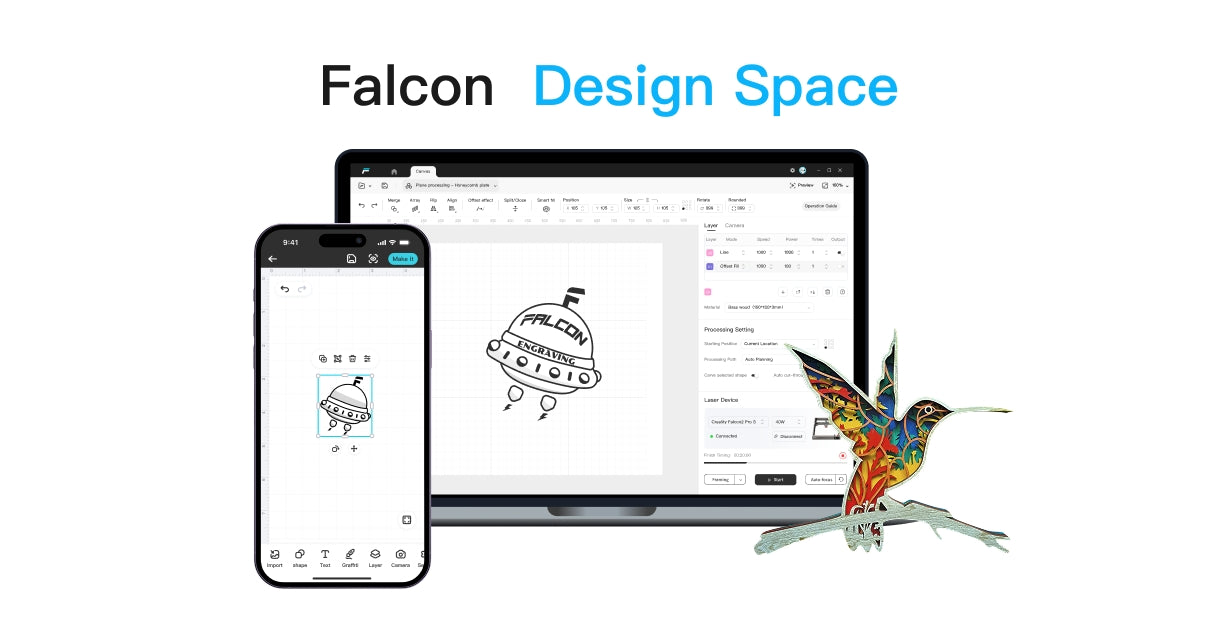
- Software compatibility: CAD/CAM workflow support
- Safety systems: Full enclosure, interlocks, and fume extraction
Metal laser systems represent a higher investment than non-metal lasers, but they deliver unmatched performance where metal cutting is required.
Versatile Non-Metal Laser Engravers (Where Creality Falcon Fits)
Many people searching for a “CO₂ laser cut metal machine” are actually looking for a versatile laser for creative or small-business projects, with metal being only a secondary interest.
For non-metal cutting and engraving—such as wood, acrylic, leather, and coated metals—powerful diode laser engravers offer a practical and affordable solution.
While diode lasers do not replace CO₂ lasers, they provide an accessible entry point for precision cutting and engraving tasks where CO₂ lasers are traditionally used.
Creality Falcon Best-Fit Pick
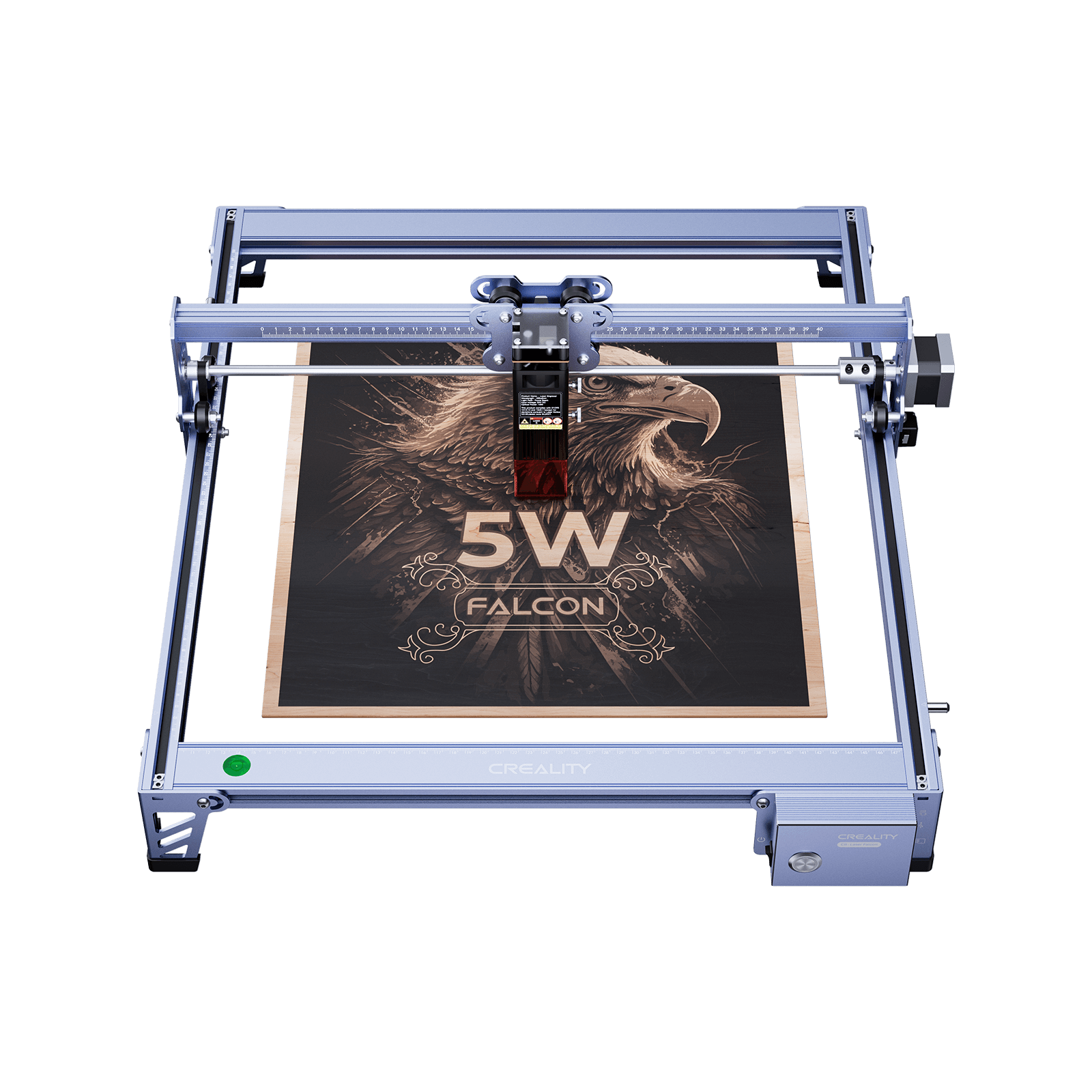
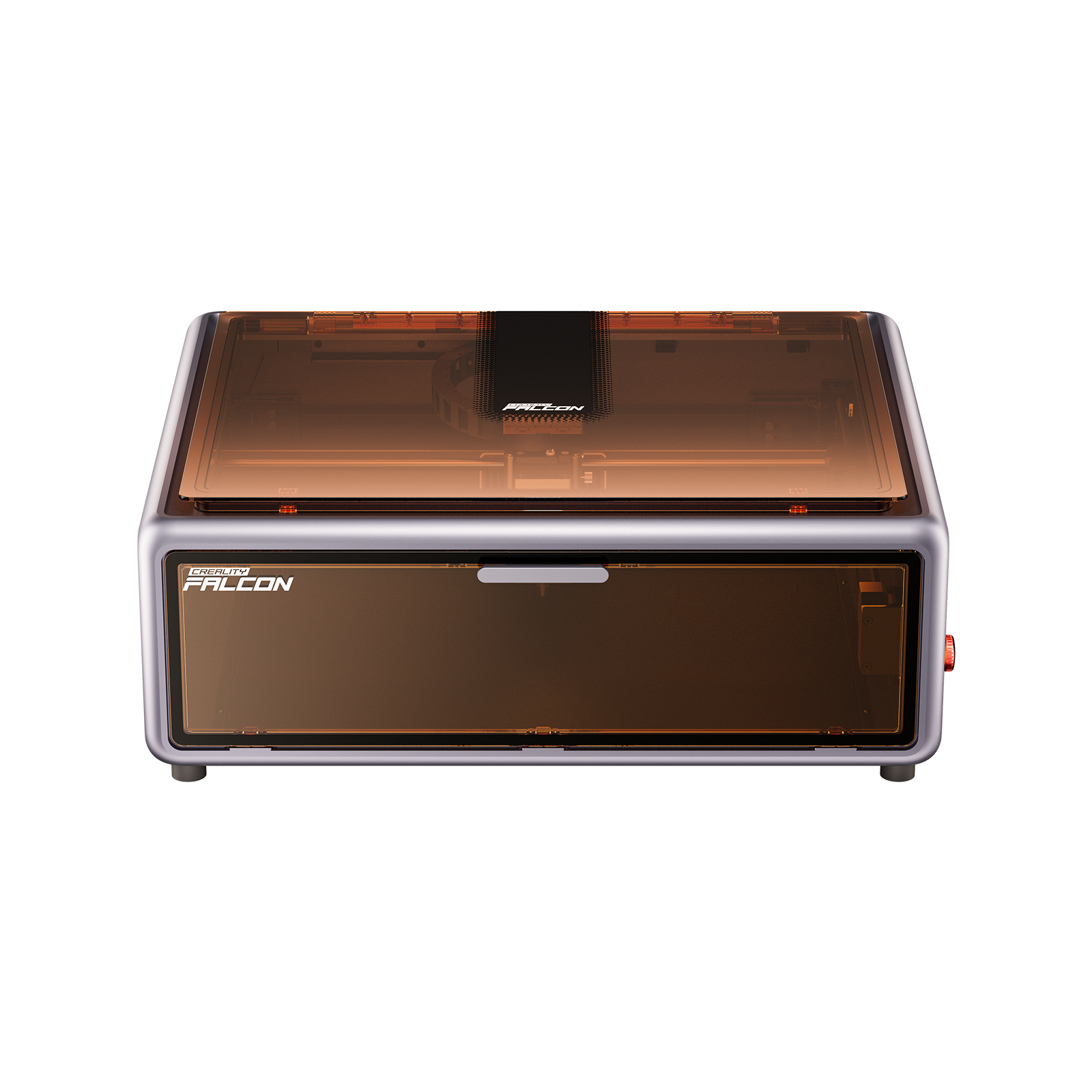
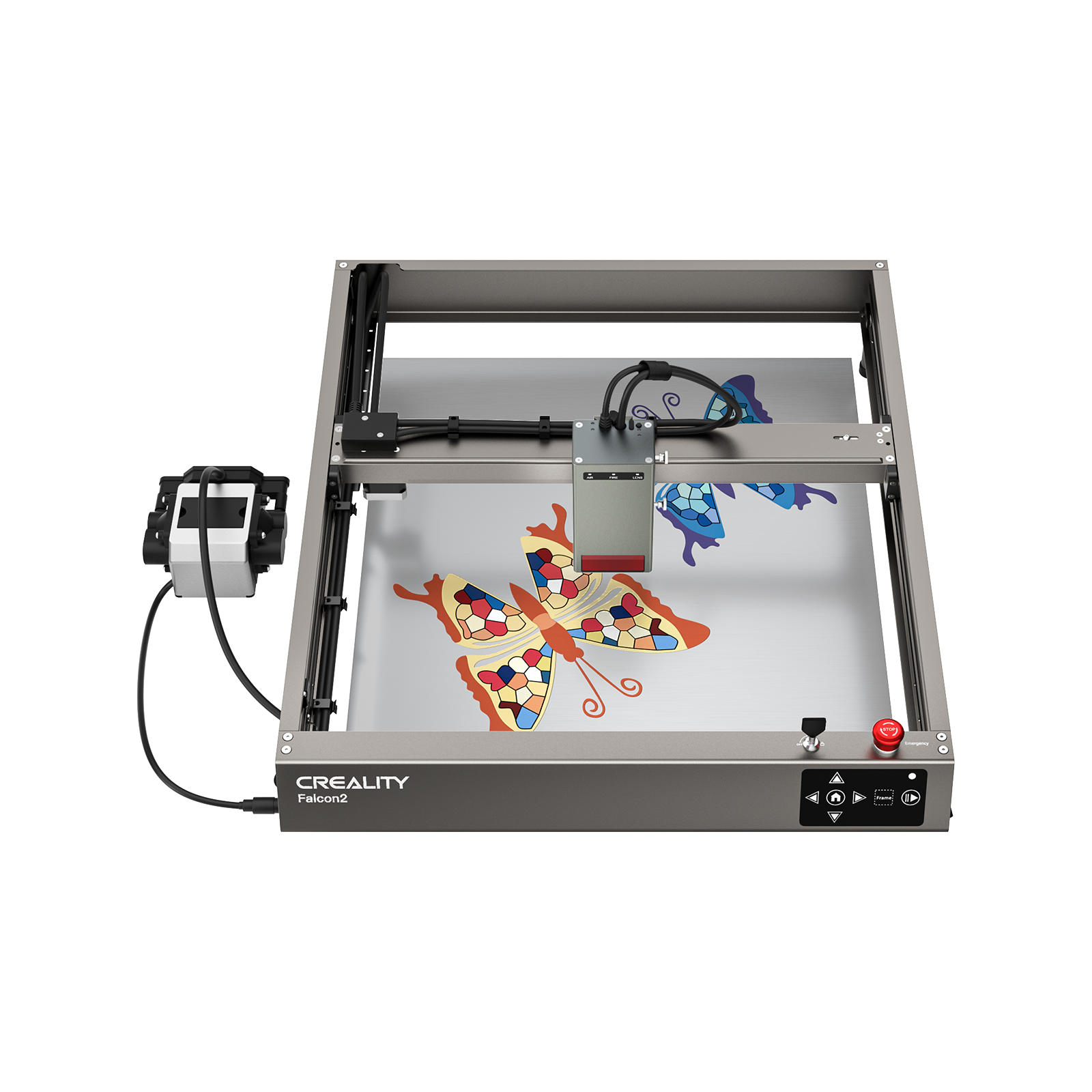
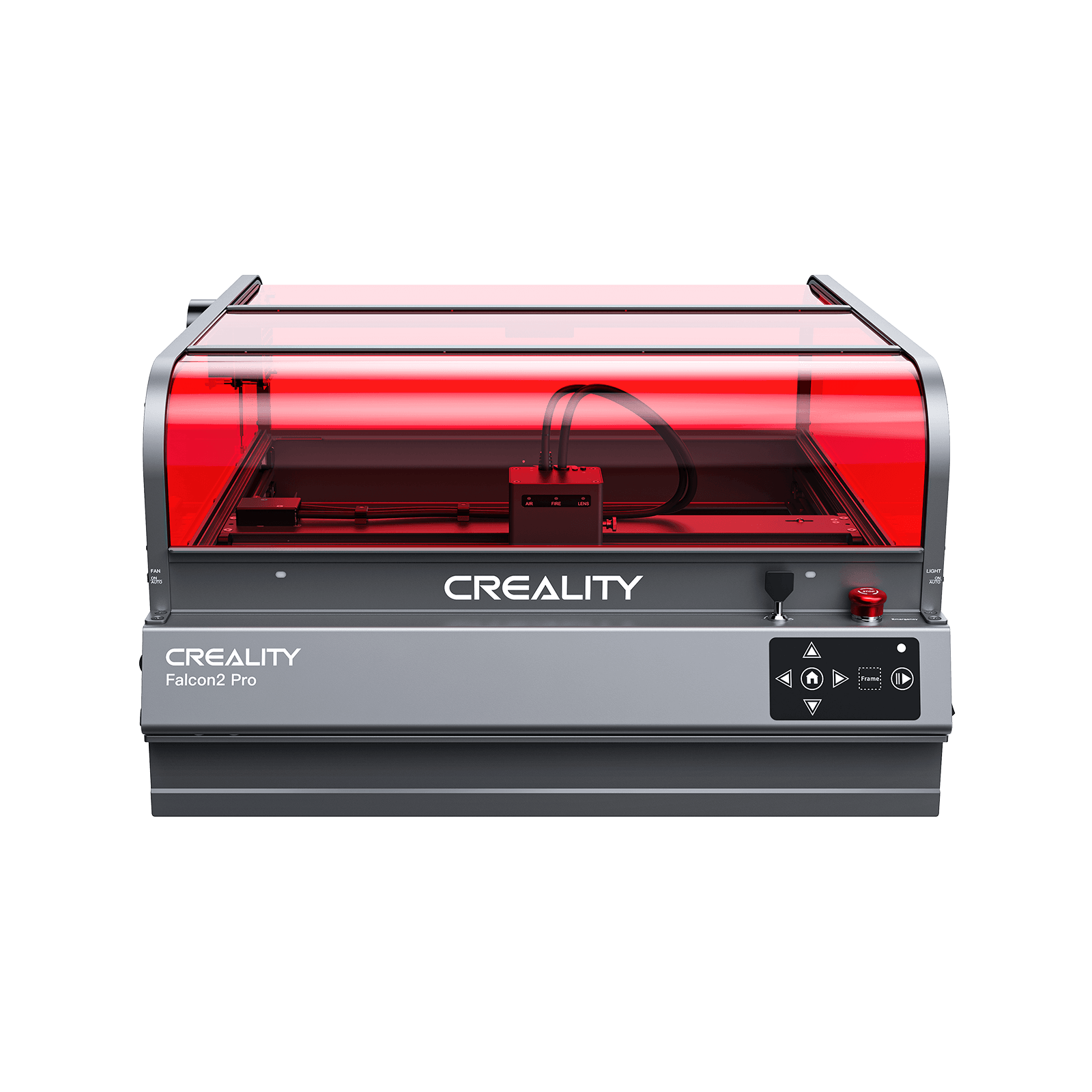
Product: Creality Falcon2 Pro

Why it fits non-metal workflows:
- High precision & speed: Strong diode output for detailed engraving and thin-material cutting
- Creative versatility: Excellent for wood, acrylic, leather, fabric, and coated metals
- User-friendly design: Integrated air assist, enclosed structure, and camera positioning
- Reliable performance: Ideal for makers, studios, and small businesses
Making the Right Investment Decision
Choosing the right laser comes down to aligning your machine with your real needs.
Ask yourself:
- Are you cutting raw metal, or mostly non-metals?
- What thickness and production speed do you require?
- Is this for hobby use, small batches, or industrial output?
- What is your long-term budget and expansion plan?
If metal cutting is your priority, fiber lasers are the correct choice.
If your work centers on non-metal materials or surface marking, CO₂ or diode lasers are better suited.
Conclusion
The takeaway is straightforward:
CO₂ lasers are not designed for cutting raw metal.
Their wavelength is poorly absorbed by metals, making cutting inefficient and impractical.
- For true metal cutting, fiber lasers are the professional standard.
- For non-metal materials and creative engraving, CO₂ and diode lasers remain powerful, reliable tools.
Understanding these distinctions ensures you invest in the right technology—saving time, money, and frustration while unlocking the full potential of laser fabrication.
Recent News

12 World Cup Laser Engraving Ideas for Fans
Explore world cup laser engraving ideas for fan gifts, tumblers, coasters, signs, and safe soccer-inspired designs makers can...

What Materials Does a Laser Cutter Cut Safely
Find out what materials does a laser cutter cut, which plastics to avoid, and how CO2, diode, and...

7 Best Laser Engravers Under $1000
Quick Answer:The best laser engraver under $1000 should be chosen by total setup cost, not machine price alone.For most...