



























Must-Read: How to Choose CO₂ Laser Engraver at Home

CO₂ laser engravers are often seen as the gold standard for home laser work, thanks to their speed, precision, and broad material compatibility.
But are they truly practical for a home setup?
This guide breaks down what a CO₂ laser can do, what it demands, and how it compares to diode lasers—so you can decide what fits your space and projects best.
CO₂ vs. Diode Lasers: Which Is Right for a Home Workshop
This is one of the most common questions for anyone considering laser engraving at home.
- CO₂ lasers are powerful and versatile. They excel at cutting thicker wood and acrylic, engraving glass and ceramic, and handling a wider range of materials at faster speeds. However, they come with trade-offs: higher cost, larger physical size, mandatory water cooling, and more demanding ventilation requirements.
- Diode lasers, by contrast, are compact, affordable, and far easier to integrate into a typical home environment. They are excellent for engraving wood, leather, paper, and coated metals, and can cut thinner materials. While they cannot cut clear acrylic or thick materials as effectively as CO₂ lasers, their simplicity and safety make them appealing for many home users.
For most people, the decision comes down to space, tolerance for complexity, and project scope.

"Omtech Polar 50W CO2 Desktop Laser Cutter & Engraver“
Is a CO₂ Laser Engraver Really Practical at Home
Before choosing a CO₂ laser for home use, it’s important to be honest about your living situation.
A CO₂ laser engraver is realistically practical at home if:
- You have a garage, basement, or dedicated workshop.
- You can install permanent external ventilation.
- You’re comfortable managing cooling systems and maintenance.
- You can tolerate machine and fan noise.
- You’re willing to follow strict safety protocols.
It may not be practical if:
- You live in an apartment without outdoor venting.
- You rent and cannot modify walls or windows.
- You need a quiet, desk-side machine.
- You want a plug-and-play experience.
This single evaluation step prevents most buyer’s remorse.
5 Essential Features for a Home CO₂ Laser Engraver
1. Power (Wattage):
- For home users, 40W–60W is the ideal range. It offers enough cutting power without pushing into industrial requirements.
2. Work Area (Bed Size):
- Common home-friendly sizes range from 12" × 20" to 24" × 36". Larger beds require more space and stronger ventilation.
3. Software Compatibility:
- Support for LightBurn is strongly recommended due to its ease of use and flexibility.
4. Safety Features:
Look for:
- Lid interlock switches
- Emergency stop button
- Proper viewing window
- Reliable water cooling system
5. Build Quality & Support:
- A rigid frame, good mirror mounts, and accessible customer support matter more than raw specs.
Noise Levels: What to Expect at Home
Noise is often underestimated.
A CO₂ laser system typically includes:
- Inline exhaust fan
- Air assist compressor
- Water chiller
Together, these can be noticeably loud, especially in enclosed spaces.
Many home users restrict operation to daytime hours.
If noise sensitivity or neighbors are a concern, this is a serious factor to consider.
Compared to CO₂ laser engravers, diode laser engravers typically offer better noise control.

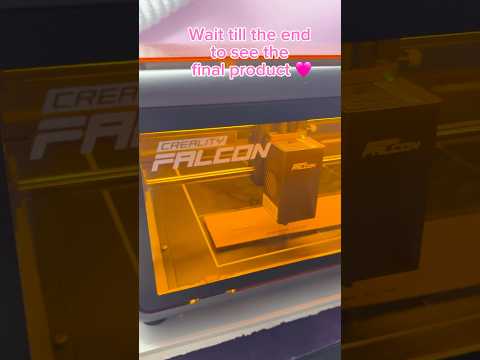
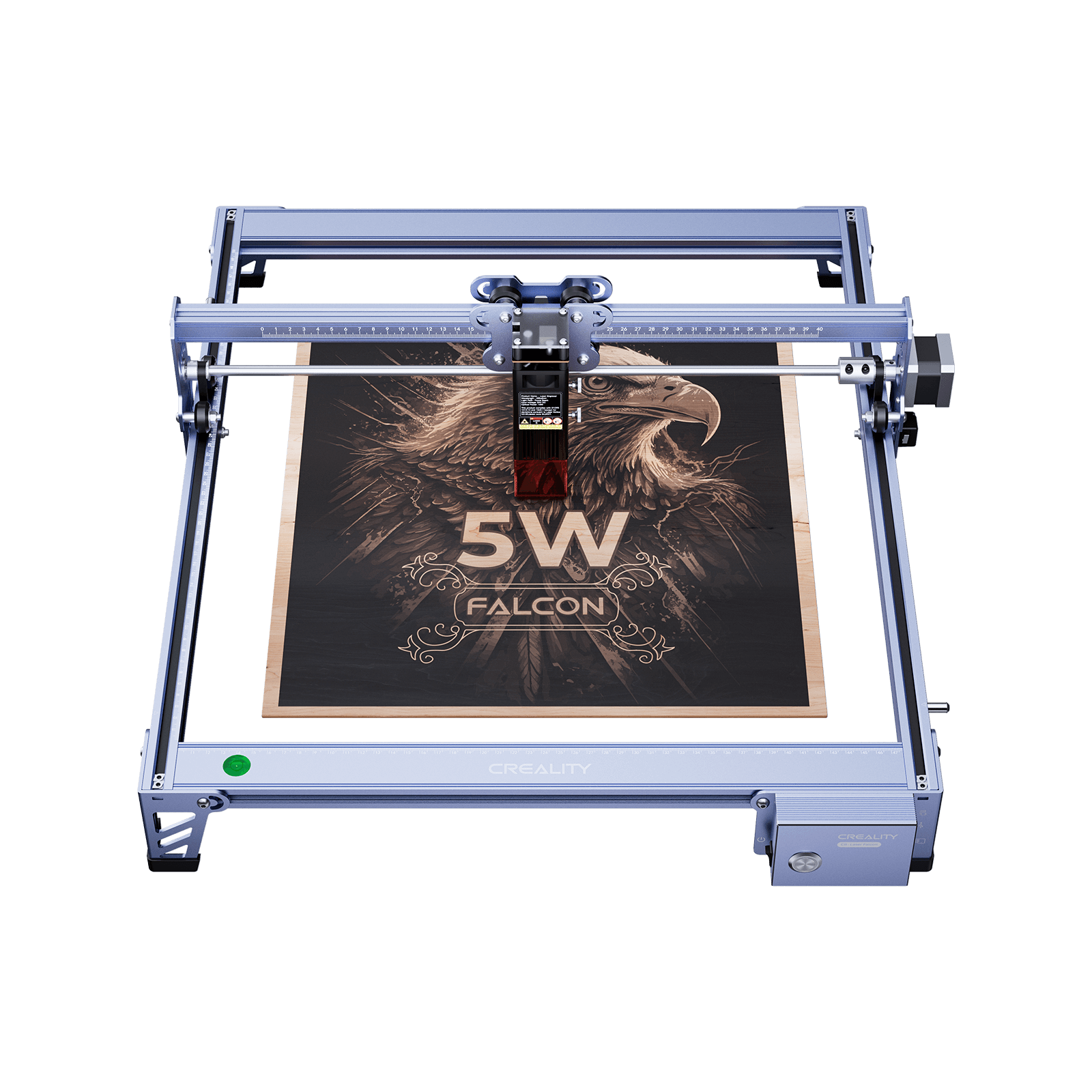
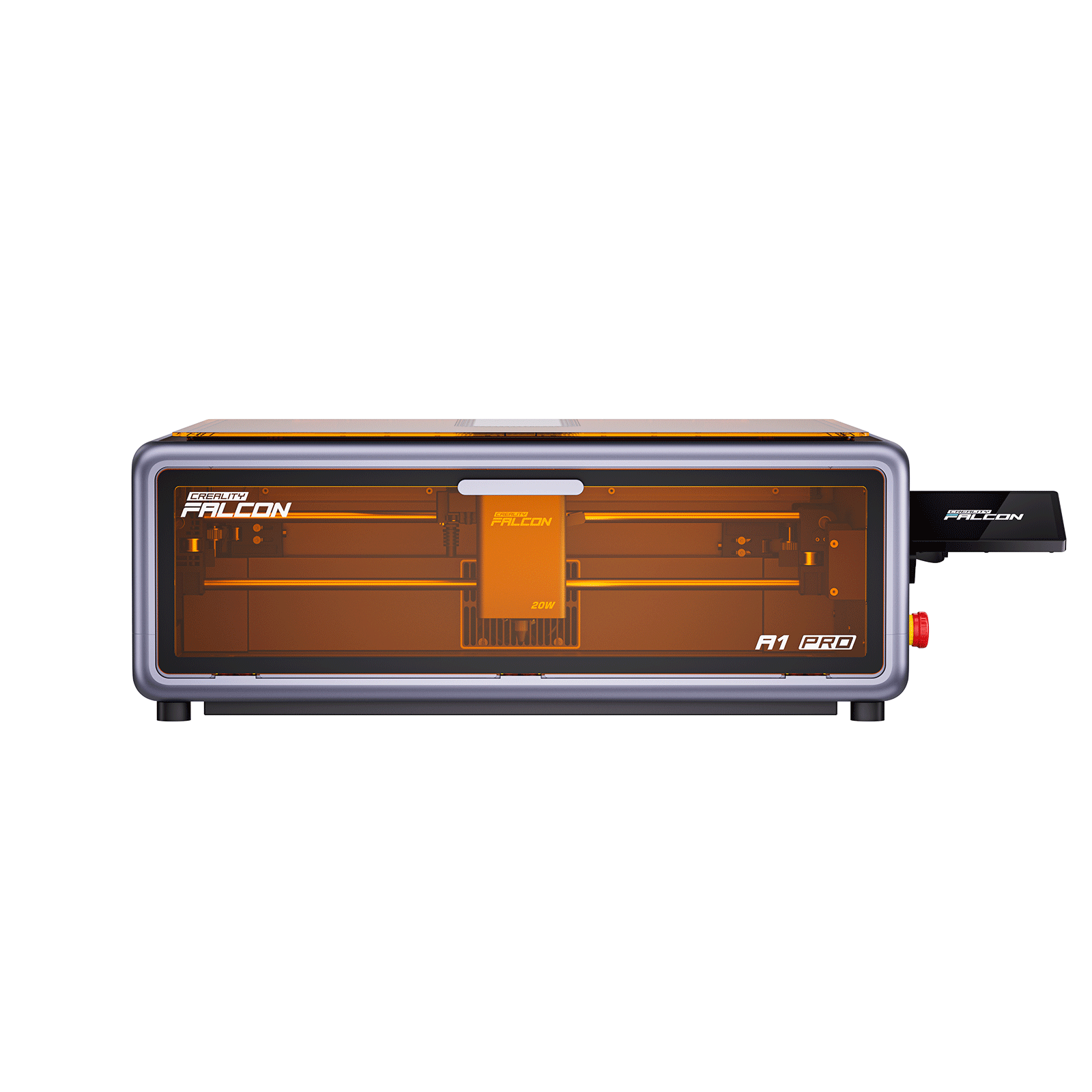
“Creality Falcon A1 Pro Diode Laser Engraver”
Setup Requirements: Space, Ventilation & Power
- Dedicated Space: Use a stable, fire-resistant surface and maintain clearance around the machine. Keep flammable materials away.
- Ventilation (Non-Negotiable): CO₂ lasers must vent directly outdoors. Indoor venting or passive filtration alone is unsafe.
- Power: Most machines require a dedicated 15–20 amp circuit. Check your electrical capacity carefully.
- Cooling: A water chiller (CW-3000 or CW-5000 class) is essential to maintain tube lifespan and performance.
Legal, Insurance & Home Safety Considerations
Before installing a CO₂ laser at home:
- Check rental or HOA rules.
- Understand home insurance implications.
- Avoid unattended operation under any circumstances.
- Maintain clear fire-safety access.
These points are often ignored but critically important.
Safety First: Non-Negotiable Rules
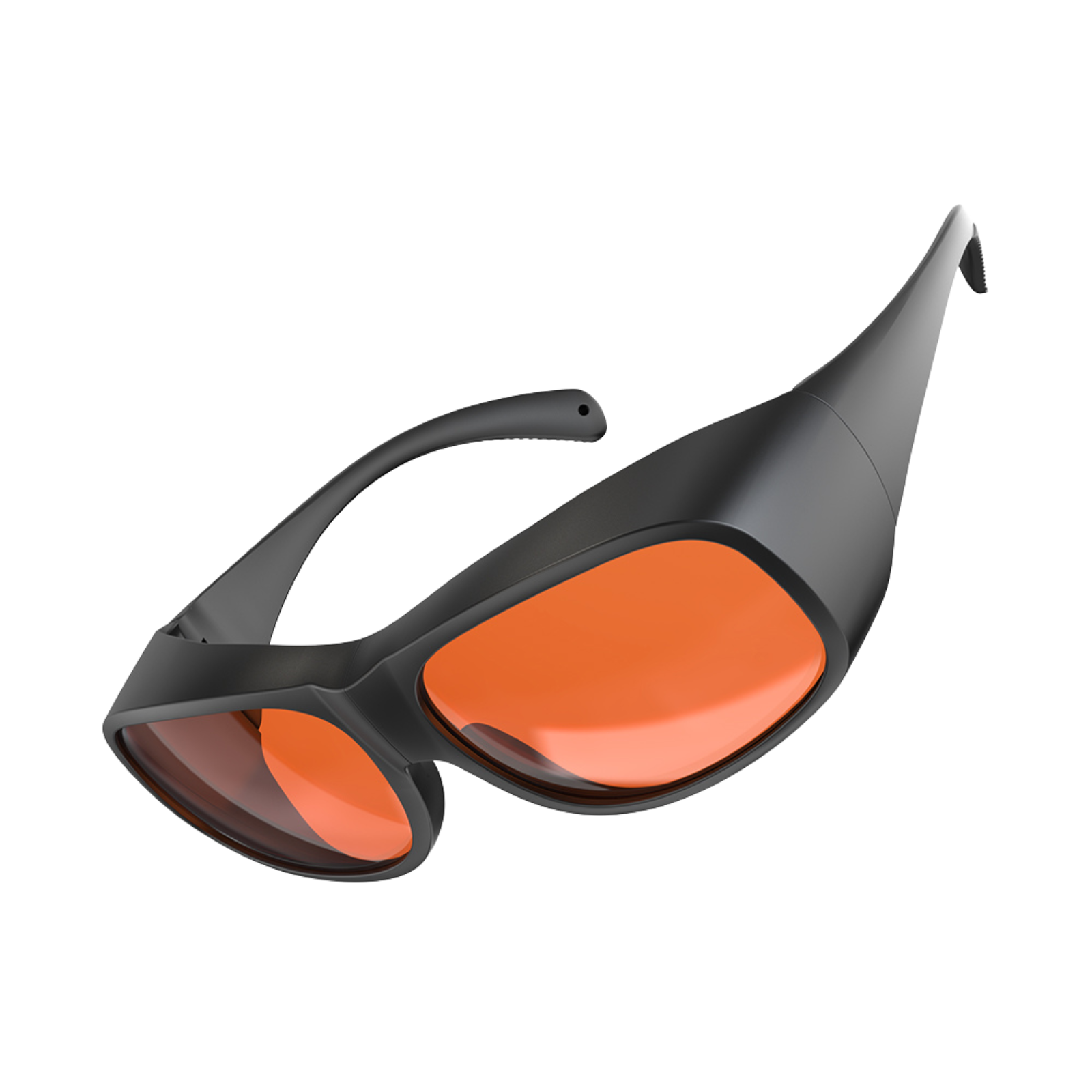
- Wear proper CO₂-rated laser safety goggles.
- Never leave the machine unattended.
- Keep a fire extinguisher nearby.
- Maintain strict access control around children and pets.
Materials: What You Can and Cannot Use
Excellent Materials:
- Wood, plywood
- Acrylic
- Leather
- Paper and cardboard
- Fabric
- Rubber
- Glass, ceramic, stone (engraving only)

Avoid Completely:
- PVC and vinyl (toxic chlorine gas)
- Unknown plastics
CO₂ lasers cannot cut raw metal, though coated metals may be engraved.
Realistic Costs Beyond the Purchase Price
Machine Cost:
$2,000–$6,000 for home-grade CO₂ systems.

"xTool P2S 55W Desktop CO2 Laser Cutter"
Ongoing Monthly Costs (Estimate):
- Electricity: moderate
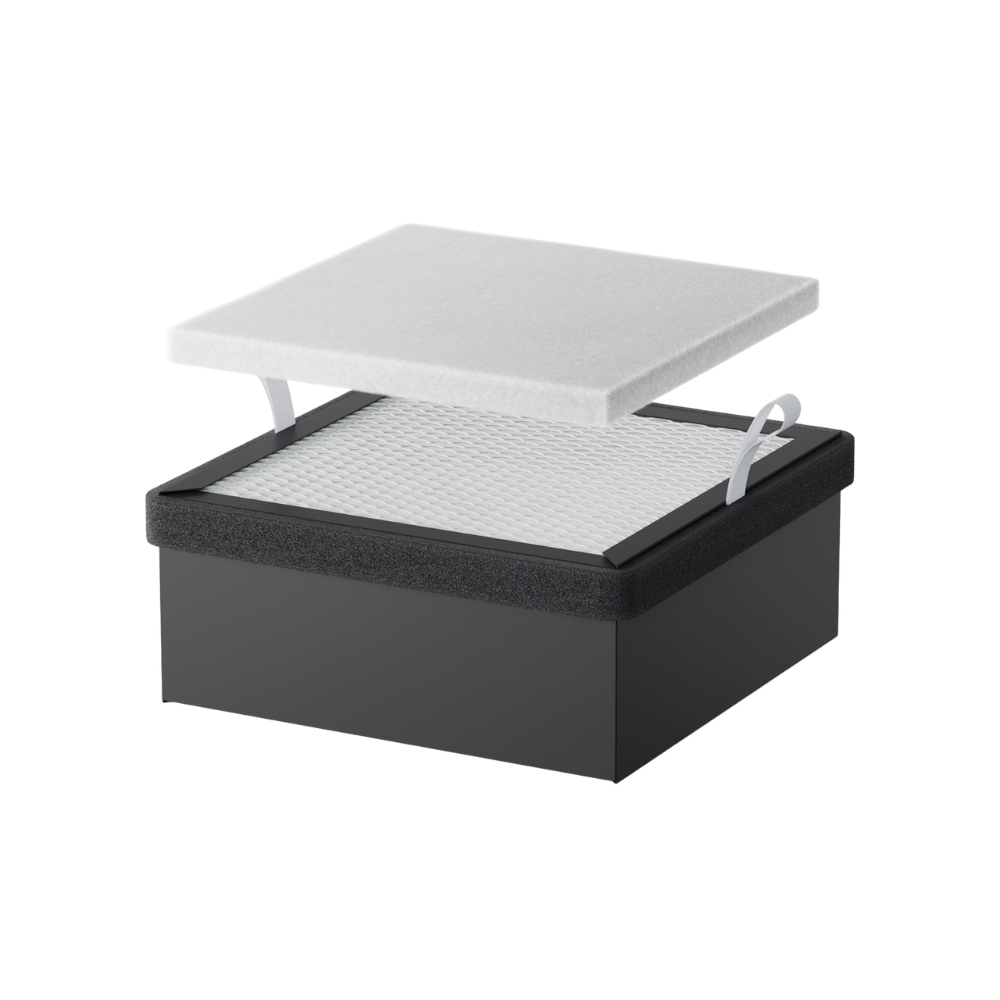
- Filter replacements (if used): ongoing
- Cooling water & additives
- Material stock
Long-Term Costs:
- Laser tube replacement (1,000–2,000 hours)
- Mirrors and lenses
Why Many Home Users Ultimately Choose Diode Lasers
Despite CO₂ performance advantages, many home users choose diode lasers because:
- Smaller footprint
- No water cooling
- Easier ventilation
- Lower upfront and long-term cost
- Quieter operation
This doesn’t make CO₂ lasers “worse”—just more demanding.
Beginner Mistakes to Avoid
- Underestimating ventilation needs
- Skipping test cuts
- Ignoring water temperature
- Cutting thick materials too fast
- Running unattended
Avoiding these mistakes saves money and frustration.
Final Thoughts: Is a CO₂ Laser Engraver at Home Worth It
A CO₂ laser engraver at home can be an incredible creative tool if your space, budget, and expectations align.
It offers unmatched performance on non-metal materials, but demands serious preparation.
For many home creators, a diode laser engraver is a smarter first step.
For those ready to commit, a CO₂ laser can unlock professional-level results from a home workshop.
Recent News

12 World Cup Laser Engraving Ideas for Fans
Explore world cup laser engraving ideas for fan gifts, tumblers, coasters, signs, and safe soccer-inspired designs makers can...

What Materials Does a Laser Cutter Cut Safely
Find out what materials does a laser cutter cut, which plastics to avoid, and how CO2, diode, and...

7 Best Laser Engravers Under $1000
Quick Answer:The best laser engraver under $1000 should be chosen by total setup cost, not machine price alone.For most...