
























CO2 vs. Diode Laser: Choosing Your Perfect Engraver/Cutter

If you're diving into the exciting world of laser engraving and cutting, you’ve probably stumbled upon two big contenders: CO2 and Diode laser engravers.
This isn’t a casual choice—it directly affects what you can make, how fast you can make it, and how much you’ll spend.
As someone who’s spent years navigating these waters, I can tell you the confusion is real.
My goal here is to strip away the jargon and give you a clear, no-nonsense comparison so you can pick the best laser for your projects.
Understanding the Basics of Laser Tech
Before we pit them against each other, let’s quickly understand what each laser actually is.
What’s a CO2 Laser
A CO2 laser uses a sealed glass tube filled with a CO2 gas mixture.
Electricity excites the gas to produce a laser beam, which is then directed by mirrors and focused through a lens onto your material.
CO2 lasers are known for strong cutting ability and wide material compatibility, and they’re often seen as the “workhorse” option for serious cutting and engraving.

What’s a Diode Laser
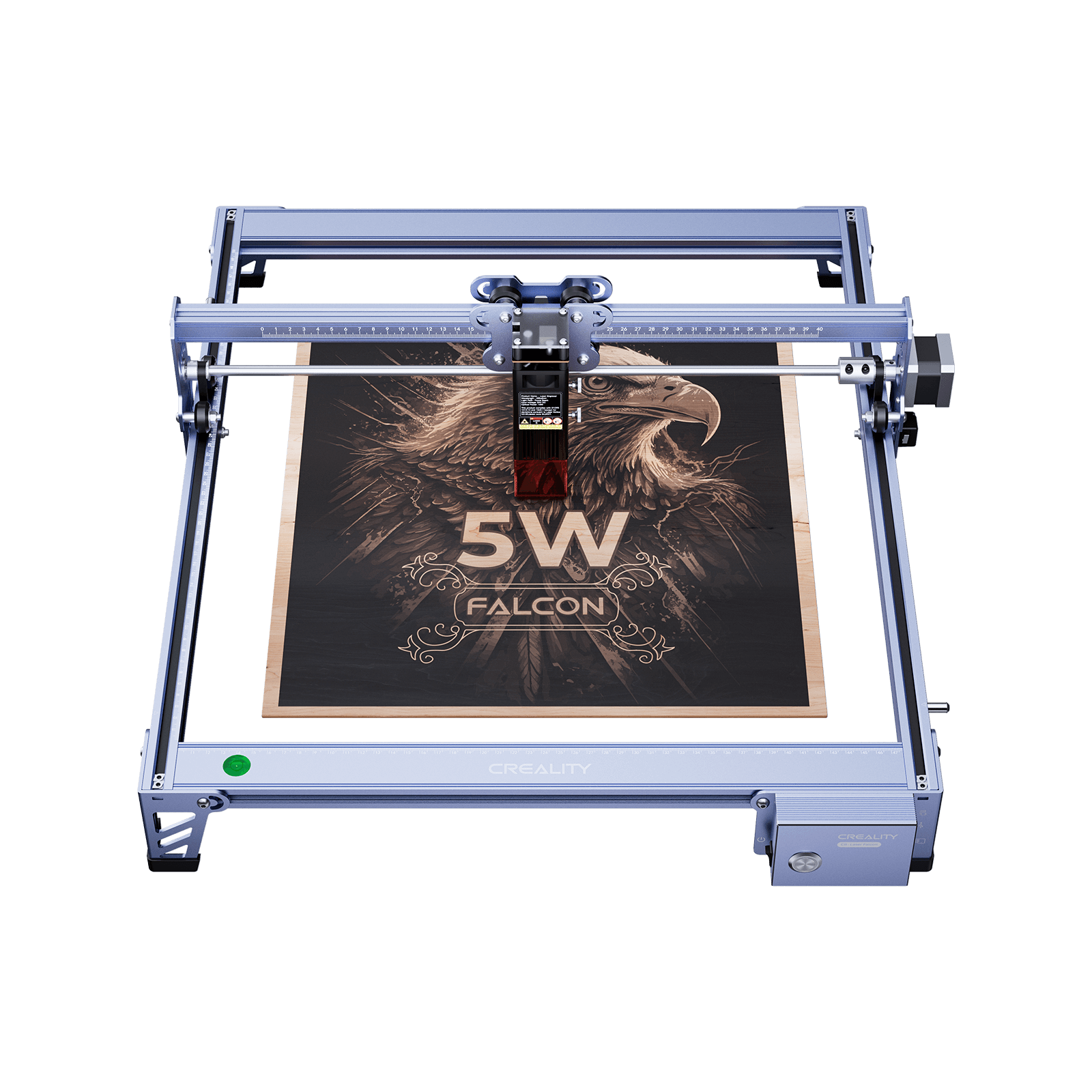
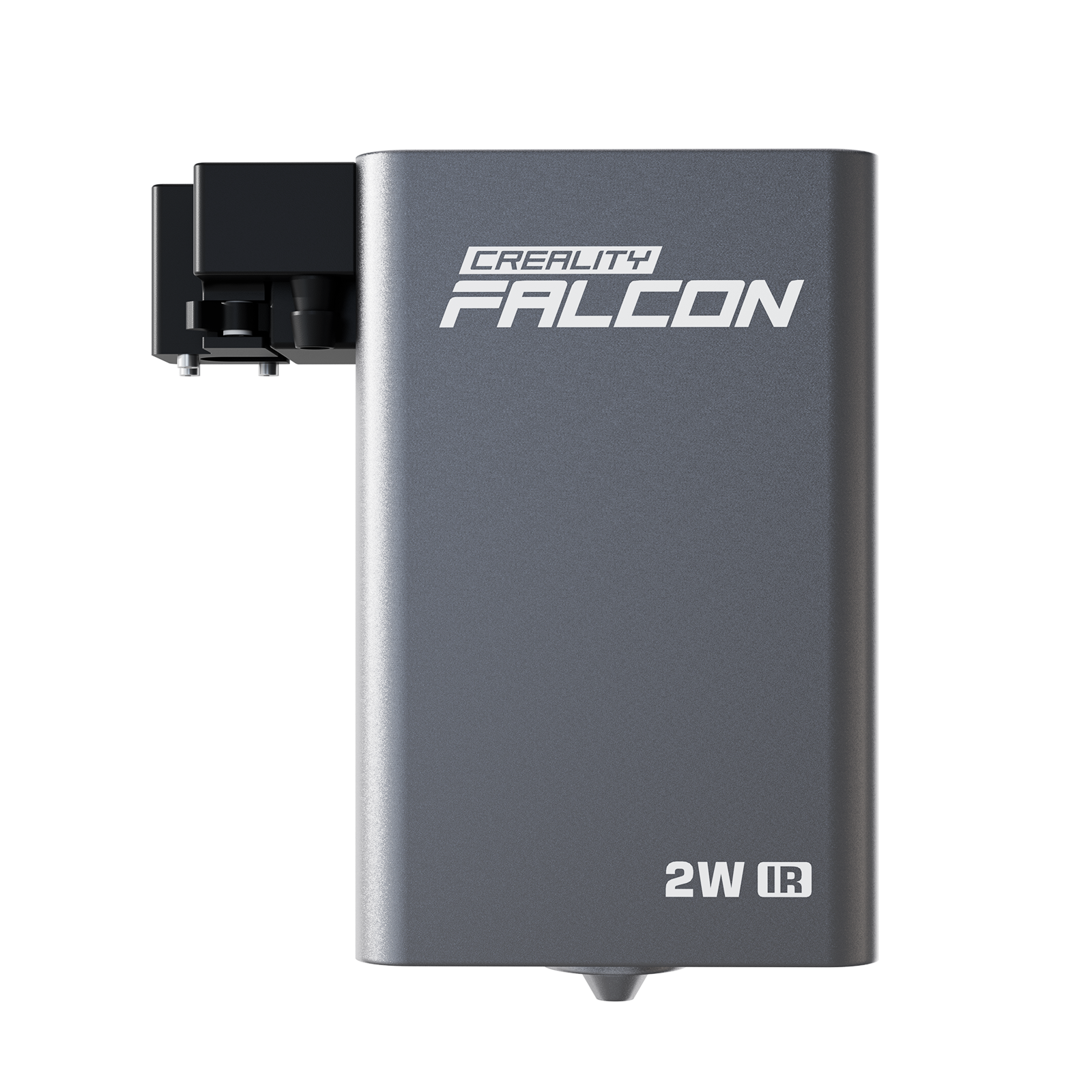
A diode laser works differently.
It uses semiconductor diodes (similar to those in LED technology, but far more powerful) to generate the laser beam directly.
Diode lasers are typically smaller, more compact, and easier to get started with, which is why they’re a popular choice for beginners and hobbyists.
Head-to-Head: Key Laser Differences
Now for the real comparison. Here’s where CO2 and diode lasers truly differ.
Power & Wavelength Explained
CO2 lasers typically deliver higher power and emit an invisible infrared wavelength at 10,600nm, which is absorbed well by many organic materials.
Diode lasers usually offer lower to moderate power and most commonly emit:
- visible blue light around 450nm, or
- invisible near-infrared around 808/980nm
This difference in wavelength is a huge reason their material performance is so different.
Material Versatility & Use
This is where the rubber meets the road.
CO2 excels at:
- Wood
- Acrylic (including clear acrylic)
- Leather
- Paper / fabric
- Rubber
- Glass (engraving/frosting)
- Stone
- Some ceramics
Diode excels at:
- Engraving wood
- Leather
- Paper / fabric
- Dark acrylic (limited)
- Marking on coated/painted metals
Key limitation: diode lasers generally cannot cut or engrave clear acrylic or glass effectively.
Engraving & Cutting Abilities
CO2 lasers provide faster and deeper cutting, and can engrave at high speed with strong performance across a wide range of materials.
If you need to cut thick acrylic with smooth edges, CO2 is hard to beat.
Diode lasers are great for surface engraving—especially on wood and leather.
They can cut thin materials, but it’s usually slower and more limited compared to CO2.
Speed & Precision
- For cutting, CO2 machines are almost always faster—especially as material thickness increases.
- For engraving, CO2 also often has an advantage thanks to its power and high-speed motion systems.
Both technologies can achieve good precision and detail, but CO2 tends to keep performance more consistent over larger work areas and heavier workloads.
Cost: Initial & Running Expenses
Diode lasers are significantly cheaper upfront, which makes them extremely attractive if you’re starting out.
CO2 lasers require a higher initial investment, and they also come with additional operating considerations.
Typical ongoing costs:
- CO2: tube replacement, mirrors/lenses, cooling maintenance
- Diode: long lifespan modules, but replacement isn’t cheap when needed
- Energy: CO2 usually consumes more electricity due to cooling and power demands
Lifespan & Durability
A CO2 laser tube has a finite lifespan—commonly 1,000 to 10,000 hours, depending on tube quality, cooling, and usage.
Diode modules often last 10,000 to 20,000+ hours, though power can slowly degrade over time.
Size, Portability & Workspace
Diode lasers are typically compact and lightweight, often suitable for small workshops or tabletop setups.
CO2 machines are larger and heavier and require:
- proper ventilation for fumes
- more dedicated workspace
- usually a water cooling setup (often with an external chiller)

Cooling Systems Compared
- CO2 lasers generally require water cooling, often with a separate chiller to keep the tube stable.
- Diode lasers are usually air-cooled via heatsinks and fans, making the overall setup much simpler.
Safety First: What You Need
Safety matters with both.
- CO2 lasers emit an invisible beam (10,600nm) and are typically enclosed, but you still need proper safety practices and ventilation.
- Diode lasers often come in open-frame designs, meaning extra caution is required to avoid accidental exposure.
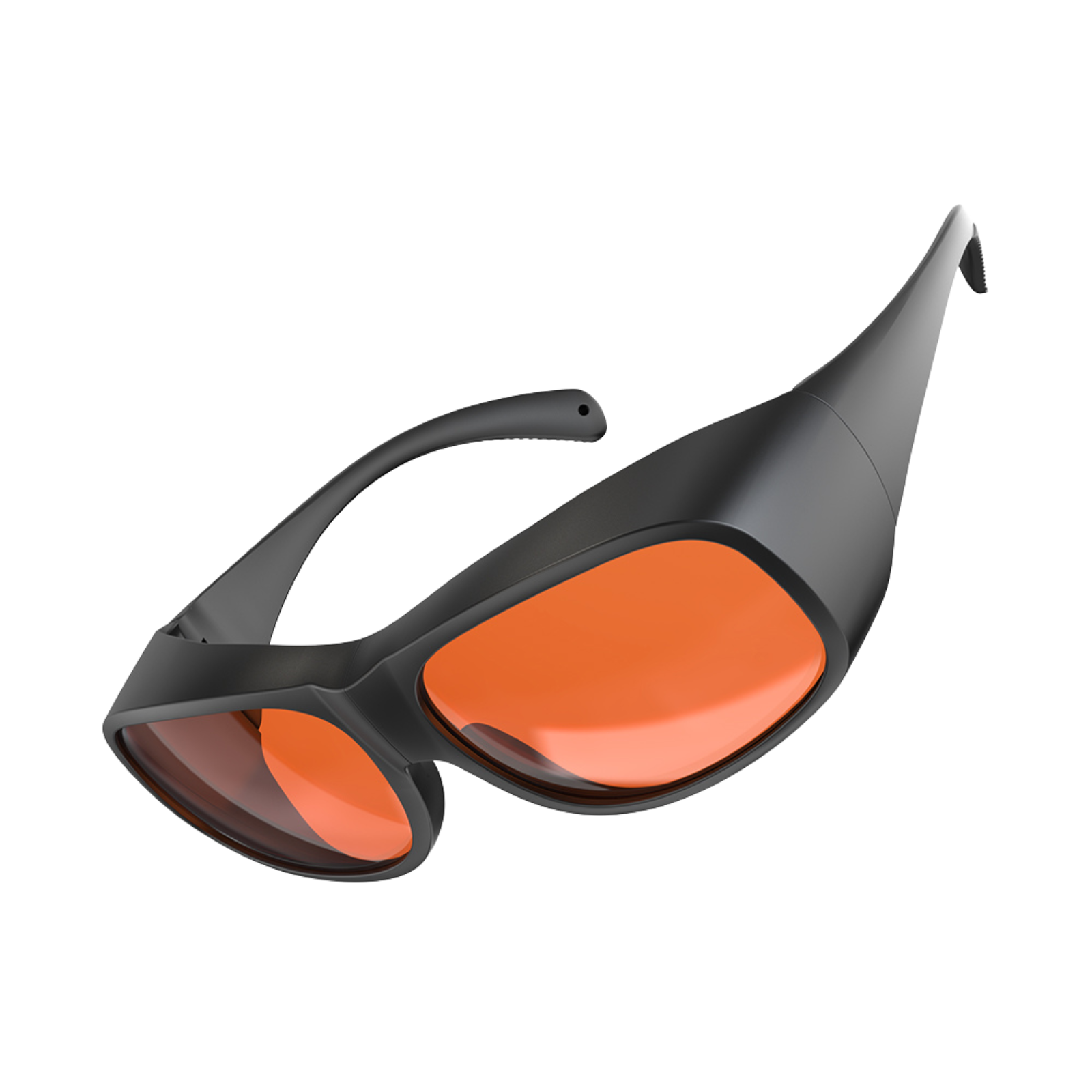
Always use correct laser-rated eye protection for the wavelength you’re working with, and prioritize ventilation and fire safety.
CO2 vs. Diode Laser: Quick Comparison Table
|
Category |
CO2 Laser |
Diode Laser |
|
Typical Wavelength |
10,600nm (IR) |
~450nm (Blue) / 808–980nm (NIR) |
|
Power Output |
Higher |
Lower to moderate |
|
Best Use |
Cutting + fast engraving |
Engraving + light cutting |
|
Wood |
Excellent |
Great (engraving), limited cutting |
|
Acrylic |
Excellent, incl. clear |
Clear acrylic doesn’t work well |
|
Glass |
Engraving/frosting |
generally ineffective |
|
Cutting Thickness |
thicker materials |
thin only, slow |
|
Speed |
faster overall |
slower cutting |
|
Upfront Cost |
Higher |
Lower |
|
Running Costs |
Tube/optics/cooling |
Module replacement later |
|
Cooling |
Water cooling |
Air cooling |
|
Size/Portability |
Large/less portable |
Compact/portable |
|
Maintenance |
More maintenance |
Less maintenance |
Choosing Your Laser: Who Wins For You
Applications & Materials Focus
If you mainly want to engrave wood and leather for custom gifts, a diode laser is a strong option.
If you need to cut acrylic sheets (especially clear acrylic), wood boards, or do production-level cutting, you’ll want a CO2 machine.
Budget & ROI Goal
Diode lasers are great if your budget is tight and you’re just getting into laser work.
If you run a business where speed and versatility matter, CO2 can deliver faster ROI because it expands what you can sell and how much you can produce.
Workspace & Environment Needs
If space is limited, or you want something easy to move around, diode wins.
If you have a dedicated workshop with proper ventilation, CO2 opens the door to much more powerful and professional work.
Future-Proofing Your Investment
If you anticipate:
- broader material range
- higher production speed
- thicker cutting needs
…then going CO2 from the beginning may save you from upgrading later.
Conclusion: Making Your Final Pick
Both CO2 and diode lasers are excellent tools—but they serve different needs.
Choose a Diode Laser if:
- you’re a beginner/hobbyist
- budget matters
- you mainly engrave wood/leather
- you need a compact setup
Choose a CO2 Laser if:
- you need thicker cutting (especially clear acrylic)
- you want speed and production efficiency
- you have a bigger budget and dedicated workspace
- your projects require maximum versatility
Ultimately, the “best” laser is the one that fits your materials, workspace, and goals.
Frequently Asked Questions (FAQs)
Can a diode laser cut clear acrylic?
Generally no.
Clear acrylic doesn’t absorb diode wavelengths well, so cutting and engraving results are poor. You’ll need a CO2 laser for clear acrylic.
Are CO2 lasers hard to maintain?
They require more maintenance than diode lasers—mainly cleaning optics and managing water cooling—but it’s manageable with good habits.
What’s the max cutting thickness for a diode laser?
Diode lasers can cut thin materials like 3–5mm wood, but it’s often slow and needs multiple passes.
CO2 handles thicker cutting much better.
How much does a CO2 tube replacement cost?
CO2 tubes can range from a few hundred to over a thousand dollars, depending on wattage and brand, so it’s an important long-term cost to consider.
Can you upgrade a diode laser into a CO2 laser?
No.
They are completely different technologies and require different hardware and machine designs. You’d need a separate CO2 machine.