

























How to Choose the Right Engraver Engraving Machine

Before buying an engraver engraving machine, the first step is to identify the types of projects it needs to handle.
Different applications require different machines.
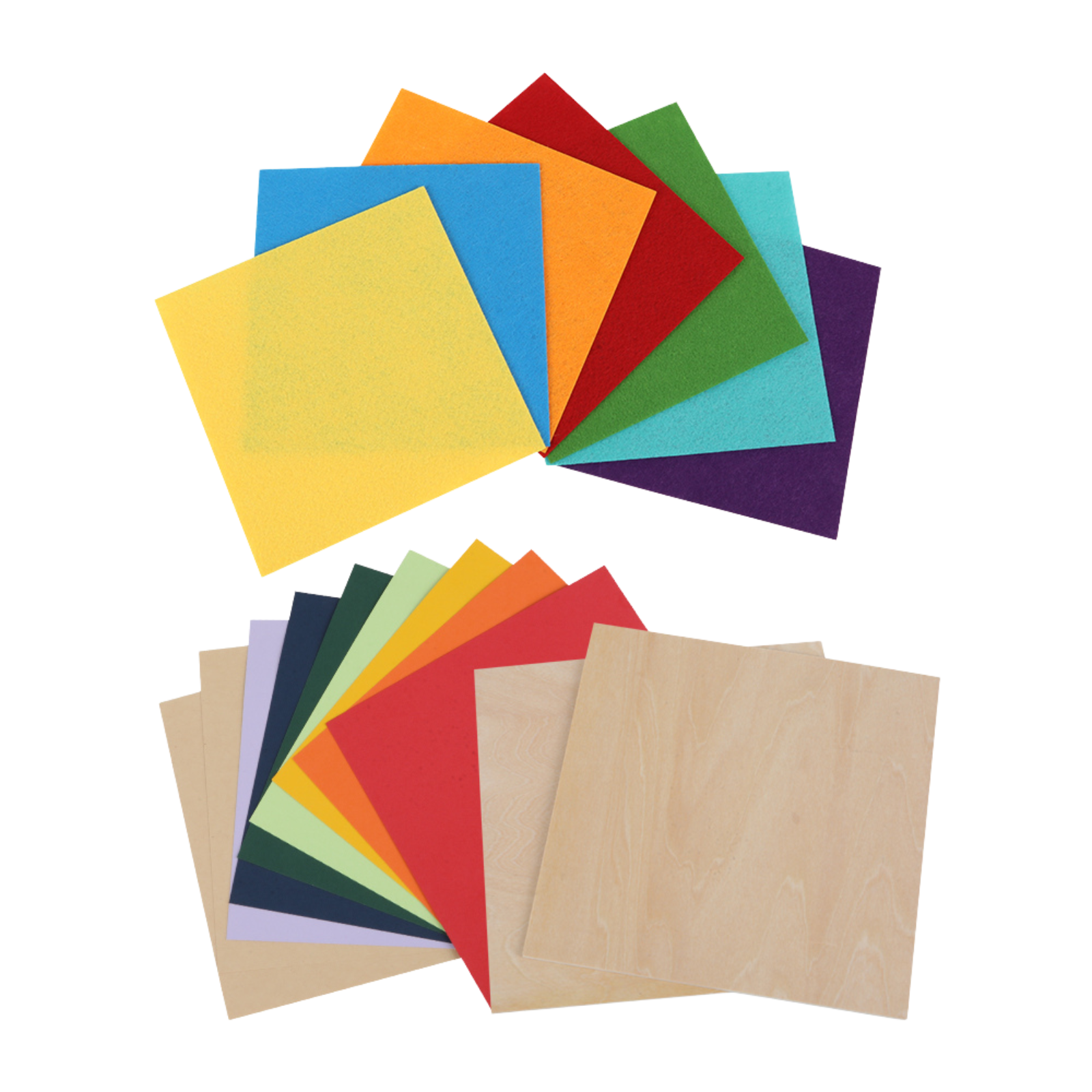
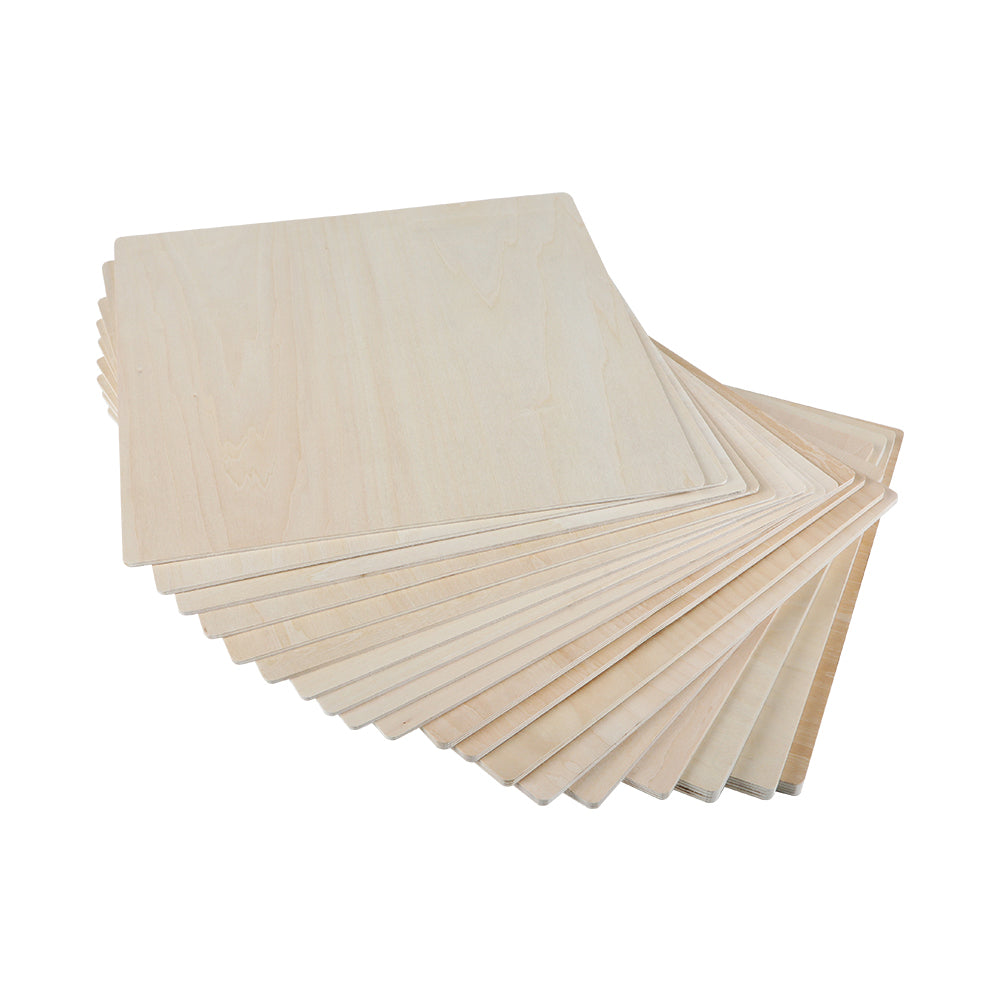
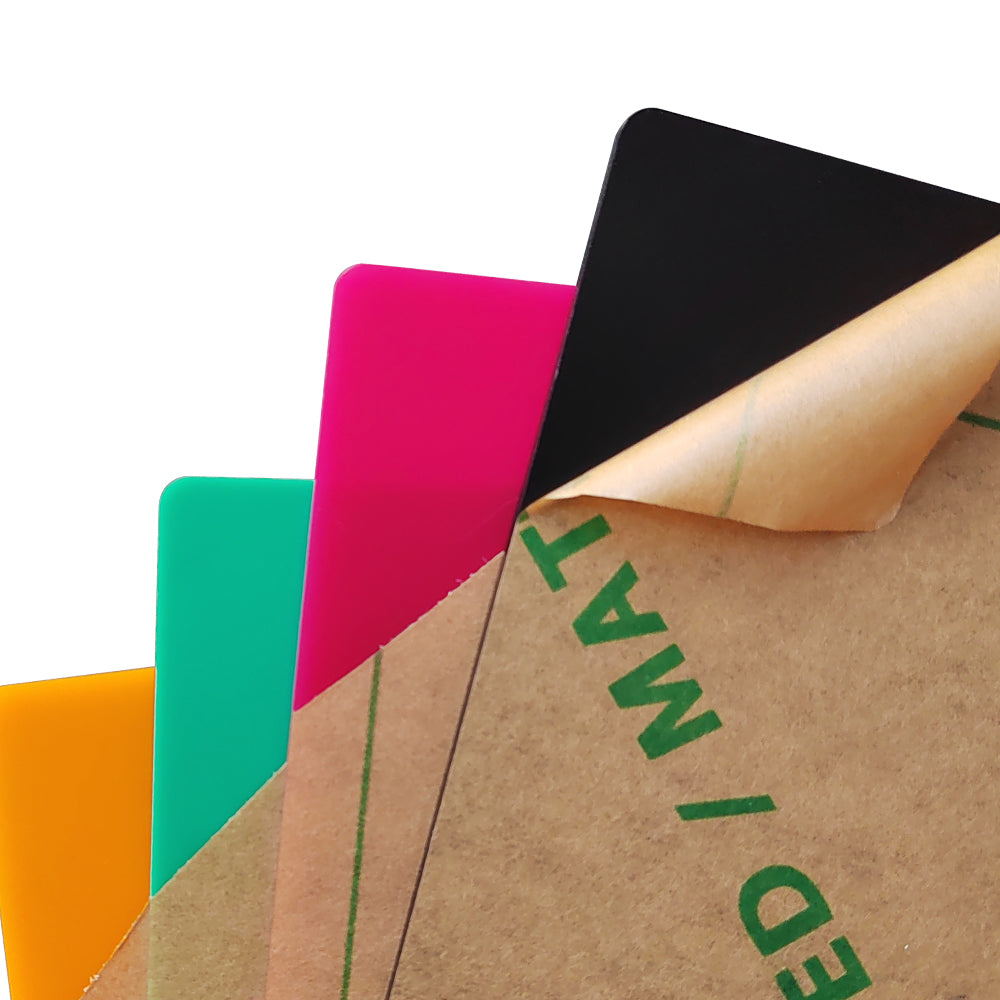
Makers working with wood, acrylic, or leather usually do well with diode laser engravers, as these materials are easy to engrave and don’t require extremely high power.
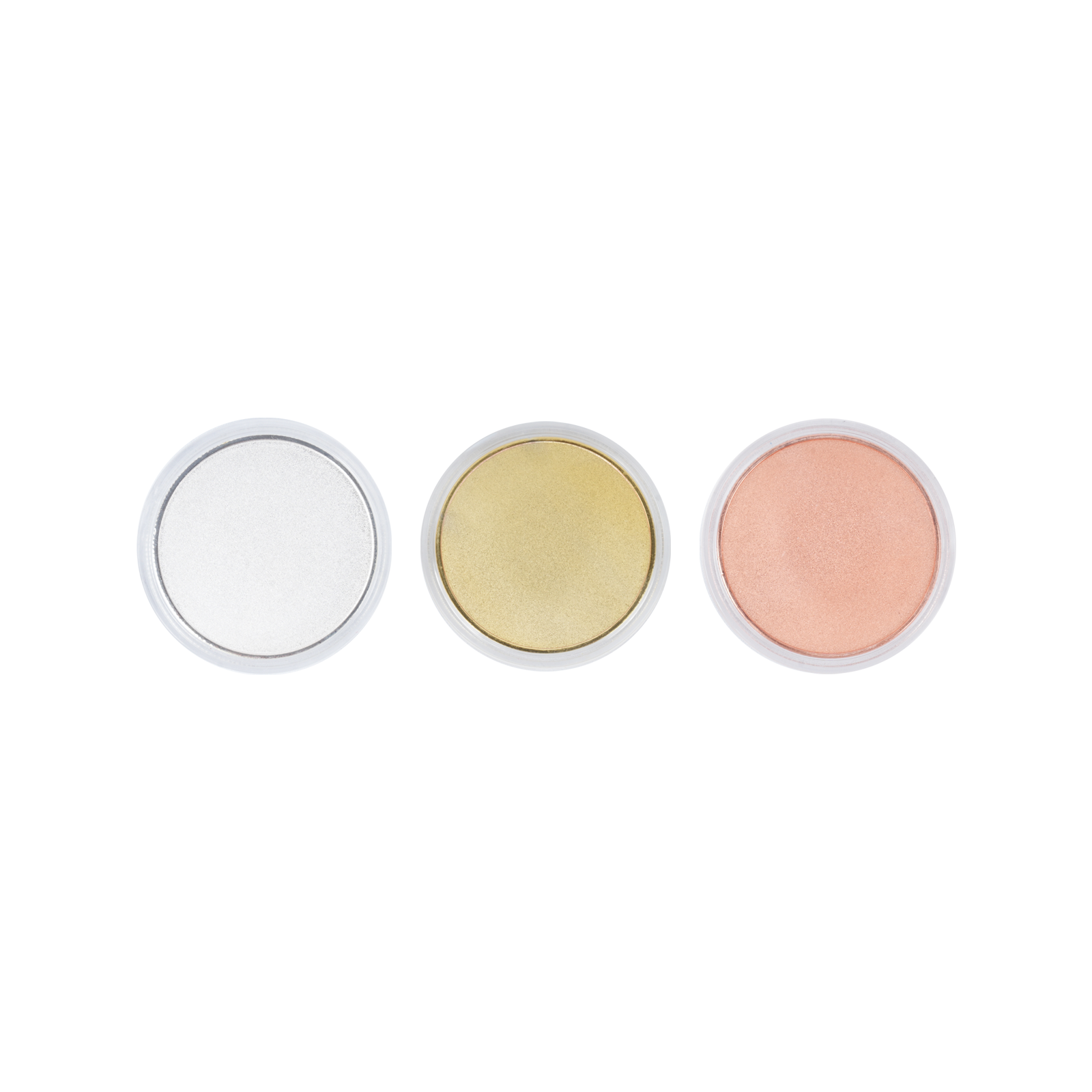
However, projects involving metal parts, serial numbers, or jewelry often require more specialized equipment, such as fiber lasers or rotary engraving machines.
Production needs also matter.
Hobbyists typically prefer compact, easy-to-use desktop machines, while small businesses often prioritize speed, repeatability, and larger work areas for batch production.
Understanding these needs early helps avoid a common mistake—buying a machine that is either overpowered or too limited for the intended projects.
What Is an Engraver Engraving Machine
An engraver engraving machine is a device designed to permanently mark, carve, or etch designs, text, or patterns onto the surface of different materials.
These machines use either a laser beam or a mechanical cutting tool to remove a small layer of material, creating precise and durable markings.
Modern engraving machines are commonly used on materials such as wood, acrylic, leather, glass, plastic, and metal.
Depending on the technology, they can produce anything from simple text labels to highly detailed artwork.
There are several main types of engraver engraving machines.
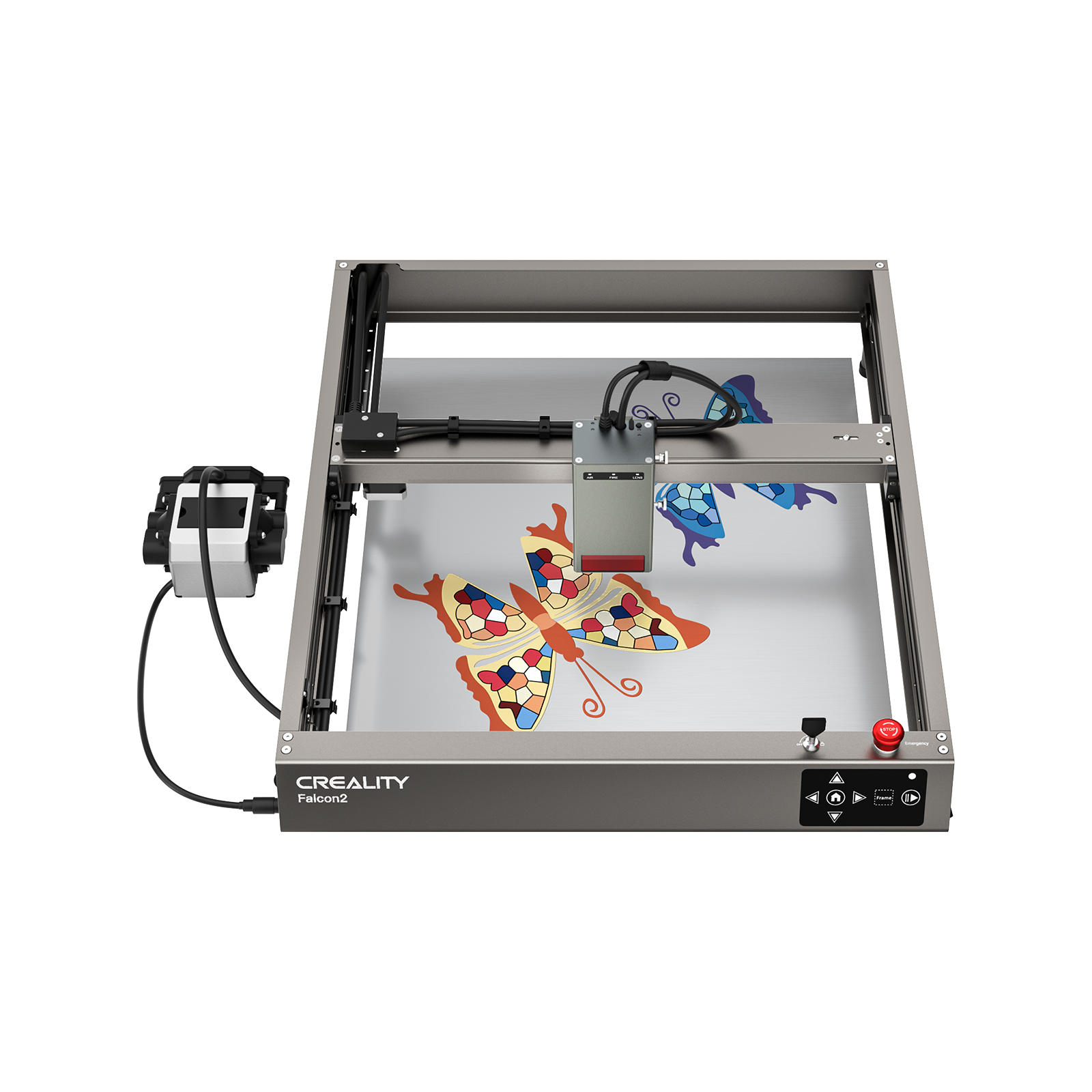
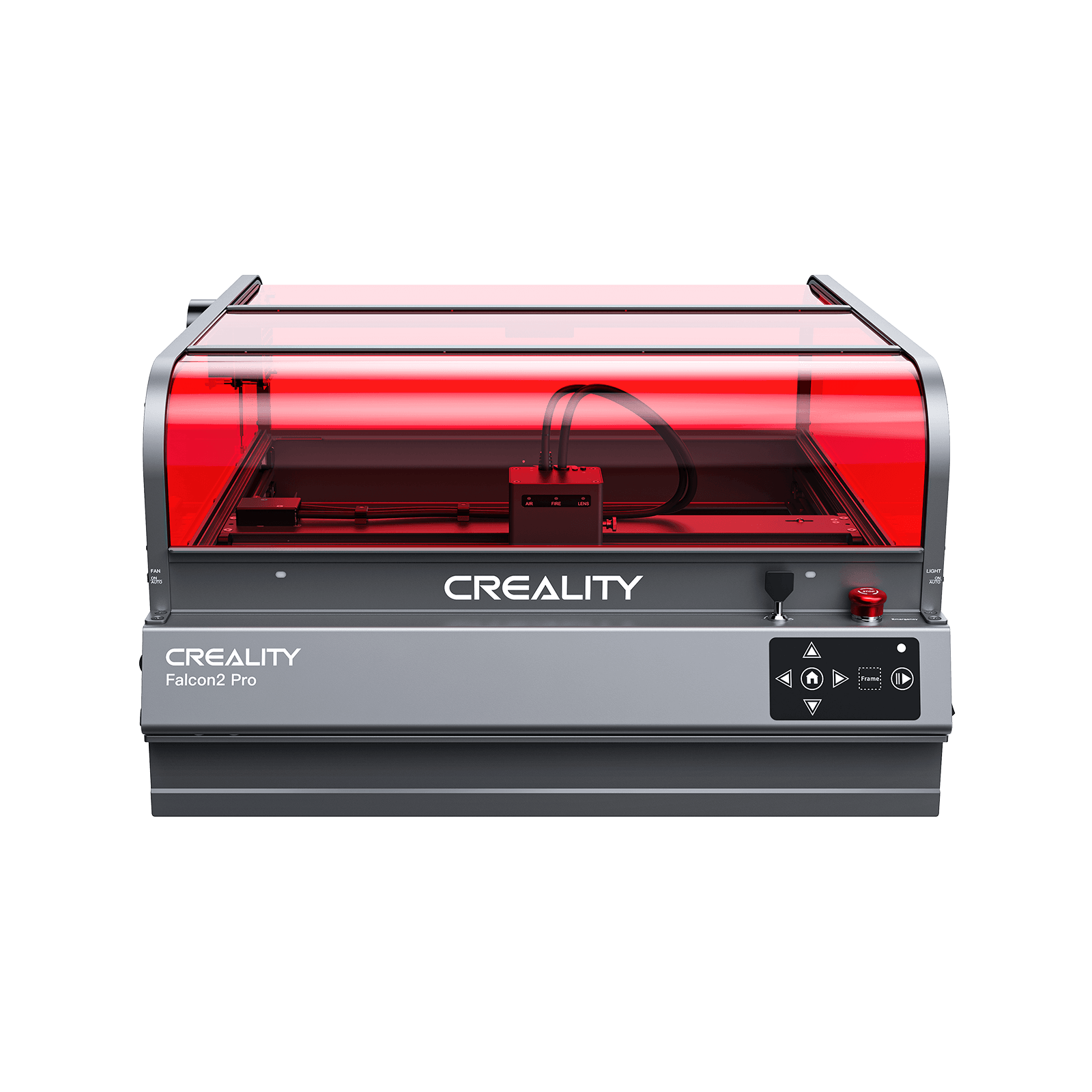
- Laser engravers use a focused beam of light to burn or vaporize the surface, making them popular for hobbyists and small businesses because they are fast, precise, and require minimal maintenance.
- Rotary engravers use a spinning cutting bit to physically carve into the material, which allows for deeper engraving on metals and curved surfaces.
- CNC engraving machines use computer-controlled tools to cut and shape materials, offering greater depth and versatility for industrial applications.
Today, laser engraving machines are widely used in craft workshops, product branding, personalized gifts, signage production, jewelry making, and industrial part marking, making them a versatile tool for both creative projects and commercial manufacturing.

How to Pick an Engraver Engraving Machine
Once the machine type is clear, the next step is understanding the specifications that actually matter.
Four key factors usually determine whether an engraving machine fits a workshop workflow: laser type, laser power, work area size, and software compatibility.
1. The laser type directly affects which materials the machine can engrave.
The most common technologies include diode, CO₂, and fiber lasers.
2. The laser power depends on the laser type. Lower-power diode lasers in the 10W–40W range work well for materials such as wood, leather, acrylic, and coated metals.
These machines are widely used for hobby projects, craft businesses, and personalized gift production.
- CO₂ lasers are typically more powerful and versatile for non-metal materials.
They can engrave and cut thicker wood, acrylic, rubber, leather, glass, and other organic materials, making them common in sign-making, crafts, and small production workshops.
- For harder materials like stainless steel, deeper metal engraving usually requires fiber lasers or rotary engraving tools, which are designed specifically for metal marking and industrial applications.
3. Work area size is another important factor.
A small engraving bed may be fine for individual projects, but it slows down production if multiple pieces need to be processed at once.
Larger beds allow batch production, which is especially valuable for small businesses producing signs, labels, or product branding.
4. Software compatibility also matters more than many beginners expect.
A good engraver engraving machine should support common design formats like SVG, DXF, and PNG, while also working smoothly with popular software such as LightBurn or manufacturer-provided programs.
Machines with autofocus, positioning cameras, or auto-leveling features can further reduce setup time and improve consistency across production runs.
Understanding the True Cost of an Engraver Machine
The price of an engraver engraving machine is only part of the total investment.
Most machines fall into three common price categories.
- Entry-level engravers usually range from $700 to $2,000. These machines are typically compact diode laser engravers designed for hobby use, small crafts, and personal projects.
- Mid-range or prosumer machines generally cost $2,000 to $5,000. These models provide larger work areas, stronger laser modules, and better build quality, making them suitable for small businesses and makers selling custom products.
- Industrial engraving systems can cost $5,000 or more, offering higher power, faster speeds, and production-grade reliability.
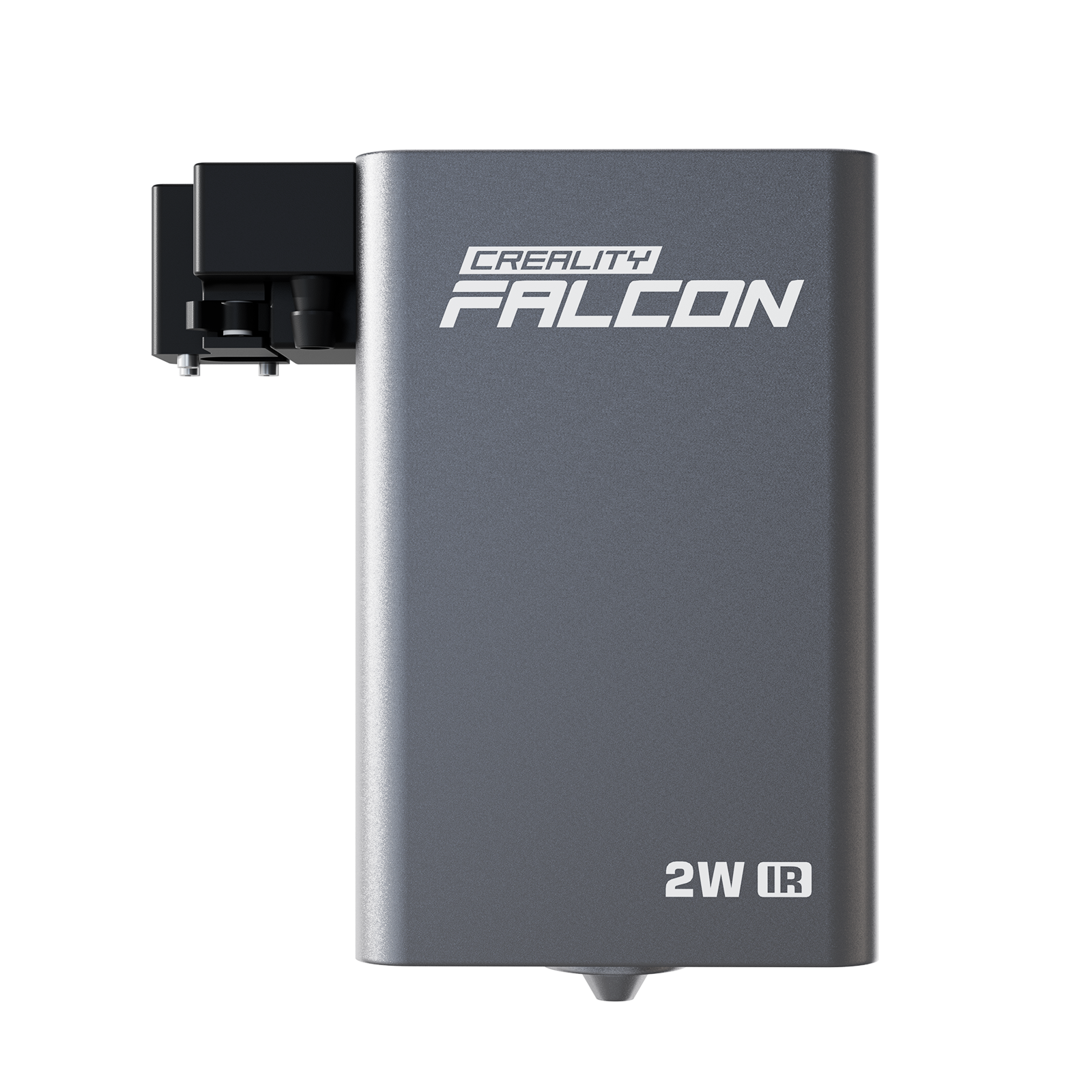
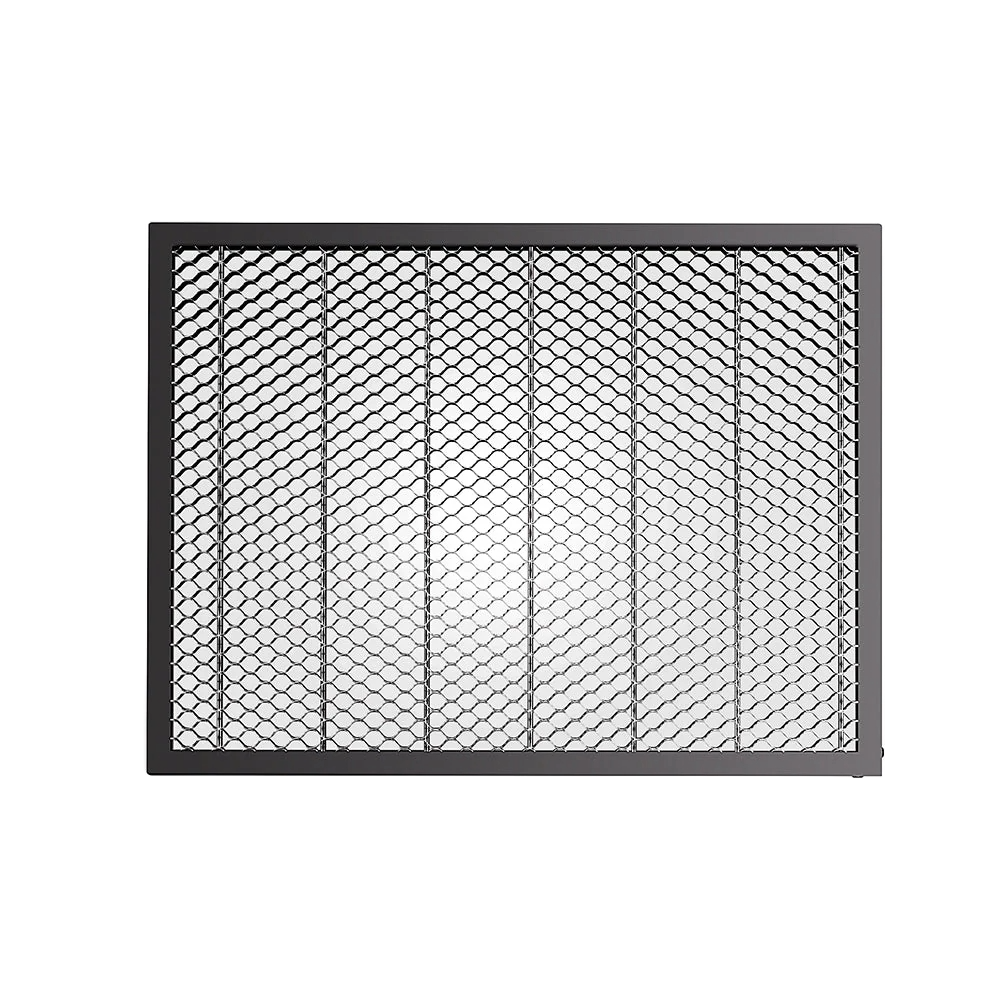
However, the machine itself is only part of the budget. Additional equipment often includes:
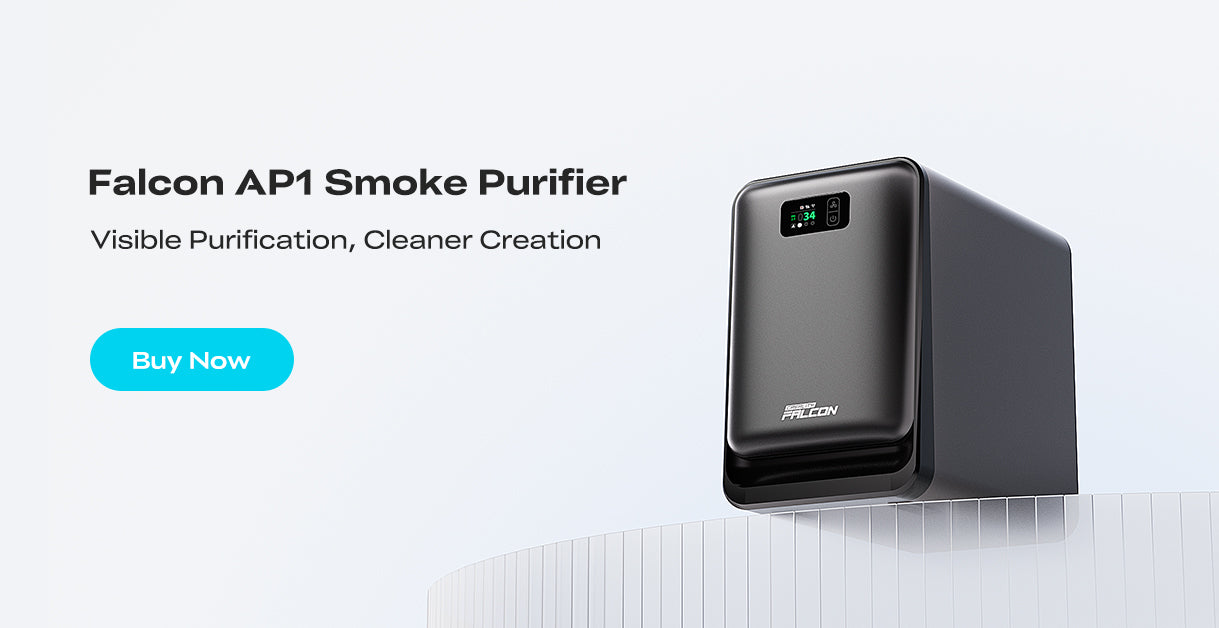
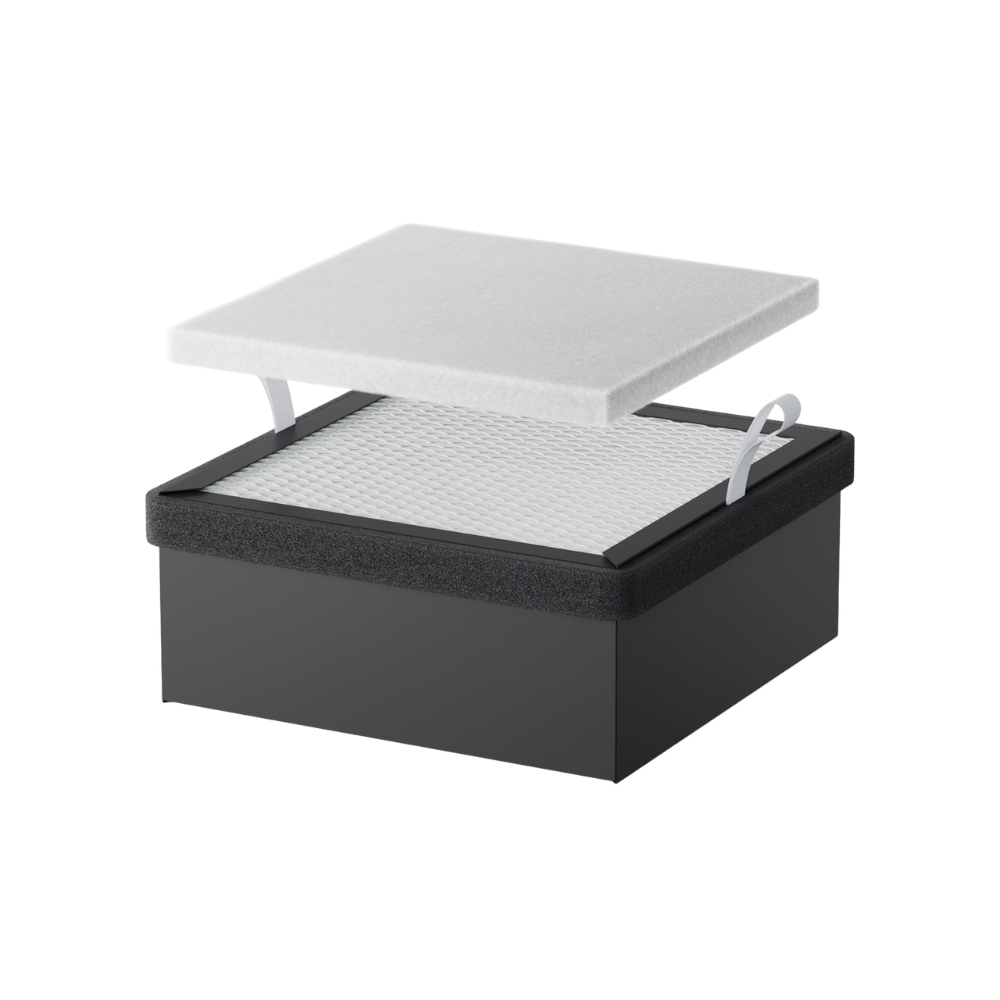
- ventilation or exhaust systems
- air assist units
- rotary attachments
- replacement lenses or cutting bits
- protective enclosures
Over time, users should also expect recurring costs such as electricity, replacement parts, and routine maintenance.
Understanding these operating costs helps buyers avoid surprises after the initial purchase.
Safe Setup and Proper Machine Operation
Setting up an engraver engraving machine safely is just as important as choosing the right model.
The workspace should always include a stable workbench, proper grounding, and adequate ventilation. Laser engraving can produce smoke, fumes, or dust depending on the material being processed.
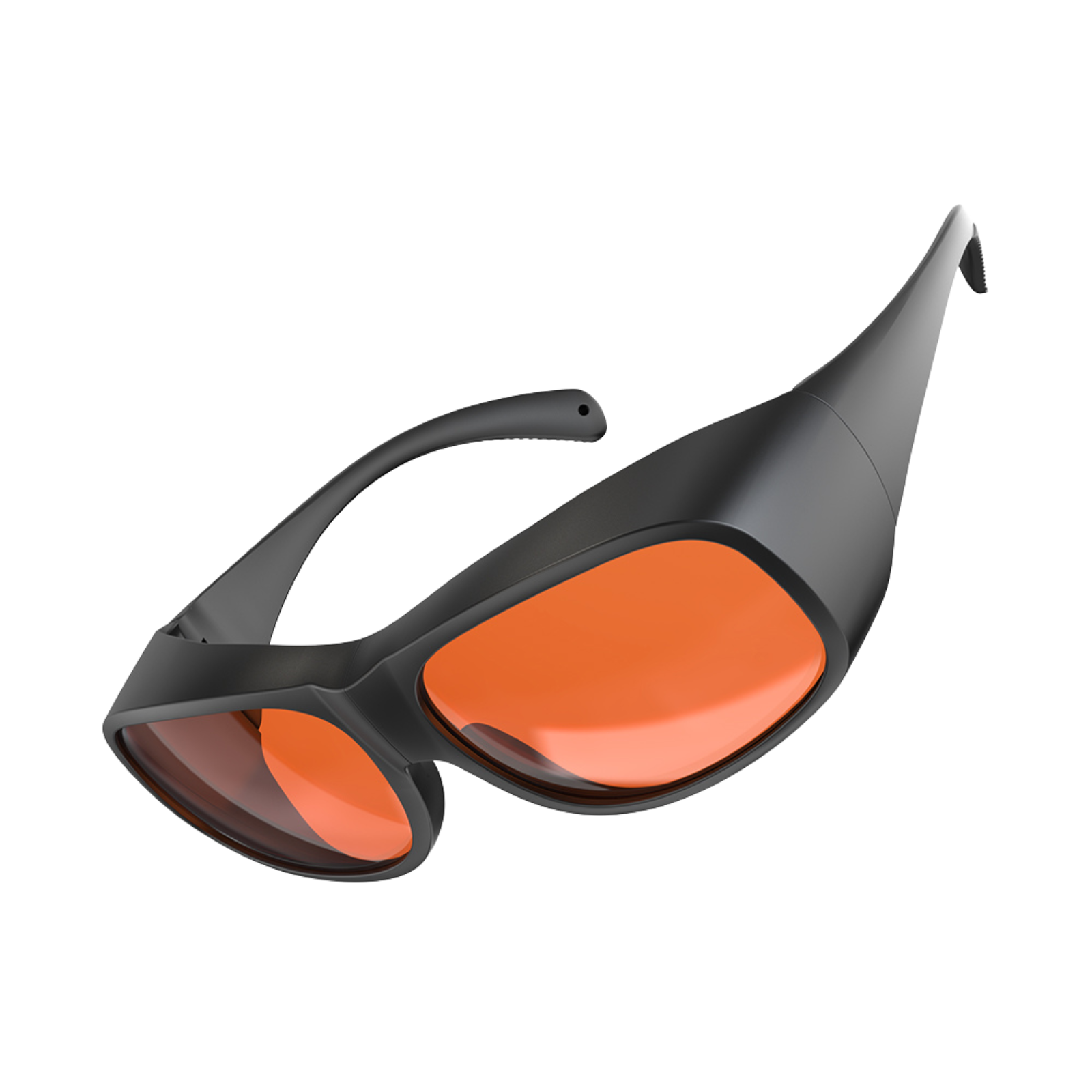
Protective equipment is essential. Operators should use laser safety glasses designed for the specific wavelength of the machine, especially when working with higher-power systems.
Additional precautions include:
- never leaving the machine unattended during operation
- checking exhaust airflow before each job
- confirming that emergency stop buttons function correctly
Routine maintenance also keeps engraving quality consistent. Cleaning lenses, checking belts, and running calibration tests regularly helps maintain accuracy and prevents mechanical issues.
Evaluating Customer Support and Upgrade Potential
When purchasing an engraver engraving machine, the manufacturer’s support system can be just as important as the machine itself.
Reliable vendors usually offer 12–24 month warranties, accessible technical support, and active user communities.
Tutorial videos, sample project files, and troubleshooting guides can significantly shorten the learning curve for beginners.
Upgrade flexibility is another key factor. Some engraving machines allow users to add new components later, such as:
- rotary engraving modules
- higher-power laser heads
- air assist systems
- extended working frames
A modular platform allows a workshop to expand its capabilities without replacing the entire machine.
Best Creality Falcon Engraver for Makers and Small Workshops
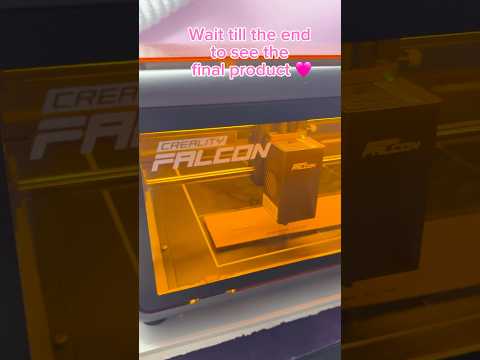
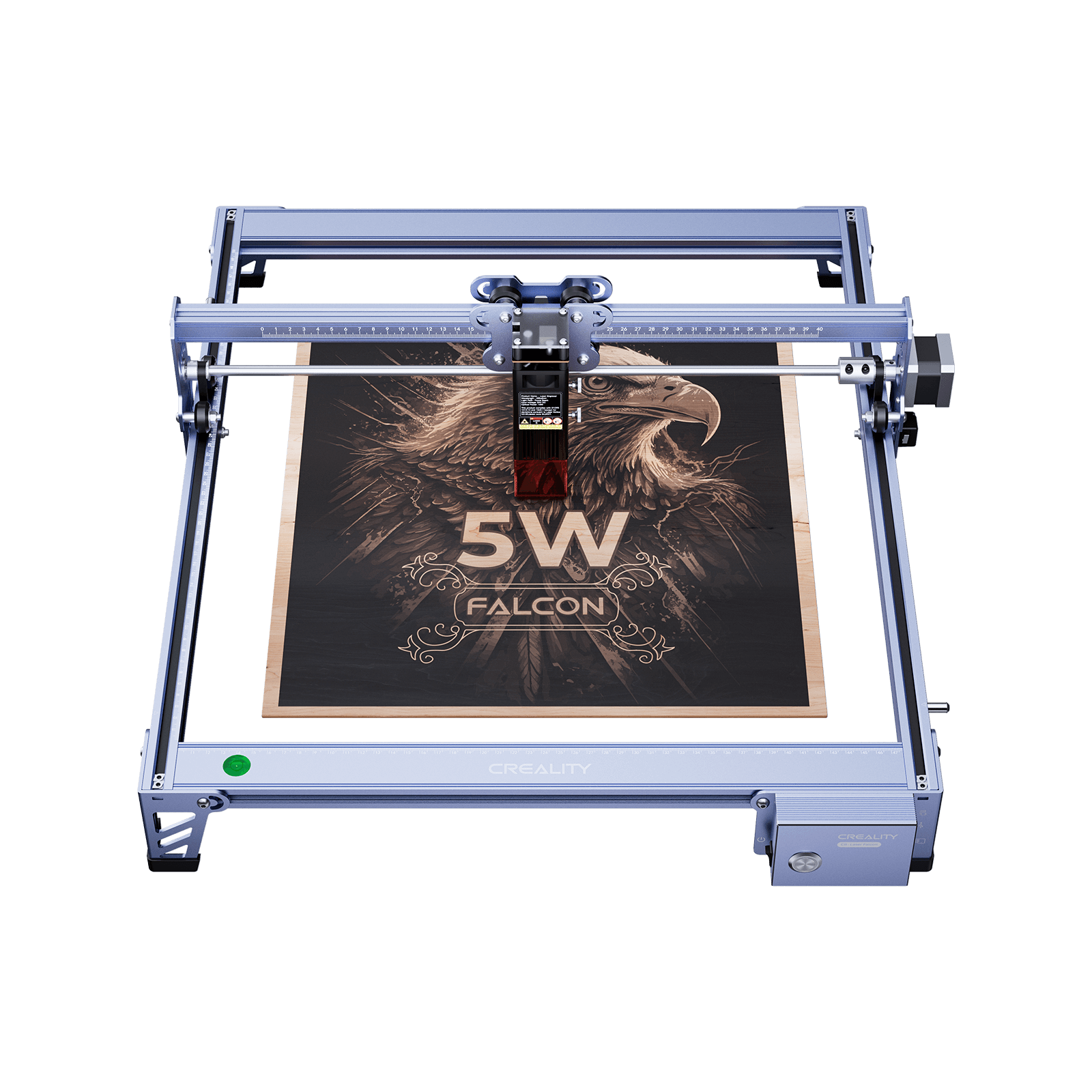
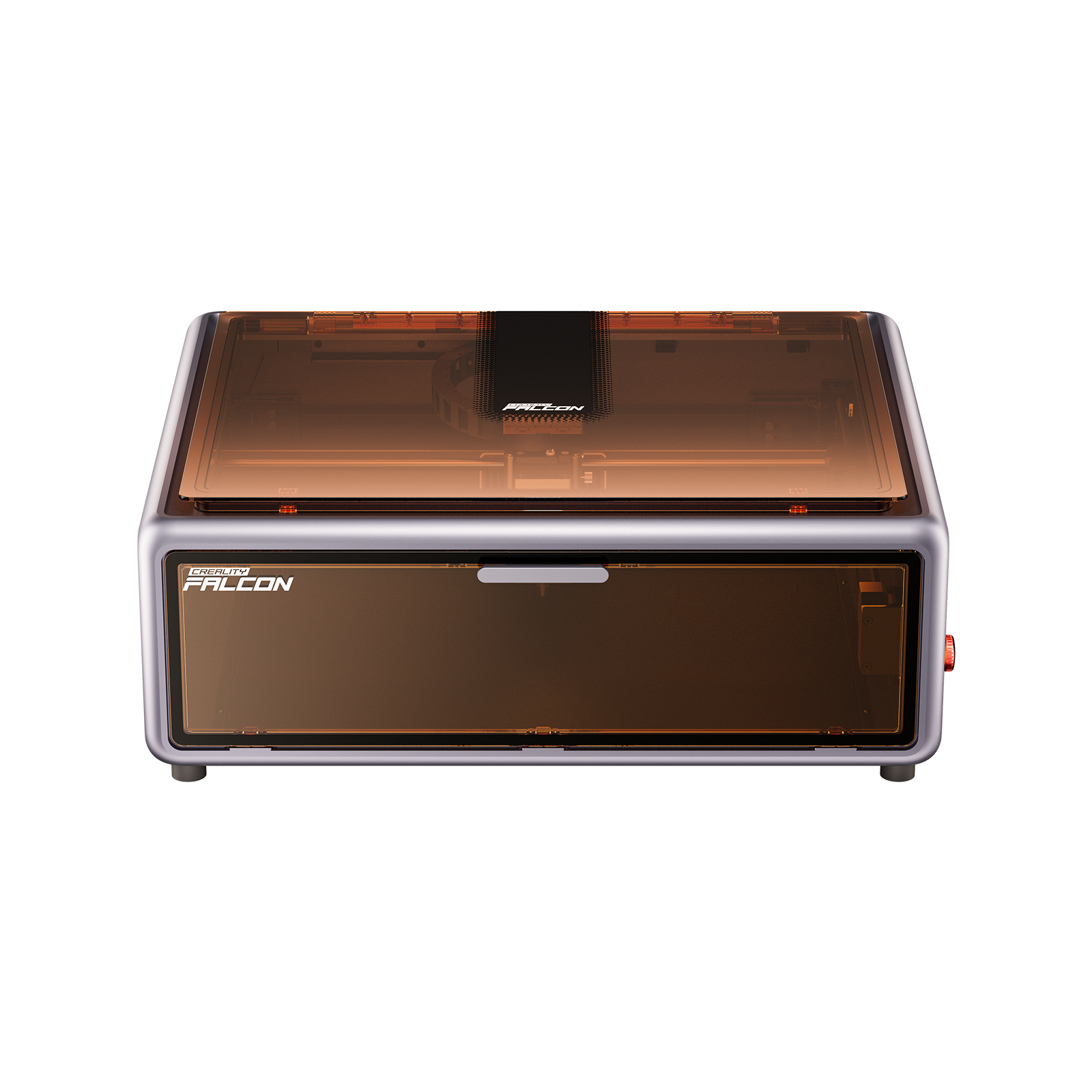
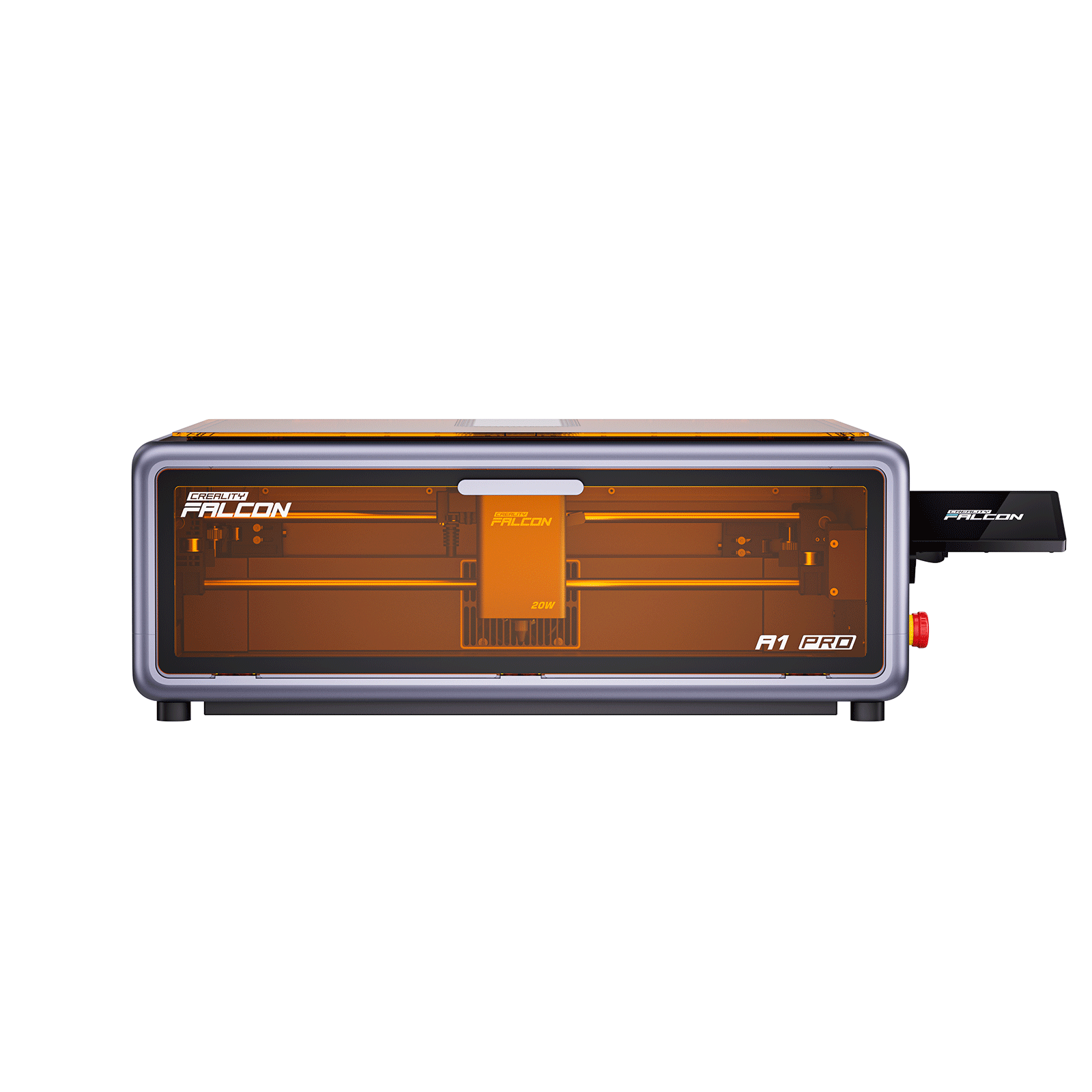
Among desktop laser engravers, the Creality Falcon series, like the Falcon A1 Pro, stands out for combining reliable motion systems with accessible software.
The Falcon platform builds on Creality’s experience in motion control technology, delivering stable engraving performance across common materials like wood, acrylic, leather, and coated metals.
For beginners, the machine setup process is relatively straightforward.
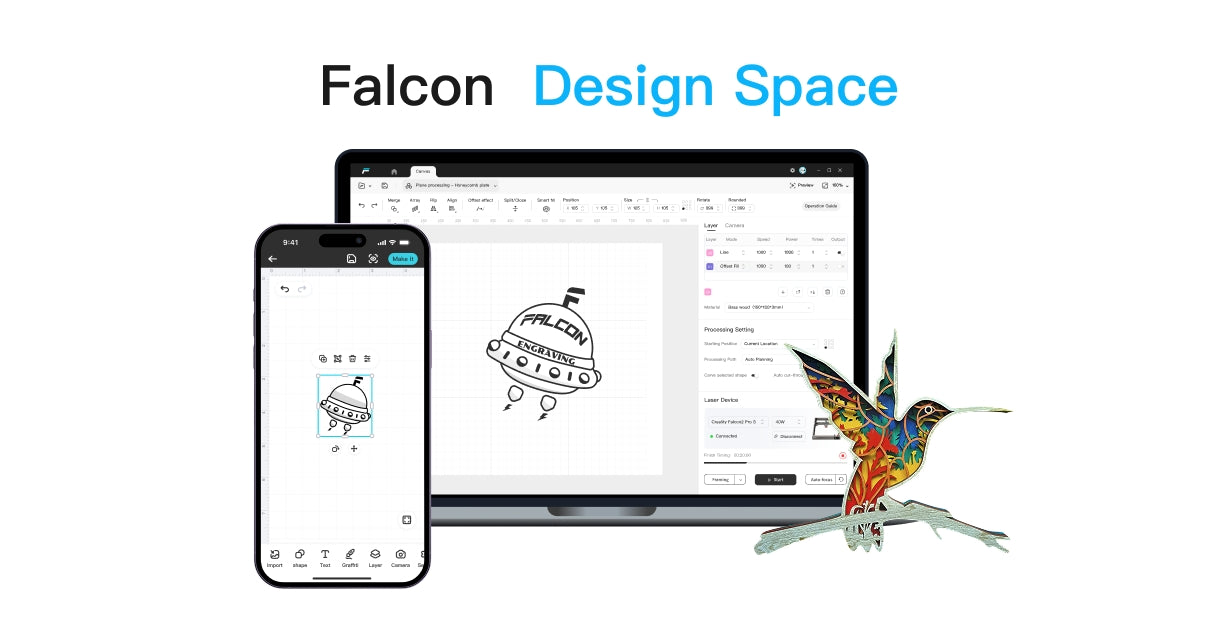
The software ecosystem is also beginner-friendly, while still supporting standard file formats that advanced users can integrate into more complex workflows.
Integrated safety features such as protective covers, airflow ports, and fall-detection switches help simplify workshop setup.
In practical applications, Falcon machines are commonly used for:
- personalized gifts
- custom signage
- small-batch product branding
- craft business production
For many makers and small workshops, this balance between reliability, usability, and upgrade potential makes the Falcon platform an appealing option.
Recommended Model: Creality Falcon A1 Pro
Key advantages
- dual functionality for engraving and cutting
- stable motion system for detailed designs
- integrated safety features
- compatibility with Creality software and third-party tools
Final Thoughts: Choosing the Right Engraver Machine
Choosing the right engraver engraving machine ultimately depends on three key factors: materials, production needs, and budget.
A machine that works perfectly for hobby projects may not meet the demands of a growing small business. Likewise, investing in industrial equipment may be unnecessary for occasional workshop use.
By evaluating the materials to be engraved, understanding machine technologies, and considering long-term operating costs, buyers can select a system that supports both current projects and future growth.
With the right engraver in place, workshops gain the flexibility to create custom products, prototype designs, and expand into new creative opportunities.
Recent News

12 World Cup Laser Engraving Ideas for Fans
Explore world cup laser engraving ideas for fan gifts, tumblers, coasters, signs, and safe soccer-inspired designs makers can...

What Materials Does a Laser Cutter Cut Safely
Find out what materials does a laser cutter cut, which plastics to avoid, and how CO2, diode, and...

7 Best Laser Engravers Under $1000
Quick Answer:The best laser engraver under $1000 should be chosen by total setup cost, not machine price alone.For most...