


























Everything about Knife Engraving [Latest Update]
![Everything about Knife Engraving [Latest Update]](http://www.crealityfalcon.com/cdn/shop/articles/featured-image-of-knife-engraving_9a07de7d-deda-43e0-b21d-a09591fe0887.webp?v=1766569724&width=1600)
Knife engraving transforms a standard blade into a unique, personalized artifact.
It involves precisely marking a knife's surface with text, designs, or imagery using various techniques.
This process elevates a knife beyond its utility, imbuing it with sentimental value or distinctive aesthetics.
Exploring the Main Types of Knife Engraving
Understanding different engraving methods is crucial for achieving your desired outcome.
Each technique offers distinct advantages for various materials and artistic visions.
1. Laser Engraving
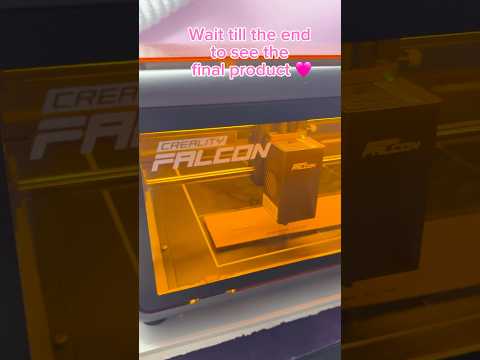
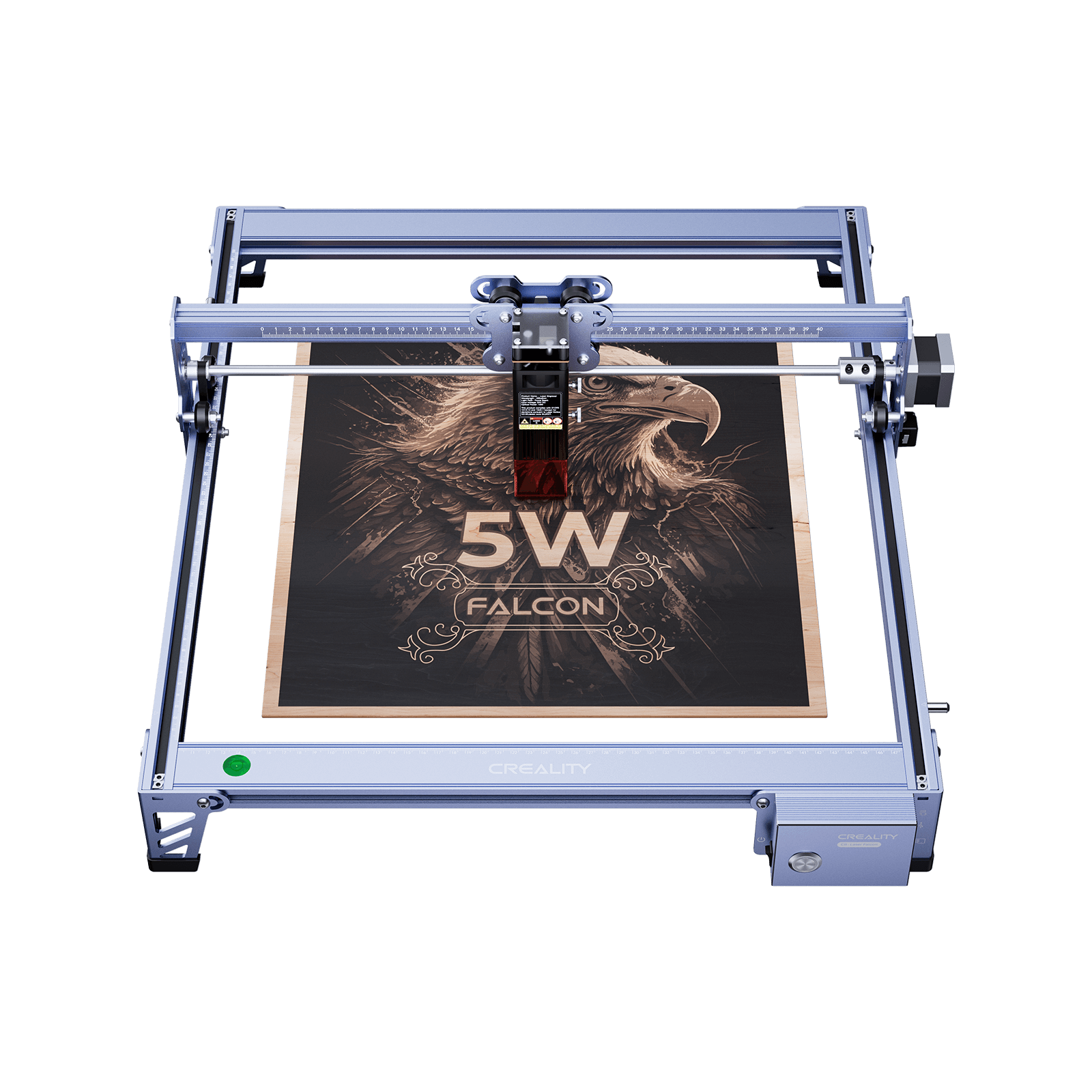
How it works: A focused laser beam from a laser engraver precisely etches or ablates the material's surface, guided by computer software.
- Pros: Exceptional detail, high precision, rapid execution, non-contact process prevents material distortion.
- Cons: Limited depth, can appear superficial on some materials, and significant initial setup cost for equipment.
- Suitable materials: Excellent for stainless steel, wood, some plastics, and coated blades.
2. Hand Engraving
How it works: A skilled artisan uses specialized gravers and chisels to physically cut and carve designs into the material by hand.
- Pros: Produces deep, tactile cuts; truly unique artistic results; traditional aesthetic; unmatched depth and texture.
- Cons: Labor-intensive, requires immense skill and time, significantly higher cost due to artisanal expertise.
- Suitable materials: Ideal for all metals (steel, brass, silver), bone, and dense hardwoods.
3. Rotary Engraving (Mechanical Engraving)
How it works: A rotating cutter, controlled by a pantograph or CNC machine, physically carves into the material.
- Pros: Creates consistent depth and clear, crisp lines; versatile for various materials; provides a classic, carved look.
- Cons: Less intricate detail than laser for very fine lines; cutter wear can impact consistency over time; slower than laser.
- Suitable materials: Effective on most metals, plastics, wood, and acrylics.
4. Chemical Etching
How it works: An acid or electrochemical solution is applied to exposed areas of the knife, dissolving a thin layer of material.
- Pros: Excellent for delicate items or very shallow surface marks; no physical stress on the material.
- Cons: Lacks depth, safety concerns with chemicals, results vary significantly with material composition.
- Suitable materials: Best for specific metals like stainless steel or carbon steel, often used for logos or branding.
What Knives Can Be Engraved? Materials & Blades
Not all knives engrave equally. Material composition and blade design dictate the feasibility and quality of engraving.
Blade Materials
- Stainless Steel: The most common choice, readily accepting all engraving methods with excellent results.
- Carbon Steel: Engraves beautifully, but deep cuts require diligent post-engraving care to prevent rust.
- Damascus Steel: Engraving can dramatically highlight its distinctive layered patterns, creating stunning visual contrast.
- Exotic Alloys: Require expert assessment. Specialized alloys may react uniquely to certain engraving processes; consult a professional.
Handle Materials
- Wood: Laser and rotary engraving excel here, creating beautiful contrast. Hand engraving is suitable for dense woods.
- Bone / Antler: Hand and rotary engraving yield tactile, classic results. Laser can be used with care.
- Micarta / G10 / Synthetics: Laser and rotary methods are highly effective, offering clean, precise markings.
- Metal Handles: Treat similarly to blade considerations; stainless, brass, or aluminum handles engrave well.
Knife Types & Engravable Areas
- Pocket Knives: Engravable on blades, bolsters, and sometimes handle scales.
- Chef Knives: Ideal for larger blade flats, often near the handle for branding or messages.
- Hunting / Fixed Blade Knives: Offers ample space on the blade, guard, or handle for robust designs.
- Collector’s Knives: Often engraved subtly in less prominent areas to preserve the original aesthetic, unless full customization is desired.
DIY vs. Pro Knife Engraving: Which Is Right
Deciding between a personal project and a professional service depends on your skill, budget, and desired outcome.
DIY Engraving
- Tools needed: Rotary tools (e.g., Dremel), specialized hand engraving kits, or simple stencils.
- Learning curve & safety tips: Expect a significant learning period; always prioritize safety with sharp tools and rotating bits.
- Pros: Cost-effective for hobbyists, immense personal satisfaction from creating your own unique piece.
- Cons: Requires practice and patience, potential for irreversible errors, limited by tool capabilities and personal skill.
Professional Engraving Services
- Benefits of expertise: Guarantees precision, quality, access to advanced methods (like high-end laser or master hand engraving), and diverse material handling.
- When to choose a professional: For complex designs, valuable or sentimental knives, or when you demand flawless, guaranteed results.
Knife Engraving Cost: Factors Influencing Price
The price of knife engraving varies significantly based on several key factors.
Key Cost Drivers
- Engraving method: Laser is often more economical than intricate hand engraving; rotary falls in between.
- Design complexity: Simple text costs less than custom logos or detailed imagery.
- Engraving area size: Larger engraved areas increase cost.
- Material type: Harder or delicate materials may raise prices.
- Professional vs. DIY: Professional services include labor, expertise, and equipment.
- Turnaround time: Rush orders often incur extra fees.
Choosing the Right Knife Engraving Service
Selecting a reputable engraver ensures your vision is realized with quality and care.
- Research & portfolio: Review past work carefully.
- Technology & methods: Confirm they offer the technique you need.
- Reputation & reviews: Look for consistent positive feedback.
- Communication & consultation: Clear communication prevents mistakes.
- Local vs. online services: Balance hands-on consultation with convenience.
Caring for Your Engraved Knife
Proper care preserves the beauty and longevity of your personalized blade.
- Cleaning & Maintenance: Gently clean engraved areas with a soft cloth and mild soap. Avoid abrasive cleaners.
- Rust Prevention: For carbon steel or deep engravings, apply food-grade oil or rust inhibitors after cleaning.
- Display & Storage: Store in a sheath, display case, or knife block to prevent scratches and environmental damage.
Final Thoughts
Knife engraving is more than a mark on metal—it’s an expression of identity, memory, and craftsmanship.
Whether as a gift or a personal statement, engraving transforms a blade into something truly meaningful.
Recent News

12 World Cup Laser Engraving Ideas for Fans
Explore world cup laser engraving ideas for fan gifts, tumblers, coasters, signs, and safe soccer-inspired designs makers can...

What Materials Does a Laser Cutter Cut Safely
Find out what materials does a laser cutter cut, which plastics to avoid, and how CO2, diode, and...

7 Best Laser Engravers Under $1000
Quick Answer:The best laser engraver under $1000 should be chosen by total setup cost, not machine price alone.For most...