

























Mastering CO2 Laser Cutting and Engraving: Your Complete Guide

When I first explored creative fabrication, CO2 laser technology immediately stood out.
It’s a true game-changer for makers, small businesses, and even industrial workflows—offering clean cutting, detailed engraving, and huge material versatility.
If you’re searching for CO2 laser cutting and engraving because you want to understand what these machines can do (or you’re planning to buy one), you’re in the right place.
In this guide, I’ll walk you through the essentials: how CO2 lasers work, what materials you can use, what projects they’re best for, how to choose the right laser cutter, and how to run it safely.
What Is CO2 Laser Technology
At its core, a CO2 laser is a gas laser that uses a tube filled with a carbon dioxide-based gas mixture to generate an infrared laser beam.
This beam is invisible to the human eye and typically operates at a wavelength of 10.6 micrometers, which is highly absorbed by many non-metal materials.

Here’s the simple workflow:
- Electricity excites the gas inside a sealed tube
- The tube generates laser light
- Mirrors amplify and guide the beam
- A lens focuses the beam onto the material
- The concentrated heat cuts or engraves the surface
This wavelength is the reason CO2 lasers are so effective on materials like wood, acrylic, leather, paper, and fabric.
Cutting vs. Engraving: What’s the Difference
Both cutting and engraving use the same CO2 laser machine, but the goal and settings are very different.
CO2 Laser Cutting
Laser cutting means the beam goes all the way through the material.
Think of it as a super-precise heat-based blade.
To cut cleanly, you usually need:
- higher power
- slower speed
- strong air assist
- good focus
CO2 cutting is perfect for wood shapes, acrylic signage parts, leather pieces, packaging inserts, and more.
CO2 Laser Engraving
Engraving removes only the surface layer of the material. It’s used to create:
- text
- logos
- photos
- textures
- patterns
Engraving usually uses:
- lower power
- faster speed
- raster engraving (like a printer, line by line)
Engraving is ideal for personalization and branding—without cutting through the material.
Materials Compatible with CO2 Lasers
One of the biggest reasons people choose CO2 lasers is the wide range of materials they can handle.
Best Materials for Cutting
CO2 lasers cut non-metal materials extremely well, especially:
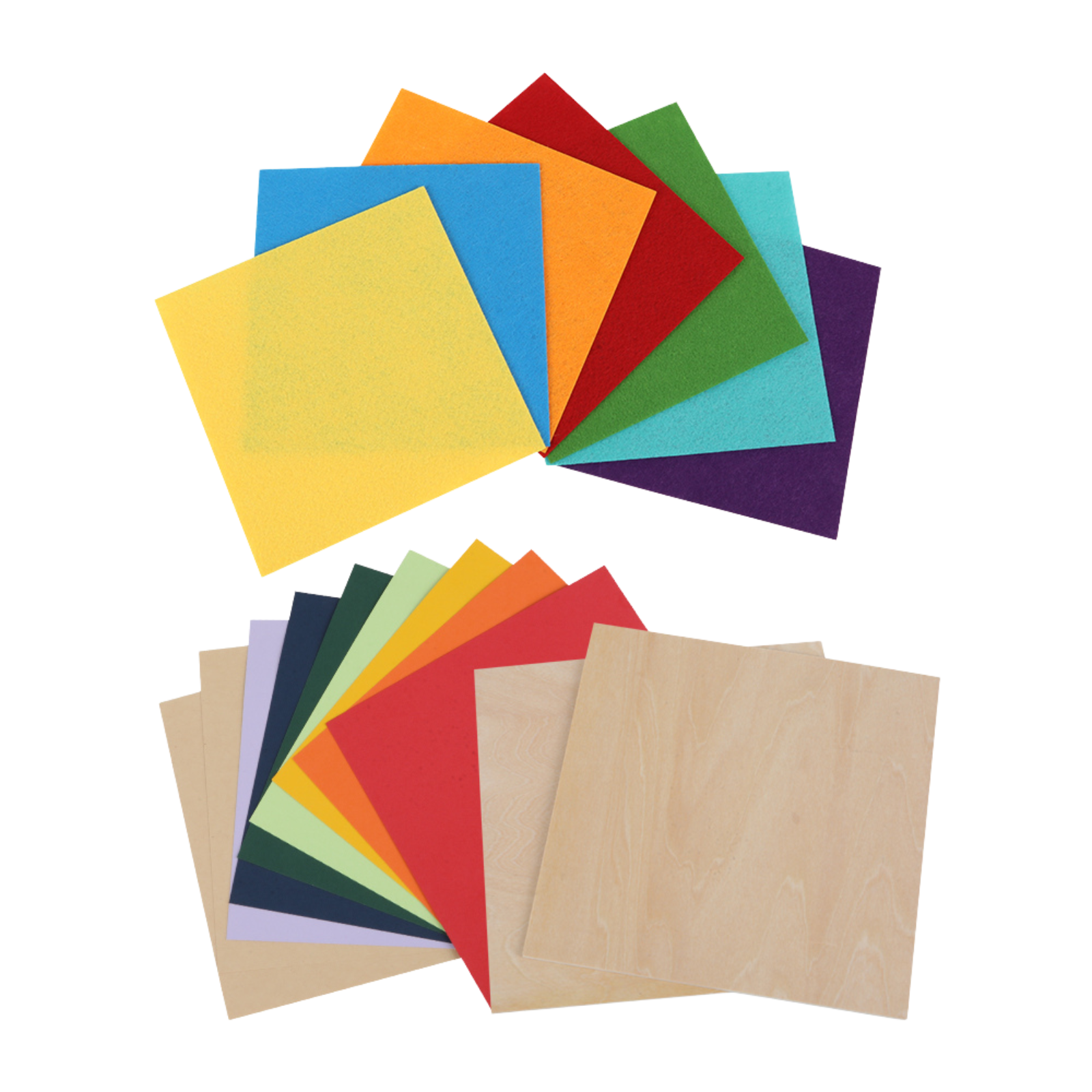
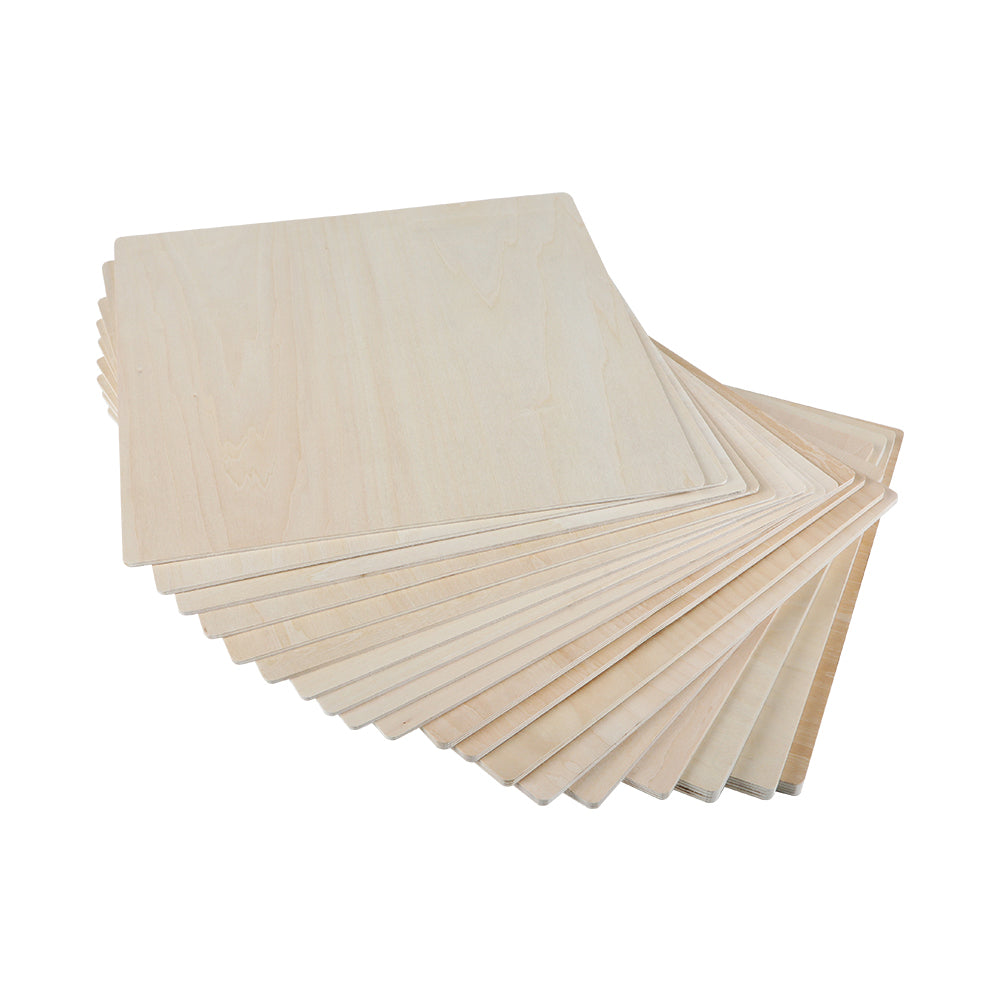
- Wood (plywood, MDF, basswood, hardwoods)
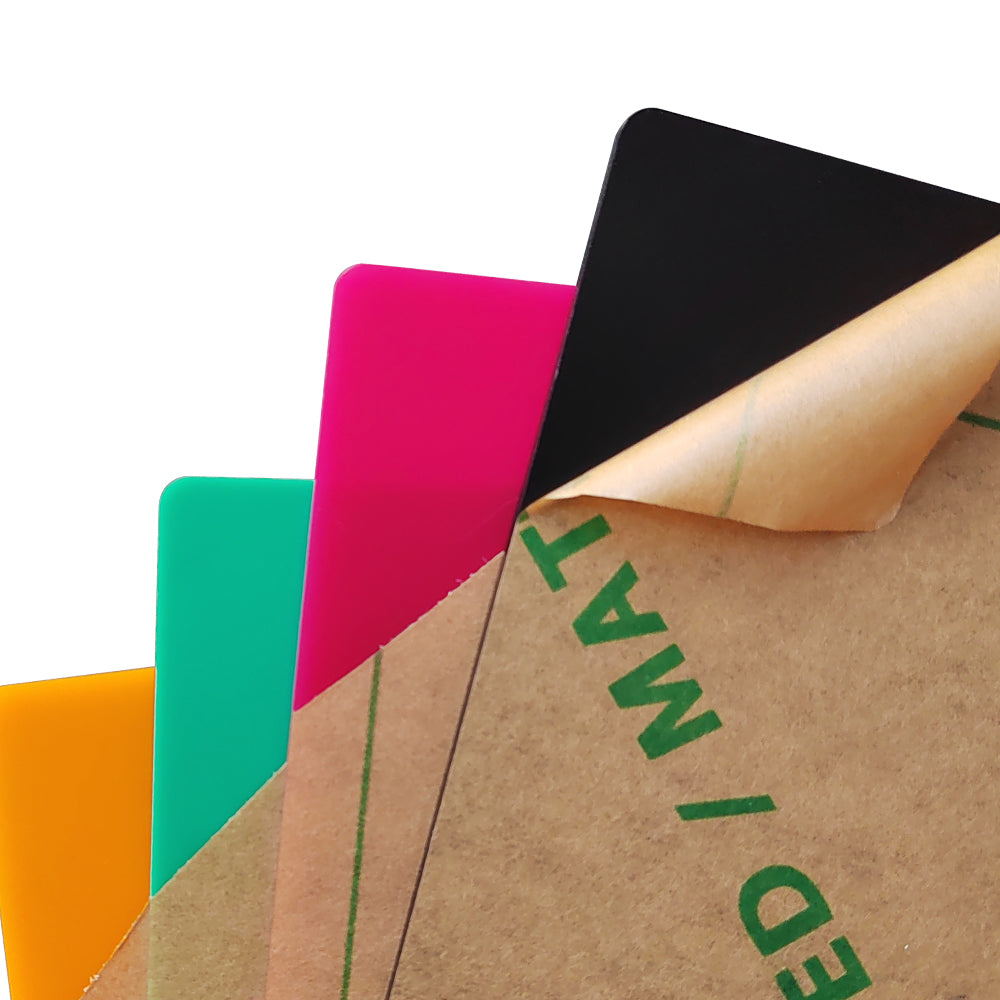
- Acrylic (cast and extruded sheets)
- Paper / Cardboard (packaging, prototypes, invitations)
- Leather (wallets, patches, accessories)
- Fabric (felt, cotton, denim, polyester blends)
- Rubber (stamps, gaskets)
Best Materials for Engraving
Most cutting materials can also be engraved, plus:
- Glass (surface etching on bottles, awards, mirrors)
- Ceramics / Tiles (marking glazed surfaces)
- Stone / Slate (photos and text engraving)
- Anodized aluminum (removes anodized layer to reveal silver underneath)

Quick note: CO2 lasers are not ideal for deep engraving bare metals. For metal engraving/marking, fiber lasers are usually the correct tool.
Materials You Should NEVER Laser Cut
Some materials are dangerous because they release toxic fumes and can damage your machine.
Avoid these completely:
- PVC / Vinyl (releases chlorine gas — extremely toxic)
- Unknown plastics (if you can’t confirm the material, don’t cut it)
- Materials with strong chemical smell when tested
If you’re unsure what something is, don’t laser it.
Safety always comes first.
Practical Settings Tips (So You Get Clean Results Faster)
Most beginners don’t fail because of the machine—they fail because of settings. The good news is that CO2 settings follow clear patterns:
- Cutting = higher power + slower speed + strong air assist
- Engraving = lower power + faster speed + correct focus
Here are a few practical habits that save time and material:
-
Always focus correctly first: Even a small focus error can ruin cutting depth and engraving sharpness.
-
Use air assist for cleaner edges: It reduces flaming, improves cutting efficiency, and keeps the lens cleaner.
-
Run test grids on scrap material: Different wood sheets and acrylic batches can behave differently.
-
For cleaner wood cuts: Use stronger air assist and consider masking tape to reduce burn marks.
-
For acrylic cutting: Speed and airflow matter a lot for edge quality—dial it in with small test cuts.

Popular Applications & Creative Project Ideas
CO2 lasers are incredibly popular because you can go from idea to product fast.
Here are common projects people make:
- acrylic signs and display pieces
- wooden home decor and wall art
- personalized gifts (name plates, ornaments, photo engravings)
- leather patches, wallets, keychains
- packaging inserts and foam templates
- custom awards and engraved plaques
- product prototypes and small-batch production
For small businesses, CO2 lasers are especially powerful because personalization sells—and CO2 machines are excellent at producing clean, repeatable results.

CO2 vs. Diode Lasers (Quick and Honest Comparison)
If you’re choosing between CO2 and a diode, here’s the simplest way to think about it:
CO2 Lasers
Best if you want:
- stronger cutting performance
- larger material range
- cutting clear acrylic
- cleaner results on thicker non-metal materials
Diode Lasers
A diode laser can still be a great choice if:
- you want a lower budget entry point
- you mainly engrave wood/leather
- you cut thinner materials
- you prefer a compact setup
Rule of thumb:
- CO2 = stronger cutting + wider material range
- Diode = lower cost + easier entry
Choosing Your CO2 Laser: Key Factors to Consider
CO2 lasers vary a lot, so here’s what matters most when buying.
Wattage and Power
Higher wattage (60W, 80W, 100W+) generally means:
- faster cutting
- thicker cutting capability
- more production efficiency
Lower wattage can still engrave beautifully, but cutting thick material will be slower.
Work Area Size
Your bed size decides the maximum project size. Choose based on:
- the largest design you plan to cut
- whether you’ll run batch production
Laser Tube Type
- Glass tube: common and affordable, widely used in entry/mid-level machines
- RF metal tube: longer lifespan, finer beam, higher precision, but much more expensive
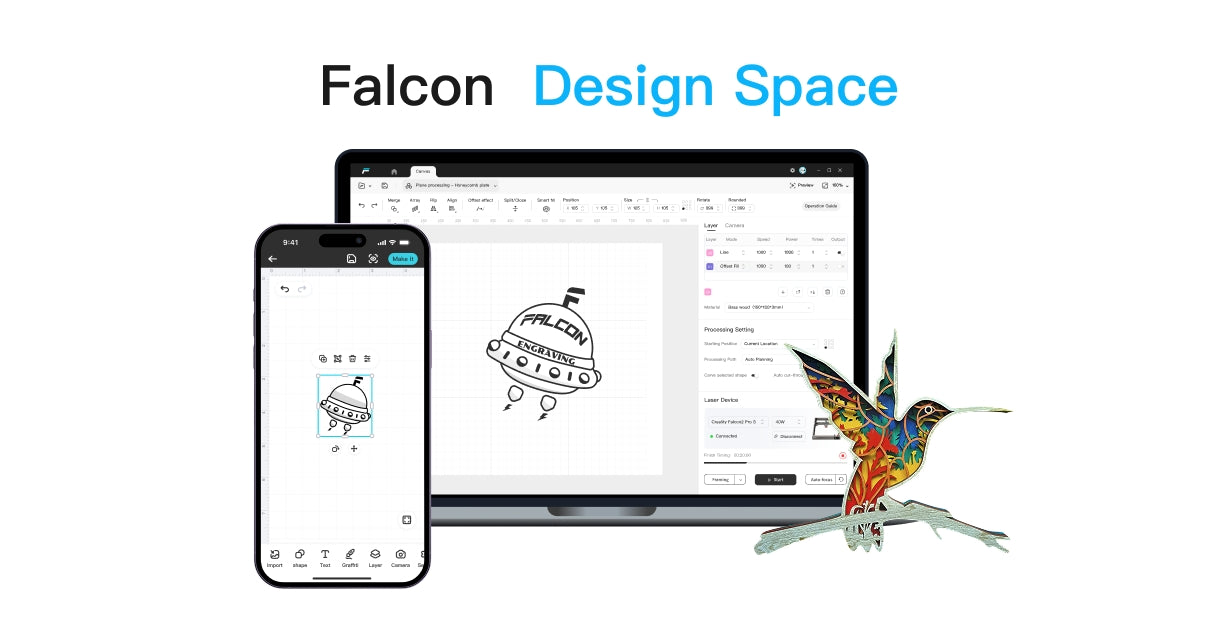
Software and Workflow
For serious use, look for:
- stable software workflow
- camera/alignment features (if available)
- easy file import (SVG, PNG, DXF, etc.)
Many users prefer machines that support LightBurn because it’s powerful and widely used.
Common Problems (And Quick Fixes)
CO2 laser work is straightforward once you know how to troubleshoot.
It won’t cut through
Try:
- slow down speed
- increase power
- check focus
- turn on air assist
- clean lens/mirrors (dirty optics = power loss)
Wood edges are burnt or too dark
Try:
- masking tape on surface
- stronger air assist
- slightly lower power + more passes
Acrylic edges look melted or rough
Try:
- adjust speed (often faster helps)
- ensure stable airflow
- test cast vs extruded acrylic (results vary)
Engraving looks weak or blurry
Try:
- refocus
- adjust speed or engraving line interval
- clean optics
- make sure the material surface is flat
Safety & Maintenance for CO2 Laser Cutting and Engraving
CO2 lasers are powerful tools—safe operation is mandatory.
Essential Safety Practices
- Ventilation: exhaust fumes outdoors whenever possible
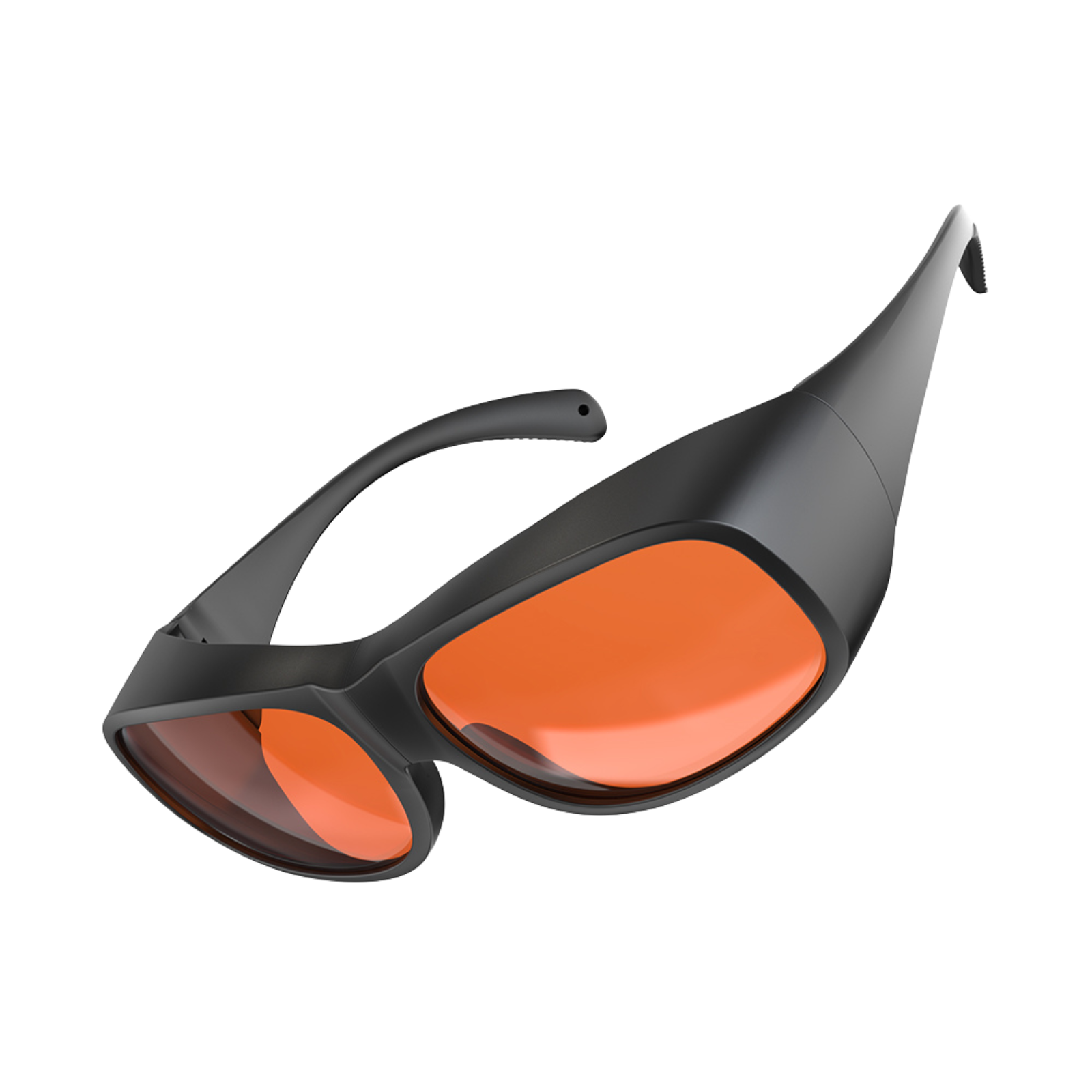
- Eye protection: use proper laser safety glasses
- Fire safety: keep a fire extinguisher nearby and never run unattended
- Enclosure: use a closed, interlocked machine whenever possible
Basic Maintenance Checklist
- Clean optics regularly
-
dirty mirrors/lenses reduce power and can cause damage
- Monitor chiller temperature
-
stable cooling prevents tube overheating
- Track tube lifespan
-
CO2 tubes are consumable parts; plan replacement over time
Good maintenance = consistent power and better engraving quality.
Final Thoughts
CO2 laser cutting and engraving is one of the most practical upgrades you can make for a workshop or small business.
It’s fast, versatile, and capable of producing professional results on materials like wood, acrylic, leather, paper, fabric, glass, and more.
If you want clean cutting, strong engraving detail, and the flexibility to make products people actually buy, a CO2 laser is hard to beat—especially when paired with:
- proper ventilation
- strong air assist
- good testing habits
- safe operation practices
Once you build a stable workflow, CO2 laser work becomes fast, repeatable, and incredibly rewarding.
Recent News

12 World Cup Laser Engraving Ideas for Fans
Explore world cup laser engraving ideas for fan gifts, tumblers, coasters, signs, and safe soccer-inspired designs makers can...

What Materials Does a Laser Cutter Cut Safely
Find out what materials does a laser cutter cut, which plastics to avoid, and how CO2, diode, and...

7 Best Laser Engravers Under $1000
Quick Answer:The best laser engraver under $1000 should be chosen by total setup cost, not machine price alone.For most...