


























What Is a Photo Etched in Glass (3D Crystal Photo Explained)

A photo etched in glass is a laser-engraved image made on or inside glass or crystal.
Unlike printed photos, the image is permanently etched rather than applied to the surface.
These engravings are popular personalized gifts because they are durable and visually striking.
When displayed with an LED light base, the image appears brighter and more three-dimensional, often creating a floating effect inside the glass.
This type of product is also known as a 3D crystal photo, laser-engraved glass photo, or photo-engraved crystal, depending on the engraving method.
What Is a Photo Etched in Glass
A photo etched in glass is made by converting a digital photograph into a laser-compatible engraving file.
A high-precision laser engraver then uses controlled laser heat or focused energy to alter the glass structure, creating thousands of tiny points that form the image
Depending on the technique used, the photo can be:
- Surface etched, where the image is engraved on the outer layer of the glass, or
- Internally engraved, where the laser creates microscopic fractures inside the crystal without damaging the surface.
Because the image becomes part of the glass itself, it does not peel, fade, or wear off over time.
This permanence is one of the main reasons laser-etched glass photos are commonly used for wedding gifts, memorial pieces, pet portraits, and long-lasting display items.
Laser Etched Glass vs Printed Photos on Glass
Laser-etched glass photos are often confused with printed or laminated glass images, but the two are fundamentally different.
Printed photos on glass rely on inks, films, or adhesives applied to the surface.
Over time, these can fade, scratch, bubble, or separate from the glass—especially when exposed to sunlight or moisture.
Laser etching, on the other hand, does not use ink at all.
The image is created by physically altering the glass through heat or internal micro-fracturing.
This makes laser-etched photos:
- Permanently bonded to the glass
- Resistant to fading and peeling
- Better suited for long-term display
In short, if you can scrape or remove the image, it is printed, not laser etched.
Is It Really Inside the Glass or on the Surface
The answer depends on the engraving method.
Surface laser etching removes a thin layer of glass, leaving a frosted texture you can feel with your fingers.
This method is commonly used for logos, text, and 2D images.

Internal laser engraving, used for 3D crystal photos, works differently.
A specialized laser focuses energy points inside the crystal, creating tiny fractures that form a three-dimensional image suspended within the glass.
The surface remains completely smooth, while the image appears to float inside.
This internal engraving technique is what gives 3D crystal photos their depth and realism—especially when illuminated from below with an LED base.

How Does a 3D Crystal Photo Work
A 3D crystal photo is created using a specialized laser engraving process that works inside solid glass or crystal rather than on the surface.
The process begins with a digital photo, which is first converted into a depth map.
This depth information allows the laser system to determine where to place engraving points at different layers inside the crystal.
During engraving, the laser fires thousands of precisely focused pulses into the interior of the glass.
Each pulse creates a tiny fracture point.
When arranged in layers, these points collectively form a three-dimensional image that appears suspended inside the crystal.
Because the surface remains untouched, the finished piece stays smooth, clear, and durable.
This technique is fundamentally different from standard surface engraving and requires dedicated internal engraving equipment rather than typical hobby-grade lasers.
Laser Engraving Inside Glass Explained
Internal glass engraving relies on extremely accurate laser focusing.
The laser is adjusted so that its focal point sits inside the crystal instead of on the surface.
When the laser pulse reaches that focal point, it creates a micro-crack without affecting the surrounding material.
By repeating this process at varying depths, the system builds a full 3D structure point by point.
The spacing between points is carefully controlled to balance image clarity and structural integrity.
Too much energy can weaken the glass, while too little energy results in a faint or incomplete image.
This method is commonly referred to as subsurface laser engraving and is typically performed with high-powered pulsed lasers designed specifically for crystal and glass interiors.
Why the Image Appears 3D
The 3D effect comes from depth layering rather than visual tricks. Instead of engraving a flat image, the laser engraves multiple slices of the photo at different depths.
When light passes through the crystal, these layers create a sense of volume and perspective.
Human vision naturally interprets depth based on how light and shadow interact across layers.
Because each engraved point sits at a slightly different position inside the crystal, your eyes perceive the image as three-dimensional—similar to how depth is created in holograms or 3D scans.
The clearer the crystal and the more accurate the depth mapping, the more realistic the final 3D image will appear.
What Makes It Light Up with an LED Base
An LED light base enhances the visibility of the internal engraving but does not create the image itself.
When light enters the crystal from below, it refracts through the engraved micro-points, causing them to scatter and reflect light more strongly than the surrounding clear glass.
This contrast makes the engraved image stand out, giving it a glowing, floating appearance.
Different LED colors can emphasize various details of the image, while white light typically provides the most accurate representation.
Without lighting, the 3D image is still visible in natural light—but an LED base significantly improves clarity, depth perception, and display impact, especially in low-light environments.
Different Types of Glass Photo Etching
Not all glass photo engravings are created the same way.
Depending on the laser technique and engraving depth, glass photo etching generally falls into three main categories.
Each type offers a different visual effect, production method, and use case.
Understanding these differences helps you choose the right option—whether you are looking for a simple engraved keepsake, a dramatic 3D display piece, or a photo designed to stand out with lighting.
2D Laser Etched Glass Photos
2D laser-etched glass photos are created by engraving the image directly onto the surface of the glass.

The laser removes or frosts a thin layer of material, leaving a flat image that you can see and feel.
This method is commonly used for:
- Portraits and logos
- Text combined with images
- Awards and plaques
2D etching works well on flat glass panels and is compatible with many standard laser engraving machines.
While the image does not have depth, it offers sharp contrast and a clean, elegant look.
However, because the engraving is on the surface, it relies more on ambient light to remain visible.
3D Crystal Photos
3D crystal photos are engraved entirely inside solid crystal or optical glass using subsurface laser engraving technology.
Instead of removing material, the laser creates thousands of microscopic points within the glass, forming a three-dimensional image.
This type of engraving is ideal for:
- Personal portraits
- Pet memorials
- Wedding and anniversary gifts
The main advantage of 3D crystal photos is depth and realism.
The image appears suspended inside the crystal, untouched by the outside environment.
Because the surface remains smooth, the piece is highly durable and resistant to wear.
Producing true 3D crystal photos requires specialized equipment and cannot be achieved with typical surface-engraving lasers.
Photo Etched in Glass with Light (LED Base)
Photos etched in glass are often paired with an LED light base to enhance visibility and presentation.
While lighting is optional, it significantly improves contrast by illuminating the engraved areas and making the image appear brighter and more dimensional.
LED bases are especially effective for:
- 3D crystal photos
- Frosted 2D engravings in low-light settings
- Display pieces intended for shelves or desks
The light passes through the clear glass and interacts with the engraved points, causing them to glow while the surrounding material stays transparent.
This creates a striking visual effect without altering the engraving itself.
It is important to note that the LED base enhances the image—it does not create it. The quality of the engraving still depends on the laser process and the original photo.
How to Make a Photo Etched in Glass
Creating a photo etched in glass involves more than simply loading an image into a laser machine.
The process depends heavily on the type of engraving—surface etching or internal crystal engraving—and on the equipment being used.
At a high level, the workflow includes image preparation, laser parameter setup, engraving execution, and final inspection.
While the steps may look similar on paper, the required precision and equipment vary greatly between professional production and DIY attempts.
Professional Laser Etching Process
In professional settings, glass photo etching starts with image optimization.
The original photo is adjusted for contrast, brightness, and detail so it can translate effectively into laser engraving data.
For 3D crystal photos, the image is further processed into a depth map to determine how each layer will be engraved inside the crystal.
The laser system is then calibrated based on:
- Glass or crystal type
- Engraving depth
- Point density and spacing
- Laser power and pulse frequency
For surface etching, the laser removes a thin layer of glass to create a frosted image.
For internal engraving, the laser focuses beneath the surface to generate micro-fractures at precise locations.
After engraving, the piece is cleaned and inspected for clarity, consistency, and structural integrity.
This level of control is what ensures sharp images, long-term durability, and repeatable results.
Can You DIY a Photo Etched in Glass at Home
DIY glass photo etching is possible, but only within certain limits.
Home users can create 2D surface-etched glass photos using compatible laser engravers, provided the machine has sufficient power and proper settings.
These projects are best suited for simple designs, high-contrast images, or text-based engravings.
However, true 3D crystal photos cannot be made with typical home or hobby-grade lasers.
Internal crystal engraving requires specialized subsurface laser systems capable of focusing energy precisely inside solid glass—equipment that is not commonly available for home use.
For beginners, DIY glass etching is best approached as a creative experiment rather than a replacement for professional crystal engraving services.
What Kind of Laser Is Required
For surface glass etching, laser choice depends on how the wavelength interacts with glass.
CO₂ lasers are the most practical option. Glass absorbs CO₂ laser energy well, producing consistent frosted surface engravings without coatings.
This is the industry standard for surface glass etching.
Diode lasers cannot engrave clear glass directly.
Surface marking is only possible with coatings or treatments, making results less consistent and better suited for DIY use.
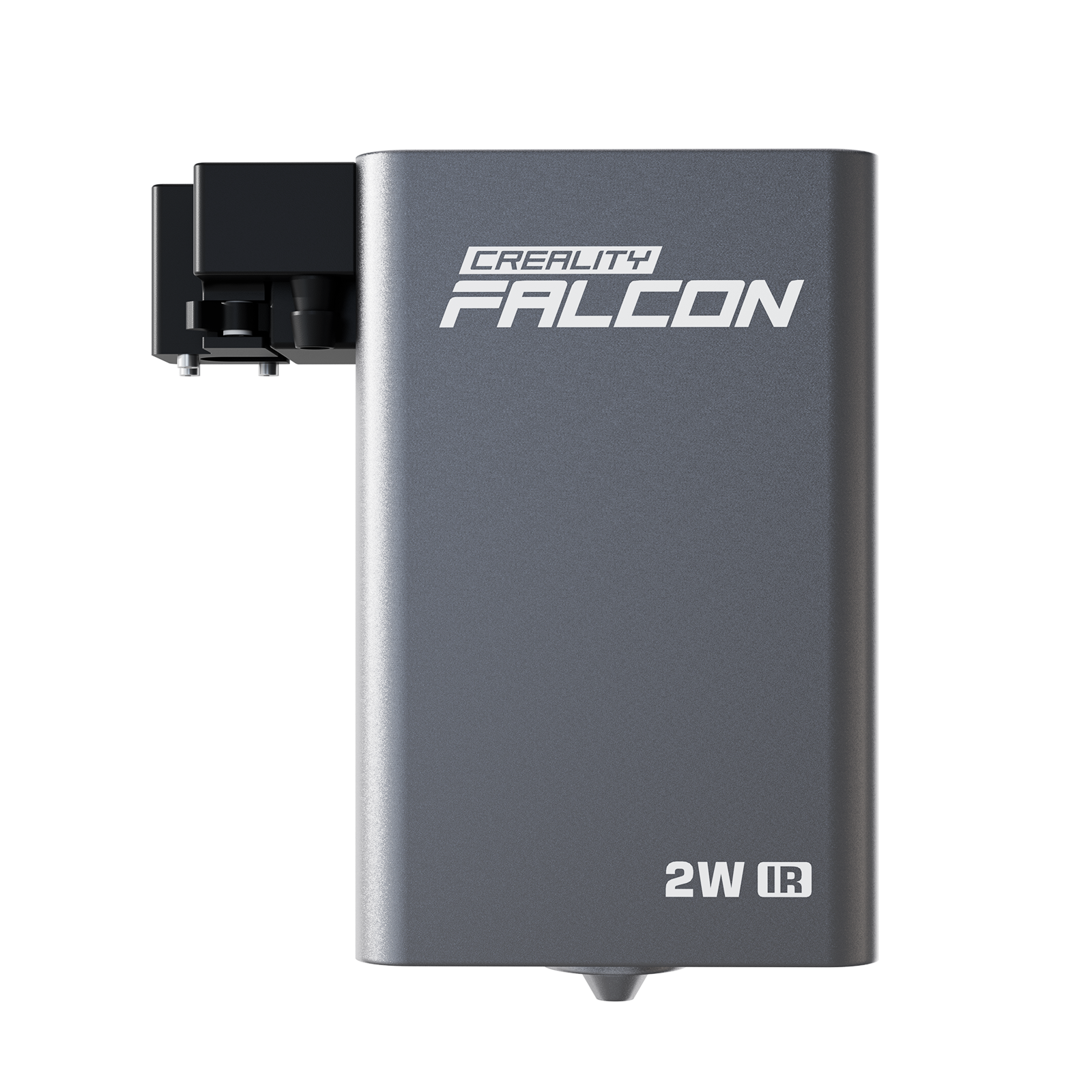
IR (1064 nm) lasers can mark some glass through thermal stress, but results vary by glass type and are typically limited to shallow surface markings.
UV lasers deliver the highest surface quality with fine detail and minimal chipping, but they are expensive and mainly used in industrial or high-end applications.
None of these lasers can create true 3D images inside crystal—that requires specialized subsurface engraving systems.
How Long Does a Photo Etched in Glass Last
A photo etched in glass is designed to be a long-lasting display piece.
Because the image is created by physically altering the glass rather than applying ink or film, its lifespan is measured in decades, not years.
The exact longevity depends on the engraving method (surface vs internal) and how the piece is handled, but under normal conditions, laser-etched glass photos are considered permanent.
Is the Image Permanent
Yes. A laser-etched image is permanent.
In surface glass etching, the laser creates microscopic fractures or frosted areas directly on the glass.
In internal crystal engraving, the image is formed by micro-points inside the crystal itself.
In both cases, the image becomes part of the glass structure and cannot be peeled, washed off, or separated from the material.
Unlike printed photos or decals, there is no ink, adhesive, or coating involved in true laser etching.
Does It Fade or Wear Off
Laser-etched glass images do not fade over time because there are no pigments or dyes that can degrade.
Normal exposure to light, air, or humidity will not affect the engraving.
Surface-etched images may gradually lose sharpness only if the glass is repeatedly scratched, polished, or abraded.
Internal 3D crystal engravings are even more durable, as the image is fully protected inside the glass and unaffected by surface wear.
With basic care, a photo etched in glass can maintain its appearance indefinitely.
Where to Buy a Photo Etched in Glass
Photos etched in glass are widely available through both local services and online sellers.
The best option depends on whether you value in-person consultation, speed, customization level, or product variety.
Understanding the trade-offs between local and online options can help you choose the right source for your needs.
Photo Etched in Glass Near Me vs Online
Local engraving shops offer face-to-face communication and faster turnaround for simple projects.
They are ideal if you want to see samples in person or need a basic surface-etched glass photo quickly.
However, equipment and design options may be limited.
Online stores typically provide more customization choices, including 3D crystal photos, multiple sizes, and LED bases.
While shipping time is required, online services often deliver more consistent results—especially for complex or high-detail engravings.
In short:
- Choose local for speed and simplicity
- Choose online for advanced designs and wider options
Custom vs Ready-Made Glass Photo Gifts
Custom glass photo gifts are made from your uploaded image and tailored to your preferences.
They are best for meaningful occasions such as weddings, anniversaries, or memorials, where personalization matters most.
Ready-made glass photo gifts use pre-designed layouts or stock images and are typically less expensive.
These work well for decorative purposes or general gifting but lack the emotional impact of a personalized piece.
If the goal is long-term display or emotional significance, custom-engraved glass photos are usually the better choice.
Photo Etched in Glass: FAQs
This section addresses the most frequently asked questions about photo etching in glass, especially for readers who are deciding whether to buy or commission one for the first time.
What Is This Type of Glass Photo Called
This type of glass photo is commonly called a photo etched in glass, laser etched glass photo, or 3D crystal photo.
- Photo etched / laser etched glass usually refers to surface engraving
- 3D crystal photo refers to internal laser engraving inside solid crystal
All of these terms describe laser-based processes rather than printed or laminated images.
Can a Photo Be Removed from Glass
No. A true laser-etched photo cannot be removed.
Laser etching permanently alters the glass structure—either by frosting the surface or creating micro-points inside the crystal.
There is no ink, film, or adhesive involved, so the image cannot be peeled, washed off, or separated from the glass.
If an image can be removed, it is not laser etched—it is printed or applied.
Is It Safe and Fragile
Laser-etched glass photos are safe to handle and no more fragile than standard glass items of the same thickness.
Surface-etched glass may have a slightly textured feel, but it does not weaken the glass.
Internal 3D crystal photos are fully enclosed within the material and are often more durable because the surface remains smooth and untouched.
As with any glass product, normal care—avoiding drops or strong impacts—is sufficient.
The End
A photo etched in glass is a permanent, laser-engraved image created on or inside glass or crystal. Unlike printed photos, it does not fade or peel.
This guide explains how surface etching and 3D crystal engraving work, how long they last, and how to choose the right option for personalized gifts or display pieces.
Recent News

12 World Cup Laser Engraving Ideas for Fans
Explore world cup laser engraving ideas for fan gifts, tumblers, coasters, signs, and safe soccer-inspired designs makers can...

What Materials Does a Laser Cutter Cut Safely
Find out what materials does a laser cutter cut, which plastics to avoid, and how CO2, diode, and...

7 Best Laser Engravers Under $1000
Quick Answer:The best laser engraver under $1000 should be chosen by total setup cost, not machine price alone.For most...