






















UV Laser vs Diode Laser: Which One Is Right for Laser Engraving

Choosing between a UV laser and a diode laser for engraving isn’t about which one is better—it’s about what you need to engrave.
They work very differently, affect materials in different ways, and suit very different budgets.
This guide breaks down the real differences so you can choose the right laser engraver for your projects.
What Materials Can UV and Diode Lasers Really Engrave
Let’s keep this simple.
The real difference comes down to heat.
- UV lasers engrave with very little heat.
- Diode lasers engrave by burning the surface.
That single difference decides what materials each one works best on.
What a UV Laser Is Good At
A UV laser doesn’t “burn” the material.
It removes a thin surface layer gently, which means clean edges and almost no burn marks.
UV lasers work best on:
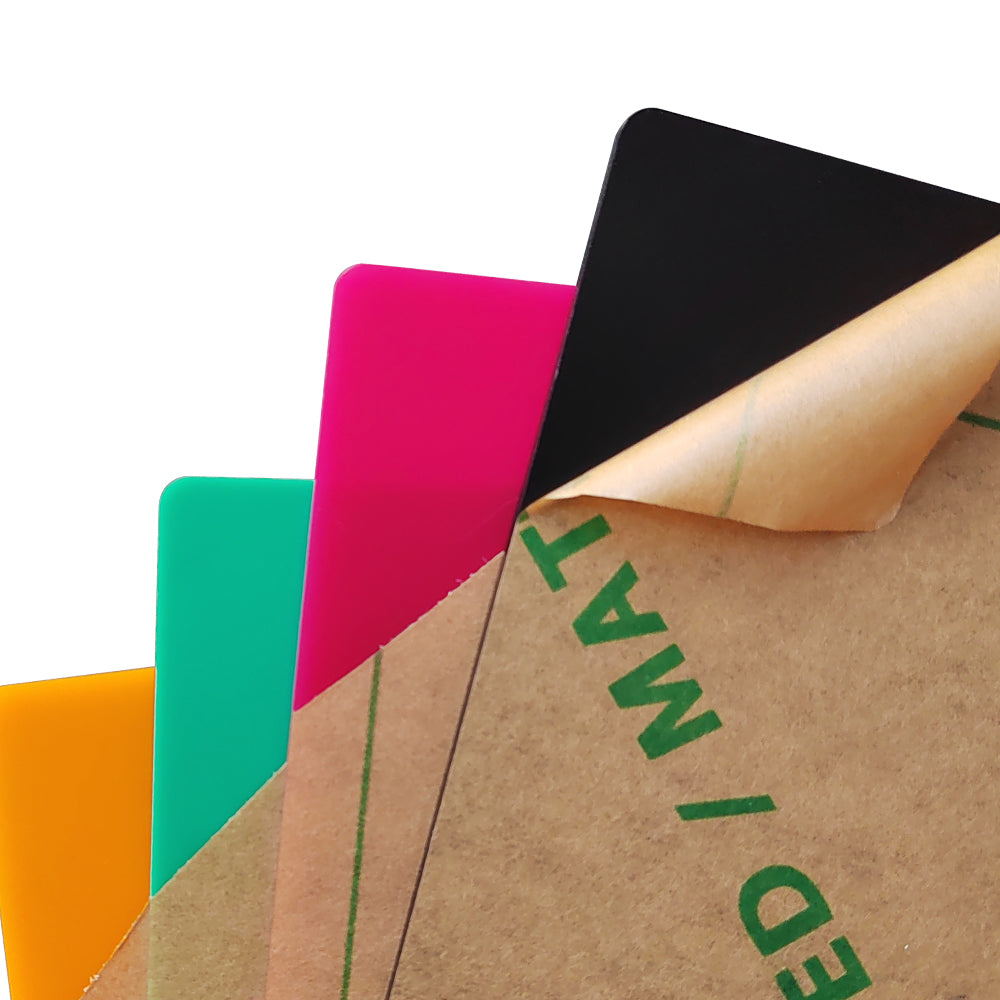
- Plastics and polymers
- Glass
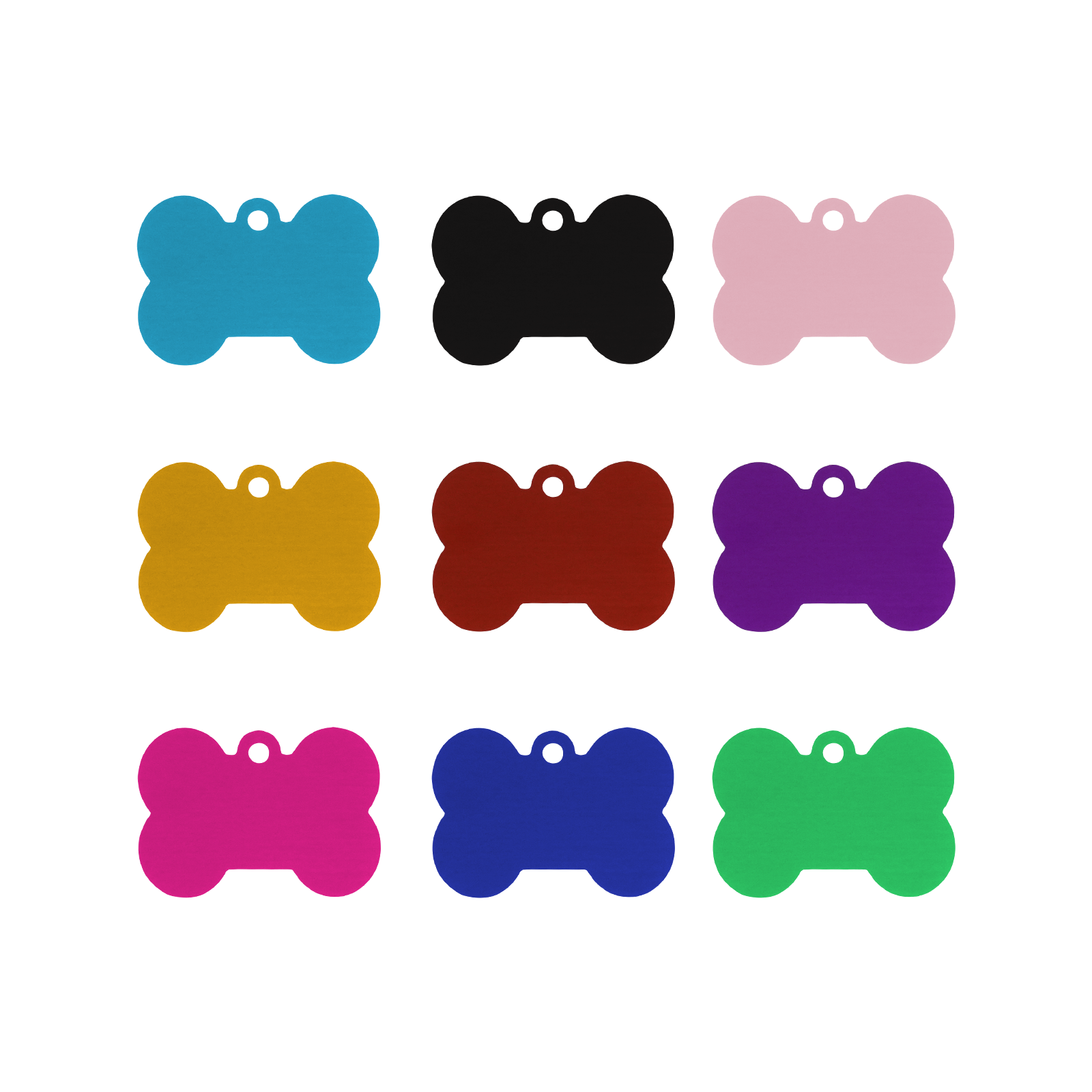
- Coated or anodized metals
- PCB boards and electronic parts
- Thin or heat-sensitive materials
If a material melts, warps, or turns ugly when heated, a UV laser usually handles it better.

What a Diode Laser Is Good At
A diode laser uses heat to engrave.
It darkens or burns the surface, which works great on materials that react well to heat.
Diode lasers are commonly used on:
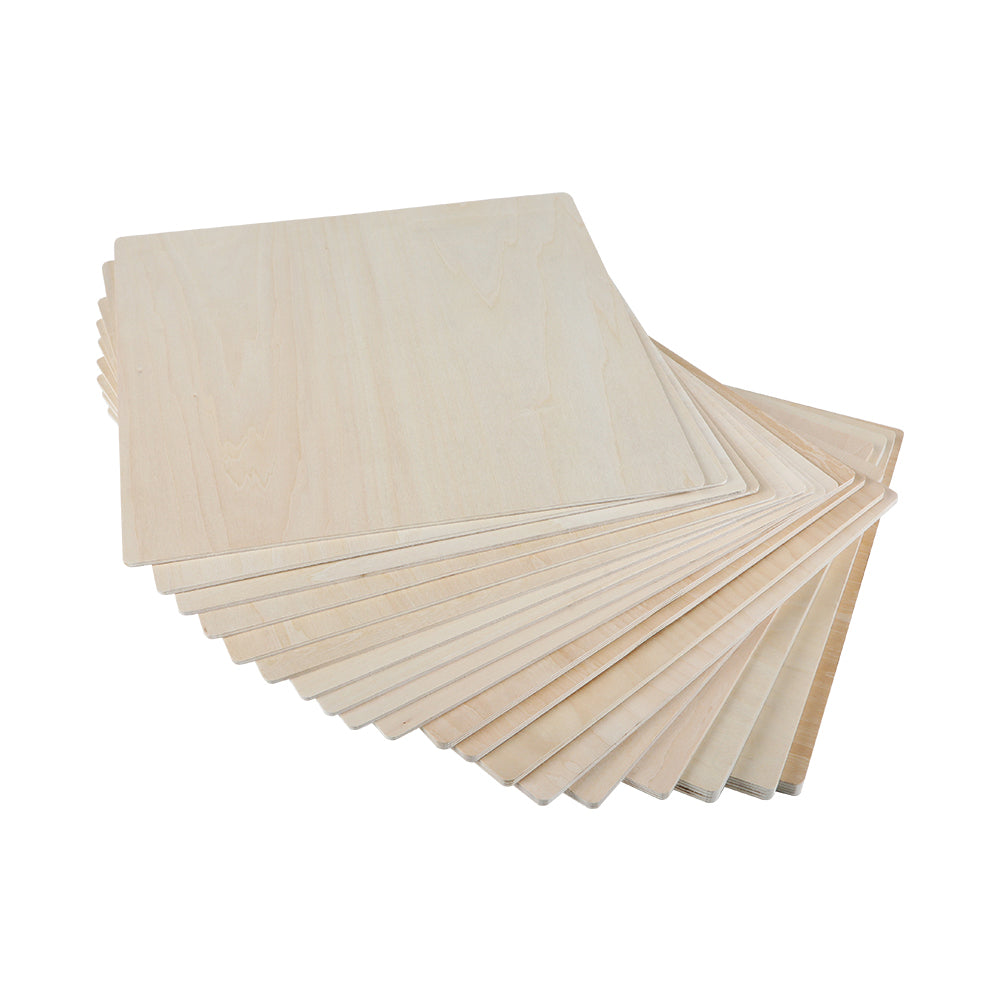
- Wood
- Leather
- Paper and cardboard
- Fabric
- Rubber
- Painted or coated metals
They’re flexible, affordable, and great for everyday engraving—but they’re not ideal for plastics or glass.
The Simple Rule to Remember
- If the material is heat-sensitive → UV laser
- If the material looks better when burned or darkened → diode laser
Start with the materials you engrave most.
That decision matters more than power, speed, or specs on paper.
Engraving Results Compared: Burn Marks or Clean Details
When it comes to engraving results, the difference between UV lasers and diode lasers is easy to see—even if you don’t know anything about laser tech.
It all comes down to how the mark is made.
What UV Laser Engraving Looks Like
UV lasers engrave with very little heat. Instead of burning the surface, they remove material in a controlled, precise way.
The result:
- Clean edges
- Sharp details
- Almost no burn marks
- Very little discoloration
Text looks crisp, fine lines stay visible, and small details don’t blur together.
This is why UV lasers are often used for logos, QR codes, small text, and detailed patterns, especially on plastics, glass, and coated surfaces.

What Diode Laser Engraving Looks Like
Diode lasers rely on heat. They engrave by burning or charring the surface.
The result:
- Dark, high-contrast marks
- Visible burn or scorch marks
- Less precision on very fine details
- Edges that may look slightly rough
On materials like wood and leather, this actually works in their favor.
The burn adds contrast and makes the engraving easier to see.
But on heat-sensitive materials, the result can look messy or uneven.
The Bottom Line
- If you want clean details and sharp precision → UV laser
- If you want bold, dark contrast → diode laser

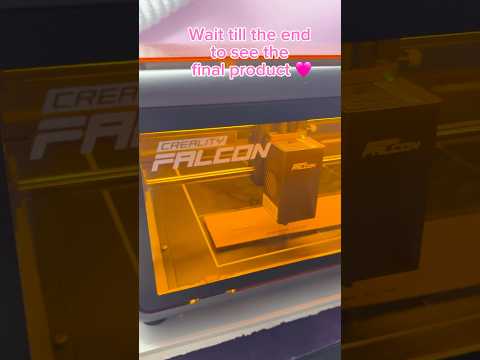
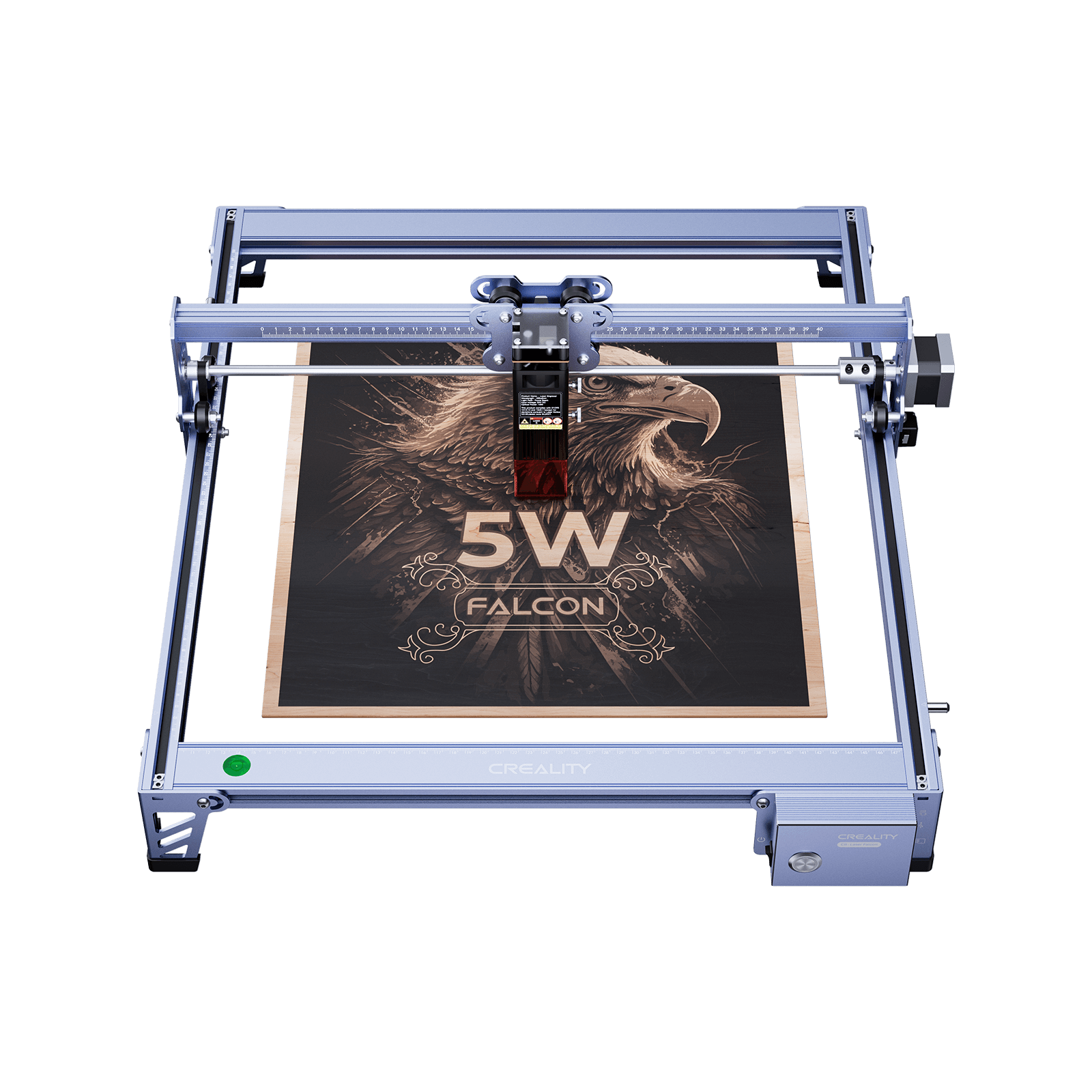
"Photo engraving via a diode laser engraver"
How Fast and Easy Are They to Use in Real-World Workshops
On paper, laser specs look impressive.
In real workshops, speed and ease of use matter a lot more than numbers.
Here’s how UV and diode lasers actually compare in day-to-day use.
Using a UV Laser in Practice
UV lasers are designed for precision work, not speed.
They usually run at:
- Slower engraving speeds
- Smaller working areas
- More controlled, careful setups
That means setup takes a bit more time, but once everything is dialed in, the results are very consistent.
You don’t need to fight burn marks, warped materials, or failed tests as often—especially on plastics and delicate parts.
In short: slower, but more predictable.
Using a Diode Laser in Practice
Diode lasers are built for flexibility and convenience.
They are:
- Faster on common materials like wood and leather
- Easier to set up and adjust
- More forgiving for trial and error
You can load a design, tweak power and speed, and get usable results quickly.
That’s why diode lasers are popular in home workshops, maker spaces, and small businesses.
In short: faster and easier, but less precise.
The Real-World Takeaway
- If your work values repeatable precision over speed → UV laser
- If your work values speed, simplicity, and versatility → diode laser
In real workshops, the “better” machine is the one that fits your workflow—not the one with the flashiest specs.
Is a UV Laser Worth the Price for Engraving
A UV laser usually costs much more than a diode laser—but that price tag isn’t random.
The real question isn’t “Is it expensive?” but “Does it solve real problems you actually have?”
Here’s how to think about it in plain terms.
When a UV Laser Is Worth It
A UV laser becomes worth the price when your projects need:
- Very fine details that diode lasers can’t render cleanly
- No burn marks, discoloration, or warping
- Consistent results on plastics, glass, coated metals, or PCBs
If most of your engraving work is on those materials—or if your clients expect high precision and clean edges—a UV laser can save you hours of cleanup and dozens of wasted test pieces.
In that case, the higher cost pays off in quality and reliability.
When It’s Hard to Justify the Cost
If you mainly engrave:
- Wood
- Leather
- Paper
- Fabric
- Rubber
…then a diode laser already does a great job.
Diode lasers are much cheaper, easier to maintain, and faster to get results on everyday materials.
In that scenario, the extra cost of a UV laser doesn’t bring enough benefit for most users.

UV or Diode: Which Laser Engraver Fits Your Needs Best
Let’s cut to the chase:
There’s no single “best” laser for everyone—just the best one for your needs.
Here’s the simplest way to decide:
Choose a UV Laser If…
- You engrave plastics, glass, coated metals, or PCBs
- You need clean edges and fine detail
- You can’t tolerate burn marks or warping
- Quality matters more than speed or cost
In short: precision over everything else.
Choose a Diode Laser If…
- You work mostly with wood, leather, paper, fabric, or rubber
- You want something faster and easier to use
- You care about cost and versatility
- You don’t mind a little burn mark
In short: practical and flexible.
The End
Choose a UV laser if your priority is clean, precise engraving on plastics, glass, or coated materials.
Choose a diode laser if you mainly engrave wood, leather, or general materials and want better value and flexibility.
That’s the core difference.