


























CO2 Laser Cutting Steel: What’s Possible, What’s Not

A CO2 laser generates a high-energy infrared beam (10.6 μm wavelength) using a gas mixture of carbon dioxide, nitrogen, and helium.
The beam is guided through mirrors and focused onto the material surface, where intense heat melts or vaporizes the material.
An assist gas—typically oxygen or nitrogen—then blows molten material out of the cut.
This thermal process is extremely effective on non-metal materials such as wood, acrylic, plastics, leather, fabrics, and rubber.
However, how well a CO2 laser works depends heavily on how the target material absorbs that wavelength.
Can a CO2 Laser Cut Steel? The Short Answer
Yes — technically, a CO2 laser can cut steel.
But this is where most misunderstandings begin.
CO2 lasers are only practical for:
- Thin mild steel
- Certain thin stainless steel sheets
- Low-speed, non-production cutting
What matters is not whether steel can be cut, but whether CO2 is the right tool for doing it.
In most steel-cutting scenarios, it is not.
Practical Limits: Thickness, Speed, and Cut Quality
When cutting steel with a CO2 laser, several constraints appear quickly:
1. Thickness limits
- Practical cutting is usually limited to ~1/8"–1/4" (3–6 mm) mild steel, depending on laser power and gas setup.
2. Cutting speed
- CO2 lasers cut steel significantly slower than fiber lasers at every comparable thickness.
3. Edge quality
Steel cuts often show:
- Larger heat-affected zones (HAZ)
- More dross buildup
- Increased post-processing requirements
These issues become more pronounced as the thickness increases or when production speed matters.
CO2 vs. Fiber Laser for Steel Cutting
This comparison explains why modern steel fabrication overwhelmingly favors fiber lasers.
Key technical difference:
- Steel absorbs fiber laser wavelengths (~1 μm) far more efficiently than CO2 wavelengths (10.6 μm).
Why Fiber Lasers Dominate Steel Cutting
- Much higher absorption by steel
- Faster cutting speeds
- Cleaner edges with less HAZ
- Higher electrical efficiency
- No laser gas or mirror alignment required
- Lower long-term operating costs
For steel cutting—especially in professional or production environments—fiber lasers are the industry standard.

When CO2 Laser Cutting Steel Might Make Sense
Despite its limitations, CO2 laser cutting steel is not entirely useless.
Situations Where CO2 Can Be Acceptable
- You already own a CO2 laser
- Steel cutting is occasional and very thin
- Non-metal materials are your primary workload
- Cut speed and edge perfection are not critical
Situations Where CO2 Is a Poor Choice
- Steel is your main material
- You need consistent edge quality
- You care about production speed or efficiency
- You plan to scale fabrication output
In these cases, a fiber laser is the correct solution.
Beyond Steel: Using the Right Laser for the Right Job
While CO2 lasers struggle with steel, they remain exceptional for non-metal applications:
- Wood engraving and cutting
- Acrylic cutting with polished edges
- Leather, fabric, rubber, and plastics
For users who do not need industrial steel cutting, alternative laser technologies may deliver far better value.

Diode Lasers as a Practical Alternative for Non-Metal Work
For engraving, prototyping, and light fabrication, modern diode lasers offer:
- Lower upfront cost
- Minimal maintenance
- Compact size
- Easy setup
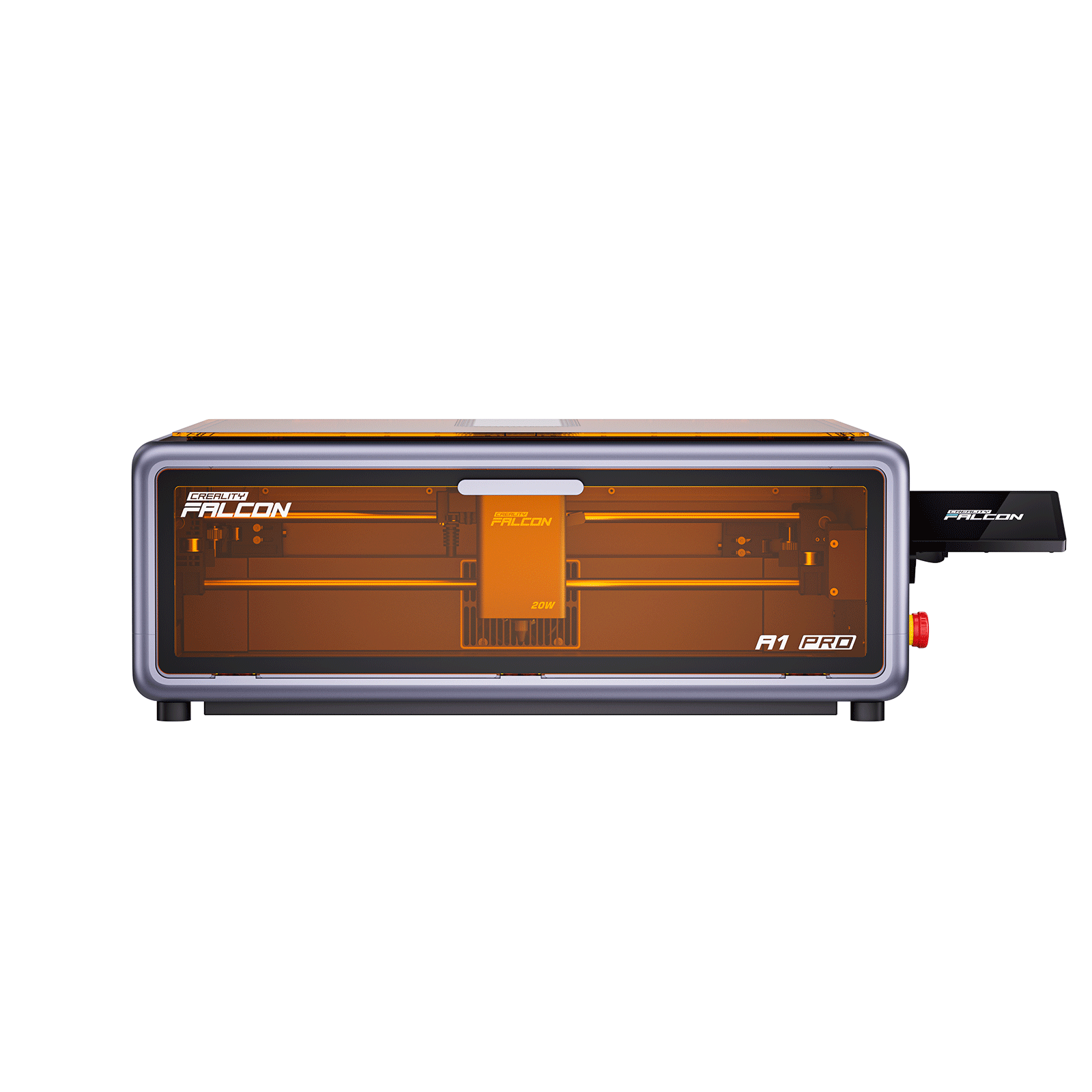
Best-Fit Example: Creality Falcon A1 Pro
The Creality Falcon A1 Pro is well-suited for:
- Wood, leather, paper, fabric
- Opaque acrylic
- Detailed engraving and light cutting
It is not designed for cutting steel, but for many workshops, it provides more usable capability than a CO2 system when metal cutting is not the priority.
Choosing the Right Laser Technology
A simple decision framework:
- Steel cutting (especially thick or frequent):
→ Fiber Laser - Mixed materials with focus on non-metals:
→ CO2 Laser - Engraving and light cutting, non-metals only:
→ Diode Laser
Final Takeaway
The search for “CO2 laser cutting steel” usually starts with a misconception.
- CO2 lasers can cut steel
- But they are not optimized for it
- And they are rarely the best choice
The best laser is not the one that can do the job, but the one designed to do it efficiently, safely, and economically.
Recent News

12 World Cup Laser Engraving Ideas for Fans
Explore world cup laser engraving ideas for fan gifts, tumblers, coasters, signs, and safe soccer-inspired designs makers can...

What Materials Does a Laser Cutter Cut Safely
Find out what materials does a laser cutter cut, which plastics to avoid, and how CO2, diode, and...

7 Best Laser Engravers Under $1000
Quick Answer:The best laser engraver under $1000 should be chosen by total setup cost, not machine price alone.For most...