



























Fiber Laser vs CO2 Laser: Which One Should You Choose

Quick Answer: Choose a fiber laser if your main work is metal marking, serial numbers, QR codes, jewelry, tools, and industrial part identification. Choose a CO2 laser if your main work is wood, clear acrylic, leather, paper, fabric, rubber, glass etching, signage, packaging, or craft cutting.
Choosing the right laser is not just about buying a tool. It is about choosing the machine that fits your materials, workspace, budget, and production goals. A laser that works beautifully on stainless steel may be the wrong choice for acrylic signs. A machine that cuts wood cleanly may not be the right tool for deep metal engraving.
In this guide, you will get a clear, practical comparison between fiber lasers and CO2 lasers without the confusing jargon. By the end, you will know which type of laser cutter fits your needs and which one may not match your materials, workflow, or return-on-investment plan.
In this article, fiber laser mainly refers to fiber laser marking and engraving systems, not high-power industrial sheet-metal fiber cutters. CO2 laser refers to the sealed-tube or RF CO2 machines commonly used for cutting and engraving organic materials, acrylic, glass surfaces, and craft products.
What Is a Fiber Laser
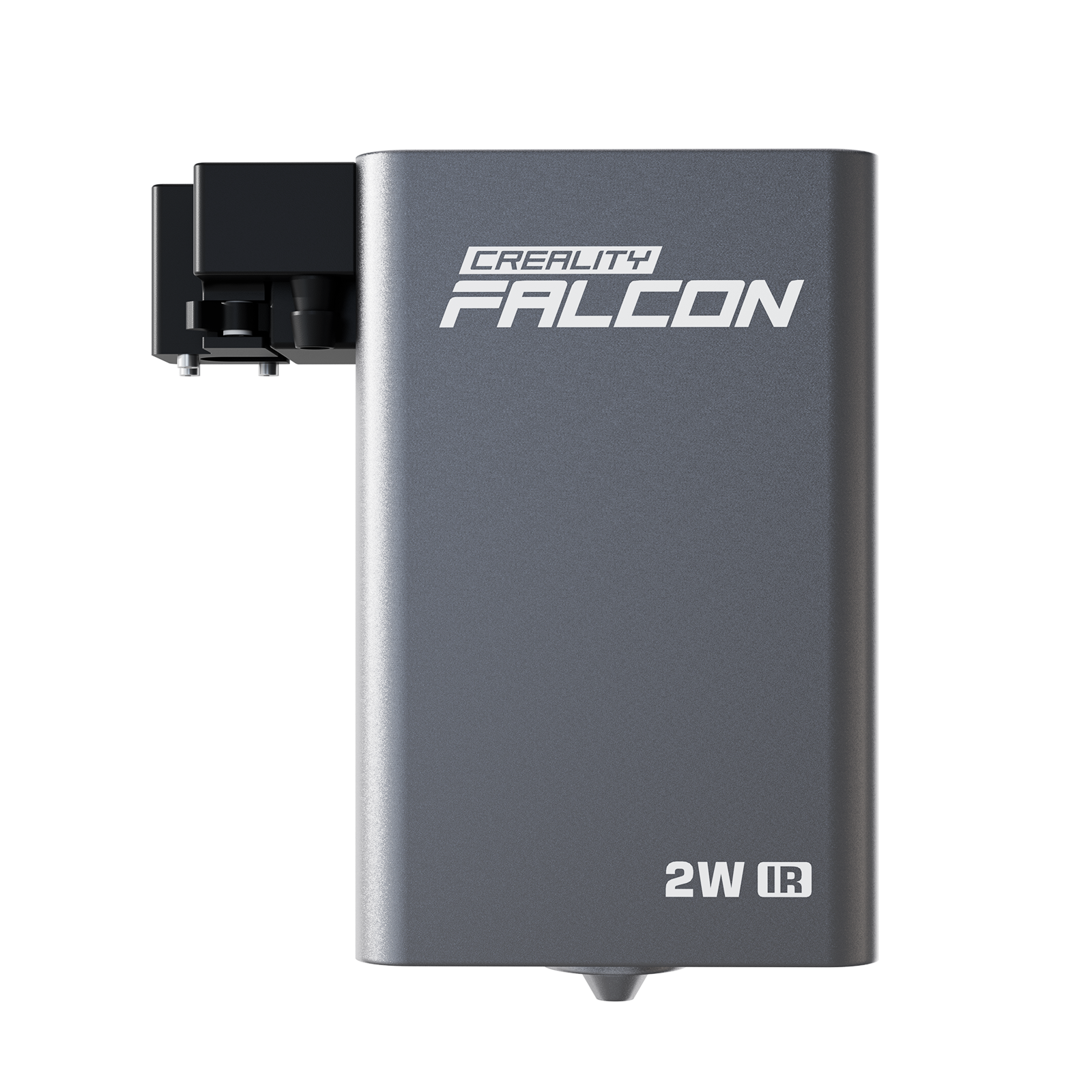
A fiber laser generates and amplifies a laser beam inside an optical fiber doped with rare-earth elements, commonly ytterbium. The beam is delivered through a fiber cable and focused onto the workpiece. This setup creates a concentrated beam that performs especially well on metal surfaces.
Fiber lasers are widely used for metal marking, engraving, serial numbers, QR codes, logos, jewelry, tools, medical instruments, electronics, and industrial traceability. They are chosen when the mark needs to be sharp, permanent, repeatable, and resistant to wear.
1. Best Things Fiber Lasers Do
- Metal marking: excellent for stainless steel, aluminum, brass, copper, titanium, anodized aluminum, and many industrial parts.
- Sharp detail: useful for tiny text, QR codes, serial numbers, logos, and product identification.
- High repeatability: strong fit for batch marking, tool labels, jewelry personalization, and production workflows.
- Durable marks: ideal when the engraving must survive handling, cleaning, friction, or industrial use.
2. Fiber Laser Limitations
- Higher upfront cost: fiber systems usually cost more than entry diode or many desktop CO2 machines.
- Not ideal for wood and leather crafts: fiber lasers are not the natural first choice for typical DIY wood signs, leather patches, paper projects, or acrylic craft cutting.
- Clear acrylic is not their strength: fiber lasers are not the usual choice for clear acrylic cutting or polished acrylic edges.
- Reflective surfaces need care: reflective metals can create back-reflection risks, although quality systems manage this better.
3. Common Fiber Laser Applications
- Metal business cards, tags, and nameplates
- Serial numbers and QR codes on industrial parts
- Jewelry engraving and watch part marking
- Tool, knife, and hardware engraving
- Medical device marking and electronics identification

What Is a CO2 Laser
A CO2 laser uses electricity to excite a gas mixture, mostly carbon dioxide, inside a sealed tube. Mirrors guide the beam, and a focusing lens directs it onto the material. CO2 lasers usually operate around a 10,600 nm wavelength, which is absorbed well by many organic and non-metal materials.
CO2 lasers are common in signage, woodworking, packaging, leather goods, education, craft production, acrylic fabrication, and small workshop cutting. They are especially useful when your workflow depends on cutting and engraving non-metal materials.
1. Best Things CO2 Lasers Do
- Clear acrylic cutting: CO2 is the better category for transparent acrylic and polished-looking acrylic edges.
- Wood engraving and cutting: strong fit for signs, decor, ornaments, boxes, models, and custom gifts.
- Leather and fabric work: useful for patches, wallets, templates, labels, and textile cutting.
- Glass surface etching: suitable for decorative glass marks, awards, cups, and personalization.
- Craft production: good for packaging prototypes, paper, cardboard, rubber stamps, and mixed creative products.
2. CO2 Laser Limitations
- Not the right tool for deep metal engraving: CO2 lasers can sometimes mark coated metals, but they do not replace fiber lasers for direct metal marking.
- More maintenance: CO2 systems may require tube replacement, mirror alignment, lens cleaning, cooling, and exhaust maintenance.
- Larger setup: CO2 machines often need more space, stronger ventilation, and sometimes water cooling or a chiller.
- Material safety matters: PVC, vinyl, and unknown plastics should not be lasered because they can release toxic and corrosive fumes.
3. Common CO2 Laser Applications
- Acrylic signs, LED signage, and display panels
- Wooden decor, boxes, models, ornaments, and gifts
- Leather patches, wallets, labels, and craft blanks
- Paper, cardboard, packaging prototypes, and invitations
- Glass etching, rubber stamps, fabric cutting, and templates

3 Core Differences Between Fiber and CO2 Lasers
1. Wavelength and Material Absorption
Laser performance is not only about power. It is also about whether the material absorbs the laser wavelength well.
- Fiber lasers: commonly around 1064 nm, strongly suited to metals and selected plastics.
- CO2 lasers: commonly around 10,600 nm, strongly suited to wood, acrylic, leather, paper, fabric, rubber, and glass surface etching.
2. Marking Detail and Cutting Behavior
Fiber lasers usually produce a very small focused spot, which helps create sharp marks on metal. CO2 lasers remove and vaporize many non-metal materials efficiently, which makes them strong for cutting and engraving wood, acrylic, paper, and leather.
- Fiber wins: metal detail, QR codes, serial numbers, logos, industrial tags, and jewelry marking.
- CO2 wins: acrylic cutting, wood cutting, leather engraving, paper cutting, signage, and craft production.
3. Maintenance and Operating Setup
Fiber systems are often solid-state and can be lower maintenance for metal marking workflows. CO2 systems are highly capable, but they require more attention to optics, exhaust, tube life, and cooling.
- Fiber setup concerns: fixtures, focus, reflective metals, lens choice, and marking parameters.
- CO2 setup concerns: exhaust, smoke, tube replacement, mirrors, lens cleaning, water cooling, and fire supervision.
Material Compatibility by Laser Type
| Material | Better Laser | Why |
|---|---|---|
| Stainless steel | Fiber laser | Better absorption, cleaner permanent marks, strong detail |
| Aluminum | Fiber laser | Good for marking, engraving, and anodized aluminum contrast |
| Brass and copper | Fiber laser | Better fit for metal marking with the right setup |
| Titanium | Fiber laser | Strong for jewelry, medical parts, and color effects with suitable systems |
| Gold and silver | Fiber laser | Better for fine jewelry marking and small text |
| Wood | CO2 laser | Better absorption for cutting, engraving, and craft production |
| Leather | CO2 laser | Common for patches, wallets, labels, and craft blanks |
| Clear acrylic | CO2 laser | Best common laser category for transparent acrylic cutting |
| Opaque acrylic | CO2 laser | Strong cutting and edge quality for acrylic fabrication |
| Paper and cardboard | CO2 laser | Efficient cutting and engraving with proper fire supervision |
| Fabric and textile | CO2 laser | Useful for templates, cutting, and textile processing |
| Rubber stamps | CO2 laser | Common choice for stamp engraving |
| Glass surface etching | CO2 laser | Good for surface marks and decorative etching |
| PVC and vinyl | Neither | Do not laser because toxic and corrosive fumes can be released |
Big takeaway: if you want metal products, fiber is usually the real answer. If you want wood, acrylic, leather, paper, fabric, or glass etching, CO2 is usually the better direction.
Real Use Cases for Fiber and CO2 Lasers
1. Fiber Laser Use Cases for Metal Business Workflows
Fiber lasers are best when the output must look industrial clean, stay readable, and hold up over time.
- Metal business cards
- Serial numbers on parts
- QR code marking for factories
- Jewelry engraving with text or logos
- Metal tags, nameplates, tools, knives, and hardware
2. CO2 Laser Use Cases for Craft and Cutting Workflows
CO2 lasers dominate when the job involves creative non-metal products and clean cutting.
- Acrylic signs and LED signage
- Wooden decor, gifts, boxes, and ornaments
- Leather patches, wallets, and labels
- Packaging prototypes and paper products
- Fabric cutting, templates, rubber stamps, and glass etching
Speed Precision and Cutting Ability
1. Fiber Laser Speed and Precision
Fiber lasers are extremely fast for metal marking and can deliver high resolution, sharp edges, and professional contrast. They are ideal for batch marking when the same logo, serial number, QR code, or part ID must be repeated across many metal pieces.
2. CO2 Laser Cutting Performance
CO2 lasers are stronger for cutting and engraving non-metals. If your business depends on acrylic signs, wood decor, packaging, leather goods, or paper products, CO2 usually gives better cutting behavior and smoother material-specific results than fiber.
Cost Maintenance and ROI
1. Upfront Cost
CO2 lasers often have a lower entry price than professional fiber marking systems, especially in hobby and small business categories. Fiber lasers usually cost more upfront, especially when the machine is built for industrial marking, jewelry, or production work.
2. Operating Cost
Fiber lasers can be efficient and low-maintenance for metal marking because many systems are solid-state and do not require CO2 tubes. CO2 lasers may involve more long-term maintenance, including tube replacement, mirror alignment, lens cleaning, exhaust care, and cooling setup.
3. Best ROI Logic
- Fiber laser ROI: stronger when you sell metal marking, jewelry engraving, serial-number services, tool marking, or industrial part identification.
- CO2 laser ROI: stronger when you sell acrylic signs, wood crafts, leather goods, packaging prototypes, paper products, or custom decor.
How to Choose the Right Laser
1. Start With Your Top Materials
If 80% of your work is metal, choose fiber. If 80% of your work is wood, acrylic, leather, paper, fabric, rubber, or glass surface etching, choose CO2. This simple material-first rule prevents most expensive buying mistakes.
2. Decide Whether You Need Cutting or Marking
If you need clean acrylic or wood cutting, CO2 is usually the better fit. If you need permanent metal marking, serial numbers, or QR codes, fiber is usually the better fit. If you need both, you may eventually need more than one laser source.
3. Match the Machine to Your Business Model
Do not buy a more expensive laser just because it sounds more advanced. Buy the machine that matches your product margin. Acrylic signs, leather patches, and wood decor do not need the same system as stainless steel tags, tools, or jewelry marking.
4. Plan for Ventilation and Safety
Both laser types need safety planning. CO2 cutting creates smoke, odor, and fire risk, especially with wood, paper, leather, and acrylic. Fiber marking needs proper eye safety, focus control, fixture stability, and reflective-metal precautions. Never laser PVC, vinyl, or unknown plastics with either machine type.
Where Creality Falcon T1 Fits in Fiber and CO2 Decisions
Creality Falcon T1 is not a CO2 laser and it is not a standard entry-level diode engraver. It is a high-end 5-in-1 laser workstation designed for users who need multiple laser processes in one platform.
It supports multiple module options, including 20W diode, 40W diode, 20W fiber, 60W MOPA, and 5W UV.

That makes it relevant when your workflow goes beyond a simple fiber vs CO2 choice. For example, a studio may need diode for wood and acrylic-style craft workflows, fiber for metal marking, MOPA for color or pulse-controlled metal work, and UV for glass, ceramic, crystal, or fine plastic marking.
Choose Creality Falcon T1 if your priority is professional multi-material marking, metal work, UV detail, MOPA workflows, fast galvo-style production, and repeatable customization. If your only goal is clear acrylic cutting or large wood signage, a dedicated CO2 laser may still be the better category. If your goal is multi-source production flexibility, T1 becomes much more relevant.
Fiber Laser vs CO2 Laser FAQ
1. Is Fiber Laser Better Than CO2 Laser?
A fiber laser is better for metal marking, serial numbers, QR codes, jewelry, tools, and industrial parts. A CO2 laser is better for wood, clear acrylic, leather, paper, fabric, rubber, glass etching, and craft cutting. The better machine depends on your material and final product.
2. Can a CO2 Laser Engrave Metal?
A CO2 laser can sometimes mark coated metals or treated metal surfaces, but it is not the right tool for deep bare-metal engraving. For direct metal marking, a fiber laser is usually the better choice.
3. Can a Fiber Laser Cut Acrylic?
A fiber laser is not the usual choice for acrylic cutting, especially clear acrylic. CO2 lasers are much better for clear acrylic and polished-looking acrylic edges.
4. Which Laser Is Better for Wood?
CO2 is usually better for wood cutting and engraving. It is widely used for signs, decor, boxes, ornaments, models, and craft products. Fiber lasers are not the natural first choice for wood workflows.
5. Which Laser Is Better for Jewelry?
Fiber lasers are usually better for jewelry marking and engraving on metals such as gold, silver, stainless steel, brass, and titanium. MOPA fiber can be even more useful when color effects or more pulse control are needed.
6. Which Laser Is Better for Small Business?
Choose based on the products you sell. If you sell metal tags, tools, jewelry, or industrial marking services, fiber usually has better ROI. If you sell acrylic signs, wood crafts, leather goods, paper products, and decor, CO2 usually has better ROI.
Conclusion
There is no single best laser. There is only the best laser for your workflow.
- If your priority is metal engraving, precision, and industrial-grade marking, choose a fiber laser.
- If your priority is wood, acrylic cutting, leather, paper, fabric, glass etching, and versatile non-metal engraving, choose a CO2 laser.
Start with your top 3 materials, your main product type, your workspace, and your ROI plan. Once those are clear, the right laser choice becomes much easier.
Lower Cost, Greater Potential
5-in-1 Laser Workstation

Recent News

12 World Cup Laser Engraving Ideas for Fans
Explore world cup laser engraving ideas for fan gifts, tumblers, coasters, signs, and safe soccer-inspired designs makers can...

What Materials Does a Laser Cutter Cut Safely
Find out what materials does a laser cutter cut, which plastics to avoid, and how CO2, diode, and...

7 Best Laser Engravers Under $1000
Quick Answer:The best laser engraver under $1000 should be chosen by total setup cost, not machine price alone.For most...