
























How Much Is A Laser Cutter In 2026 Cost Guide

Quick Answer: A desktop laser cutter can cost from about $200 for a basic open-frame diode machine to $5,000+ for a pro-grade CO2 or fiber system. Most beginners and small creators should budget $500 to $1,500 for a safer, more capable setup in 2026.
When you decide to bring digital designs into the real world, one of the first questions is simple: how much is a laser cutter. The answer depends on laser type, wattage, enclosure, software, accessories, work area, and whether the machine is for hobby use or daily business production.
A low-cost machine may look attractive at first, but the laser itself is only part of the budget. You may also need air assist, ventilation, a honeycomb bed, safety equipment, replacement lenses, materials, and software. Prices may vary due to promotions. Please check the official website for the latest pricing.
What Determines The Cost Of A Laser Cutter
If you are comparing laser cutter prices, do not judge by brand name alone. The biggest price drivers are laser technology, power, enclosure quality, work area, safety features, software support, and included accessories.

1. Laser Technology Diode CO2 Or Fiber
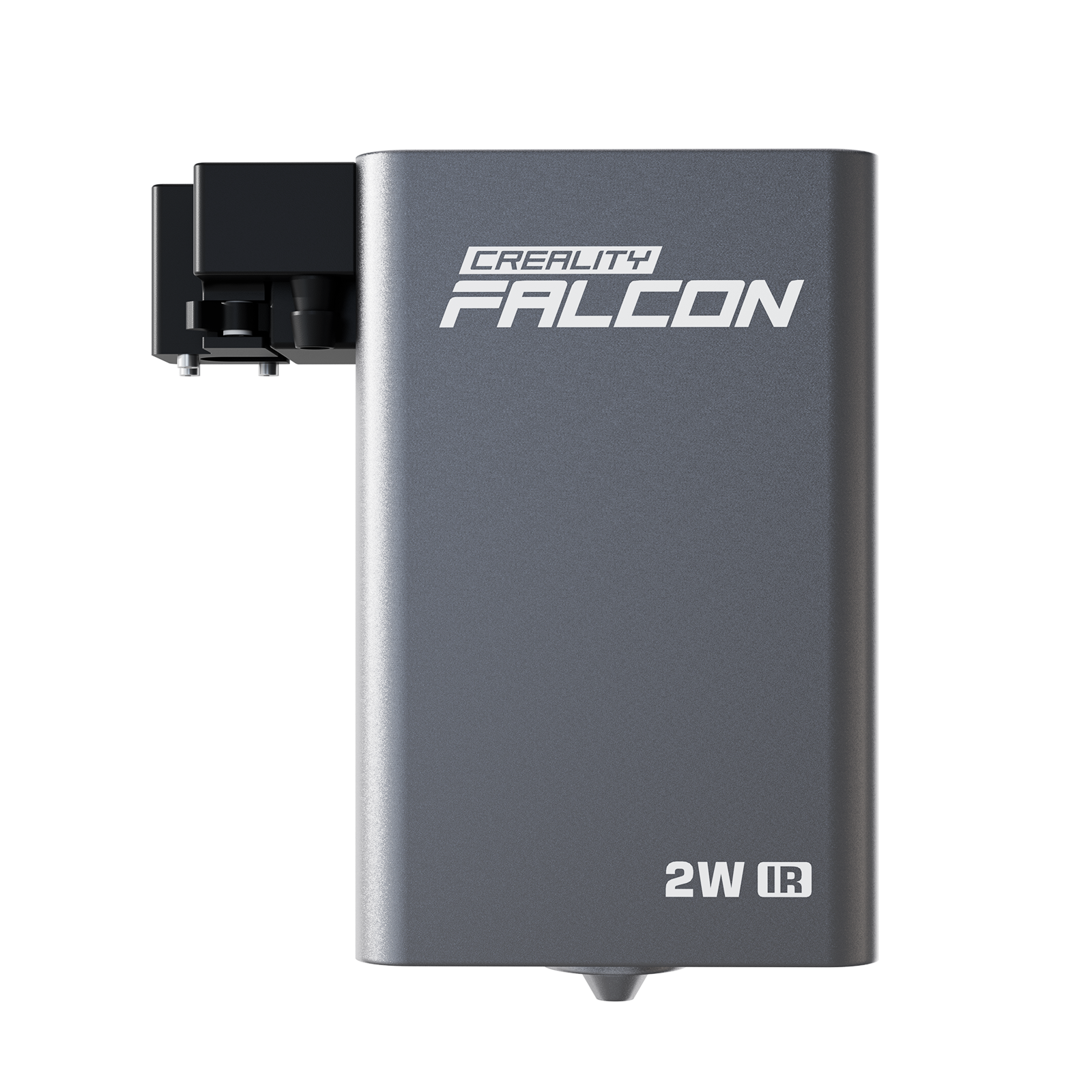
The laser source is usually the biggest cost factor. A diode laser engraver is usually the most affordable choice for wood, paper, leather, cardboard, and dark acrylic. A CO2 laser engraver costs more but is stronger for clear acrylic, glass engraving, and thicker workshop projects. A fiber laser engraver is usually chosen for metal marking, tools, jewelry, industrial tags, and coated metal parts.
2. Laser Power And Cutting Speed
Higher wattage usually increases the price because it can improve cutting speed and material capacity. A 5W to 10W diode machine may be enough for engraving and thin materials, while 20W to 40W diode machines are better for small business users who cut wood more often. CO2 machines often cost more because they include a laser tube, mirrors, cooling, exhaust, and a larger enclosed structure.
3. Build Quality And Safety Features
Open-frame machines are cheaper because they do not include a full enclosure. Enclosed machines with lid sensors, filtered viewing windows, built-in cameras, air assist, exhaust ports, and Class 1 style safety design usually cost more. For indoor use, classrooms, shared studios, or home workshops, the added safety and smoke control can be worth the higher upfront cost.
Price Tiers For Laser Cutters In 2026
Laser cutter prices vary widely, but most desktop and small-workshop machines fall into three practical tiers. Use these ranges as planning estimates, then verify current prices on the official product pages before buying.
| Price Tier | Typical Price Range | Common Laser Type | Best For | Typical Materials |
|---|---|---|---|---|
| Entry-Level | $200 to $500 | 5W to 10W diode | Beginners and light hobby use | Thin wood, leather, paper, cardboard, engraving |
| Mid-Range | $500 to $1,500 | 10W to 40W diode, entry CO2 | Crafters and small businesses | Wood, leather, opaque acrylic, some clear acrylic with CO2 |
| Pro-Grade | $1,500 to $5,000+ | Higher-power CO2, fiber, larger enclosed systems | Production, metal marking, larger work areas | Acrylic, wood, industrial tags, coated metals, metal marking |
Prices may vary due to promotions. Please check the official website for the latest pricing.
1. The $200 To $500 Range
This range is mostly for open-frame diode lasers. These machines are useful for learning, engraving, and cutting thin materials such as basswood, cardboard, paper, and leather. The tradeoff is that you may need to buy air assist, an enclosure, a honeycomb bed, and better ventilation separately.
2. The $500 To $1500 Range
This is the practical sweet spot for many beginners and small creators. You can find enclosed 10W diode machines, stronger 20W to 40W diode machines, and some entry-level CO2 machines. This tier is better if you want safer indoor use, faster cutting, cleaner edges, and more reliable repeat projects.
3. The $1500 Plus Range
This range is for users who need larger work areas, faster production, acrylic workflows, metal marking, or business use. Higher-end CO2 and fiber machines cost more, but they can save time when you process batches every day. For serious production, also budget for exhaust, filtration, cooling, maintenance, and replacement parts.
Hidden Costs To Budget For
The machine price is only the starting point. A low-cost laser cutter can become more expensive once you add the accessories required for clean, safe, and repeatable work.
| Extra Cost | Why It Matters | Typical Budget Impact |
|---|---|---|
| Air assist | Improves cutting edges and reduces smoke near the beam | Often needed for wood and paper cutting |
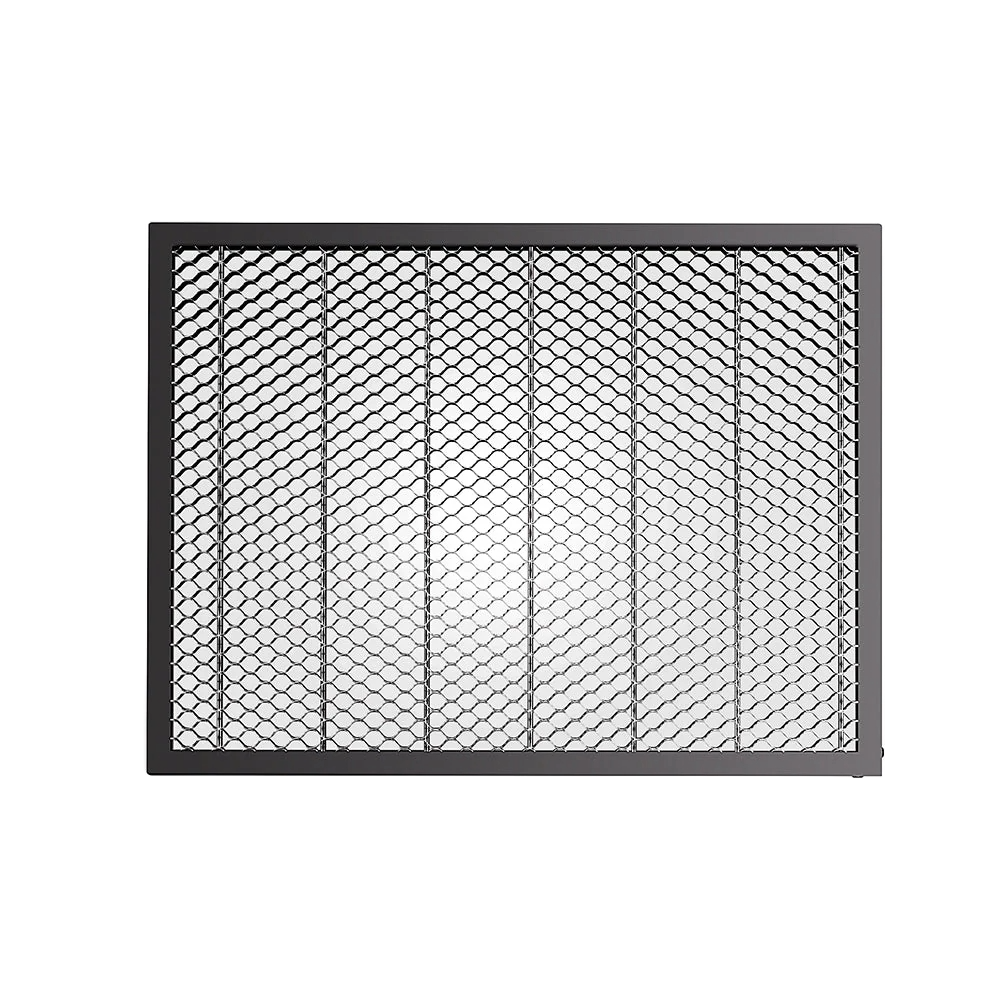
| Honeycomb bed | Supports material and reduces backside scorching | Common add-on for open-frame machines |
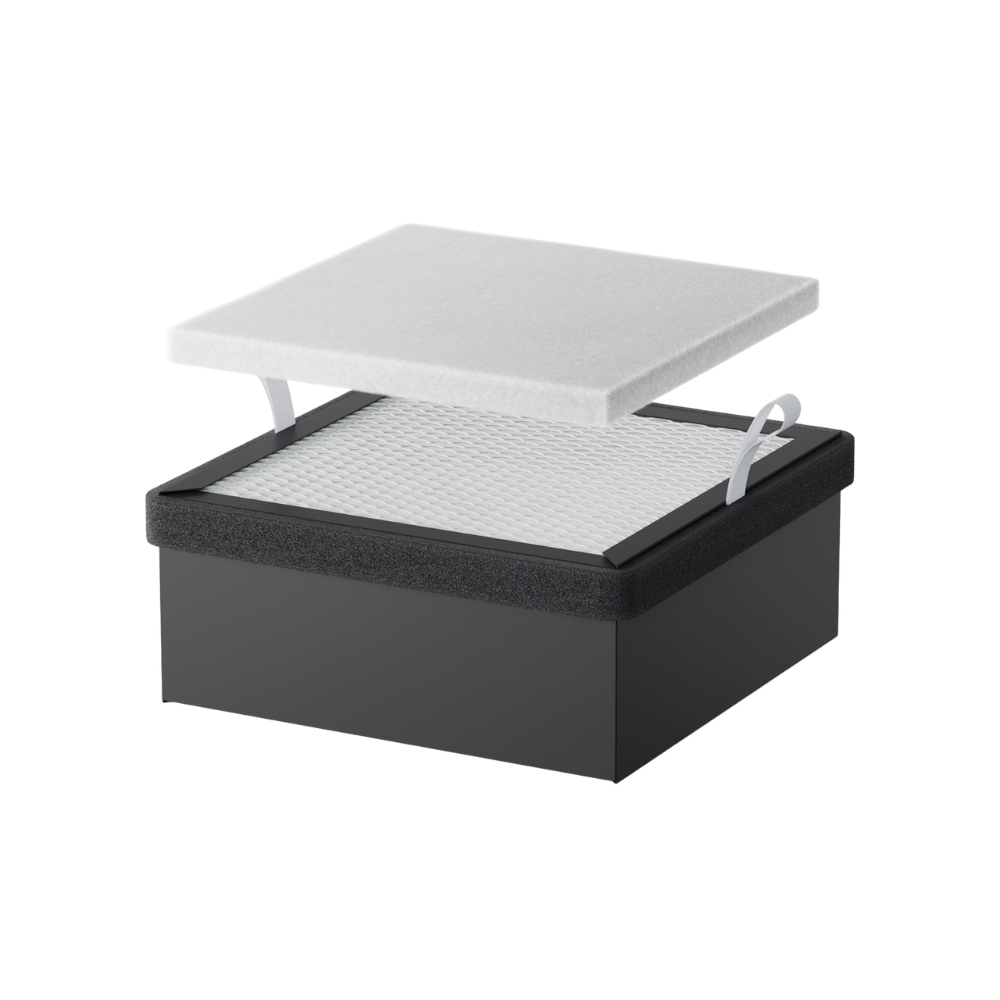
| Ventilation or fume extraction | Removes smoke, odor, and particles | Essential for indoor use |
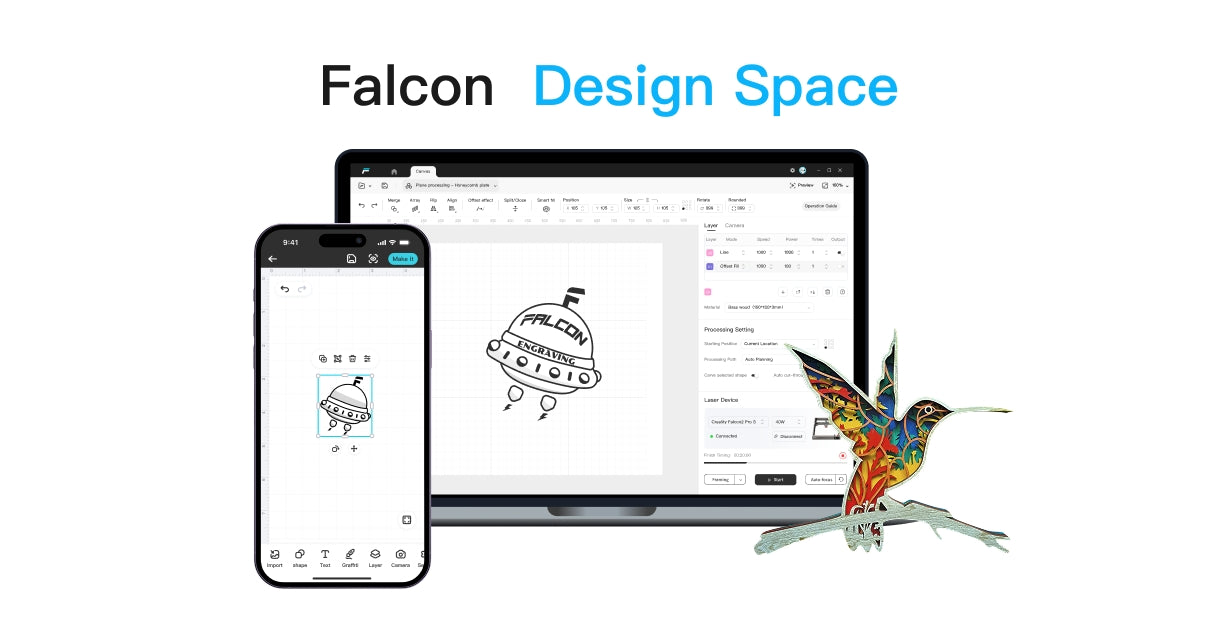
| Software | Controls design layout, speed, power, and job setup | Free tools exist, but many users budget for LightBurn |
| Replacement parts | Lenses, belts, tubes, filters, and protective windows wear over time | Higher for CO2 and production use |
Recommended Beginner Laser Cutters In 2026
The following beginner-friendly machines cover different budgets and workflows. Some are enclosed craft lasers, some are open-frame diode machines, and one is an entry-level CO2 option. Always verify current price, availability, warranty, and included accessories before buying.
| Model | Laser Type | Best Fit | Budget Note |
|---|---|---|---|
| Creality Falcon A1 | 10W diode | Enclosed beginner desktop projects | Official page recently listed it around the mid-$500 range |
| xTool M1 | Diode plus blade workflow | Crafting, cards, stickers, small gifts | Often costs more than open-frame diode machines |
| Glowforge Spark | 6W diode | Simple home craft workflow | Convenience-focused, but material limits matter |
| SCULPFUN S10 | 10W diode | Open-frame engraving and DIY upgrades | Lower machine cost, but enclosure costs may be extra |
| AtomStack Swift Mini | Compact diode | Small engraving projects | Low-cost and small, but limited for cutting |
| OMTech K40+ | CO2 | Entry-level acrylic and workshop cutting | Official pages recently showed machine-only pricing around $600 |
Prices may vary due to promotions. Please check the official website for the latest pricing.
1. Creality Falcon A1
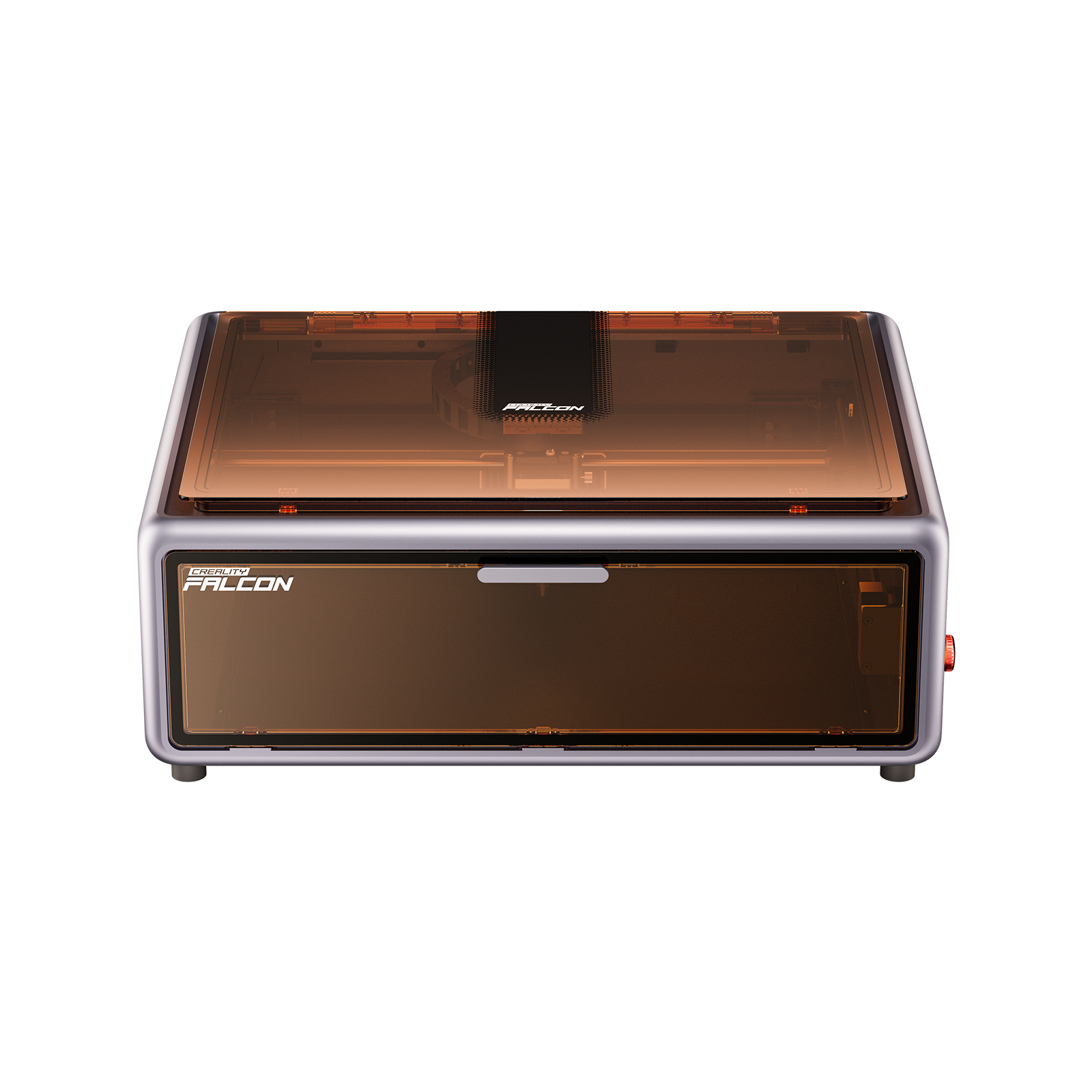
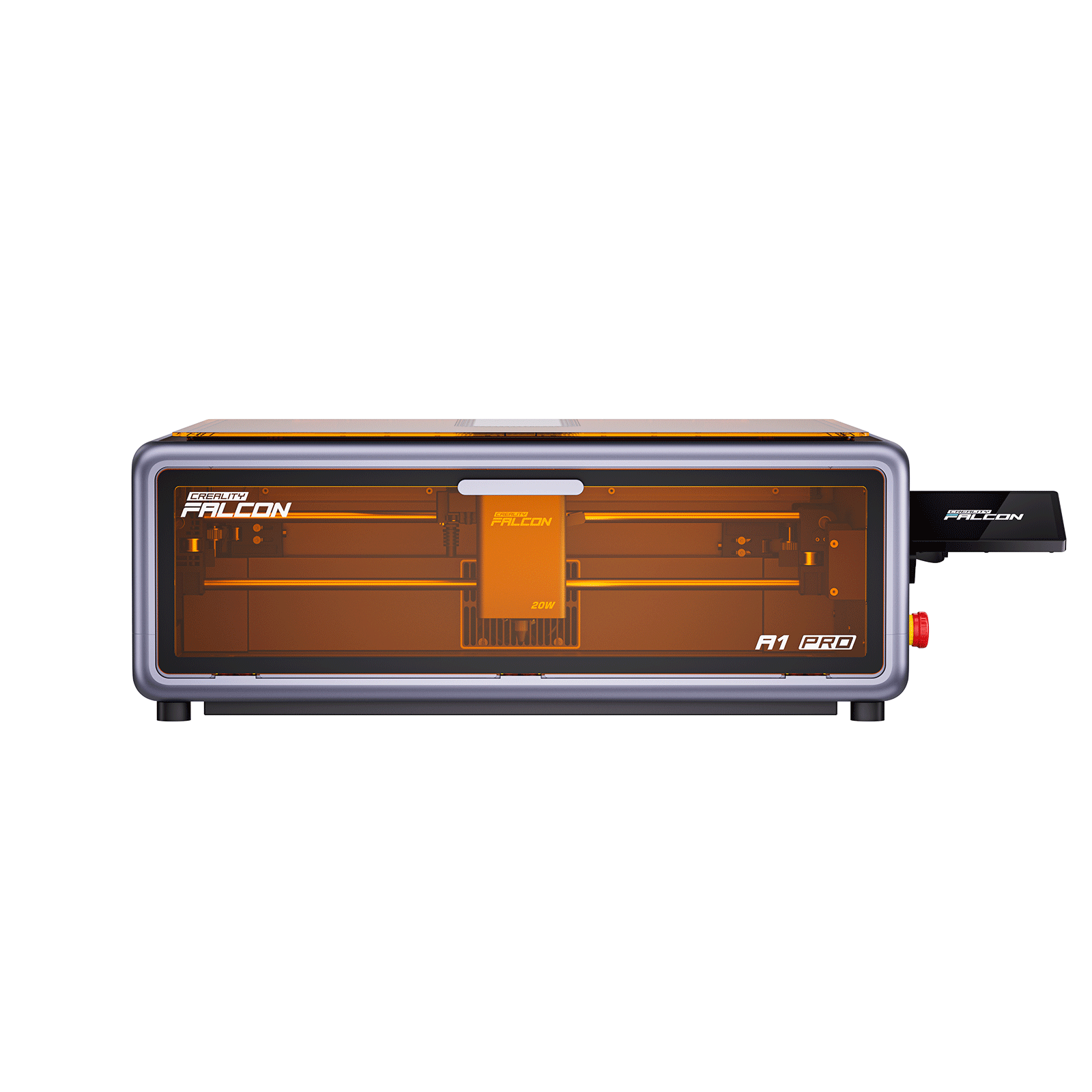
Why Choose This Product: The Creality Falcon A1 is a strong option for beginners who want an enclosed 10W diode laser without building a full safety setup from scratch.
The Falcon A1 is best for wood signs, paper crafts, leather personalization, dark acrylic work, home décor, and classroom-style projects. Creality Falcon product information lists a 10W diode module and a 305 × 381 mm working area. The enclosed design is helpful for indoor use, but users still need ventilation or fume extraction because cutting wood, leather, and acrylic can create smoke and odor.
- SPECS: 10W diode laser; 305 × 381 mm working area; enclosed desktop design; supports Falcon Design Space, LightBurn, and LaserGRBL according to Creality Falcon product information.
- PROS: Enclosed format is easier for beginners to manage than an open-frame setup.
- PROS: Good work area for signs, décor, and small batch projects.
- CONS: Like other blue diode lasers, it is not the right choice for clear acrylic cutting.
2. xTool M1
Why Choose This Product: The xTool M1 is useful for crafters who want laser processing and blade cutting in one desktop craft machine.
The xTool M1 is a good fit for cards, stickers, gift tags, thin wood pieces, leather items, and mixed-media craft projects. Its value comes from versatility rather than raw cutting power. The main tradeoff is that it is a craft-focused machine, not a heavy cutting system for thick hardwood or high-volume production.
- SPECS: Diode laser options; laser plus blade workflow; desktop enclosed craft format.
- PROS: Hybrid blade and laser workflow adds value for craft users.
- PROS: Enclosed desktop format is easier for beginners than open-frame machines.
- CONS: Thick cutting is slower than with stronger diode or CO2 machines.
3. Glowforge Spark
Why Choose This Product: The Glowforge Spark is designed for users who want a simple web-based craft laser with minimal setup friction.
Glowforge lists Spark as a 6W blue diode craft laser with a 12 × 12 inch maximum material size and an 8.5 × 11 inch maximum cutting area. It is best for small paper, wood, leather, veneer, and gift projects. However, Glowforge also notes that Spark is not compatible with clear acrylic, white acrylic, some blue acrylics, PVC vinyl, and several other materials.
- SPECS: 6W blue diode laser; 12 × 12 in maximum material size; 8.5 × 11 in maximum cutting area; Wi-Fi and web-based software workflow.
- PROS: Simple software experience for first-time users.
- PROS: Compact format for home craft spaces.
- CONS: Internet requirement and material restrictions may not fit every workflow.
4. SCULPFUN S10
Why Choose This Product: The SCULPFUN S10 is a budget-friendly open-frame diode laser for hobbyists who want a larger work area and more manual control.
SCULPFUN product information lists the S10 as a 10W diode laser with an engraving area around 385 × 385 mm and support for LaserGRBL and LightBurn. It can be a cost-effective choice, but the open-frame design means beginners should budget for eye protection, enclosure planning, ventilation, and fire-safe operating habits.
- SPECS: 10W diode laser; about 385 × 385 mm engraving area; LaserGRBL and LightBurn support listed by SCULPFUN.
- PROS: Large work area for the price category.
- PROS: Good fit for users who want manual control and upgrade options.
- CONS: Open-frame design requires extra safety planning and possible accessory costs.
5. AtomStack Swift Mini
Why Choose This Product: The AtomStack Swift Mini is best treated as a compact engraving-first machine for small items rather than a full laser cutter.
The Swift Mini fits users who mainly personalize coasters, wallets, tags, phone cases, and small desktop gifts. Its value is portability and simplicity. The tradeoff is a small work area and limited cutting ability, so buyers should confirm current specifications and accessories on the official AtomStack page before purchase.
- SPECS: Compact beginner diode engraver; exact current specifications should be verified on the official AtomStack product page.
- PROS: Small footprint for light engraving projects.
- PROS: Better suited to tiny personalized items than large signs.
- CONS: Limited work area and cutting capacity.
6. OMTech K40+
Why Choose This Product: The OMTech K40+ is a better entry point for beginners who specifically need CO2 laser behavior for acrylic and workshop cutting.
The OMTech K40+ uses a CO2 laser tube rather than a blue diode module. OMTech product pages list a compact 8 × 12 inch working area and a detachable honeycomb workbed. It is more capable for clear acrylic than a diode machine, but it requires more attention to cooling, exhaust, alignment, cleaning, and maintenance.
- SPECS: CO2 desktop laser; 8 × 12 in working area listed by OMTech; detachable honeycomb workbed on current K40+ product pages.
- PROS: Better suited to clear acrylic than blue diode lasers.
- PROS: Useful learning platform for CO2 laser workflows.
- CONS: Requires cooling, ventilation, alignment, and more maintenance than most diode machines.
How Much Should Beginners Spend On A Laser Cutter
Most beginners should avoid buying the cheapest machine without planning for accessories. A realistic starter budget is often $500 to $1,500 if you want a machine, basic safety setup, ventilation, and enough materials to learn properly.
 If you only want to engrave wood, leather, and small gifts, a budget diode laser may be enough. If you want safer indoor use, consider an enclosed diode laser. If clear acrylic is central to your work, you should usually budget for a CO2 machine instead of trying to force a blue diode laser into the wrong job.
FAQ
1. Are Cheap Laser Cutters Worth It
Cheap diode lasers can be worth it for learning engraving basics, testing simple projects, and making small wooden or leather items. They are less suitable for thick materials, clear acrylic, and high-volume cutting. The hidden cost is that you may still need air assist, ventilation, a honeycomb bed, and an enclosure.
2. Do I Need To Buy Software Separately
Many laser cutters include free software from the manufacturer. Some users later buy LightBurn because it offers strong layout, control, and workflow features. Before buying, check whether your machine supports the software you want, because software compatibility affects daily usability.
3. What Are The Hidden Costs Of A Laser Cutter
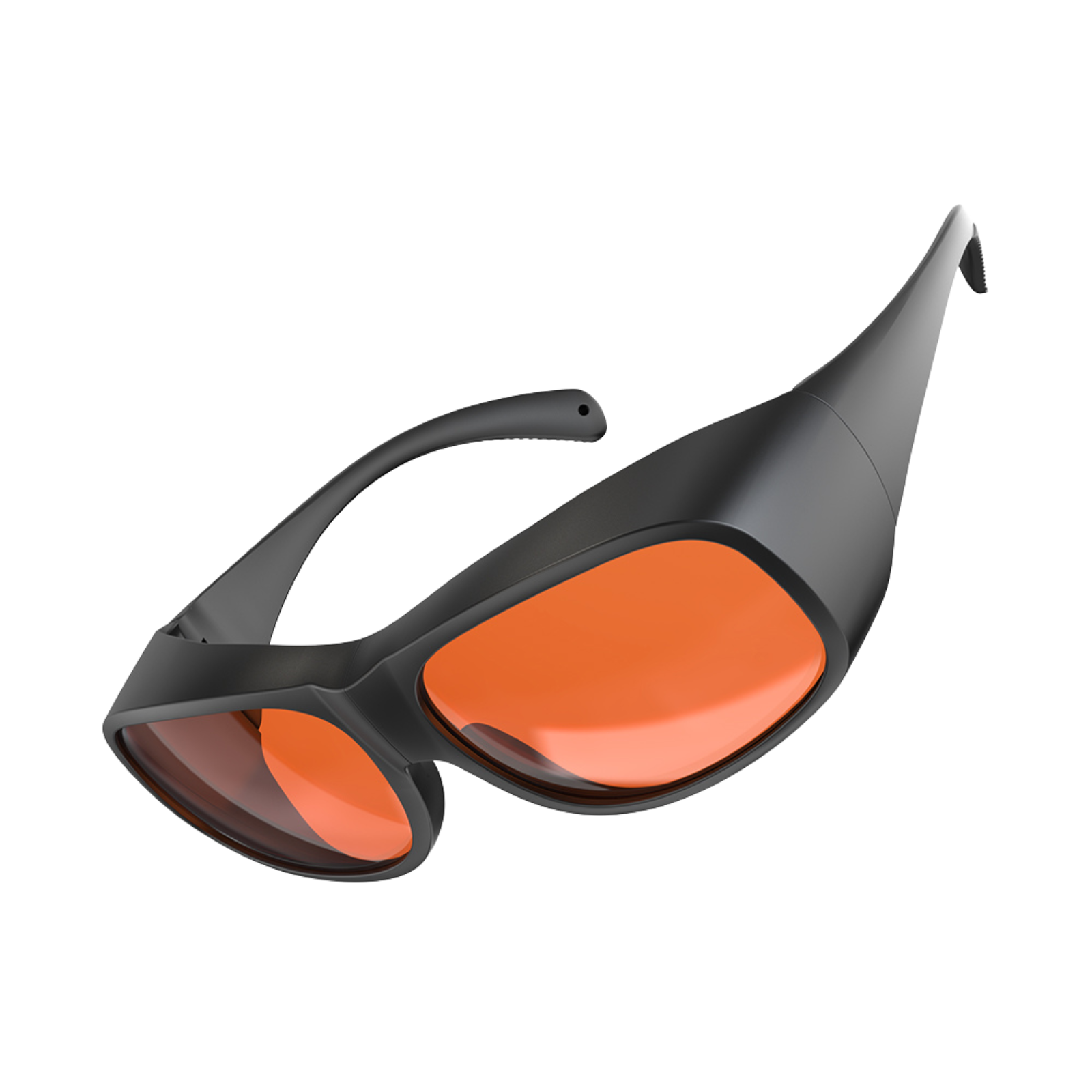
The most common hidden costs are materials, ventilation, air assist, honeycomb beds, safety glasses, enclosure upgrades, replacement lenses, filters, and software. CO2 machines may also need cooling support and tube maintenance. These costs can change a cheap machine into a larger investment.
4. How Much Does It Cost To Run A Laser Cutter
Electricity costs are usually not the biggest expense for small desktop machines. The main ongoing costs are raw materials, failed test pieces, replacement parts, filters, lenses, laser tubes, and maintenance items. Production users should also account for downtime and consumables.
5. Can A $300 Laser Cutter Make Money
Yes, a $300 diode laser can make money if the products are simple, small, and priced well. Common examples include coasters, tags, ornaments, keychains, and personalized gifts. The limitation is speed and material capacity, so profit depends more on niche selection and design quality than raw machine power.
Conclusion
Understanding how much a laser cutter costs means looking beyond the sticker price. A basic diode laser may start near $200, but a safer and more capable beginner setup often lands closer to $500 to $1,500 once accessories and ventilation are included.
If you want light engraving, a diode laser may be enough. If you want clear acrylic, consider CO2. If you need metal marking, look at fiber. The best laser cutter for 2026 is not simply the cheapest or most powerful machine; it is the one that matches your materials, safety needs, work volume, and real budget.
Smarter Camera, Craft Easier
10W Diode Laser Engraver and Cutter

Recent News

12 World Cup Laser Engraving Ideas for Fans
Explore world cup laser engraving ideas for fan gifts, tumblers, coasters, signs, and safe soccer-inspired designs makers can...

What Materials Does a Laser Cutter Cut Safely
Find out what materials does a laser cutter cut, which plastics to avoid, and how CO2, diode, and...

7 Best Laser Engravers Under $1000
Quick Answer:The best laser engraver under $1000 should be chosen by total setup cost, not machine price alone.For most...