
























Choosing the Best Laser Engraver for Stone: A Buyer's Guide

Quick Answer:
A laser engraver for stone can create visible marks on selected stone surfaces such as slate, dark granite, marble, river stones, and coated stone blanks.
However, most desktop diode lasers are better suited for surface marking, surface etching, or coated stone engraving.
They are not designed for deep stone carving or 3D relief carving.
What Stone Laser Engraving Really Means
Laser engraving can create visible marks on selected stone surfaces, but it is important to set the right expectation before choosing a machine. In most desktop laser workflows, “stone engraving” usually means surface marking, surface etching, or coated stone engraving, not traditional stone carving.
A compact desktop diode laser may mark slate coasters, dark stone tiles, coated granite pieces, or small decorative blanks. It can create contrast on the surface, but it does not remove large amounts of stone material like a chisel, CNC router, or industrial stone carving system.
If your goal is deep lettering, sculpted texture, or 3D relief carving in stone, you should look beyond a beginner desktop laser engraver. Those jobs usually require higher-power CO2 systems, fiber systems, CNC carving, or industrial equipment.
3 Types of Stone Laser Engraving
Stone laser projects are easier to understand when you separate them into three practical categories.
These categories help prevent a common mistake: assuming that all laser stone engraving means deep carving.
1. Surface Marking or Surface Etching
Surface marking or surface etching means the laser creates a visible contrast on the top layer of the stone without removing much stone material. This is the most realistic use case for most desktop diode laser users.
On slate, dark tiles, or certain polished stones, the laser may lighten, texture, or slightly fracture the surface enough to create a readable design. This can work well for coasters, nameplates, decorative tiles, small gifts, and simple logos.
This is not deep stone carving. The result is usually shallow and visual rather than sculpted or deeply recessed.
2. Coated Stone Engraving
Coated stone engraving means the laser works mainly on a coating, paint layer, spray layer, or pretreated surface. Instead of removing stone itself, the laser changes or removes the top layer to reveal contrast.
This can be a more practical path for diode laser users because the coating may respond more predictably than raw stone. Coated stone blanks, painted tiles, or pretreated granite pieces can produce clearer designs than untreated stone.
The key difference is that coated engraving is still surface-level. It can look clean and high-contrast, but it does not mean the laser has carved deeply into the stone body.
3. Deep Relief or 3D Stone Carving
Deep relief or 3D stone carving is a different class of work. It involves removing enough material to create depth, texture, shadows, or sculpted shapes in the stone.
This type of process requires much more energy, a more suitable toolpath, and equipment designed for material removal. Users who need deep stone carving should consider high-power CO2 lasers, fiber laser engravers, CNC routers, or industrial stone systems depending on the material and depth required.
A desktop diode laser engraver should not be positioned as a professional stone carving machine. It is better suited to selected surface marking and coated engraving tasks.
5 Factors to Consider Before Buying
1. Laser Type
Laser type is the first decision. A diode laser is compact and beginner-friendly, but it is mainly suitable for selected surface marking and coated stone engraving. It is not the right tool for deep material removal.
A CO2 laser engraver or industrial system may be more appropriate for deeper relief-style stone engraving, depending on stone type, power, passes, and workflow. Fiber lasers may be useful for certain stone marking tasks, especially where high contrast or industrial marking is needed.
2. Power Output
Do not treat wattage as a universal answer. For diode lasers, 20W is more suitable for surface marking or coated stone engraving than lower-power beginner machines. It does not mean a 20W diode laser can carve all stone deeply.
For deeper relief-style stone engraving, users should consider higher-power CO2, fiber, CNC, or industrial systems and always test the stone first.
3. Stone Type
Stone is not a uniform material. Slate, granite, marble, river stones, and sandstone all react differently because of color, mineral composition, texture, surface finish, and coating.
Stone engraving results vary by stone type, color, coating, thickness, mineral composition, and surface finish. Users should always run a material test grid before making final projects.

4. Work Area and Stone Shape
Flat, small, stable stone blanks are easier to process than large, uneven, curved, or heavy pieces. Slate coasters and flat coated tiles are more beginner-friendly than natural river stones or irregular stone slabs.
Make sure the machine can hold the stone securely and that the focus distance remains consistent across the engraving area.
5. Software and Test Workflow
Stone marking usually needs testing. Choose a machine and software workflow that lets you adjust speed, power, passes, grayscale, dithering, and image contrast.
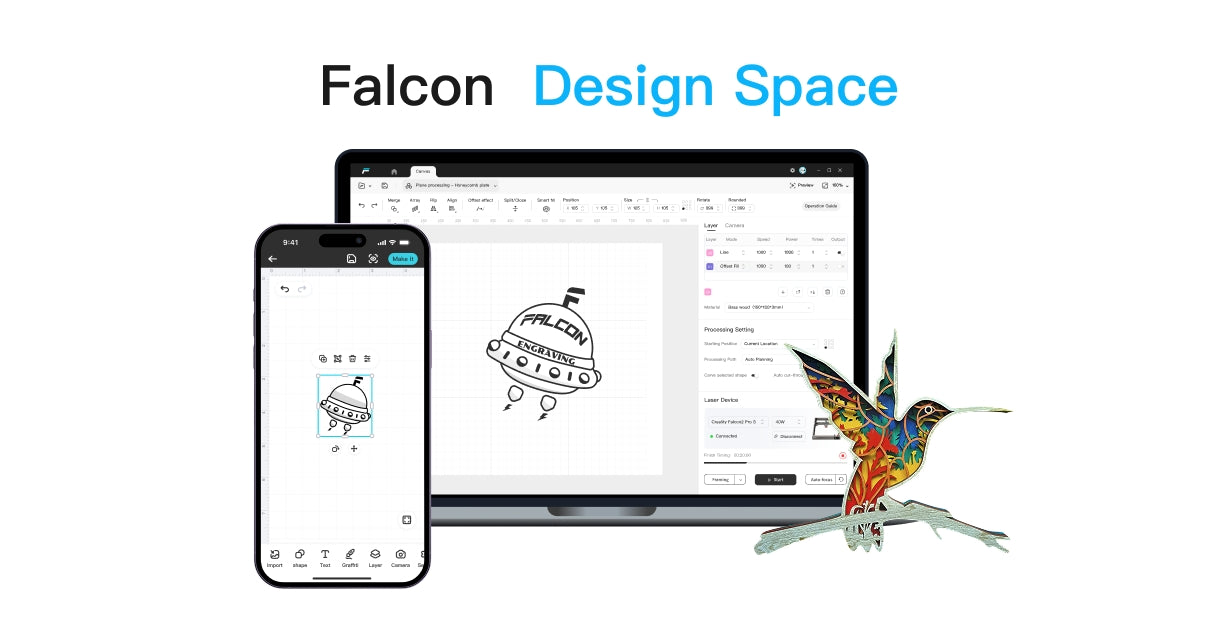
For beginners using Creality Falcon machines, Falcon Design Space can help with basic layout and project setup. More advanced users may prefer LightBurn for deeper control over image processing and test grids.
6 Stone Materials and How They Perform
| Stone Type | Laser Suitability | Best Use | Important Note |
|---|---|---|---|
| Slate | Good for surface marking | Coasters, decorative plaques, gifts | Often produces clearer contrast than many other stones |
| Dark granite | Testable for surface marking or coated engraving | Tiles, plaques, decorative pieces | Results depend heavily on color and surface finish |
| Marble | Unstable and variable | Decorative testing, light surface designs | Veining and color can reduce contrast |
| River stones | Highly variable | Small gifts, experimental projects | Shape, texture, and mineral mix vary from stone to stone |
| Sandstone or porous stone | Not recommended for beginners | Usually poor fit for clean marking | Porous texture may create weak or unclear results |
| Coated stone blanks | Often better for diode lasers | Personalized gifts, tiles, plaques | The laser mainly affects coating or surface treatment |
Slate and coated stone blanks are usually the easiest starting points. Dark granite can work, but it needs testing. Marble and river stones are less predictable. Sandstone and very porous stone are usually not ideal for clean beginner projects.
7 Steps for Better Stone Engraving Results
1. Clean the Stone Surface
Remove dust, oil, fingerprints, and loose particles before engraving. A dirty surface can reduce contrast and make the final mark look uneven.
2. Secure the Workpiece
Stone is heavy and can shift if it is not placed firmly. Make sure the stone is flat, stable, and positioned safely before starting the job.
3. Run a Material Test Grid
A test grid helps you compare speed, power, passes, and image settings. Do not go directly into a final customer project without testing a small area first.
4. Adjust Speed Power and Passes
Start conservatively and adjust based on contrast, dust, surface change, and edge clarity. More power is not always better on stone because too much heat can create weak contrast, powdery marks, or surface damage.
5. Use Grayscale or Dithering for Photos
Photo engraving on stone is sensitive to contrast. Use proper grayscale or dithering settings so the design translates into readable tonal variation instead of muddy patches.
6. Clean Dust After Engraving
After engraving, remove stone dust from the surface and from inside the machine. Dust can affect optics, rails, belts, fans, and future engraving quality.
7. Consider Sealant for Finished Projects
Depending on the stone and use case, a sealant may help protect the surface or improve contrast. Test sealant on a sample first because it can change the look of the engraving.
When Is Falcon A1 Pro Suitable for Stone Engraving
1. Creality Falcon A1 Pro
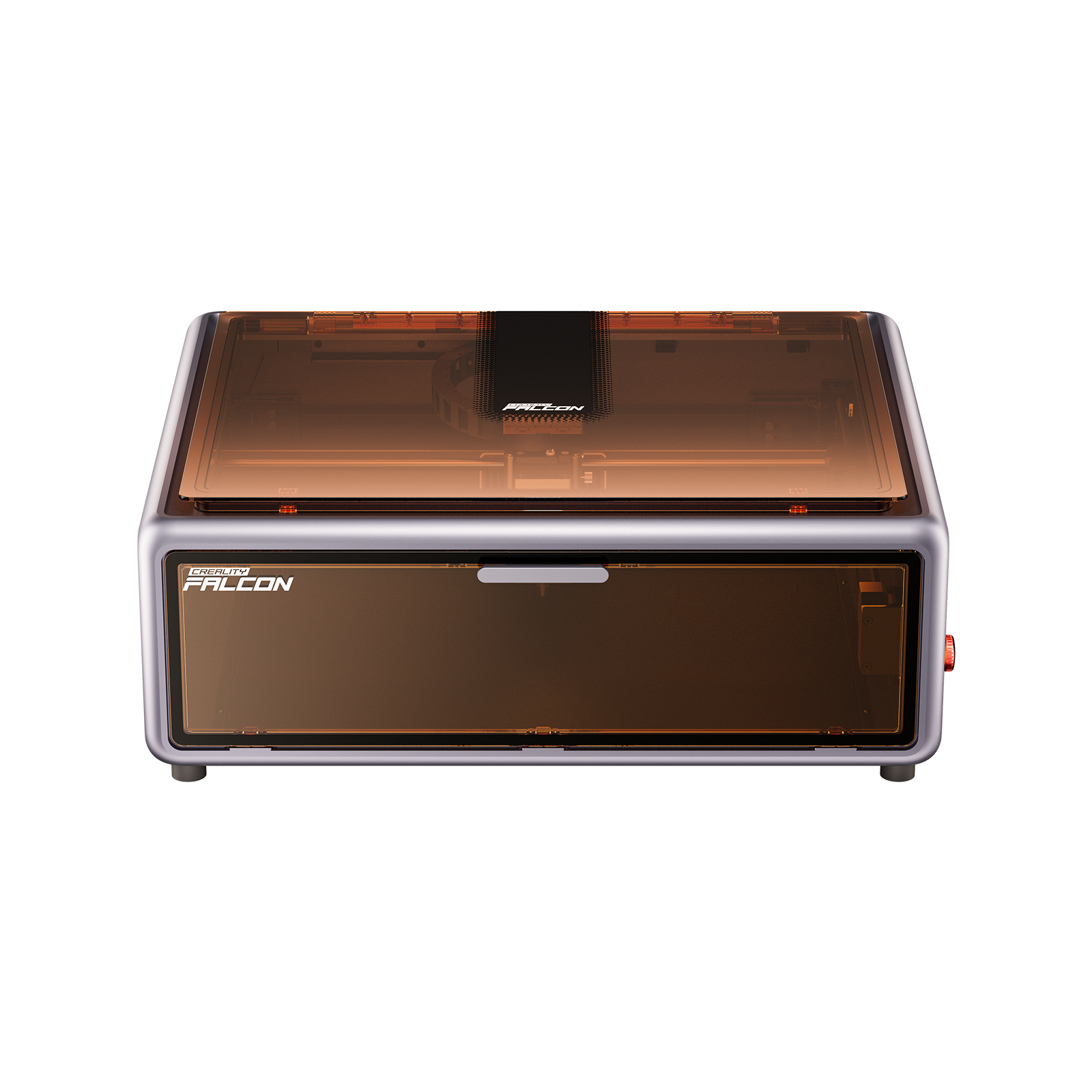
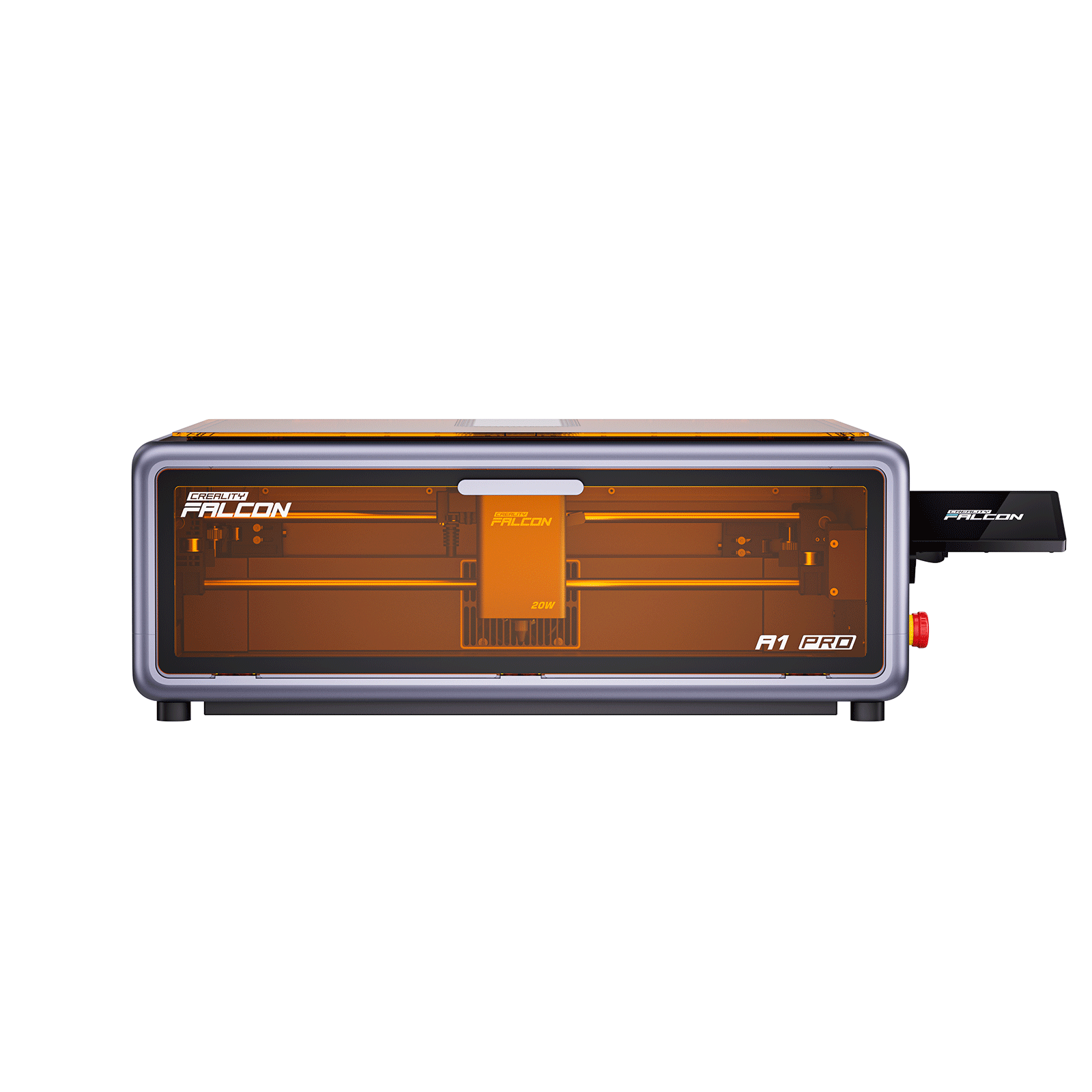
Why Choose This Product: The Creality Falcon A1 Pro is suitable for beginners who want to test surface marking or coated engraving on selected stone blanks, such as slate coasters, dark stone tiles, or coated granite pieces.

For stone-related projects, the A1 Pro is most practical on flat, selected materials where surface contrast is the goal. Examples include slate coasters, decorative stone tiles, coated stone blanks, small gift items, and experimental personalized designs.
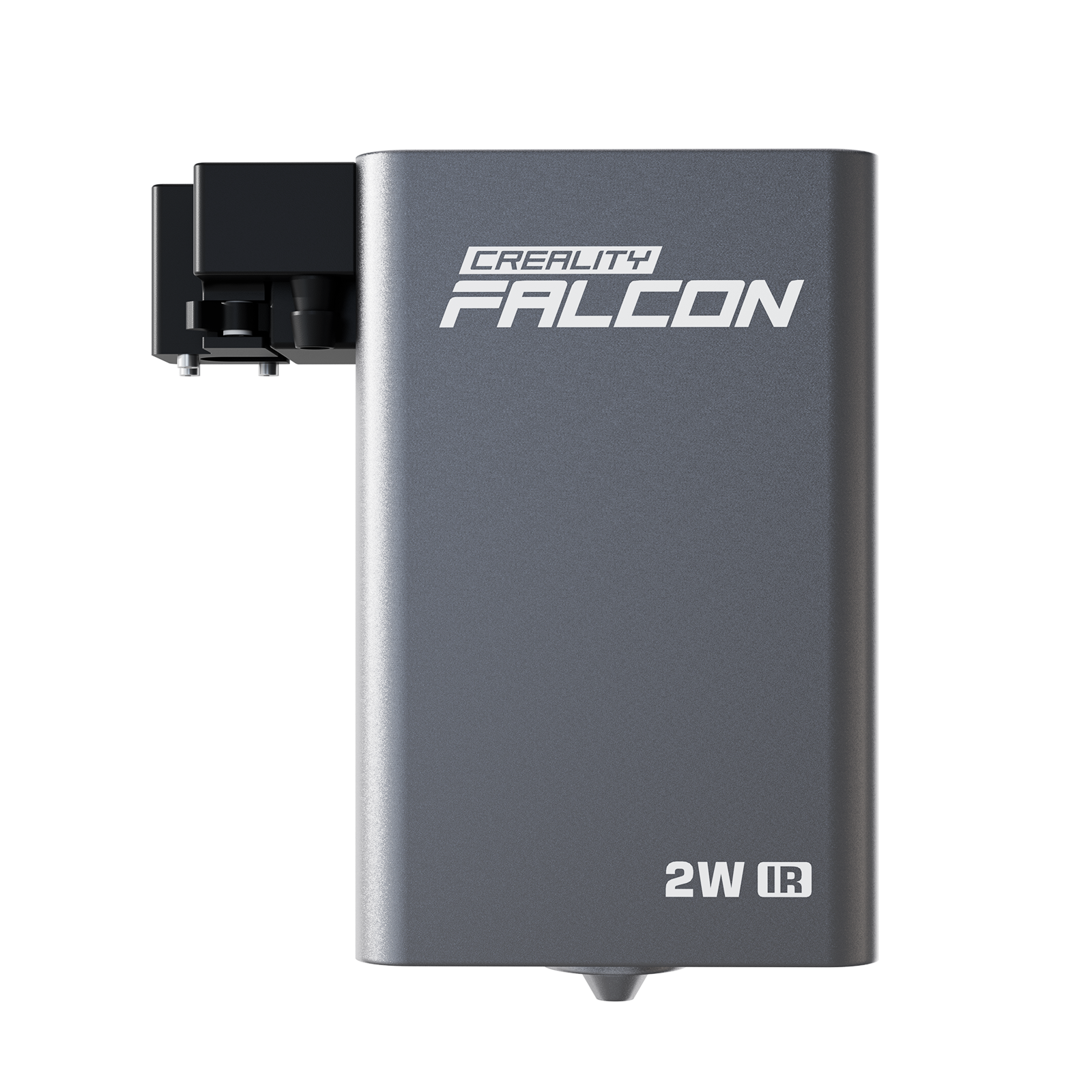
- SPECS: 20W diode laser; optional 2W IR module depending on bundle or configuration; enclosed desktop design; AI visual autofocus; touchscreen and app control; supports Falcon Design Space, LightBurn, and LaserGRBL workflows.
- PROS: Beginner-friendly enclosed desktop workflow.
- PROS: Suitable for selected surface marking and coated engraving tests.
- PROS: Useful for small personalized stone gifts such as slate coasters and coated blanks.
- CONS: Not designed for deep 3D stone carving or industrial stone production.
Prices may vary due to promotions. Please check the official website for the latest pricing.
6 Safety Rules for Stone Laser Engraving
- Do not engrave unknown stone or unknown coatings: Some coatings, fillers, sealants, or treatments may release unsafe fumes.
- Use ventilation or filtration: Stone engraving can create dust, fumes, and fine particles.
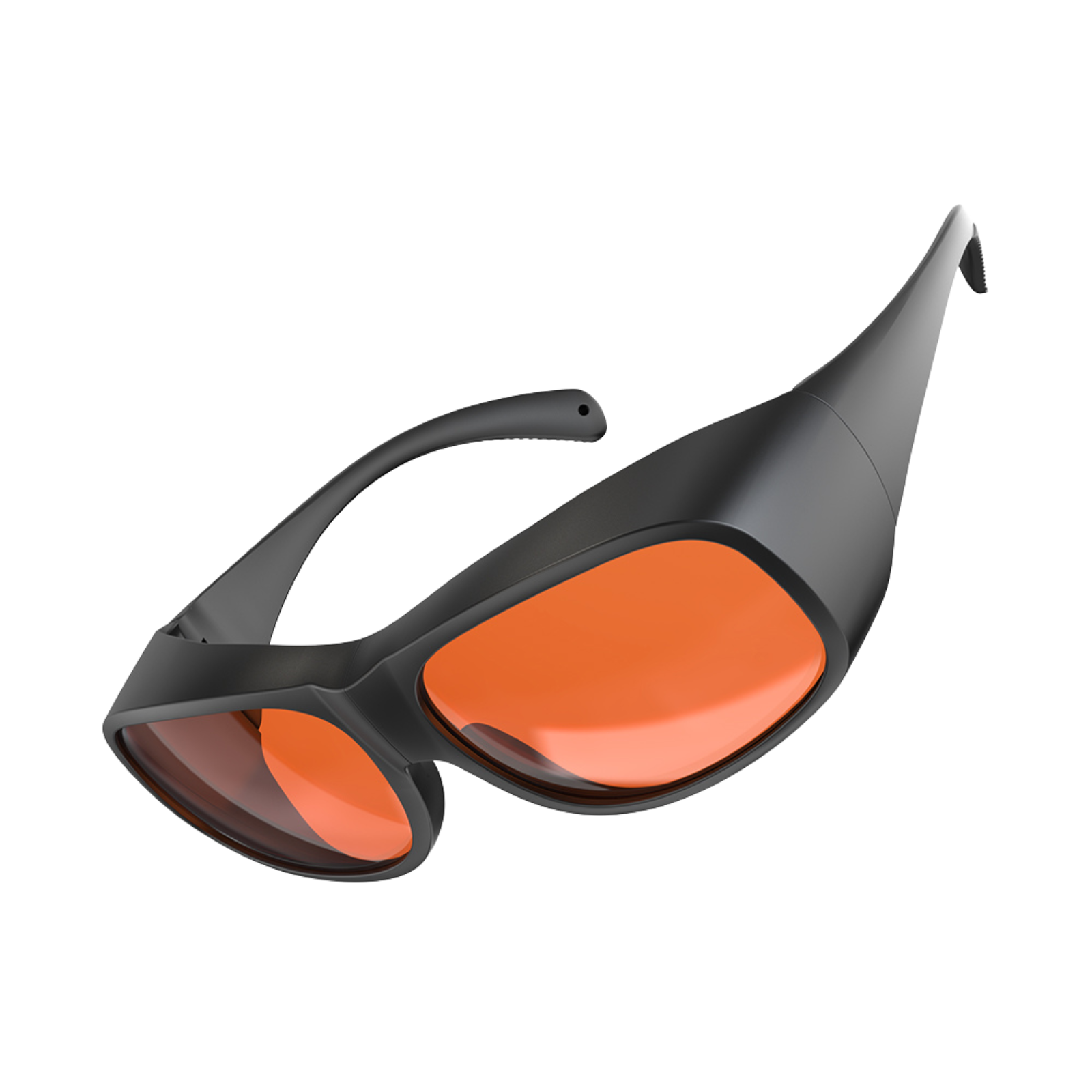
- Wear appropriate laser safety glasses: Follow the safety requirements for your laser wavelength and machine type.
- Never leave the machine unattended: Even surface marking can create heat, dust, or unexpected material reactions.
- Clean the machine after stone jobs: Remove dust from the lens area, rails, belts, fan path, and machine interior.
- Test before batch production: Never assume two stones will engrave the same way, especially natural stones.
Common Buyer Questions About Stone Laser Engraving
Common buyer concerns usually focus on whether a diode laser can engrave stone, whether 20W is enough, which stones create the clearest contrast, and whether a desktop machine can replace traditional carving tools.
The safest answer is that diode lasers are useful for selected surface marking and coated stone engraving, but not for deep stone carving. If you need relief carving, deep lettering, or high-volume industrial stone production, choose more specialized equipment.
FAQ
1. Can a Diode Laser Engrave Stone?
Yes, but usually for surface marking or coated stone engraving, not deep stone carving.
A diode laser can create visible contrast on selected stone surfaces, especially slate or coated stone blanks, but results vary widely.
2. Can Falcon A1 Pro Engrave Stone?
Yes, the Falcon A1 Pro can be used for surface marking or coated engraving on selected stone materials, such as slate or coated stone blanks. It is not designed for deep 3D stone carving.
3. What Is the Best Stone for Beginner Laser Engraving?
Slate and coated stone blanks are usually easier for beginners because they can produce clearer contrast. Dark granite can also be tested, but results depend on color and surface finish.
4. Can a 20W Diode Laser Carve Stone Deeply?
No. A 20W diode laser is better suited for surface marking or coated engraving. Deep relief carving requires more powerful or specialized equipment, such as high-power CO2, fiber, CNC, or industrial systems.
5. Do I Need to Test Stone Before Engraving?
Yes. Stone varies greatly by color, coating, texture, mineral composition, and surface finish. A test grid is necessary before making final projects or customer orders.
6. Is Marble Good for Laser Engraving?
Marble can be engraved or marked, but results are often less predictable than slate. Veining, color variation, and surface finish can affect contrast and clarity.
Conclusion
Choosing the best laser engraver for stone starts with understanding the difference between surface marking and deep carving. Most desktop diode lasers are realistic tools for selected surface etching, coated stone engraving, and small personalized projects, not traditional stone carving.
If you want to create slate coasters, coated stone gifts, decorative tiles, or small personalized blanks, the Falcon A1 Pro can be a practical beginner-friendly option when used with material tests and realistic expectations. If you need deep stone carving, 3D relief, or industrial stone production, choose higher-power CO2, fiber, CNC, or industrial equipment instead.

Recent News

What Materials Does a Laser Cutter Cut Safely
Find out what materials does a laser cutter cut, which plastics to avoid, and how CO2, diode, and...

7 Best Laser Engravers Under $1000
Quick Answer:The best laser engraver under $1000 should be chosen by total setup cost, not machine price alone.For most...

CNC Vs Laser Cutter Which Tool Is Right For You
Compare CNC vs laser cutter tools for wood, acrylic, metal, 3D carving, precision, safety, and beginner projects to...