






















7 Best Laser Engravers Under $1000

Quick Answer:
The best laser engraver under $1000 should be chosen by total setup cost, not machine price alone.
For most beginners, an enclosed diode machine is safer and easier to live with than the cheapest open-frame laser cutter under 1000.
7 Best Laser Engravers Under $1000
A laser engraver under $1000 can be a smart first machine, but the budget has to cover more than the laser itself.
Wood cutting brings smoke, odor, flame risk, air assist needs, exhaust planning, spare materials, and test grids.
A low checkout price can become a false economy if the machine needs every safety and workflow accessory separately.

For this list, the main picks stay focused on machines that fit the under $1000 intent by catalog reference data or internal catalog fit.
| Pick | Budget Fit | Best For | Main Trade-Off |
|---|---|---|---|
| Falcon A1 | Under $1000 by internal catalog reference | Best enclosed Creality Falcon beginner pick | 10W diode, not for thick production cutting |
| Glowforge Spark | $899 catalog reference price | Simple compact craft workflow | 6W diode and internet-required software |
| xTool M2 | From $599 catalog reference price | Color craft and print-then-cut projects | Feature mix may be more craft-focused than cutter-focused |
| AtomStack P1 | From $299 catalog reference price | Compact enclosed entry engraving | Small 110 x 110 mm bed |
| AtomStack Swift | From $199 catalog reference price | Lowest-cost open-frame learning | Needs ventilation, eye safety, and setup planning |
| AtomStack A20 Pro V2 | From $649.98 catalog reference price | Stronger open-frame diode cutting | Not enclosed |
| AtomStack Atelier | From $899 catalog reference price | Small enclosed camera workflow | Exact laser wattage should be verified |
1. Falcon A1
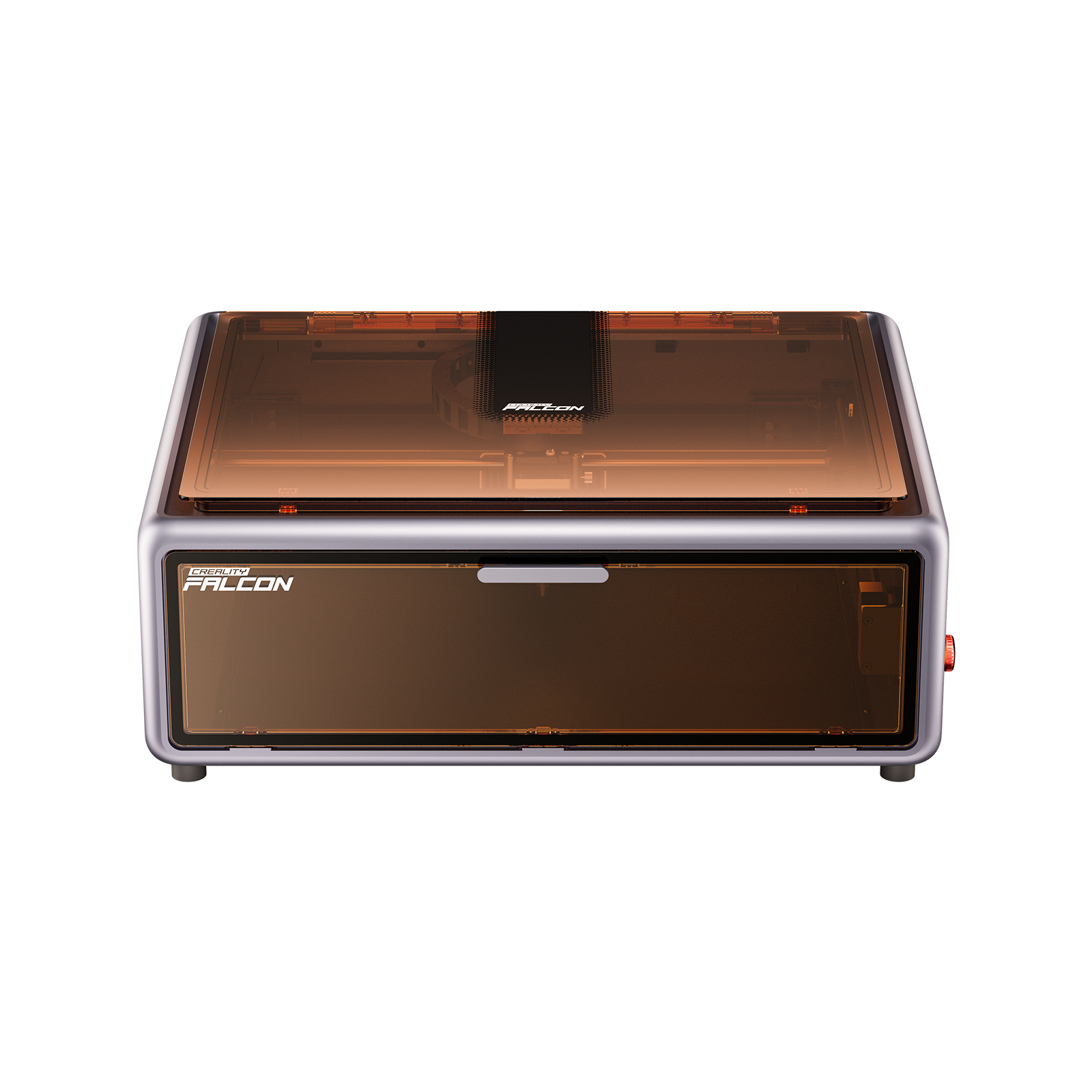
Why Choose This Product: The Falcon A1 is the best Creality Falcon pick for buyers who want an enclosed beginner workflow inside the under $1000 decision range.
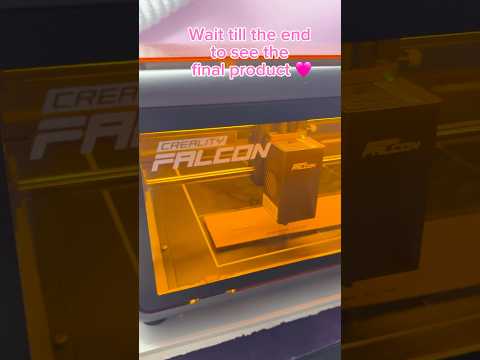
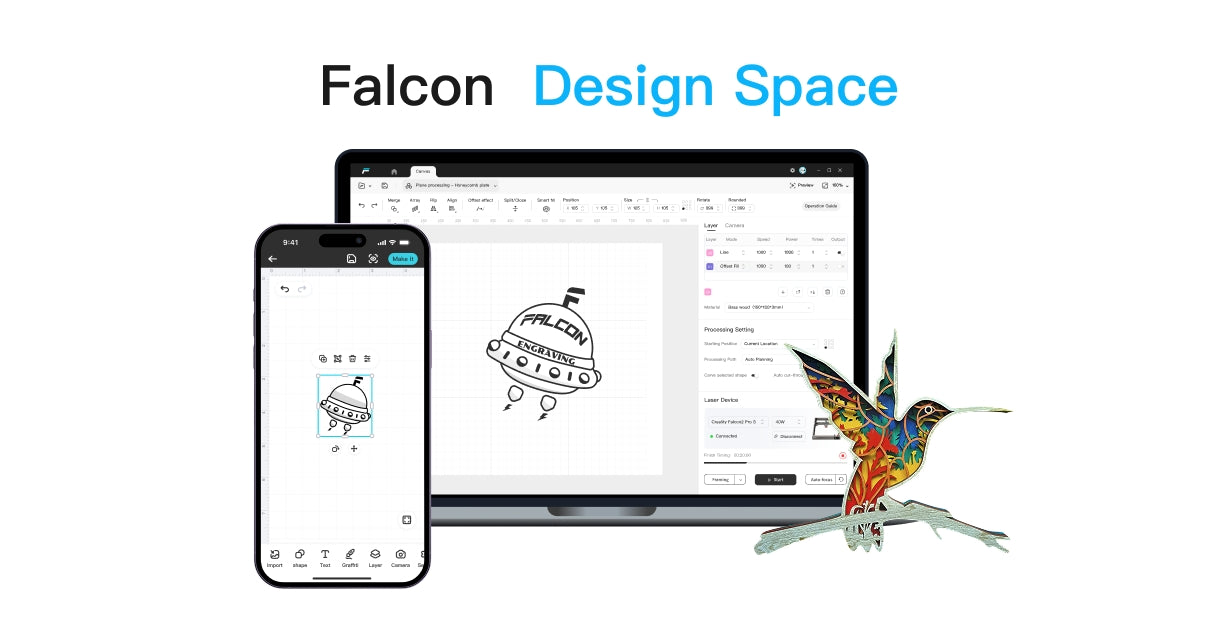
Falcon A1 makes sense because it solves the biggest beginner problem first: safe and repeatable setup. Its catalog specs list a 10W diode laser, 305 x 381 mm bed, Class 1 enclosed design, Falcon Design Space, LightBurn, LaserGRBL support, a 0.06 x 0.08 mm spot, and 10000 mm/min speed.
This is the machine I would put in front of a new home user before a bare open-frame system. It is realistic for thin wood, paper, cardboard, leather tags, ornaments, and small craft projects. It is not a shortcut for thick plywood or production cutting, and users should still test every material before making finished products.
2. Glowforge Spark
Why Choose This Product: Glowforge Spark is a compact enclosed craft laser for buyers who want simple software more than maximum cutting power.
Glowforge Spark has a $899 catalog reference price. Its specs list a 6W diode laser, 8.5 x 11 in maximum cutting area, 12 x 12 in maximum material size, enclosed compact craft laser design, Glowforge Print web software, Wi-Fi and internet-required connectivity, Preview Mode, and simple setup.
It is a good fit for light craft users, schools, and home makers who want a guided workflow. The limitation is power per dollar. A 6W diode is best treated as an engraving and light cutting tool, not a serious wood-cutting workhorse.
3. xTool M2
Why Choose This Product: xTool M2 is useful when the buyer wants a laser workflow mixed with color craft and print-then-cut options.
xTool M2 has a starting catalog reference price of $599. Its specs list a 10W or 20W diode laser, optional 3W IR module, full-color CMYK inkjet module, enclosed desktop color craft machine design, xTool Creative Space, USB and Wi-Fi connectivity, dual-camera positioning, RA3 Lite support, and air purifier accessory support.
This is not the purest laser cutter under 1000 if the only goal is wood cutting, but it is interesting for mixed-media creators. If you make stickers, cards, custom gifts, and color craft products, the non-laser functions may matter as much as laser power.
4. AtomStack P1
Why Choose This Product: AtomStack P1 is a compact enclosed pick for users who want a very small entry machine instead of a large open-frame setup.
AtomStack P1 has a starting catalog reference price of $299. Its specs list a 5W diode and 1.2W IR dual-laser setup, 110 x 110 mm bed, fully enclosed Class 1 design, AtomStack Studio interface, and compact dual-laser enclosed engraving for wood and metal or plastic marking.
The strength is its enclosed compact format. The weakness is also obvious: the work area is small. It is better for tags, small blanks, learning, and light marking than for larger wood signs or batch cutting.
5. AtomStack Swift
Why Choose This Product: AtomStack Swift is the lowest-cost open-frame option for buyers who already understand the safety setup.
AtomStack Swift has a starting catalog reference price of $199. Its specs list a 7W or 12W diode laser, 300 x 300 mm bed, open-frame design, AtomStack Studio, LightBurn, LaserGRBL support, modular 5-minute assembly, and a budget-friendly open-frame engraver format.
This is attractive for experimenters, but it is not the safest default for casual indoor beginners. The buyer must plan exhaust, eye protection, a safe work surface, air assist, fire supervision, and material testing before calling it a complete budget setup.
6. AtomStack A20 Pro V2
Why Choose This Product: AtomStack A20 Pro V2 is a stronger open-frame diode option for users who want more cutting power under the $1000 range.
AtomStack A20 Pro V2 has a starting catalog reference price of $649.98. Its specs list a 20W diode laser, 400 x 365 mm bed, open-frame design, LaserGRBL, LightBurn, AtomStack Studio, flame detection, tip-over alarm, resume engraving, and 400 mm/s speed.
This makes more sense in a garage, workshop, or maker space than in a living room. It gives more diode cutting headroom than small craft lasers, but the open-frame design means the user owns the safety and ventilation plan.
7. AtomStack Atelier
Why Choose This Product: AtomStack Atelier is a small enclosed desktop option for buyers who want camera support and conveyor expansion near the top of the budget range.
AtomStack Atelier has a starting catalog reference price of $899. Its specs list a diode laser with exact wattage to be verified, 120 x 120 mm bed, 120 x 350 mm with conveyor, enclosed desktop design, AtomStack Studio, built-in camera, conveyor extension, and optional air purifier.
It is not the best pick for large projects, but it can fit buyers who want a compact enclosed workflow. Because the exact wattage should be verified, I would treat it as a careful comparison option rather than a default first recommendation.
5 Costs That Can Push a Laser Cutter Over $1000
1. Enclosure and Exhaust
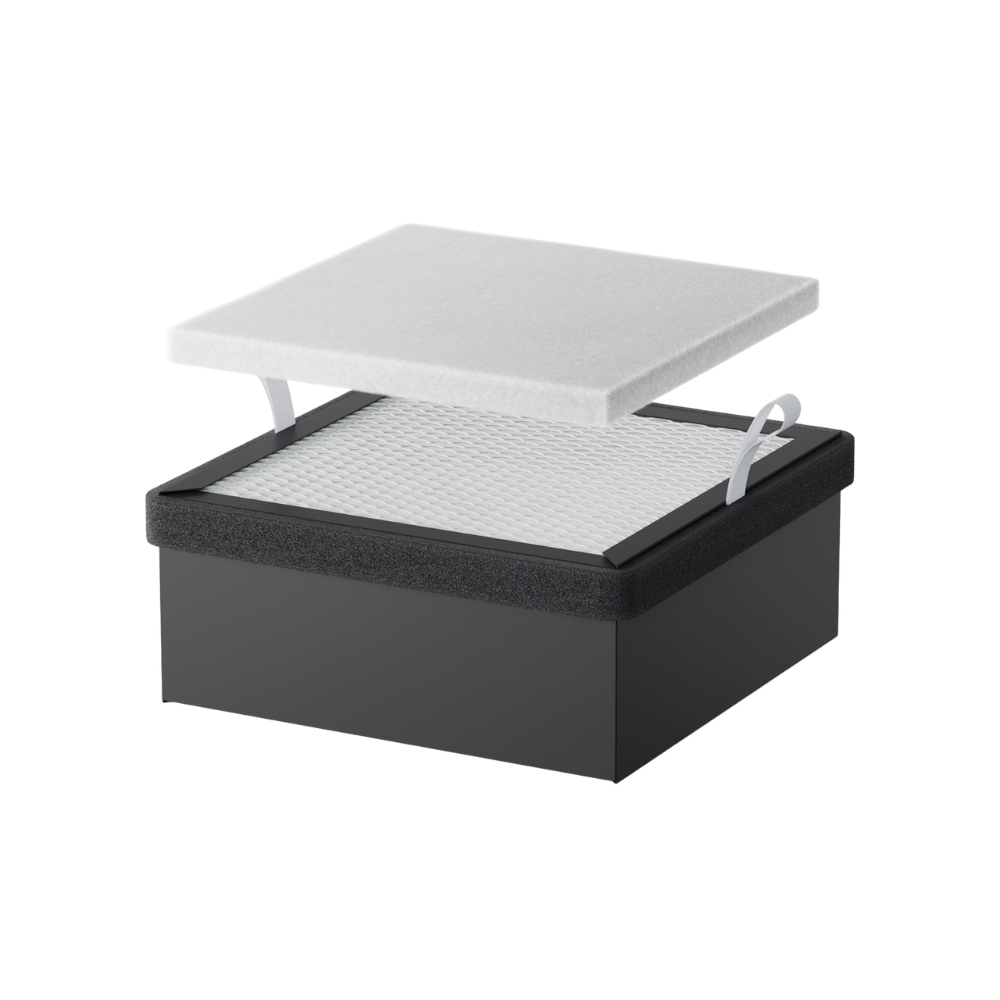
Open-frame lasers can look cheap until you add a safe enclosure, exhaust hose, inline fan, window adapter, or purifier. Wood, leather, cardboard, and acrylic all create smoke or odor. If you plan to use the machine indoors, ventilation is not optional.
2. Air Assist and Cutting Bed
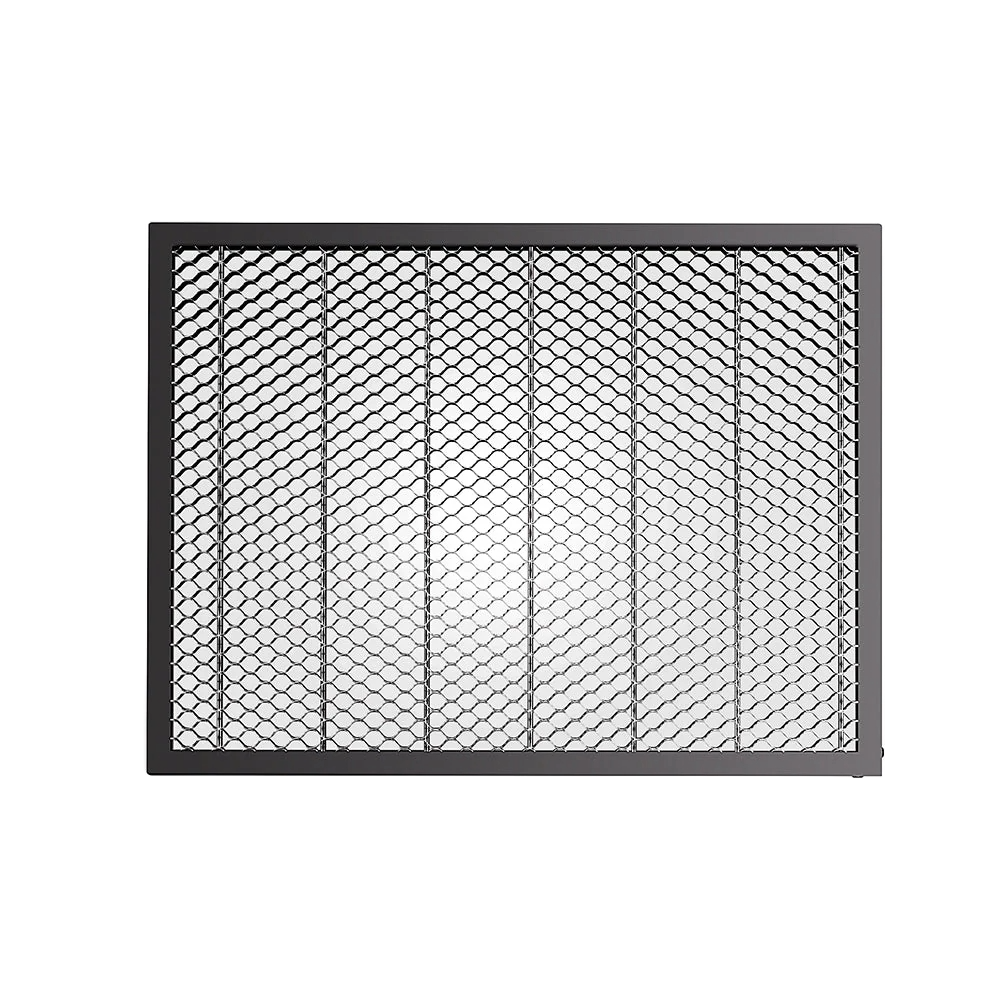
Air assist helps reduce flare-ups, improve wood cutting, and control edge charring. A honeycomb bed or safe cutting surface also protects the table and improves airflow under material. These accessories can change the true cost of a laser cutter under 1000.

3. Software and File Workflow
LightBurn support is valuable for layout control, layer settings, test grids, and repeat jobs. Proprietary software can be easier for beginners, but buyers should check offline support, file formats, camera workflow, and whether the software fits how they actually design.
4. Materials and Failed Tests
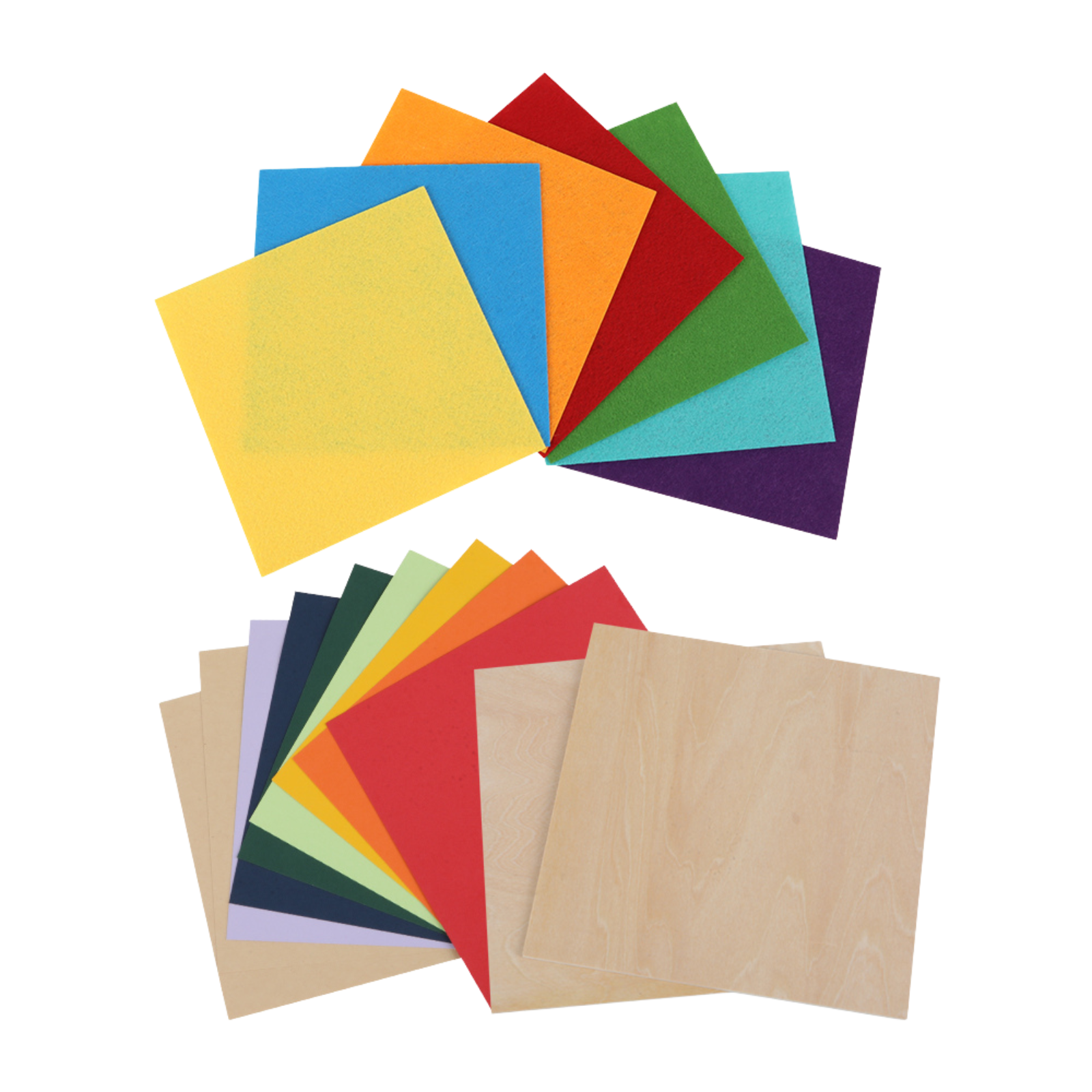
Every beginner burns material while learning. Basswood, acrylic, leather, cardboard, masking, cleaning supplies, and spare blanks should be part of the budget. Results vary by material color, coating, thickness, glue, and surface finish, so test grids are part of the real cost.

5. Safety Gear and Supervision
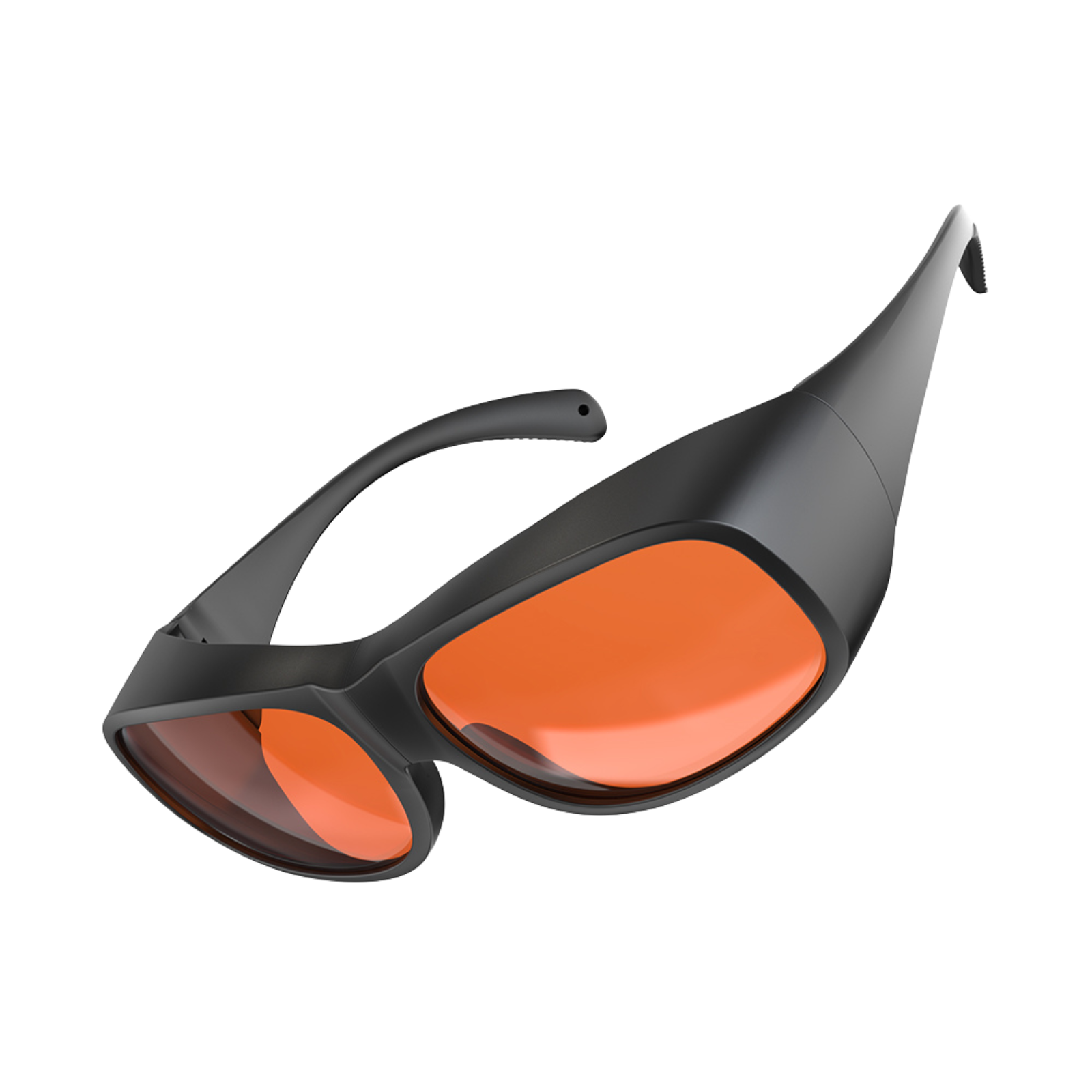
Eye protection, fire safety, material rules, and safe room control matter more with open-frame machines. Never cut PVC, vinyl, unknown plastics, or materials with unclear coatings. A cheap machine is not cheap if it creates unsafe fumes or damages the workspace.
4 Open-Frame Trade-Offs Under $1000
1. Lower Price Means More Setup Work
Open-frame machines can be excellent for tinkerers, but they shift more responsibility to the user. You must manage ventilation, eye safety, fire supervision, material hold-down, and workspace layout. That is why the lowest machine price is not always the best beginner value.
2. Larger Beds Are Useful but Need Space
Many open-frame systems offer larger work areas than compact enclosed machines. That helps with signs, templates, and larger craft sheets. The trade-off is that the physical footprint, exhaust path, and supervision zone also get larger.
3. More Power Does Not Fix Unsafe Materials
A 20W diode can cut more than a 5W diode, but it does not make unknown plastics safe. Material identity still matters. PVC, vinyl, some artificial leathers, and halogen-containing materials should not be processed with a laser.
4. Better for Workshops Than Shared Rooms
If you have a garage bench, exhaust route, and maker mindset, an open-frame laser can be a strong value. If the machine will sit in a bedroom, classroom, or shared craft room, enclosed models usually make more sense.
3 Materials to Match Before You Buy
1. Wood and Paper Projects
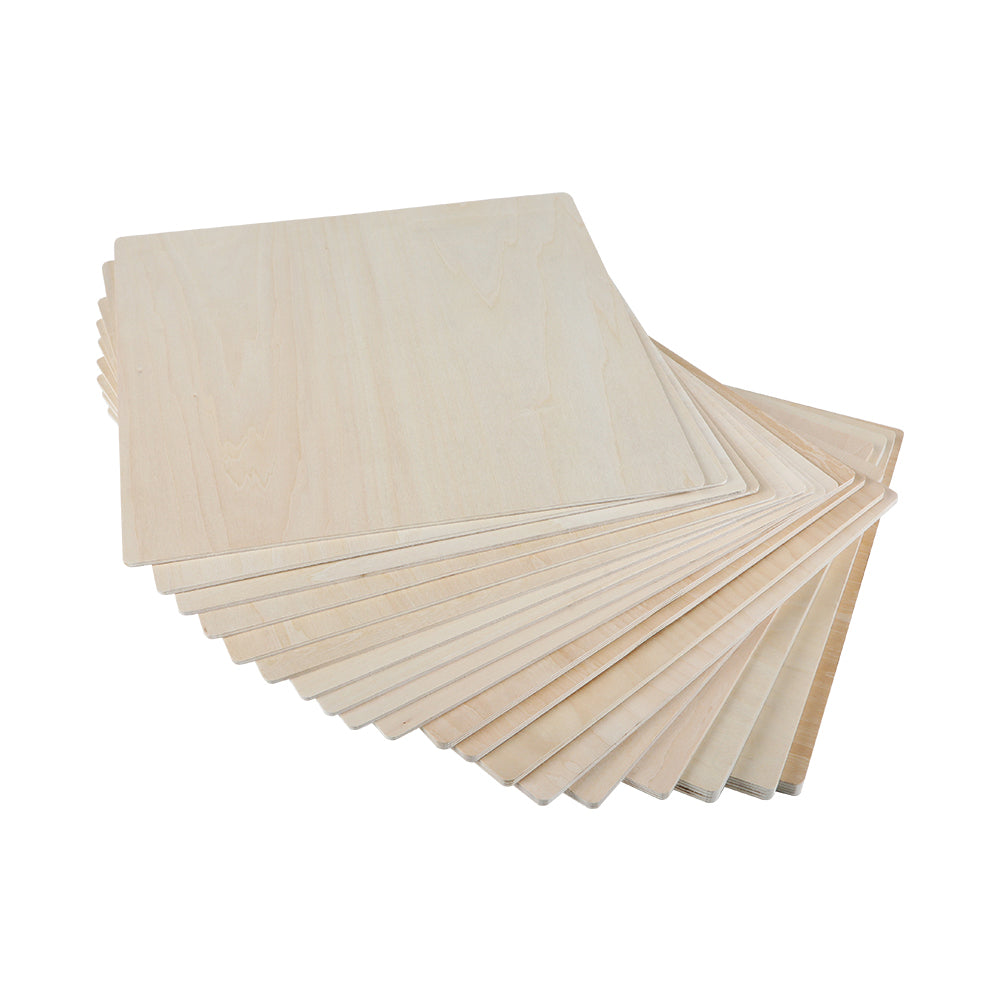
For thin wood, paper, cardboard, and leather, a diode laser engraver under $1000 can be enough. The buyer should still plan for smoke, charring, air assist, and material testing. Wood cutting is often where beginners first discover that setup quality matters as much as wattage.
2. Acrylic Projects
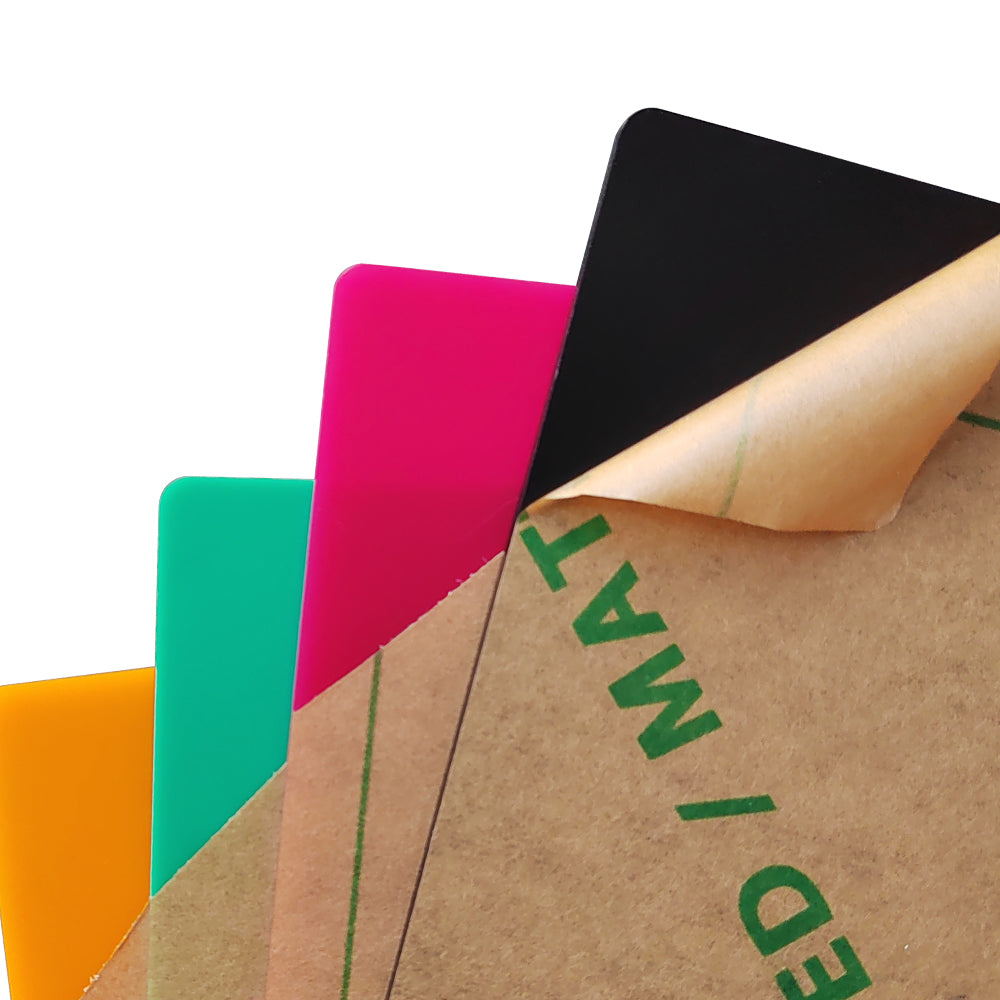
Dark acrylic can work on some diode machines, but clear acrylic is usually a poor fit for blue diode lasers. A CO2 laser engraver is usually better for acrylic cutting, though many CO2 systems exceed the under $1000 budget. If acrylic is your main material, do not choose by price alone.
3. Metal Marking Projects
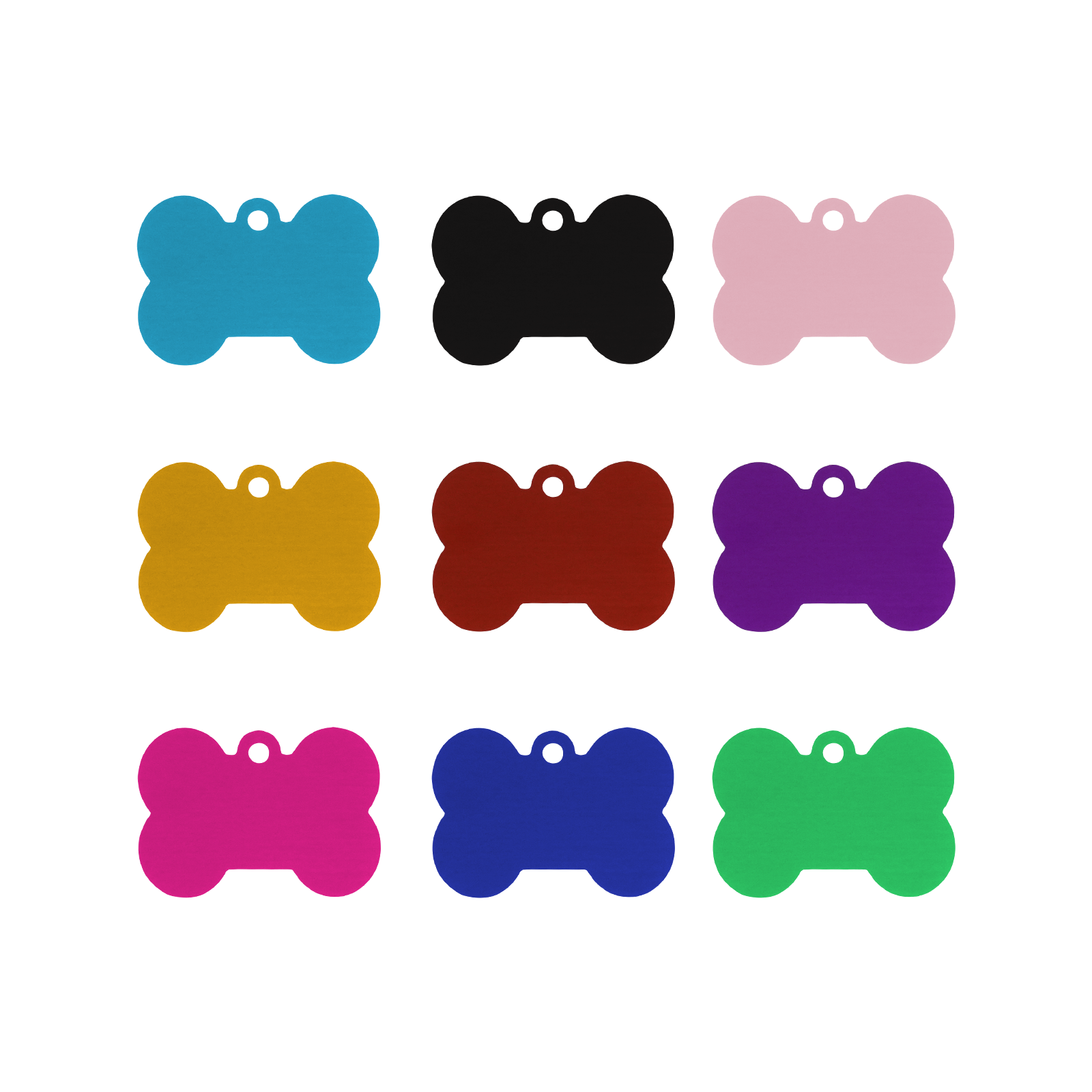
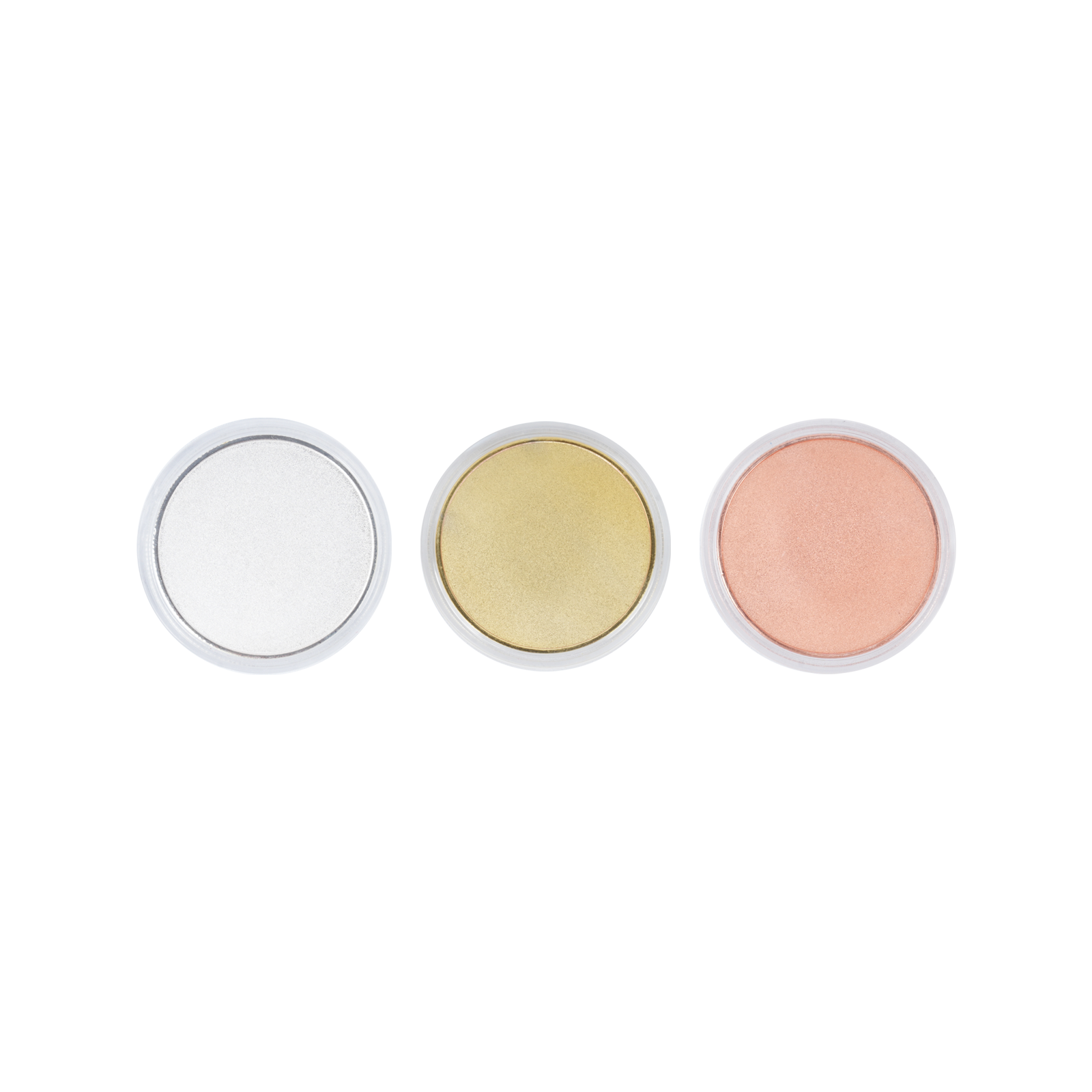
Metal marking is a different category from wood cutting. Some diode systems can mark coated metal, and IR modules can expand selected marking workflows. A fiber laser engraver is more relevant for many metal marking jobs, but it is usually not the same thing as a general craft laser cutter under $1000.
Stretch Upgrade Worth Considering
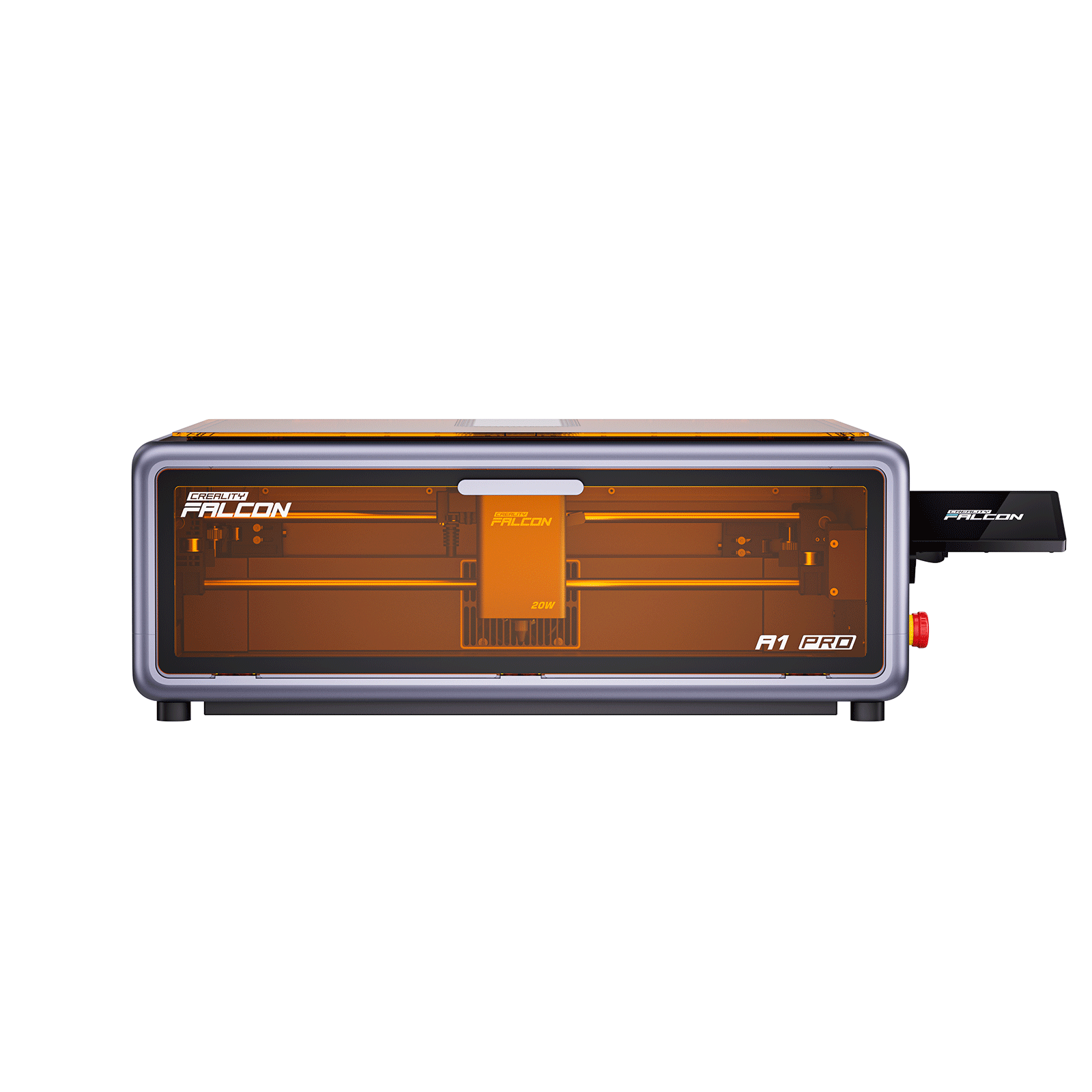
Why Consider Spending More: Falcon A1 Pro is not a strict under $1000 main-list pick, but it is the upgrade I would mention when a buyer can spend more for a stronger enclosed workflow.
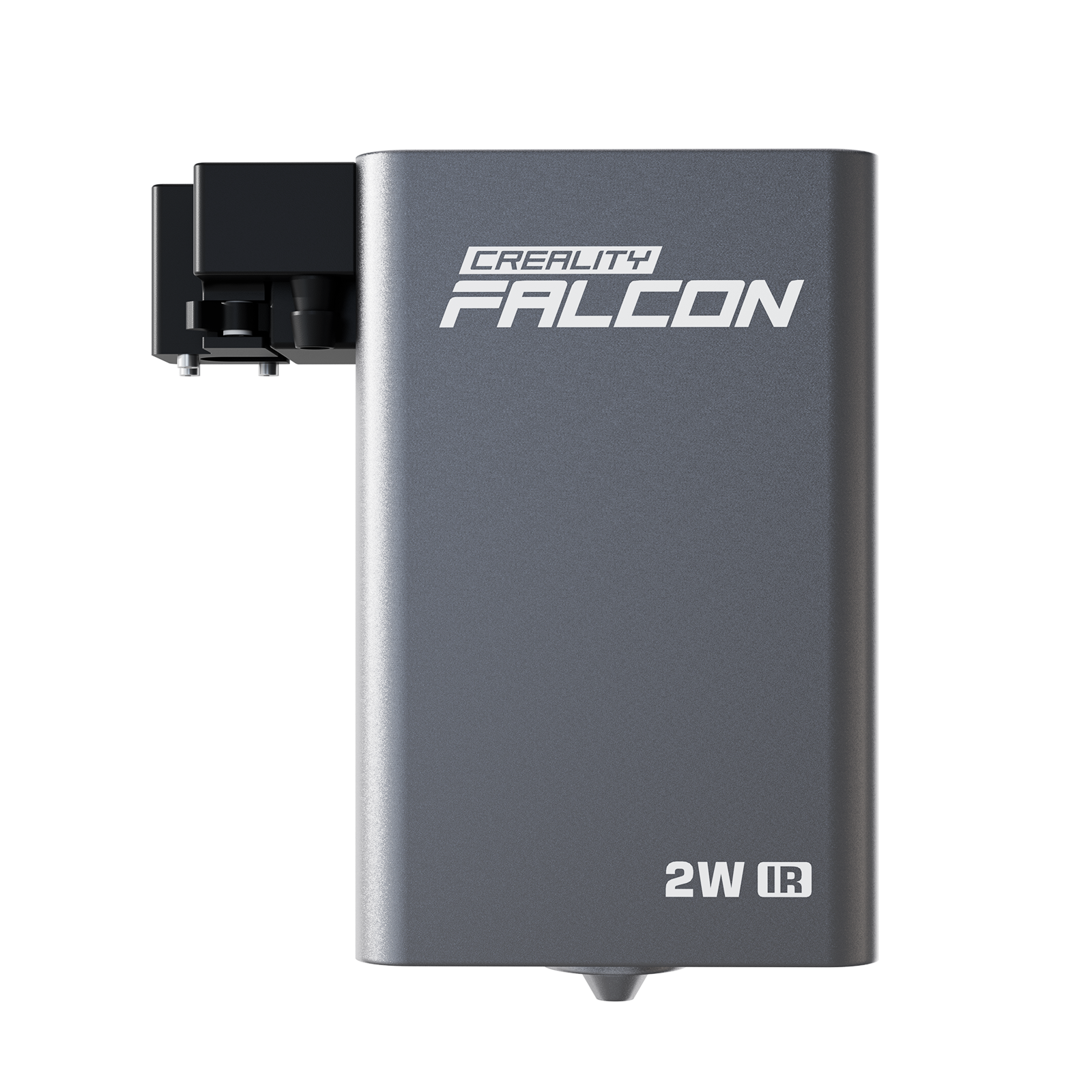
The reason is functional, not just premium branding. Its catalog specs list a 20W diode plus optional 2W IR, 268 x 358 mm bed, Class 1 enclosed design, Falcon Design Space, LightBurn, LaserGRBL support, HD camera positioning, AI visual autofocus, touchscreen and app workflow, and optional 1064 nm IR.
That extra budget can make sense if the buyer wants more cutting headroom, camera positioning, autofocus, better batch workflow, and room to explore selected metal or plastic surface marking with the optional IR module. It is not a replacement for an industrial fiber laser, and it should not be presented as a budget pick, but it can be the smarter long-term choice for serious home creators.
6 FAQs About Laser Engravers Under $1000
1. What Is the Best Laser Engraver Under $1000?
For most beginners, the best laser engraver under $1000 is an enclosed diode machine with enough work area, ventilation planning, software support, and material compatibility for real projects. Falcon A1 is the strongest Creality Falcon fit for that role.
2. Can I Get a Good Laser Cutter Under $1000?
Yes, but the best laser cutter under $1000 depends on the materials you want to cut. Thin wood, paper, cardboard, leather, and some dark acrylic are realistic. Thick acrylic, thick plywood, and metal cutting usually push buyers beyond this budget.
3. Is an Open-Frame Laser Engraver Under 1000 Safe?
It can be safe with the right enclosure, exhaust, eye protection, fire supervision, and material rules. It is less beginner-friendly than an enclosed machine because the user must build more of the safety workflow themselves.
4. Should I Choose Glowforge Spark or Falcon A1?
Choose Glowforge Spark if you want a compact guided craft workflow and are comfortable with its web software approach. Choose Falcon A1 if you want an enclosed beginner laser with Falcon Design Space, LightBurn, and LaserGRBL support.
5. Is A1 Pro Worth Spending More Than $1000?
It can be worth it if you want 20W diode power, camera positioning, autofocus, touchscreen or app workflow, and optional IR material exploration. If your budget is strict, stay with Falcon A1 or another under $1000 option.
6. What Hidden Costs Should I Budget For?
Budget for exhaust, air assist, cutting bed, materials, test sheets, cleaning supplies, safety planning, and possible software accessories. A machine under $1000 can cross the budget line once the full workspace is counted.
Conclusion
The best laser engraver under $1000 is the one that fits your space, material, safety needs, and learning curve. Falcon A1 is the cleanest Creality Falcon pick for an enclosed beginner workflow, while Glowforge Spark, xTool M2, AtomStack P1, AtomStack Swift, AtomStack A20 Pro V2, and AtomStack Atelier each serve different budget users.
If the budget is flexible, Falcon A1 Pro deserves a separate look because spending more can add meaningful features rather than just a nicer shell. The smart move is to buy for the projects you will actually make, then count the whole setup before deciding what under $1000 really means.
Smarter Camera, Craft Easier
10W Diode Laser Engraver and Cutter

Recent News

12 World Cup Laser Engraving Ideas for Fans
Explore world cup laser engraving ideas for fan gifts, tumblers, coasters, signs, and safe soccer-inspired designs makers can...

What Materials Does a Laser Cutter Cut Safely
Find out what materials does a laser cutter cut, which plastics to avoid, and how CO2, diode, and...

CNC Vs Laser Cutter Which Tool Is Right For You
Compare CNC vs laser cutter tools for wood, acrylic, metal, 3D carving, precision, safety, and beginner projects to...