


























What Is a Laser Cutter? Beginner Guide, Uses and Types

Quick Answer: A laser cutter is a computer-controlled machine that uses a focused beam of light to cut, engrave, score, or mark materials. It turns digital designs into physical parts by heating a precise path on wood, acrylic, paper, leather, fabric, coated metal, or other laser-safe materials.
What Does A Laser Cutter Do
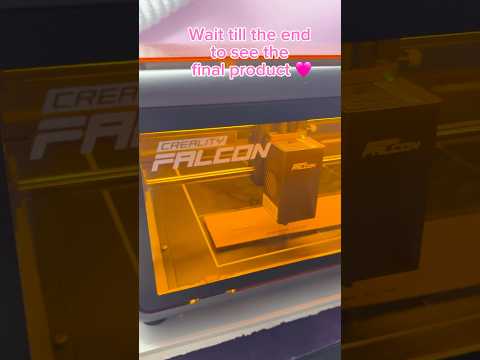
A laser cutter uses concentrated light instead of a physical blade. The machine follows a digital design file and moves the laser beam across the material to cut through it, engrave its surface, or mark it permanently.
For beginners, the easiest way to understand a laser cutter is to think of it as a digital craft and fabrication tool. You create or import a design, choose material settings, place the material on the workbed, and let the machine trace the design with controlled heat.

Laser cutters are used by hobbyists, schools, small businesses, makerspaces, sign shops, packaging teams, product designers, and manufacturers. A small desktop machine may make wooden ornaments or acrylic signs, while industrial laser systems can cut sheet metal, textiles, gaskets, or production parts.
How Does A Laser Cutting Machine Work
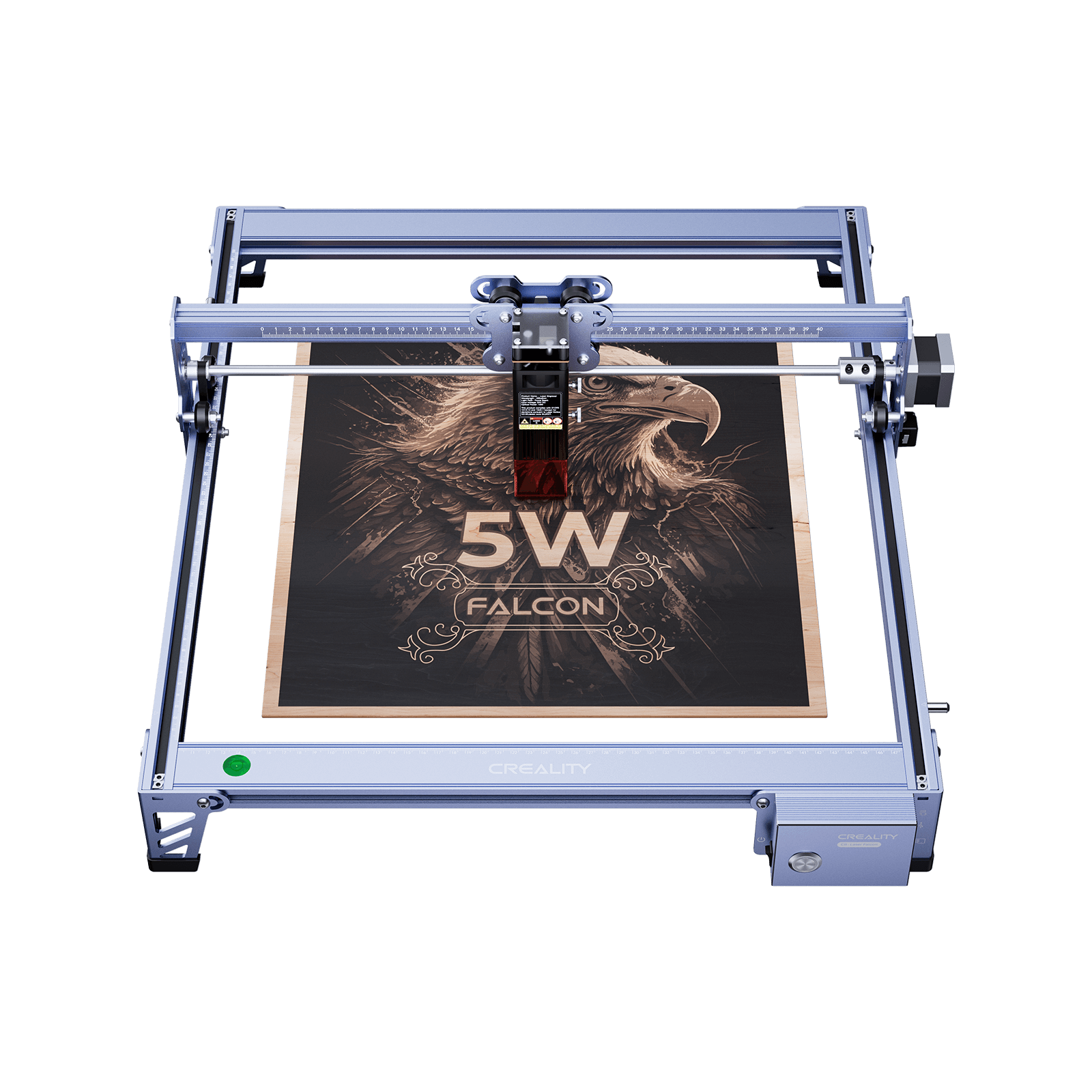
A laser cutting machine works by generating a laser beam, focusing it through optics, and moving that focused beam across the material. The beam heats a narrow path until the material melts, burns, vaporizes, or changes color.
The word laser stands for Light Amplification by Stimulated Emission of Radiation. Unlike a regular lamp, which scatters light in many directions, a laser produces concentrated light that can be focused into a very small spot.
1. The Laser Source Creates The Beam
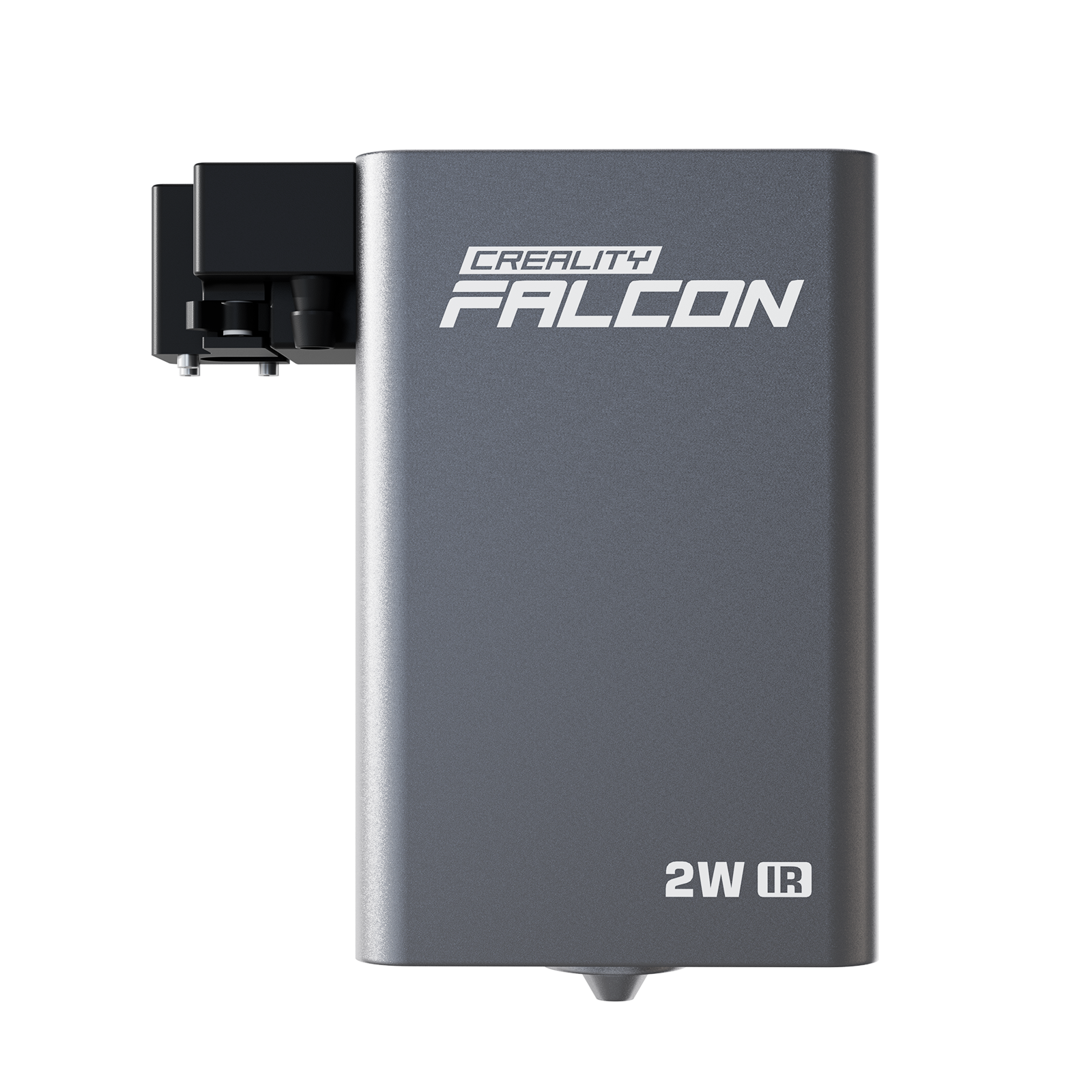
The laser source is the part of the machine that generates the light. In beginner machines, this is often a diode laser module. In CO2 machines, the beam comes from a gas laser tube. In fiber laser systems, the beam is generated and amplified through optical fiber.
2. The Lens Focuses The Energy
After the beam is generated, mirrors or optical paths guide it toward the cutting head. A focusing lens narrows the beam into a small spot so the energy is concentrated on a precise area of the material.
3. Motion Control Follows The Design
The machine moves the laser head along the X and Y axes according to the design file. Vector paths are usually used for cutting and scoring, while raster images are often used for engraving photos, textures, and shaded artwork.
4. Air Assist Improves Cut Quality
Many laser cutters use air assist to blow air through the nozzle near the beam. This helps clear smoke, reduce flare-ups, protect the lens, and improve edge quality. Air assist is especially useful when cutting wood, paper, leather, and acrylic.
What Are The Main Types Of Laser Cutters
The main types of laser cutters are diode, CO2, and fiber laser machines. Each type uses a different laser source, so material compatibility and cutting ability vary significantly.
A diode laser engraver is usually the most accessible desktop option for beginners. A CO2 laser engraver is often better for clear acrylic and glass engraving workflows. A fiber laser engraver is mainly used for metal marking, tools, jewelry, industrial tags, and coated plastics.
| Laser Type | Common Power Range | Best For | Beginner Notes |
|---|---|---|---|
| Diode laser | About 3W to 40W optical output | Wood, paper, leather, cardboard, dark acrylic, coated metals | Affordable, compact, and common in desktop machines |
| CO2 laser | About 40W to 150W in many desktop and workshop machines | Clear acrylic, wood, glass engraving, leather, paper, rubber | More capable for acrylic, but needs cooling and ventilation |
| Fiber laser | Often 20W to 100W for marking systems | Metal marking, industrial tags, tools, jewelry, coated plastics | Excellent for metals, but not the usual first choice for wood crafts |
What Materials Can A Laser Cutter Cut Or Engrave
Laser cutters can work with many materials, but compatibility depends on the laser type, power, color, thickness, coating, and safety profile of the material.
A material that works well on a CO2 laser may not work well on a blue diode laser. This is especially important for acrylic, because CO2 lasers handle clear acrylic better than blue diode lasers.

| Material | Cutting | Engraving | Important Note |
|---|---|---|---|
| Plywood and solid wood | Yes, depending on thickness and power | Yes | Use air assist and test settings to reduce scorching |
| Acrylic | Yes, but laser type matters | Yes | CO2 lasers handle clear acrylic better than blue diode lasers |
| Paper and cardboard | Yes | Yes | Use low power and never leave the machine unattended |
| Leather | Yes, if laser-safe | Yes | Avoid unknown treated leather and verify material safety |
| Bare metal | Usually no for diode and desktop CO2 | Fiber lasers are best | Diode lasers may mark some coated or treated metals |
What Materials Should You Avoid In A Laser Cutter
Some materials should not be cut or engraved because they can release toxic fumes, corrode machine parts, catch fire easily, or produce unsafe residues. The safest rule is simple: if you cannot verify that a material is laser-safe, do not process it.
- Avoid PVC, vinyl, and many chlorine-containing plastics.
- Avoid unknown plastics, mystery foams, and coated materials with unclear ingredients.
- Avoid PTFE or Teflon-based materials unless the manufacturer explicitly confirms safe laser processing.
- Avoid reflective bare metals on machines not designed for metal cutting or marking.
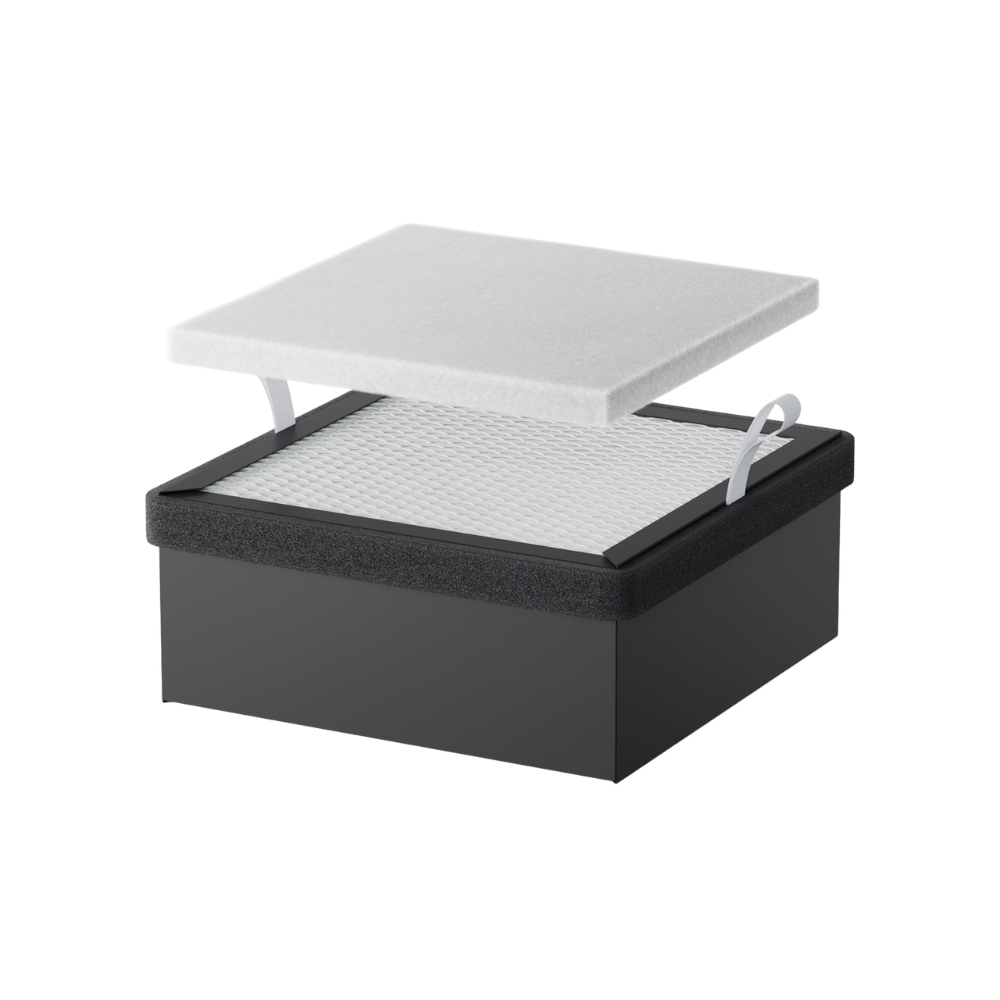
- Use ventilation or a fume extractor whenever cutting or engraving.
What Is The Difference Between Laser Cutting, Engraving, Scoring, And Marking
Laser cutting, engraving, scoring, and marking are related processes, but they do different jobs. The difference comes from how deeply the beam affects the material.
| Process | What It Does | Common Use |
|---|---|---|
| Cutting | Moves through the full material thickness | Parts, signs, ornaments, templates, packaging |
| Engraving | Removes or darkens the surface | Logos, photos, nameplates, decorative artwork |
| Scoring | Makes a shallow line without cutting through | Fold lines, outlines, layout guides |
| Marking | Changes surface color or coating | Serial numbers, coated metal tags, tools, labels |

How Do Beginners Choose A Laser Cutter
Beginners should choose a laser cutter based on material, work area, safety design, software, ventilation, and maintenance needs. The right machine is not always the most powerful one. It is the one that matches the projects you actually plan to make.
- Choose a diode laser for wood crafts, paper projects, leather engraving, and small desktop work.
- Choose a CO2 laser if clear acrylic is a major part of your workflow.
- Choose an enclosed machine if the laser will be used at home, in a classroom, or in a shared space.
- Check whether the software supports SVG, DXF, PNG, JPG, and PDF files.
- Plan ventilation before buying the machine, not after the first smoky project.
Recommended Beginner Laser Cutters In 2026
The following beginner-friendly laser cutters cover different needs: enclosed diode machines, compact craft lasers, open-frame hobby machines, and entry-level CO2 cutting. Always verify current specifications, availability, software support, and regional warranty terms before buying.
| Model | Laser Type | Best Fit | Key Limitation |
|---|---|---|---|
| Creality Falcon A1 | 10W diode | Enclosed beginner desktop projects | Not ideal for clear acrylic cutting |
| xTool M1 | Diode plus blade module | Crafting, vinyl blade cutting, small gifts | Lower cutting power than larger machines |
| Glowforge Spark | 6W diode | Simple home craft workflow | Requires Wi-Fi and has material limits |
| SCULPFUN S10 | 10W diode | Open-frame engraving and DIY upgrades | Needs separate enclosure planning |
| AtomStack Swift Mini | Compact diode | Very small engraving projects | Small work area and limited cutting power |
| OMTech K40+ | CO2 | Entry-level acrylic and workshop cutting | Needs cooling, ventilation, and more maintenance |
1. Creality Falcon A1
Why Choose This Product: The Creality Falcon A1 is a strong beginner option for users who want an enclosed 10W diode laser with a larger desktop work area than many compact craft lasers.
The Falcon A1 is best suited for wood signs, paper projects, leather personalization, dark acrylic work, small décor, and classroom-style beginner projects. Its official product information lists a 10W diode module and a 305 × 381 mm working area. The enclosed design is useful for home users, but ventilation is still necessary because cutting wood, leather, and acrylic can produce smoke and odor.
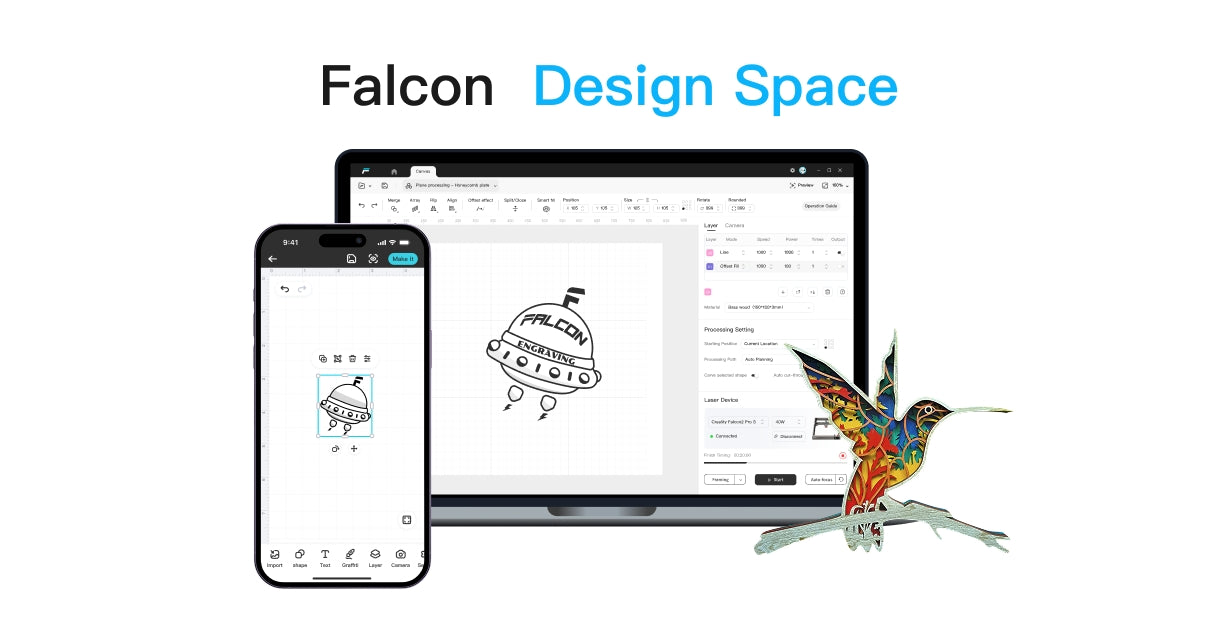
- SPECS: 10W diode laser; 305 × 381 mm working area; enclosed desktop design; supports Falcon Design Space, LightBurn, and LaserGRBL according to Creality Falcon product information.
- PROS: Enclosed design is more beginner-friendly than an open-frame machine.
- PROS: Good work area for signs, décor, and small batch projects.
- CONS: Like other blue diode lasers, it is not the right tool for clear acrylic cutting.
2. xTool M1
Why Choose This Product: The xTool M1 is useful for crafters who want both laser processing and blade cutting in one desktop machine.
The xTool M1 is a good fit for users who make stickers, cards, gift tags, thin wood pieces, leather items, and craft projects that benefit from both laser and blade workflows. The main tradeoff is that it is a craft-focused machine, not a heavy cutting system for thick materials.
3. Glowforge Spark
Why Choose This Product: The Glowforge Spark is designed for users who want a simple web-based craft laser with minimal setup friction.
Glowforge lists the Spark as a 6W blue diode craft laser with a maximum material size of 12 × 12 inches and a maximum cutting area of 8.5 × 11 inches. However, Glowforge also notes that Spark is not compatible with clear acrylic, white acrylic, some blue acrylics, PVC vinyl, and several other materials.
4. SCULPFUN S10
Why Choose This Product: The SCULPFUN S10 is a budget-friendly open-frame diode laser for hobbyists who want a larger work area and LightBurn-style control.
Because it is open-frame, beginners should budget for eye protection, enclosure planning, ventilation, and fire-safe operating habits. This makes it better for users who are comfortable assembling, adjusting, and managing their own setup.
5. AtomStack Swift Mini
Why Choose This Product: The AtomStack Swift Mini is best treated as a compact engraving-first machine for small items rather than a general-purpose laser cutter.
The Swift Mini is most useful for small personalization projects such as coasters, wallets, tags, phone cases, and desktop gifts. The tradeoff is a much smaller working area and lower cutting ability than larger 10W diode machines.
6. OMTech K40+
Why Choose This Product: The OMTech K40+ is a better entry point for beginners who specifically need CO2 laser behavior, especially for acrylic projects.
The OMTech K40+ is different from the diode machines above because it uses a CO2 laser tube. It can be more capable for acrylic than a diode machine, but it also requires more attention to cooling, exhaust, alignment, cleaning, and general workshop setup.
Is A Laser Cutter Hard To Learn
A laser cutter is not hard to learn at a basic level, but it does require respect for safety, materials, and settings. Most beginners can make simple projects quickly, especially with enclosed desktop machines and beginner software.
The learning curve becomes steeper when you move into thicker materials, acrylic, production batches, photo engraving, rotary attachments, or open-frame machines. The most important early habit is testing with small material samples before running the final project.
What Safety Rules Should Every Beginner Follow
Laser cutting combines heat, moving parts, smoke, and concentrated light. Even beginner machines should be treated as tools that need active supervision and proper setup.
- Never leave a laser cutter running unattended.
- Use ventilation or a fume extractor for smoke and fumes.
- Verify that every material is laser-safe before processing it.
- Keep a suitable fire extinguisher nearby and know how to use it.
- Clean residue, dust, and small scraps from the machine regularly.
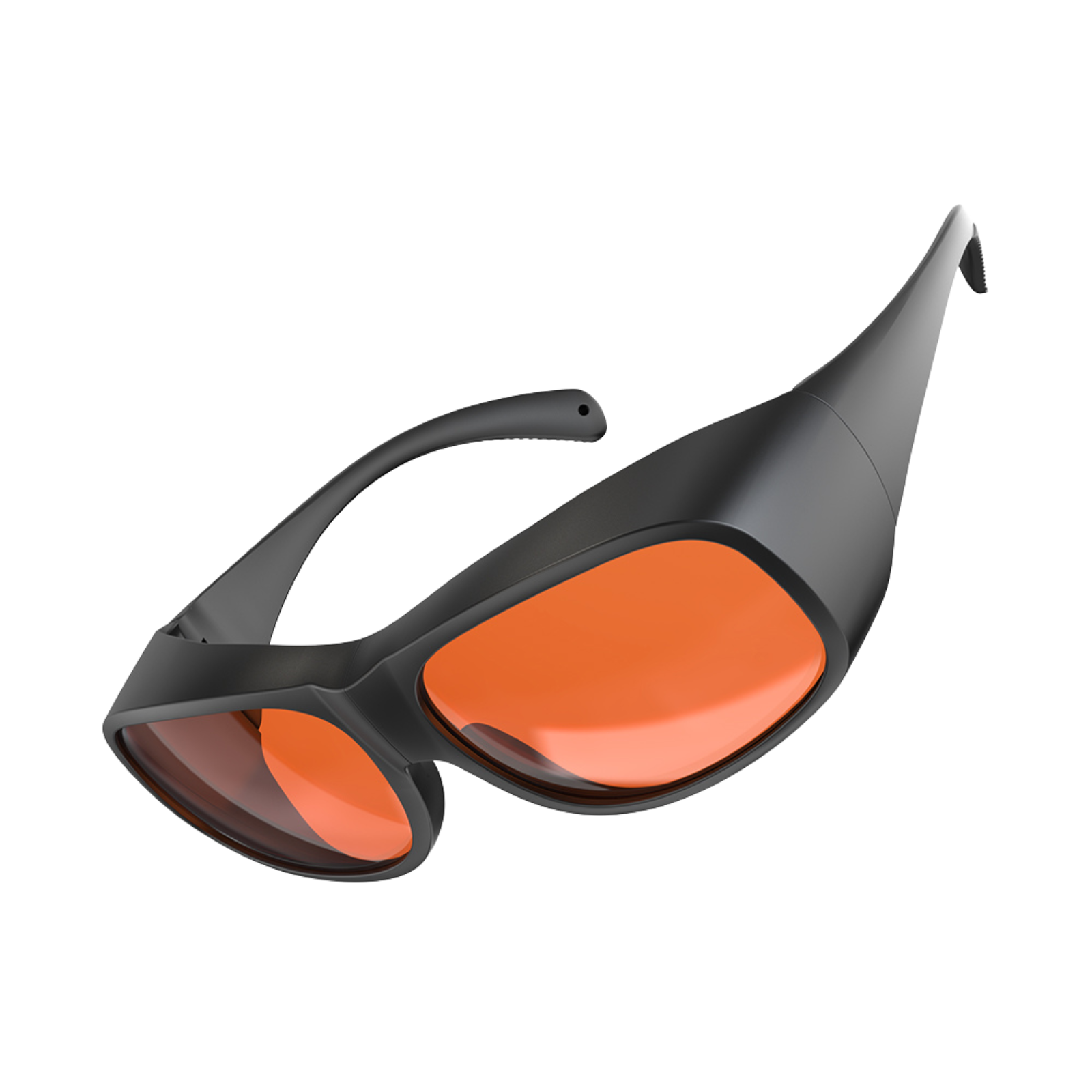
- Use an enclosure or proper laser safety eyewear when operating open-frame machines.
FAQ
1. What Is A Laser Cutter In Simple Terms
A laser cutter is a machine that uses a focused beam of light to cut, engrave, score, or mark material. It follows a digital file, so it can repeat precise shapes, letters, patterns, and artwork more consistently than hand tools.
2. Can A Laser Cutter Cut Metal
Some laser cutters can cut metal, but most beginner diode and desktop CO2 machines are not designed for cutting bare metal. Fiber lasers and industrial laser cutting systems are the usual choices for metal cutting or deep metal marking.
3. Can A Diode Laser Cut Clear Acrylic
Blue diode lasers usually struggle with clear acrylic because the material does not absorb that wavelength well. A CO2 laser is generally the better choice for cutting clear acrylic.
4. Do Laser Cutters Need Ventilation
Yes. Laser cutters produce smoke, odor, particles, and fumes depending on the material. Venting outside or using a suitable fume extractor is part of a safe laser cutting setup.
5. What File Types Do Laser Cutters Use
Many laser cutters use SVG, DXF, PDF, PNG, and JPG files, depending on the software. Vector files such as SVG and DXF are commonly used for cutting paths, while raster files such as PNG and JPG are commonly used for image engraving.
6. What Is The Difference Between A Laser Cutter And A Laser Engraver
The machine may be the same, but the process is different. Cutting goes through the material, while engraving removes or darkens the surface. Many desktop machines can do both, as long as the material and power level are suitable.
Conclusion
A laser cutter is a digital fabrication tool that uses focused light to cut, engrave, score, or mark materials. For beginners, the key is to match the machine to the material: diode lasers are popular for wood crafts and small desktop projects, CO2 lasers are stronger for acrylic, and fiber lasers are better for metal marking.
If you are buying your first laser cutter in 2026, focus on safety, ventilation, work area, software, and material compatibility before comparing wattage alone. A well-matched beginner machine will help you make cleaner projects, learn faster, and avoid costly mistakes.
Recent News

What Materials Does a Laser Cutter Cut Safely
Find out what materials does a laser cutter cut, which plastics to avoid, and how CO2, diode, and...

7 Best Laser Engravers Under $1000
Quick Answer:The best laser engraver under $1000 should be chosen by total setup cost, not machine price alone.For most...

CNC Vs Laser Cutter Which Tool Is Right For You
Compare CNC vs laser cutter tools for wood, acrylic, metal, 3D carving, precision, safety, and beginner projects to...