


























What Materials Does a Laser Cutter Cut Safely

Quick Answer:
A laser cutter can cut wood, paper, cardboard, leather, fabric, acrylic, rubber, and some foams when the material is laser-safe and properly ventilated.
It should not cut PVC, vinyl, unknown plastics, flame-retardant materials, or materials that release toxic fumes.
6 Material Groups a Laser Cutter Can Cut
The better question is not only what materials does a laser cutter cut, but which laser source cuts each material safely and cleanly.
A small diode machine, a desktop CO2 laser, and an industrial fiber system do not behave the same way.
Material color, thickness, glue, coating, density, moisture, and surface finish can change the result even when the material name looks safe.
Common buyer questions often come from the same real problem: people buy a machine first and discover material limits later.
A safer workflow starts with the material, then matches the laser type, power, ventilation, bed size, air assist, and software.
According to Trotec Laser's unsuitable materials guidance, some materials should not be processed because they can create dangerous gases or dust.
1. Wood and Plywood
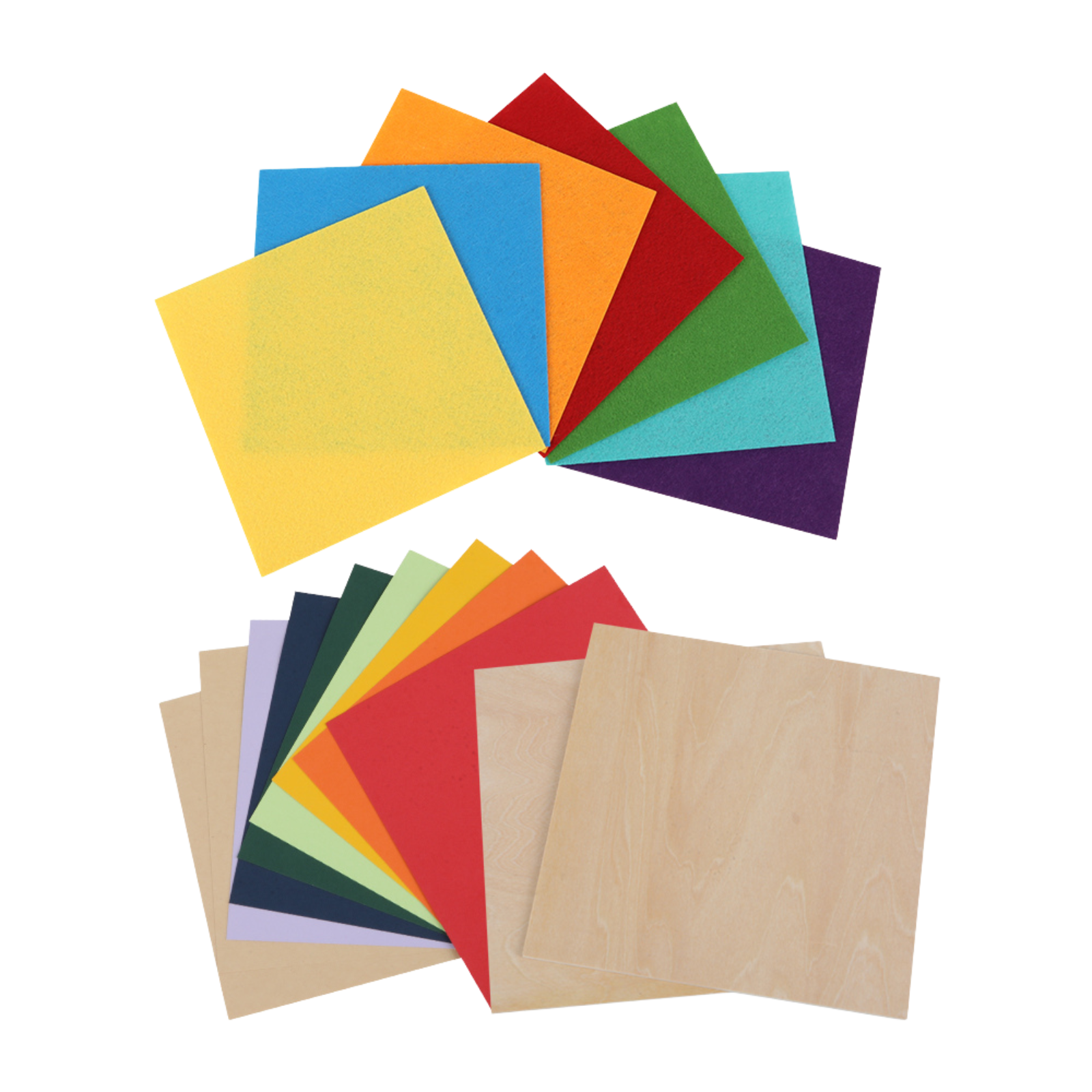
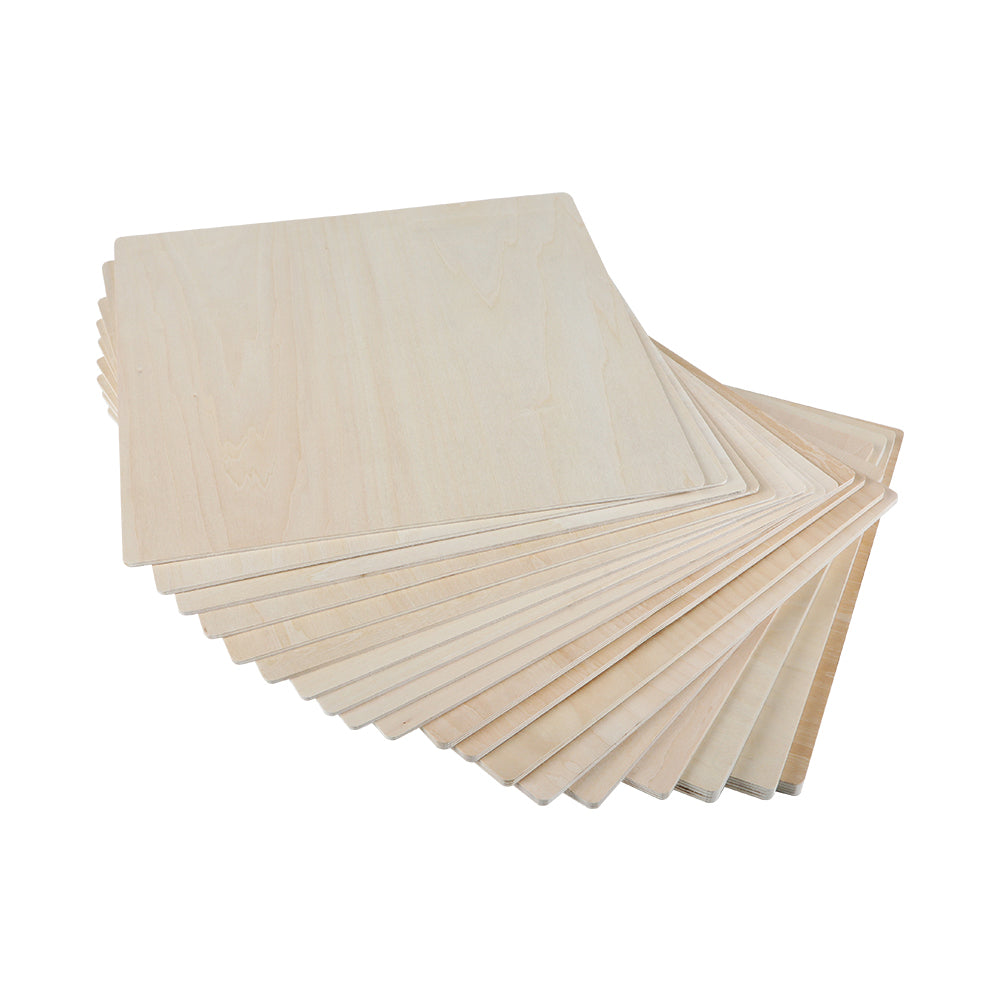
Wood is one of the most common laser cutting materials. A laser cutter can cut thin basswood, plywood, MDF, veneer, balsa, and many craft woods when the laser has enough power and air assist.
The biggest variables are glue content, wood density, moisture, resin, grain direction, and thickness. Plywood can cut less predictably than solid sheets because internal glue layers may char, resist cutting, or create uneven edges.

For home users, wood cutting also means smoke planning. Air assist helps reduce flame and charring, while exhaust keeps odor and residue under control. Results vary by color, coating, thickness, and surface finish, so users should always run a material test before production.
2. Paper, Cardboard, and Chipboard
Paper materials are easy to cut with many diode and CO2 machines, but they burn quickly if settings are too aggressive. A laser cutter can cut cardstock, paper, cardboard, kraft board, corrugated board, and chipboard for packaging, cards, stencils, prototypes, and craft projects. The cleanest results usually come from fast speed, controlled power, good focus, and minimal air movement that does not blow lightweight material out of position.
The practical issue is fire risk. Thin paper can ignite faster than wood because it has low mass and catches easily at corners. Users should never leave a laser running unattended, even on simple paper jobs.
3. Acrylic and Some Laser-Safe Plastics
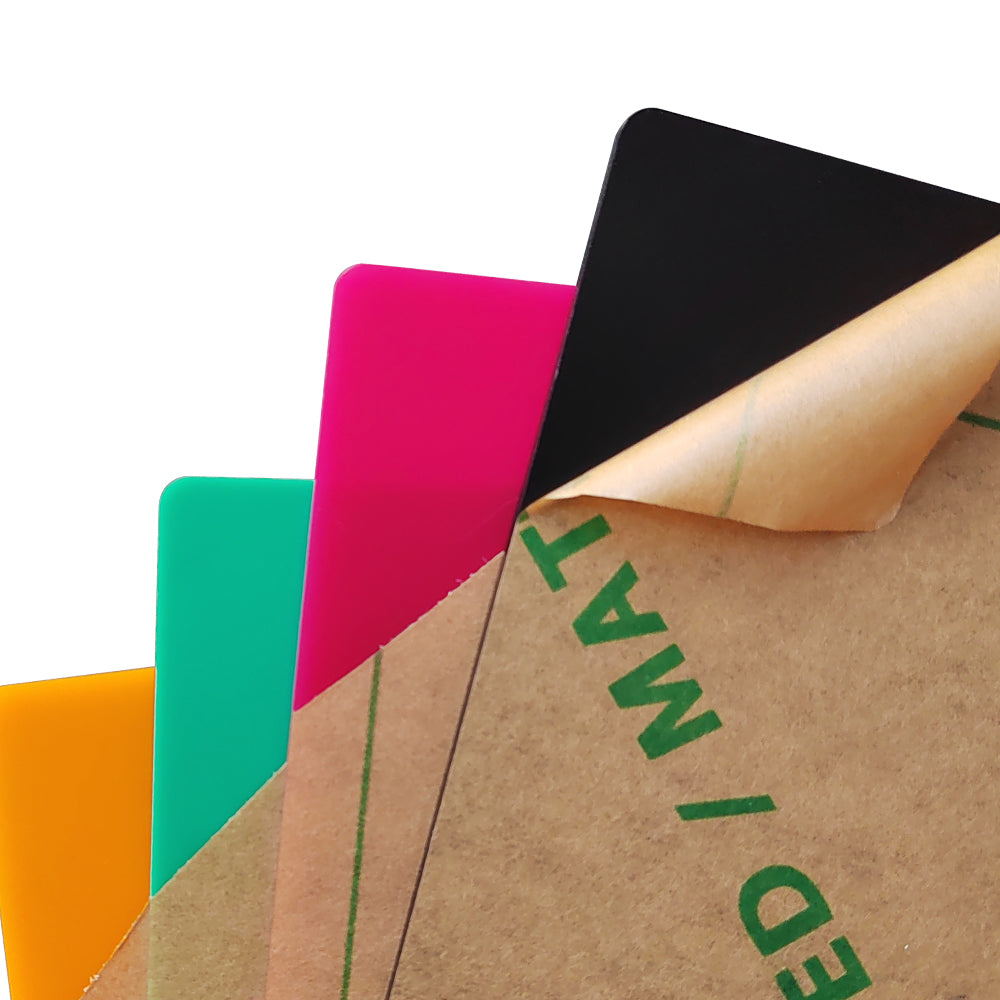
Acrylic is one of the best materials for CO2 laser cutting. Cast acrylic is often preferred for engraving, while extruded acrylic can cut with polished edges. A desktop CO2 laser can cut acrylic signs, display parts, ornaments, templates, and decorative panels with clean edges when the material is compatible and properly supported.
Diode lasers can cut some dark acrylic, but clear acrylic is difficult for many blue diode systems because it transmits or reflects the wavelength instead of absorbing enough energy. Buyers asking what does a laser cutter cut should separate acrylic from generic plastic. Plastic names matter, and unknown plastic should be treated as unsafe until confirmed by an SDS or supplier documentation.
4. Leather and Fabric
A laser cutter can cut many natural leathers, felt, denim, cotton, wool, canvas, and some laser-safe synthetic fabrics. These materials are popular for patches, wallets, labels, appliques, patterns, and textile prototypes. Cutting quality depends on thickness, weave, coating, dye, and whether the material stretches or curls under heat.
The safety boundary is important. Synthetic leather, vinyl-backed fabric, and some coated textiles may contain PVC or halogens. Trotec warns against processing PVC and halogen-containing materials, and Carnegie Mellon University's laser cutter safety guidance lists hazardous emissions from several plastics and substrates. If the material composition is unclear, do not cut it.
5. Rubber, Cork, Foam, and Organic Sheets
Laser-safe rubber, cork, gasket sheets, foam board variants, and some organic sheet materials can be cut for stamps, inserts, packaging, cosplay, model making, and prototypes. The key phrase is laser-safe. Some foams melt, catch fire, or produce irritating fumes. Some rubbers cut well, while others smell harsh or leave heavy residue.

For these materials, test small, use ventilation, and confirm manufacturer compatibility. A clean sample cut does not automatically prove the material is safe for long jobs. Smoke, sticky deposits, or unusual odor are warning signs that the material or settings need review.
6. Coated, Painted, and Anodized Surfaces
Many laser machines can engrave or mark coated surfaces, painted blanks, anodized aluminum, powder-coated tumblers, coated metal tags, and treated promotional products. Cutting is different from marking. A diode or CO2 laser may remove a coating cleanly without cutting the base metal underneath.

This is where many beginners get confused about what can a laser cutter do. It can cut some materials, engrave others, and only mark the surface of many coated objects. Always separate cutting through a material from engraving the surface or removing a coating.
5 Materials a Laser Cutter Should Not Cut
The unsafe list matters as much as the safe list. A material can look thin, soft, or easy to cut and still be dangerous under a laser. The laser does not only slice material; it heats, vaporizes, chars, melts, and decomposes it. That chemical breakdown is why material identity matters.
1. PVC and Vinyl
Do not laser cut PVC, vinyl, or unknown vinyl-like materials. These materials can release corrosive and toxic gases when heated by a laser, and they can damage the machine as well as the operator. This includes many sticker films, vinyl records, vinyl flooring, PVC sheets, and some artificial leather products.
2. Unknown Plastics
Unknown plastic is not a safe test material. ABS, HDPE, polycarbonate, polystyrene foam, PTFE, PVB, and other plastics can melt, catch fire, smoke heavily, or release hazardous byproducts. If the seller cannot provide material identity or a safety data sheet, the safest answer is to avoid laser cutting it.
3. Flame-Retardant Materials
Flame-retardant sheets, foams, fabrics, and coated boards may contain brominated or halogenated additives. These chemicals can create hazardous fumes when processed. If a material is advertised as fire-resistant, flame-retardant, or treated, ask the manufacturer for composition details before putting it in a laser cutter.
4. Chrome-Tanned Leather and Artificial Leather
Natural vegetable-tanned leather is often used with lasers, but not all leather is safe. Chrome-tanned leather and artificial leather can create harmful fumes or corrosive byproducts. This is especially relevant for low-cost craft blanks and upholstery scraps because product listings may not clearly state the tanning method or backing material.
5. Reflective or Bare Metals on Non-Metal Lasers
Many desktop diode and CO2 machines are not designed to cut bare metal. Reflective metals can waste beam energy, produce poor results, or create machine risk. Metal marking may be possible with coatings, marking sprays, anodized surfaces, an IR module, or a proper fiber system, but cutting metal is a separate industrial workflow.
4 Laser Types and What They Cut Best
The material list changes when the laser source changes. A buyer asking what materials does a laser cutter cut should first identify whether the machine is diode, CO2, fiber, or UV. Power matters, but wavelength and material absorption matter more than many beginners expect.
| Laser Type | Best Cutting Materials | Common Limits |
|---|---|---|
| Diode laser | Thin wood, paper, cardboard, leather, fabric, dark acrylic | Clear acrylic, thick material, true metal cutting |
| CO2 laser | Wood, acrylic, leather, paper, cardboard, fabric, rubber | Most bare metals without special setup |
| Fiber laser | Metal marking, metal engraving, some industrial metal cutting systems | General wood and acrylic craft cutting |
| UV laser | Glass marking, fine marking, specialty materials | General thick cutting and production wood cutting |
1. Diode Lasers for Thin Craft Materials
A diode laser engraver is common in beginner and home machines because it is compact and usually lower cost than CO2. It can cut thin wood, paper, cardboard, leather, fabric, and some dark acrylic when the machine has enough power, good focus, air assist, and proper settings.
2. CO2 Lasers for Acrylic and Organic Cutting
A CO2 laser engraver is often the better choice for acrylic, wood, leather, rubber, paper, and many organic sheet materials. It is the most common desktop answer for users asking what can a 150W CO2 laser cut because CO2 wavelengths are well suited to many non-metal materials.
3. Fiber Lasers for Metal Marking
A fiber laser engraver is mainly used for metal marking, metal engraving, and specialized industrial workflows. Fiber systems are not the normal choice for cutting wood, acrylic, paper, or leather. When buyers ask about metal, they should define whether they mean surface marking, deep engraving, or actual through-cutting.
4. IR and UV Modules for Specialty Marking
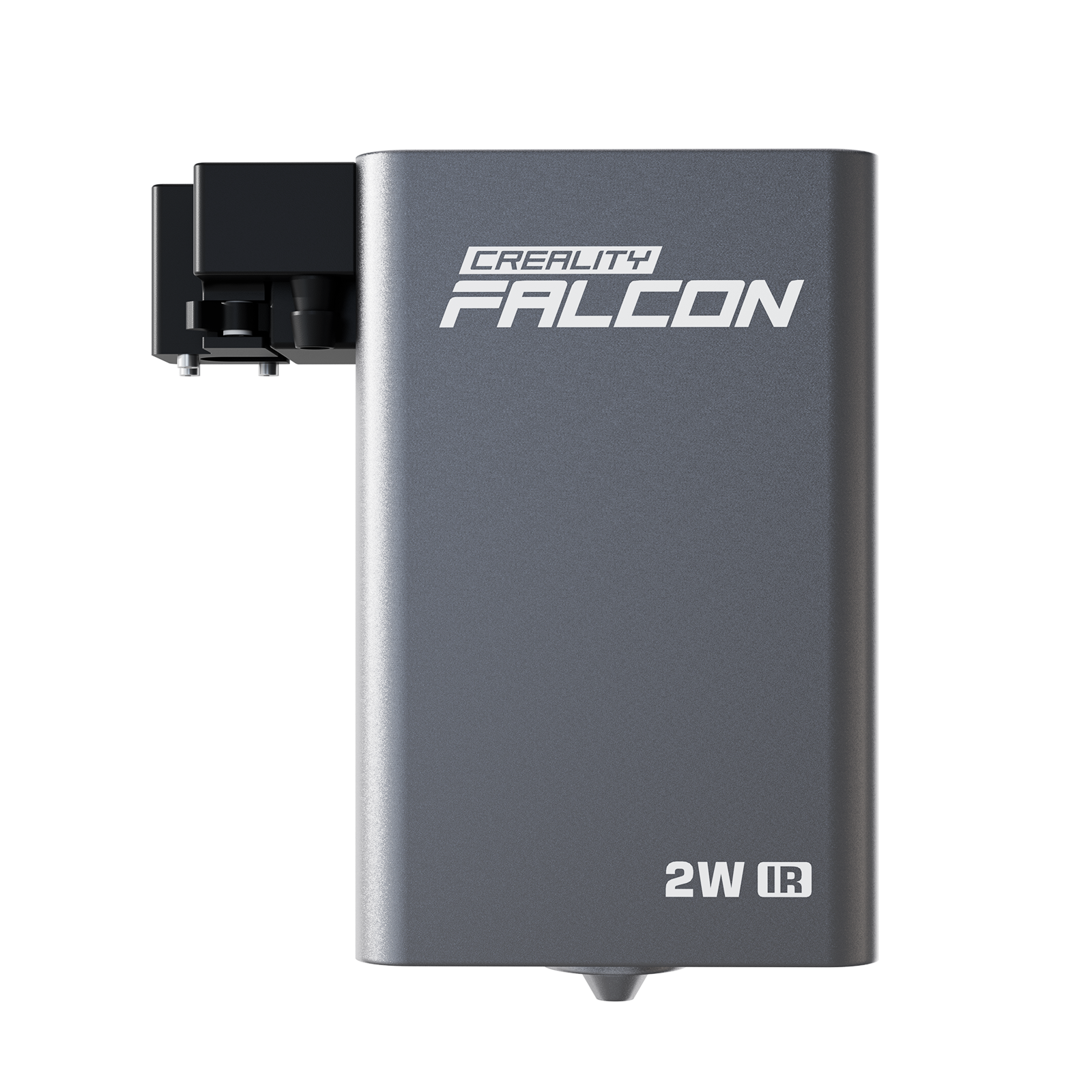
IR and UV lasers expand marking options on selected materials, especially some plastics, coated surfaces, glass, and metal marking workflows. They should not be treated as universal cutters. For example, an optional IR module can help with selected metal and plastic surface marking, but it is not a replacement for an industrial fiber laser cutter.
5 Things a 150W CO2 Laser Can Cut
A 150W CO2 laser can cut many thicker organic materials faster than lower-power desktop CO2 machines, but the exact thickness depends on optics, tube condition, air assist, focus, material quality, machine motion, and acceptable edge quality. It is better to think in material families than promise one universal thickness.
1. Thick Acrylic Sheets
A 150W CO2 laser is often used for acrylic signage, display panels, point-of-sale parts, templates, and decorative sheets. It can cut acrylic more effectively than most diode lasers, and it can create polished edges when settings and material quality are right. Clear acrylic is a strong reason many buyers choose CO2 over diode.
2. Plywood and MDF
A 150W CO2 laser can cut plywood and MDF for furniture prototypes, signs, models, jigs, packaging, and craft production. The main challenge is not just power. Glue layers, resin, smoke, air assist, and edge charring can limit quality. Users should test every sheet batch because plywood sold under the same name can cut differently.
3. Leather, Rubber, and Gasket Materials
Many 150W CO2 systems can cut thicker leather, rubber stamp material, gasket sheets, and dense organic materials when those materials are laser-safe. Odor and residue can be heavy, so ventilation and cleaning matter. Leather should be confirmed as safe and not chrome-tanned or PVC-backed.
4. Paperboard and Packaging Materials
A 150W CO2 laser can cut paperboard, chipboard, corrugated cardboard, and packaging prototypes quickly. The risk is that lightweight materials ignite easily, especially at corners, small holes, and slow paths. Lower power, faster movement, good hold-down, and close supervision are often more important than maximum wattage.
5. Some Coated or Treated Surfaces
A 150W CO2 laser can engrave, mark, or remove coatings from some treated materials, but this depends heavily on coating chemistry. Paint, powder coating, laminate, adhesive backing, and protective films must be checked before cutting. If the coating contains PVC, halogens, or unknown additives, it should not go into the laser.
4 Things a Laser Cutter Can Do Besides Cutting
1. Engrave Surface Details
A laser cutter can engrave logos, text, patterns, photos, serial numbers, and artwork onto wood, leather, acrylic, coated metal, glass, stone, and many other surfaces. Engraving removes or changes the surface rather than cutting all the way through. Epilog Laser notes that laser applications include wood, acrylic, leather, glass, fabric, paper, rubber, stone, and metal marking workflows across different laser types.

2. Score Fold Lines and Assembly Marks
Scoring uses lower power or faster speed to mark a line without cutting through. It is useful for packaging folds, model assembly marks, leather stitching guides, and alignment marks. This is one reason laser cutters are popular for prototyping: the same file can include cutting, scoring, and engraving layers.
3. Mark Coated Metal and Tumblers
Many desktop laser users mark coated tumblers, anodized tags, powder-coated surfaces, and painted metal by removing the coating. The machine is not cutting the metal underneath. Rotary setup, focus stability, coating consistency, and test grids matter more than the product listing often suggests.
4. Make Repeatable Templates and Jigs
A laser cutter can make jigs, templates, alignment tools, stencils, packaging inserts, and batch fixtures. This is valuable for small businesses because repeatability reduces waste. The machine becomes part of a small manufacturing workflow, not just a tool for one-off decorative cuts.
4 Product Examples by Material Workflow
1. Creality Falcon for Home Wood and Craft Materials
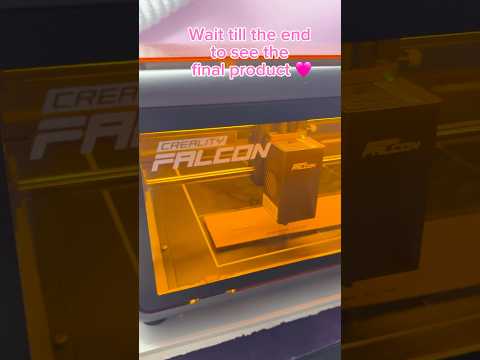
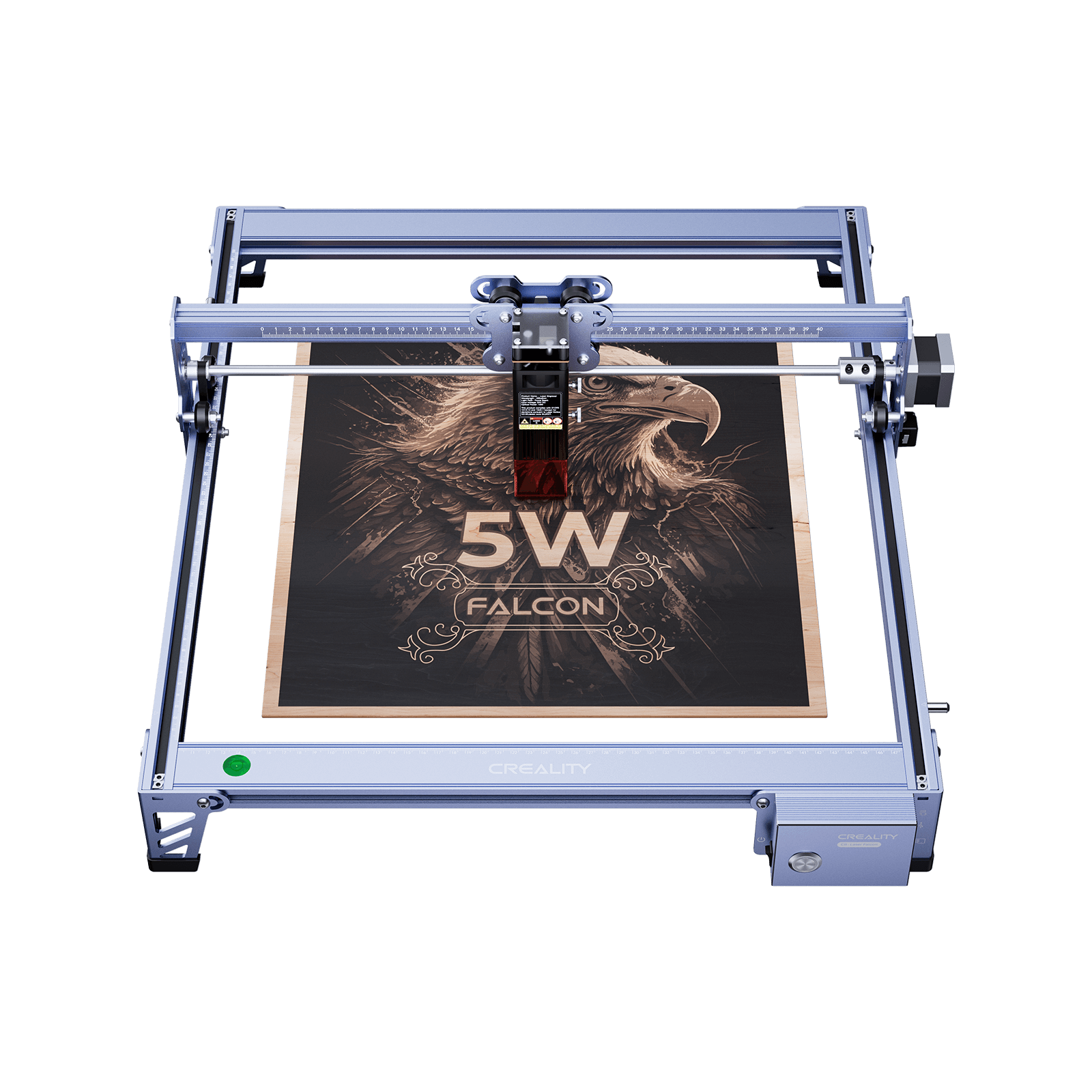
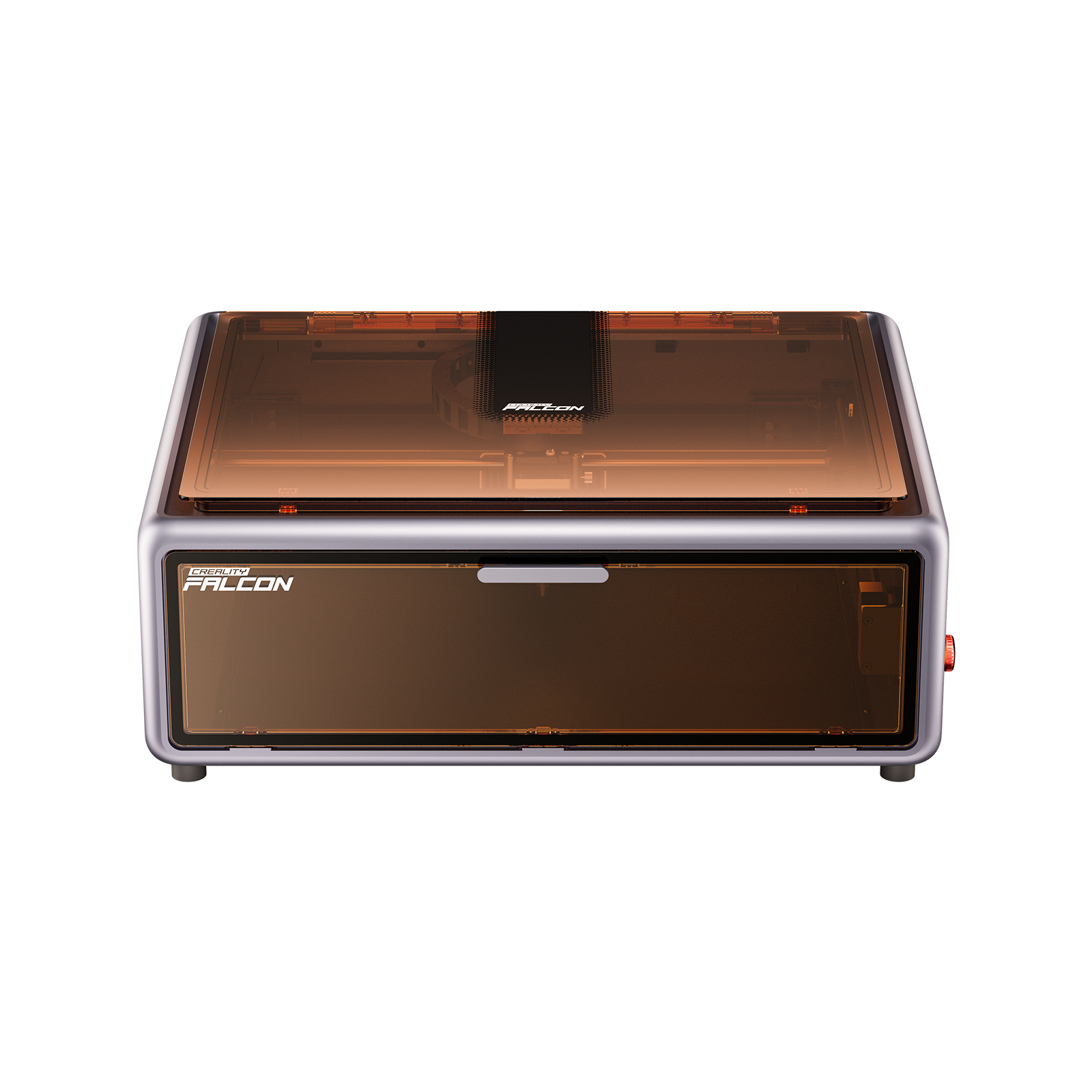
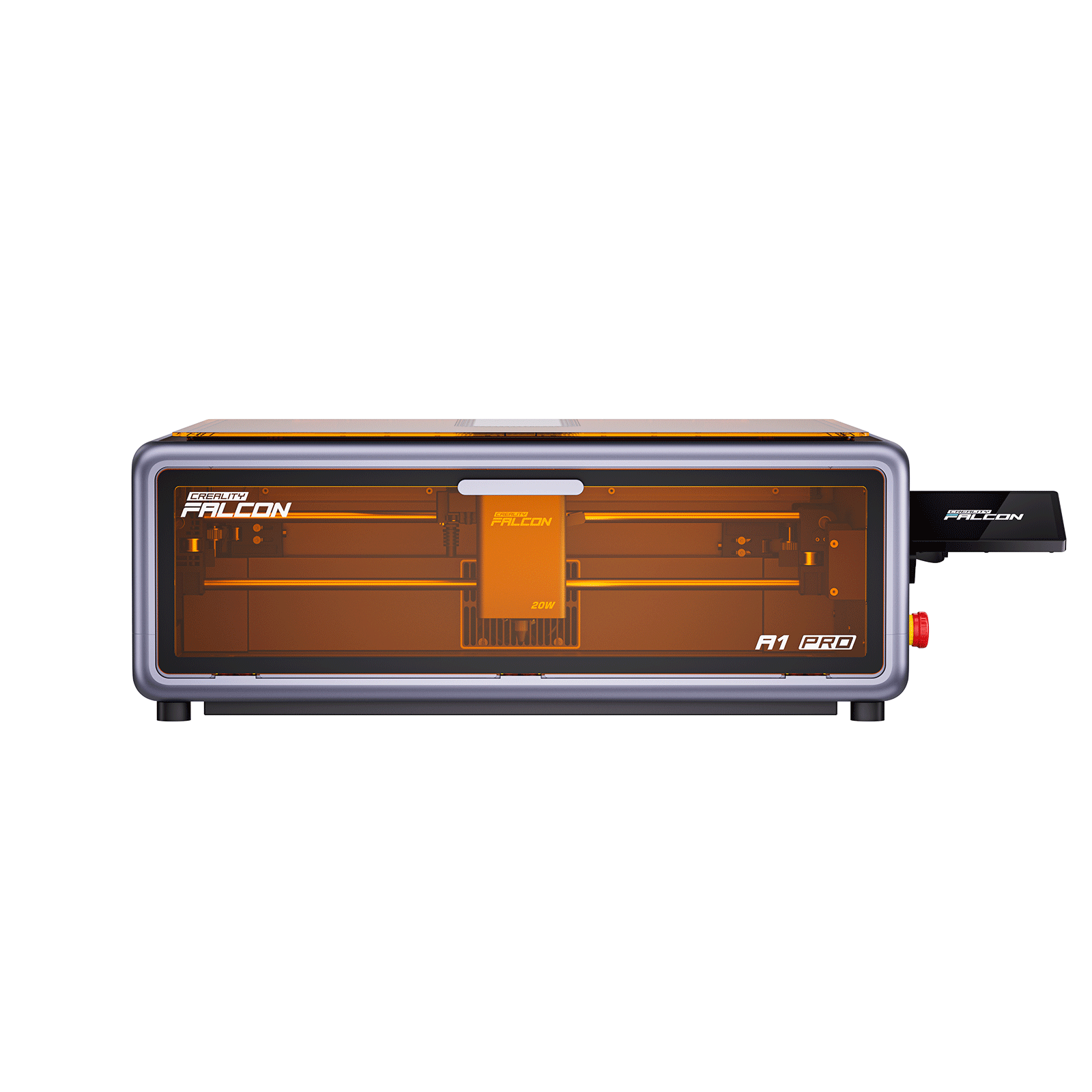
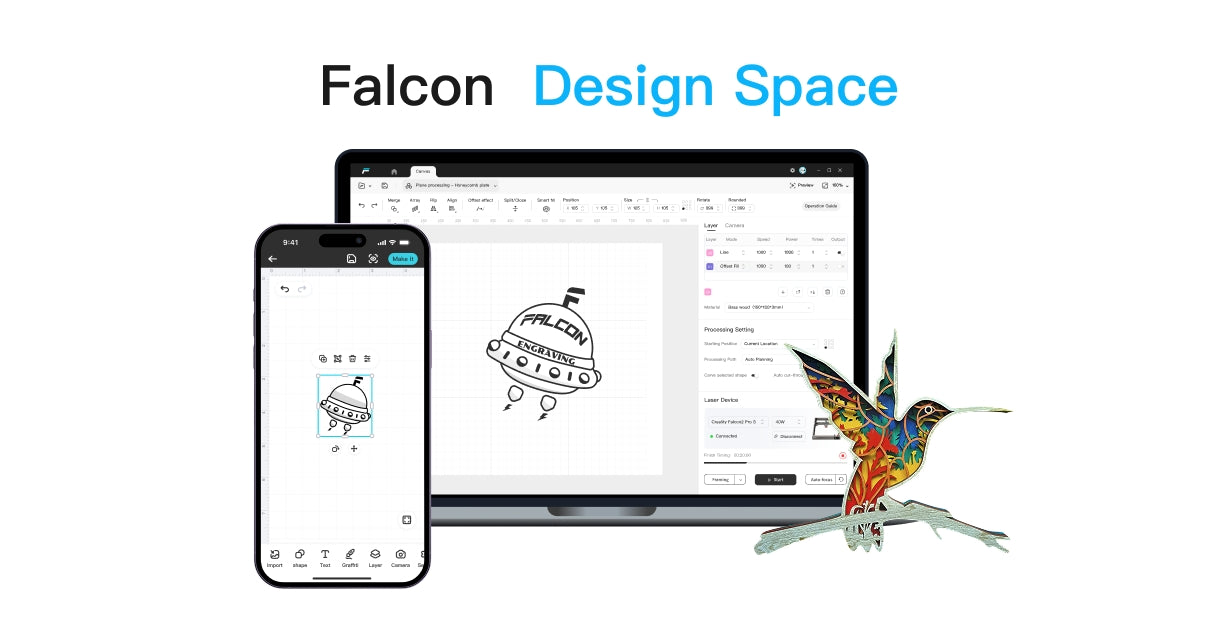
Falcon A1 fits users who want an enclosed beginner workflow for thin wood, paper, cardboard, leather, and craft materials. Its catalog specs list a 10W diode laser, 305 x 381 mm bed, Class 1 enclosed design, Falcon Design Space, LightBurn, LaserGRBL support, a 0.06 x 0.08 mm spot, and 10000 mm/min speed.
2. xTool and Glowforge for Enclosed Craft Workflows
xTool S1 is relevant when buyers want enclosed diode options with 10W, 20W, or 40W configurations, optional IR module, LightBurn support, and a larger diode work area. Glowforge Plus HD and Glowforge Pro HD are CO2 examples for buyers who want a guided workflow and stronger acrylic or organic material cutting than most diode machines.
3. AtomStack and TwoTrees for Open-Frame Experimenters
AtomStack A20 Pro V2 represents the open-frame diode category. Its catalog specs list a 20W diode laser, 400 x 365 mm bed, LaserGRBL, LightBurn, AtomStack Studio, flame detection, tip-over alarm, resume engraving, and 400 mm/s speed. Open-frame machines can be useful for experienced users, but they need stronger planning for smoke, eye safety, fire supervision, and material testing.
4. ComMarker for Metal Marking Rather Than Craft Cutting
ComMarker is more relevant when the project is metal marking instead of general wood, acrylic, and paper cutting. Buyers should not compare metal marking systems with craft laser cutters by wattage alone. Metal workflows depend on material type, desired mark depth, surface finish, lens choice, and whether the goal is color marking, black marking, deep engraving, or true cutting.
6 FAQs About What a Laser Cutter Cuts
1. What Materials Does a Laser Cutter Cut?
A laser cutter can cut wood, paper, cardboard, leather, fabric, acrylic, rubber, cork, and some laser-safe foams or plastics. The safe list depends on laser type, material composition, thickness, coating, ventilation, and the machine’s power and optics.
2. What Can a 150W CO2 Laser Cut?
A 150W CO2 laser can cut many thicker organic materials, including acrylic, wood, plywood, MDF, leather, rubber, paperboard, cardboard, and some laser-safe plastics. It is still not a universal metal cutter, and exact thickness depends on machine setup and material quality.
3. Can a Laser Cutter Cut Metal?
Some industrial fiber lasers can cut metal, but most desktop diode and CO2 laser cutters are not designed for bare metal cutting. Desktop machines may mark coated metal, anodized aluminum, or use marking sprays, but cutting through metal is a different workflow.
4. Can a Laser Cutter Cut Plastic?
It can cut some plastics, especially acrylic on CO2 machines, but many plastics are unsafe or poor performers. Never cut PVC, vinyl, unknown plastics, PTFE, or materials with unknown coatings. Ask for an SDS when material identity is unclear.
5. Can a Diode Laser Cut Clear Acrylic?
Most blue diode lasers struggle with clear acrylic because the wavelength is not absorbed well. Dark acrylic may work better, depending on the machine and material. CO2 is usually the better choice for acrylic cutting.
6. What Should Beginners Test First?
Beginners should start with thin basswood, paper, cardboard, or laser-safe acrylic from a known supplier. Keep test grids, record settings, use air assist when cutting wood, and avoid unknown plastics. A safe material library is more useful than guessing by appearance.
Conclusion
What materials does a laser cutter cut depends on the laser source, material chemistry, thickness, color, coating, and ventilation setup. Wood, paper, cardboard, leather, fabric, acrylic, rubber, cork, and some laser-safe plastics are common choices. PVC, vinyl, unknown plastics, halogen-containing materials, and unsafe coated materials should stay out of the machine.
For most beginners, the smartest path is to start with known laser-safe materials, run test grids, document settings, and choose the machine by material goals rather than wattage alone. A laser cutter can do a lot, but safe material selection is what turns it from a risky heat source into a reliable making tool.
Smarter Camera, Craft Easier
10W Diode Laser Engraver and Cutter

Recent News

7 Best Laser Engravers Under $1000
Quick Answer:The best laser engraver under $1000 should be chosen by total setup cost, not machine price alone.For most...

CNC Vs Laser Cutter Which Tool Is Right For You
Compare CNC vs laser cutter tools for wood, acrylic, metal, 3D carving, precision, safety, and beginner projects to...

Best Woodworking Laser Cutter Buyer's Guide
Compare the best woodworking laser cutters for 2026, including CO2 and high-power diode machines for wood signs, engraving,...