


























7 Best Low Cost Laser Cutters by Price

Quick Answer:
The best low cost laser cutter is usually an enclosed diode machine around the entry-to-mid budget range, not the cheapest open-frame frame you can find.
Count ventilation, air assist, enclosure, software, and failed test materials before deciding which low price laser cutter is truly cheaper.
7 Low Cost Laser Cutter Picks With Reference Prices
Low cost does not mean the same thing for every buyer.
A $149 open-frame engraver can be cheap to buy but expensive to make safe indoors.
A $549 enclosed desktop cutter may look higher at checkout, yet it can be the better first machine if it reduces enclosure, setup, and safety friction.
| Pick | Reference Price | Best For | Main Trade-Off |
|---|---|---|---|
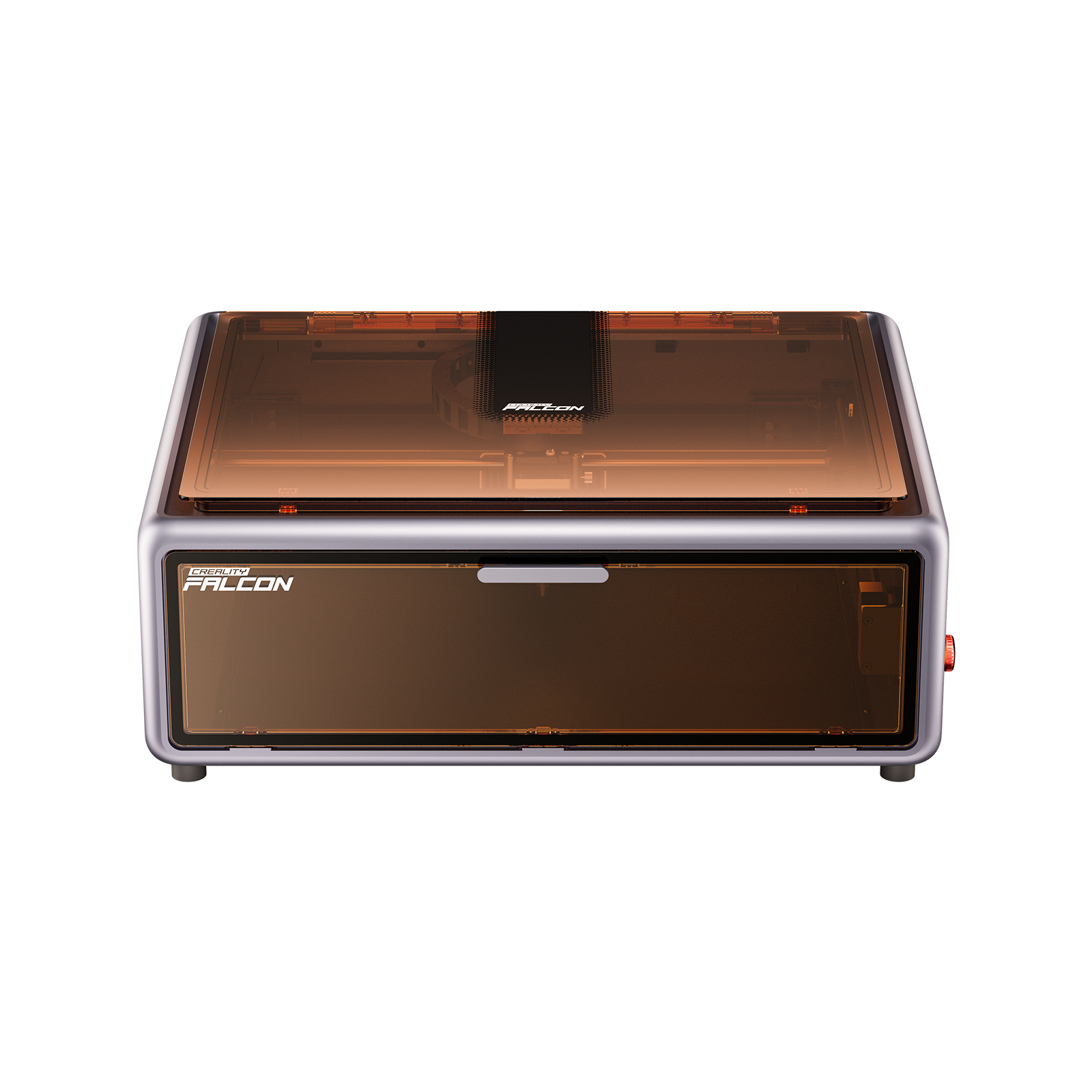
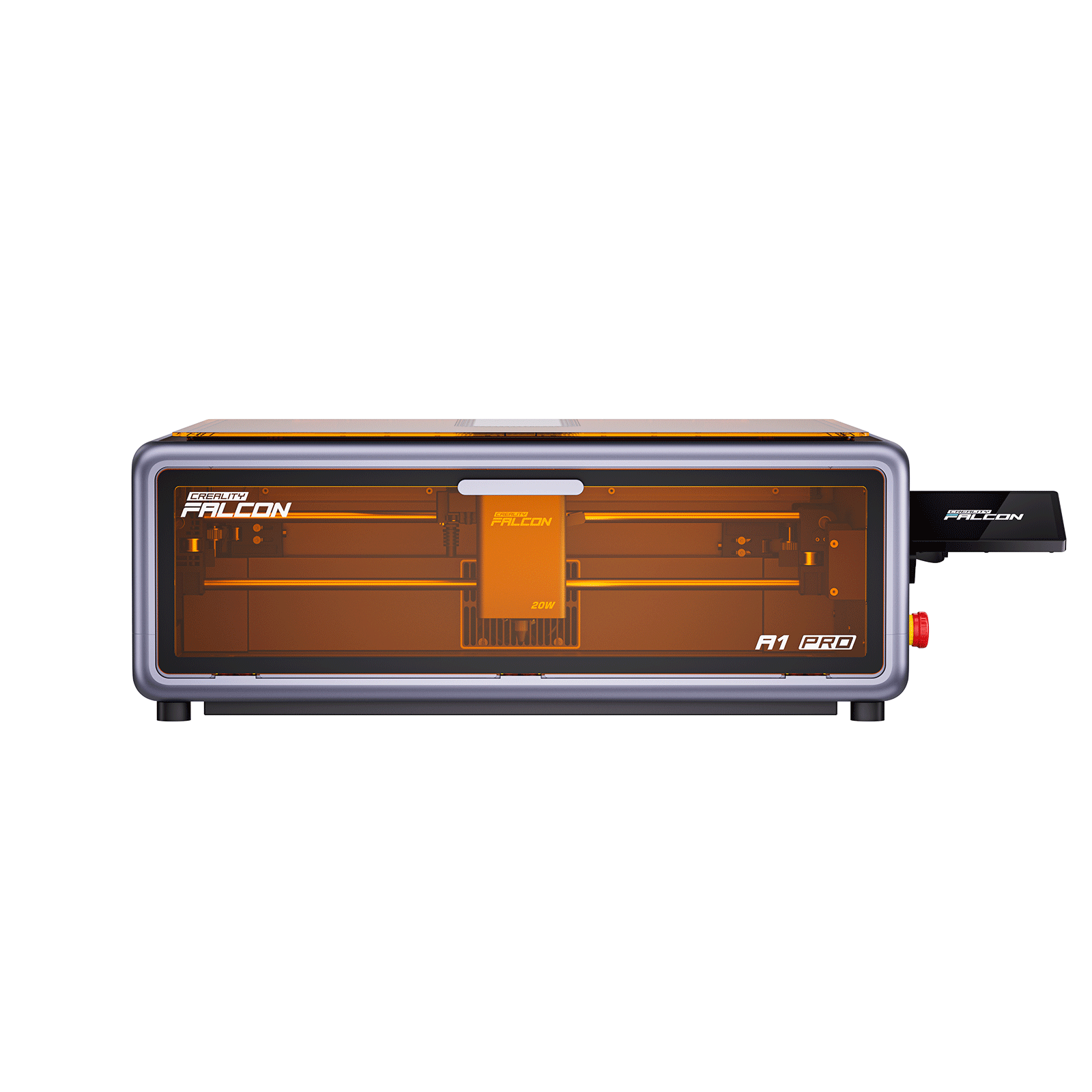
| Falcon A1 | From $549 reference price | Best enclosed Creality Falcon low-price pick | 10W diode, not for thick production cutting |
| Glowforge Spark | $899 reference price | Simple compact craft workflow | 6W diode and internet-required software |
| Glowforge Aura | $999 sale reference price, $1,199 regular reference price | Polished enclosed craft workflow | Higher price for a low-power diode cutter |
| xTool M1 Ultra | From around $999 to $1,699 reference range | Laser, blade, inkjet, and pen craft work | Paying for multi-tool features |
| xTool S1 | From $1,649 starting reference price | Higher-budget enclosed diode cutting | Above the true low-cost tier |
| AtomStack Swift | From $199 catalog reference price | Lowest-cost open-frame learning | Needs safety, enclosure, and exhaust planning |
| AtomStack A20 Pro V2 | From $649.98 catalog reference price | Open-frame 20W diode cutting | More setup responsibility than enclosed machines |
Reference prices change quickly with bundles, coupons, seasonal sales, and availability.
Current promotions and final prices should always be checked on the official website before purchase.
1. Falcon A1
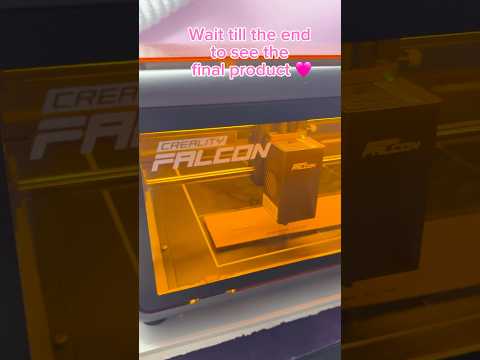
Why Choose This Product: The Falcon A1 is the best Creality Falcon low-price pick for beginners who want an enclosed desktop workflow.

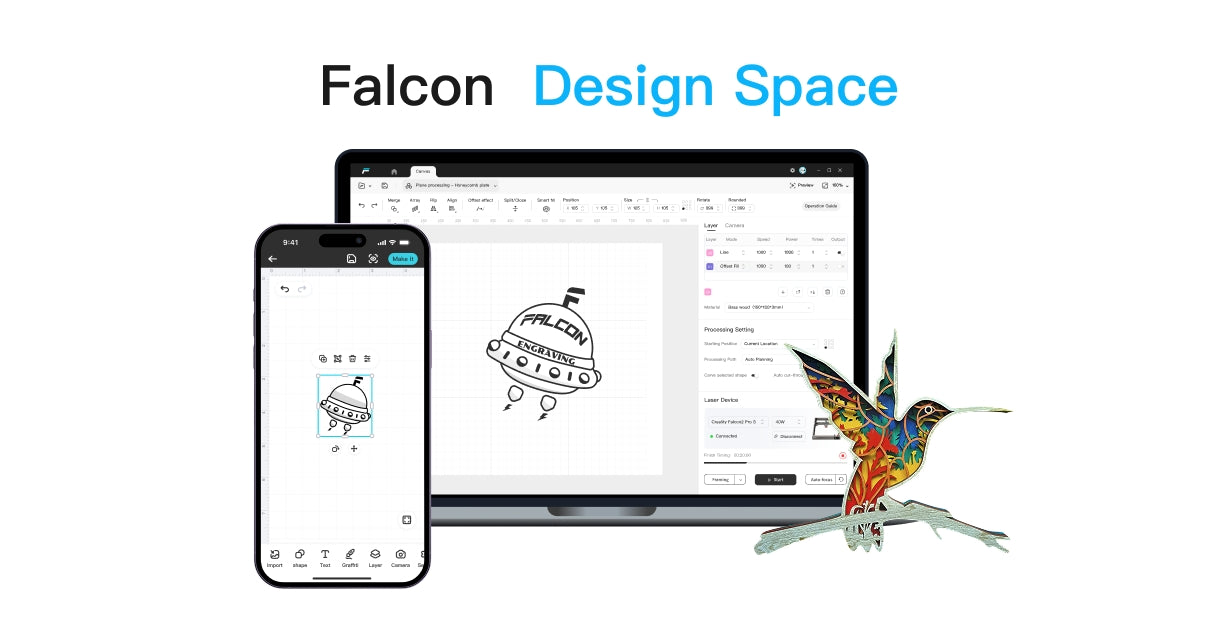
The Falcon A1 has a $549 reference price for the single unit at the time checked, with higher kit options shown on the official product page. Its catalog specs list a 10W diode laser, 305 x 381 mm bed, Class 1 enclosed design, Falcon Design Space, LightBurn, and LaserGRBL support, a 0.06 x 0.08 mm spot, and 10000 mm/min speed.
This is a better low price laser cutting machine pick than many bare frames for home users because the enclosure matters. Wood cutting creates smoke, odor, residue, and flame risk. Results vary by color, coating, thickness, and surface finish, so users should always run a material test before production.
2. Glowforge Spark
Why Choose This Product: Glowforge Spark is a compact enclosed craft laser for users who want simplicity over raw cutting power.
Glowforge Spark has an $899 reference price in the product catalog. Its specs list a 6W diode laser, 8.5 x 11 in maximum cutting area, 12 x 12 in maximum material size, enclosed compact craft laser design, Glowforge Print web software, Wi-Fi and internet-required connectivity, Preview Mode, and simple setup.
The weakness is value per watt. A 6W diode is best treated as light cutting and engraving equipment, not a heavy cutter. It may still make sense for small paper, leather, craft wood, and gift workflows if the buyer values guided software and compact design.
3. Glowforge Aura
Why Choose This Product: Glowforge Aura is a polished enclosed craft laser when the buyer wants an easy interface and a larger craft format than Spark.
Glowforge listed Aura at a $999 sale reference price from a $1,199 regular reference price when checked. Its official page lists a 12 x 12 in maximum material size, about 144 square inches of cutting area, Aura Vision camera preview, web-based Glowforge App, and home-focused enclosed design.
Aura is easier to recommend for crafters than for pure budget hunters. Forum and Reddit discussions often question Glowforge value because of pricing, cloud workflow, and power limits, so buyers should compare it against xTool, Creality Falcon, AtomStack, and TwoTrees before assuming the friendliest software is the lowest-cost ownership path.

4. xTool M1 Ultra
Why Choose This Product: xTool M1 Ultra is a strong value option when one machine needs to handle laser, blade, inkjet, and pen work.
xTool M1 Ultra has a commonly reported starting reference range around $999 for the 10W configuration, with 20W versions and bundles rising to $1,699 or more. Its catalog specs list a 10W or 20W diode laser, 300 x 300 mm bed, enclosed desktop design, xTool Creative Space, and 4-in-1 capability for laser, inkjet, blade, and pen workflows.
This is not the cheapest laser cutting machine low price shoppers will find, but it can lower the total tool count for craft businesses. If the buyer only wants wood cutting, the extra functions may be wasted. If they make stickers, cards, mixed-media products, and gifts, the multi-process workflow can justify the higher reference price.
5. xTool S1
Why Choose This Product: xTool S1 is the higher-budget enclosed diode pick for buyers who want more power options and a larger work area.
xTool S1 has a $1,649 starting reference price in the product catalog, so it sits above the strict low-cost tier. Its specs list 10W, 20W, and 40W diode options, optional IR module, 608 x 385 mm bed, approximately 498 x 319 mm working area on the 40W version, Class 1 enclosed design, xTool Creative Space, LightBurn, USB, Wi-Fi, pin-point positioning, twin-point positioning, and optional conveyor support up to 3000 mm.
For buyers comparing a low cost laser cutting machine against a more capable long-term option, S1 is useful as a benchmark. It shows what more money can buy: power choices, enclosure, positioning tools, and a cleaner workflow. It is not the first pick for shoppers who need the lowest starting price.

6. AtomStack Swift
Why Choose This Product: AtomStack Swift is the lowest-cost open-frame option for experimenters who already understand setup and safety trade-offs.
AtomStack Swift has a $199 starting reference price in the product catalog, while refurbished listings may be lower when available. Its specs list a 7W or 12W diode laser, 300 x 300 mm bed, open-frame design, AtomStack Studio, LightBurn, LaserGRBL, modular 5-minute assembly, and a budget-friendly open-frame engraver format.
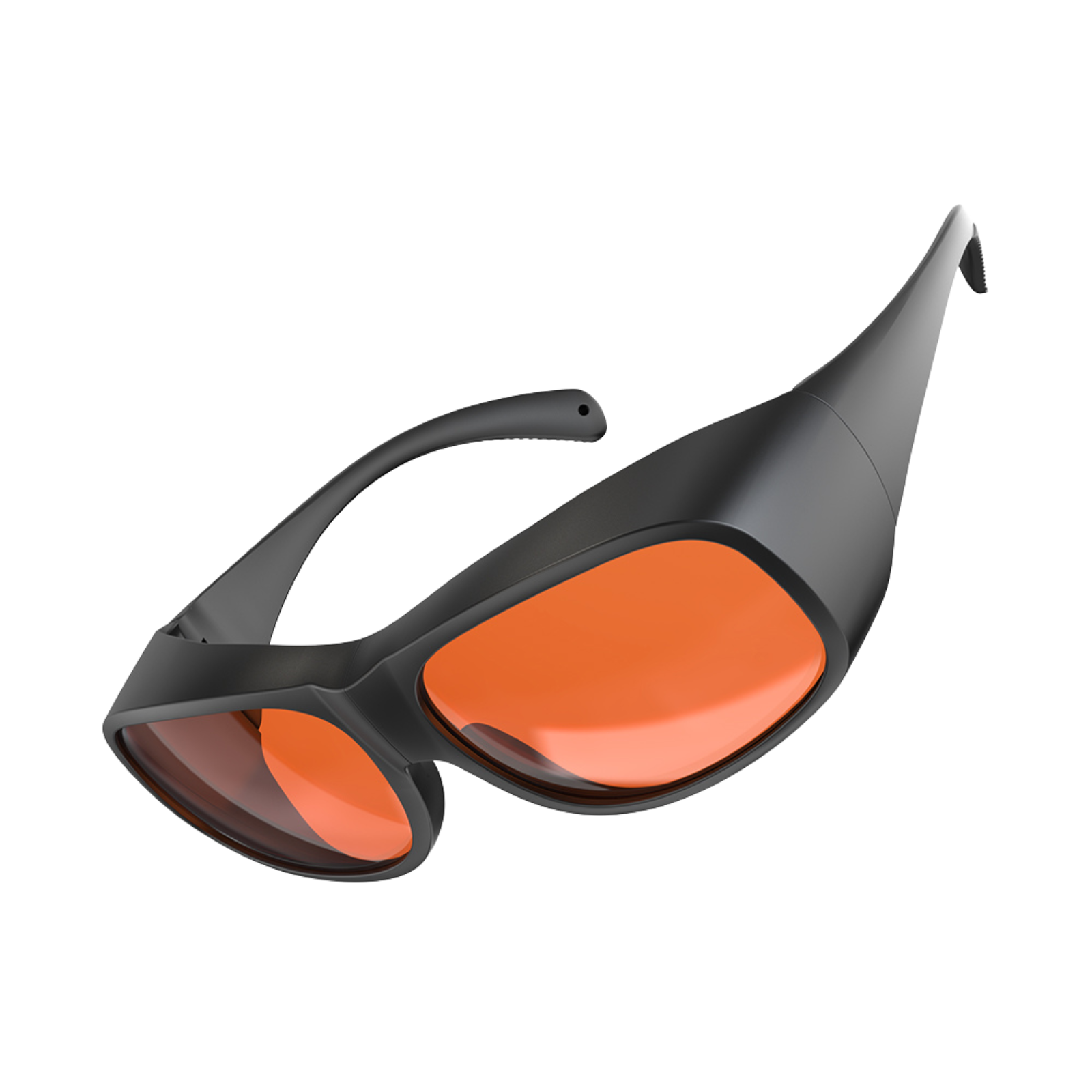
This is the kind of machine that attracts low price laser cutter shoppers, but the hidden costs matter. Add enclosure, exhaust, air assist, safe work surface, eye protection, and testing materials before calling it the cheapest usable option. For apartments, classrooms, and shared rooms, an enclosed cutter is usually easier to justify.
7. AtomStack A20 Pro V2
Why Choose This Product: AtomStack A20 Pro V2 is a stronger open-frame diode choice for users who want more cutting power at a lower reference price than many enclosed systems.
AtomStack A20 Pro V2 has a $649.98 starting reference price in the product catalog. Its specs list a 20W diode laser, 400 x 365 mm bed, open-frame design, LaserGRBL, LightBurn, AtomStack Studio, flame detection, tip-over alarm, resume engraving, and 400 mm/s speed.
This can be a practical low cost laser cutter for a garage, workshop bench, or maker space where ventilation and supervision are already solved. It is less ideal as a first indoor craft-room machine. The lower machine price should be balanced against the cost of making the whole setup safe and repeatable.
5 Price Rules Before Buying a Low Cost Laser Cutting Machine
1. Add $100 to $500 for Real Setup Costs
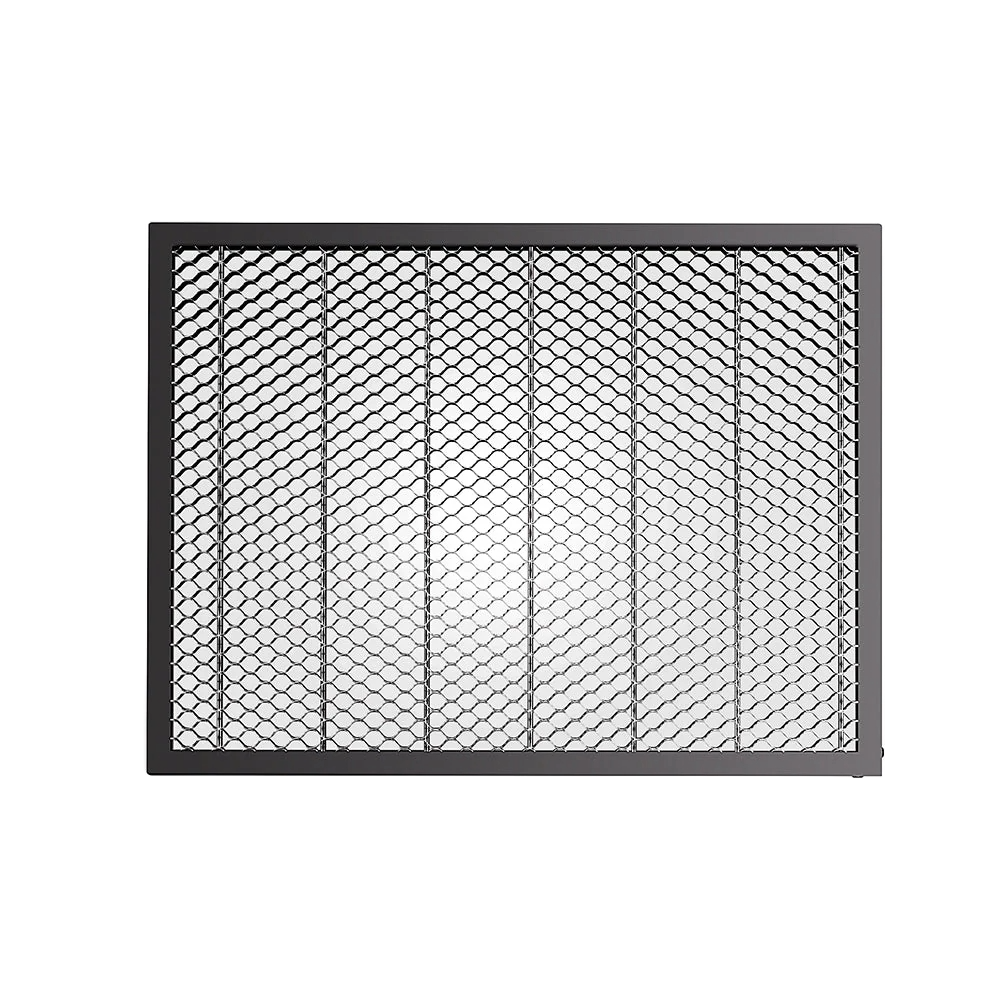
The machine price is only the first number. Many buyers still need air assist, honeycomb bed, exhaust hose, inline fan, enclosure, filters, spare lenses, cleaning supplies, and test material. A low cost laser cutter that needs every accessory separately may not be cheaper than a bundled or enclosed option.

2. Treat Open-Frame Machines as Setup Projects
Open-frame machines from brands such as AtomStack, TwoTrees, and similar platforms can be good value, but they shift more work to the owner. You need a controlled space, eye protection, ventilation, fire supervision, and material discipline. For a beginner, that learning curve is part of the real price.
3. Compare 3 Laser Types by Material
Most low cost desktop machines are diode laser engravers.
A CO2 laser engraver usually costs more but handles acrylic and organic cutting better.
A fiber laser engraver is mainly for metal marking, so a low cost fiber laser cutting machine search is often not the right path for general wood craft cutting.
4. Check Software Cost and Lock-In
LightBurn support is valuable for users who want stronger layout control, test grids, and repeatable jobs. Proprietary software can be easier for beginners, but buyers should check whether the machine requires internet access, supports offline use, and exports files cleanly. Software friction can turn a low price laser cutting machine into a slow daily tool.
5. Use Price per Successful Project
The best low cost laser cutter is the one that reliably finishes the projects you actually make. If a cheaper machine burns more material, needs more retries, smells worse indoors, or cannot cut the thickness you need, the lower checkout price is misleading. For small businesses, repeatability matters more than saving the last $100.
6 FAQs About Low Cost Laser Cutter Prices
1. What Is a Good Price for a Low Cost Laser Cutter?
A realistic low cost laser cutter range starts around $149 to $299 for small open-frame engravers, around $500 to $900 for more usable beginner enclosed or compact machines, and above $1,000 for stronger enclosed diode or multi-function craft systems.
2. Is a $199 Laser Cutter Good Enough?
A $199 machine can be good for learning, engraving, and light craft work, but it is usually open-frame and limited for cutting. Budget for enclosure, exhaust, air assist, and safety gear before treating it as a complete setup.
3. Why Are Enclosed Laser Cutters More Expensive?
Enclosed machines cost more because they include a safer structure, controlled light shielding, better indoor workflow, and often camera or guided software features. For home users, that extra cost can reduce setup risk and daily friction.
4. Should I Buy the Cheapest Open-Frame Laser First?
Only if you have a suitable space and enjoy tuning equipment. For casual home users, a cheap open-frame machine can become frustrating once smoke, odor, eye safety, and material testing enter the picture.
5. Is a Low Cost Fiber Laser Cutting Machine Worth It?
Be careful with that phrase. Fiber lasers are usually for metal marking and engraving, while true metal cutting requires a much more expensive industrial setup. A low-cost fiber marker is not a general replacement for a wood and acrylic laser cutter.
6. Which Brand Has the Best Low Price Laser Cutter?
Creality Falcon is strong for enclosed beginner value with Falcon A1, AtomStack is strong for open-frame low entry prices, xTool is strong for polished higher-budget workflows, and Glowforge is strong for simple craft software. The best brand depends on the buyer’s material, space, and tolerance for setup work.
Conclusion
The best low cost laser cutter is not the machine with the smallest price tag. It is the machine that gives you the lowest total cost per safe, finished project. Falcon A1 is the cleanest Creality Falcon recommendation for this low-price topic because it keeps the beginner workflow enclosed while staying far below many premium craft systems.
For the lowest entry price, AtomStack Swift is attractive, but only for users who can handle the open-frame safety setup. For a more guided craft workflow, Glowforge Spark, Glowforge Aura, xTool M1 Ultra, and xTool S1 all deserve comparison, though their reference prices push them into different budget tiers.
Smarter Camera, Craft Easier
10W Diode Laser Engraver and Cutter

Recent News

Everything You Need to Know about Creality Falcon T1
Learn everything about Creality Falcon T1, including release date, regular price, laser modules, materials, safety, software, and who...

Glowforge Laser Cutter Price Explained
Learn what affects glowforge laser cutter price, from model tiers and hidden costs to materials, software, and alternatives.

Falcon A1 Pro vs Falcon2 Pro: Pick the Best
Compare falcon a1 pro vs falcon2 pro for power, work area, IR marking, cutting performance, safety, and real...